12 reasons vacant homes aren’t solving America’s housing crisis
Millions of empty homes sit across America, yet millions of people still struggle to find affordable places to live.
The contradiction sounds impossible at first. If so many houses are vacant, why can’t they become homes for families facing high rents, rising mortgage costs, and homelessness?
The answer is not just about having enough buildings. Census Bureau data shows there are vacant homes across the country, but many of these are not available to people who need them. In early 2026, the homeowner vacancy rate was only 1.1%, and the rental vacancy rate was 7.3%. This means there are still not enough homes for buyers and renters.
A vacant house might be in the wrong city, need expensive repairs, have ownership issues, or be used only part of the year. These empty buildings exist, but they are not a quick housing solution.
Here are 12 reasons why vacant homes are not fixing America’s housing crisis.
Many Vacant Homes Are Far From Where People Need Housing
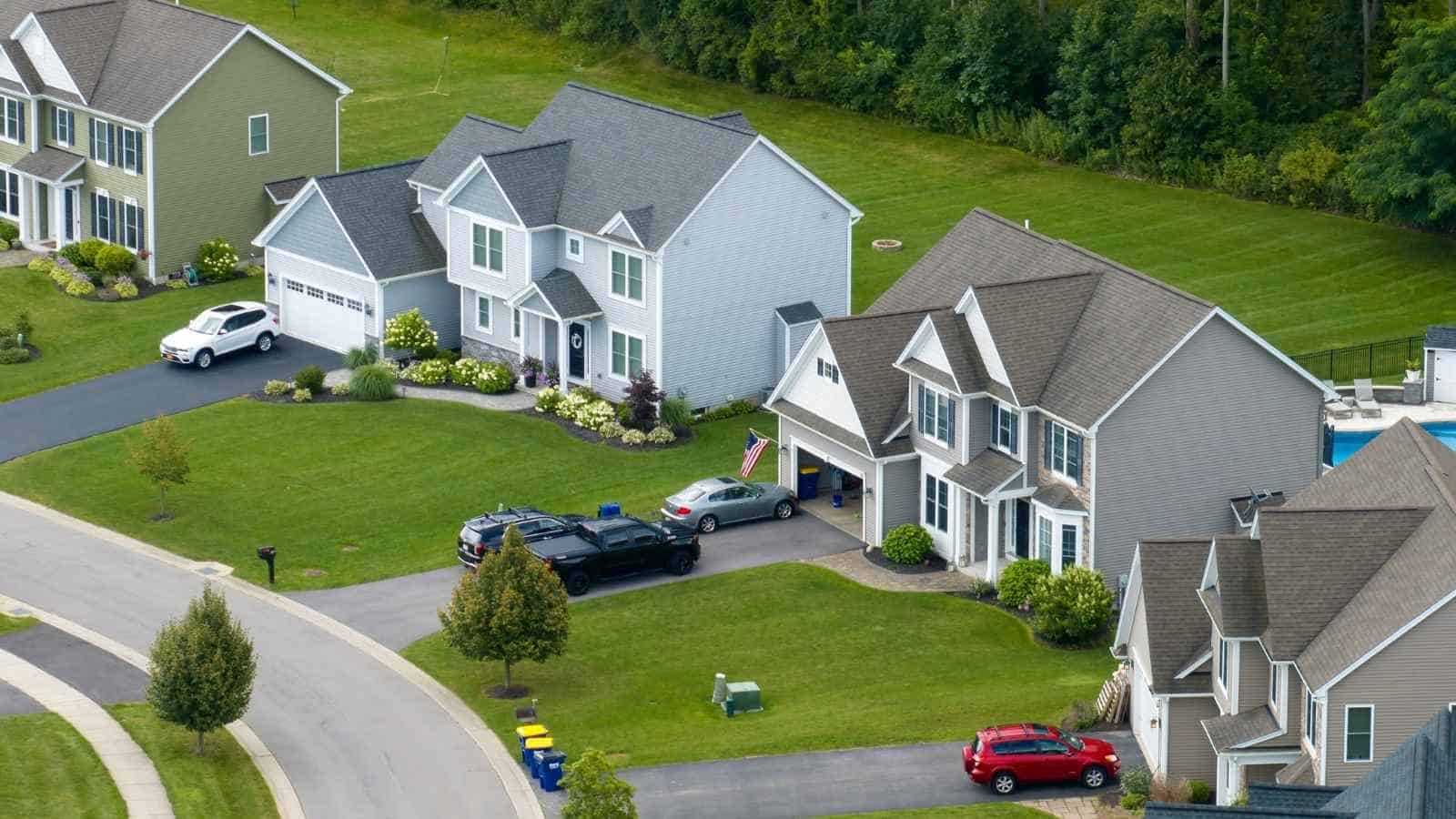
An empty house in a shrinking town cannot fix a shortage in a booming city.
One major reason vacant homes do not solve housing problems is location. Many empty homes are in rural areas, old industrial cities, or neighborhoods that have lost people over many years.
Community Progress research shows that vacant homes are often found in places with economic decline and little investment. These areas might have many empty buildings, but they often lack jobs, transportation, schools, or services to bring in new residents.
Housing is more than just four walls and a roof. It also means being close to where people work, go to school, and live their lives.
A vacant home is only helpful if it is in a place where people actually need housing.
Some Empty Houses Are Too Damaged to Become Homes Quickly
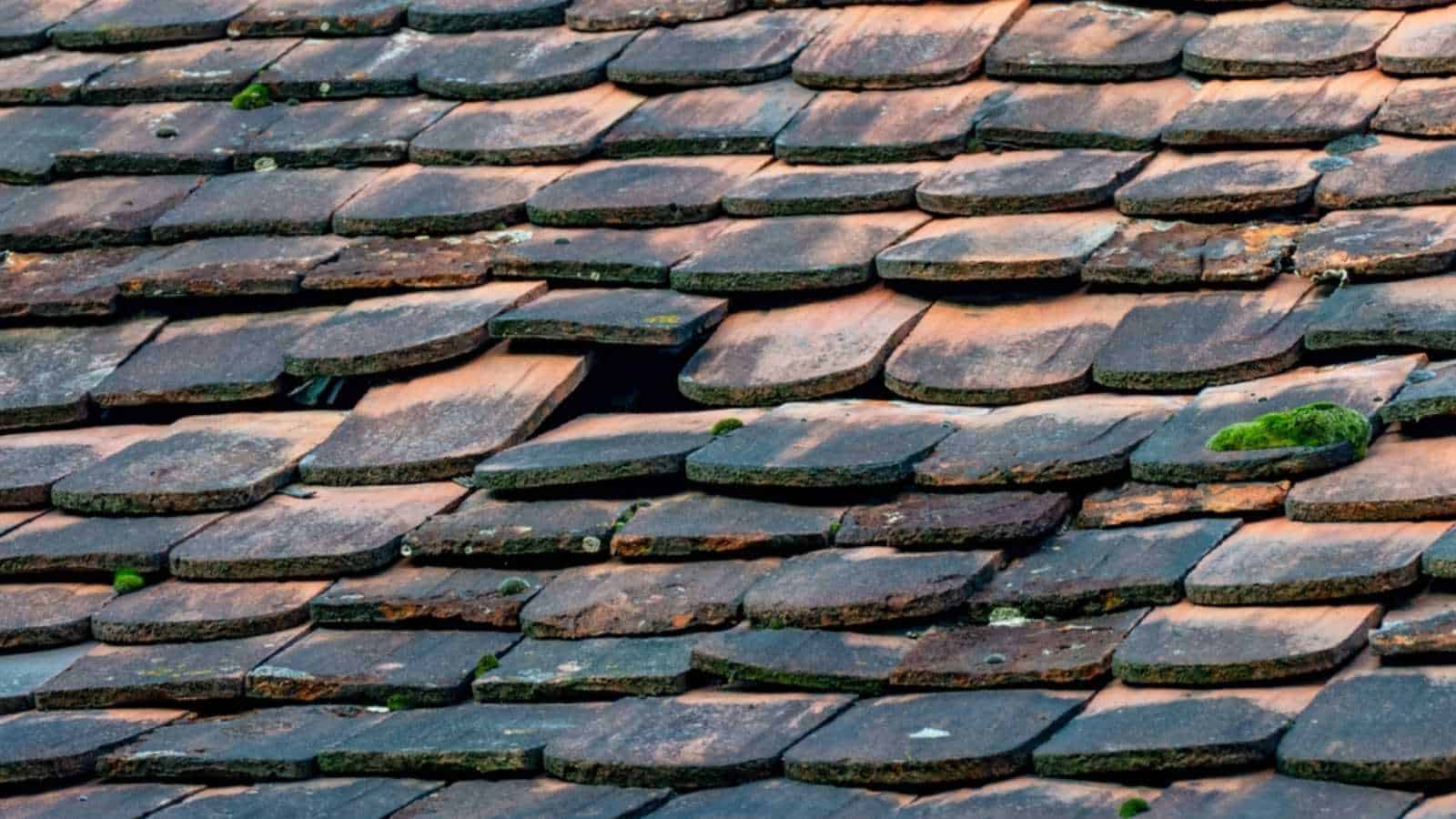
A house with broken pipes or unsafe wiring is not ready for someone to move in.
Many empty homes need a lot of repairs before anyone can live in them safely. Some have leaking roofs, old electrical systems, mold, plumbing problems, or serious structural damage.
The Lincoln Institute of Land Policy shows how abandoned properties often require expensive rehabilitation before they return to the housing market. In some struggling neighborhoods, repair costs can become higher than the property’s value. The house is there, but it is not ready to live in.
An empty building does not always mean there is a home available.
Legal Problems Can Keep Homes Locked Away

Some empty houses are stuck in paperwork before anyone new can own them.
Ownership issues create another major barrier. Some homes sit empty because of unpaid property taxes, unclear titles, probate delays, or disputes among heirs.
Community Progress notes that legal complications can keep vacant properties idle for years. Even when a city or nonprofit is ready to restore a property, it often has to untangle ownership first to determine who has the legal right to act.
These situations can make homes feel like locked boxes. People can see the property, but no one can open it. Solving these problems often takes court action, government help, and time.
A house cannot provide shelter if no one can legally take ownership.
Vacancy Often Reflects Neighborhood Decline
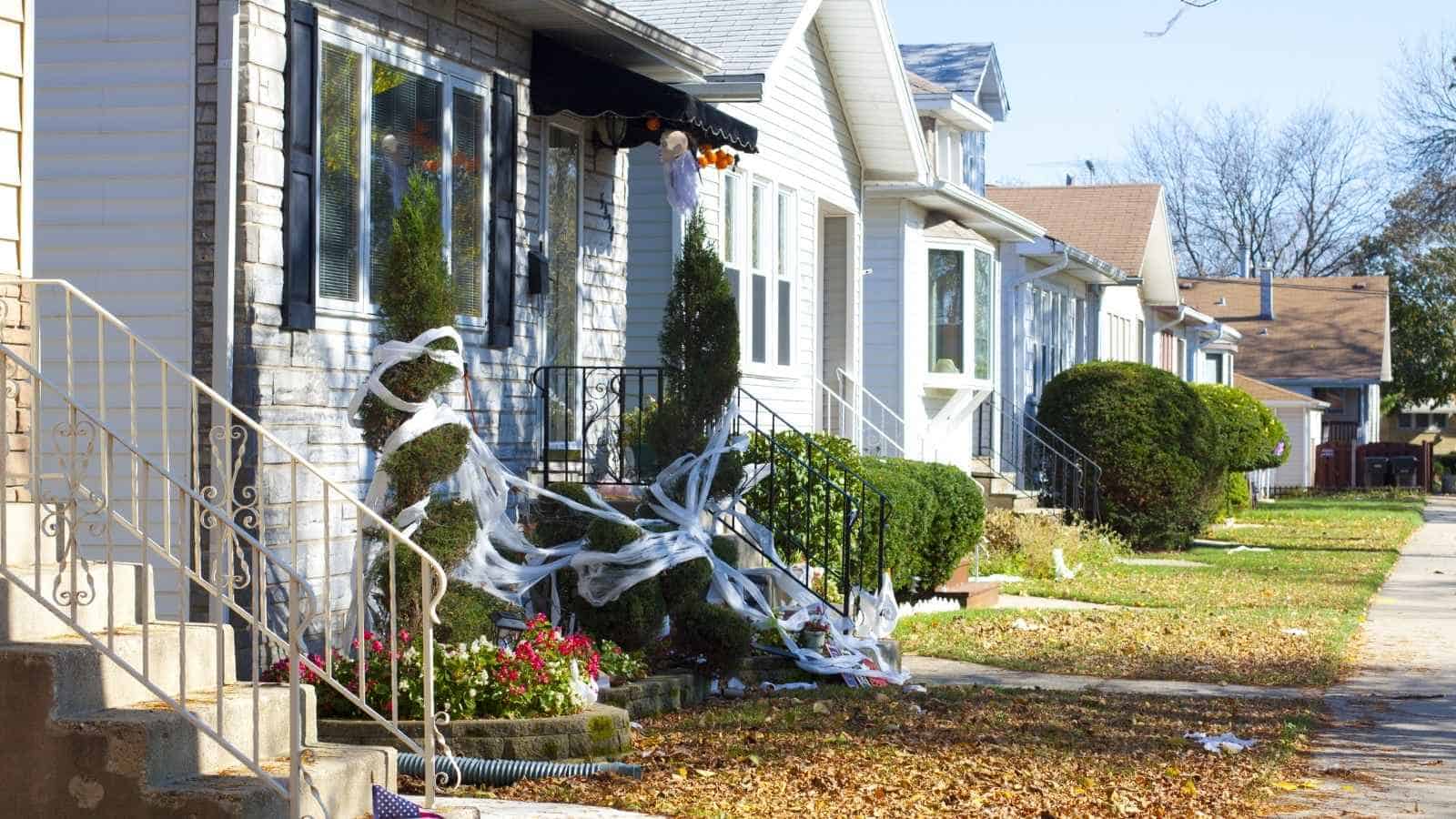
Empty homes can be a sign of a bigger problem.
Many empty homes did not appear suddenly. They are often the result of years of people moving away, job losses, and less investment.
The Lincoln Institute of Land Policy has described vacant properties as signs of deeper economic challenges. When businesses leave and property values fall, fewer people invest in repairs. That can create more abandoned buildings.
This pattern can affect whole neighborhoods.
An empty home might not mean there is extra housing available. It could show that a community needs economic help.
Second Homes and Seasonal Properties Remove Units From Full-Time Housing
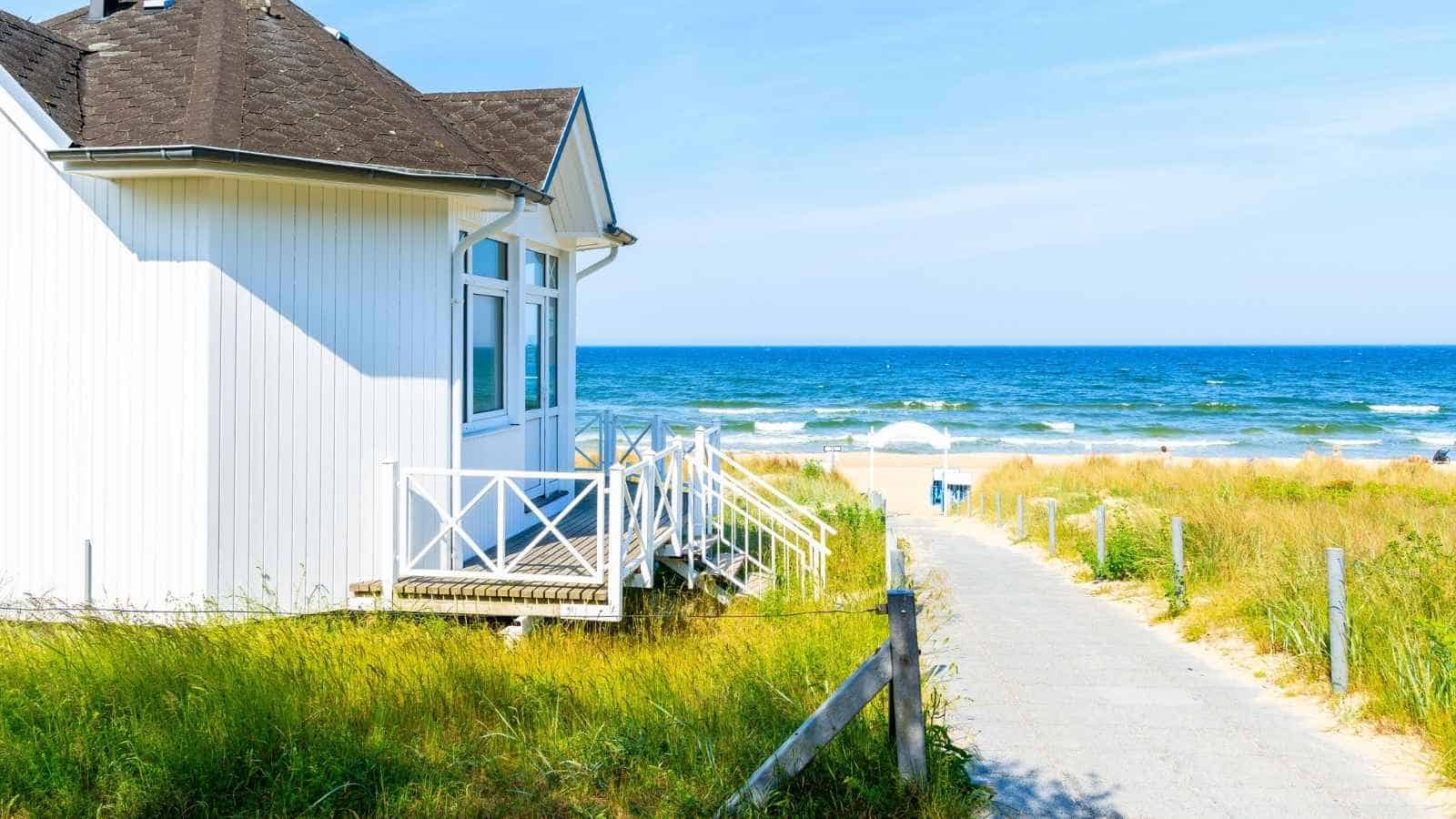
A beach house that sits empty for months does not help a local worker who needs an apartment.
The U.S. Census Bureau classifies the largest share of vacant housing as “seasonal, recreational, or occasional use,” which includes vacation homes, cabins, and properties that owners visit only part of the year.
According to Housing Solutions Hub, tourist towns and communities often face a difficult balance: tourism brings money and jobs, but it can also make housing harder to afford for residents.
For instance, a coastal town might have hundreds of homes empty in winter, while restaurant workers, teachers, and emergency workers struggle to find a place to live all year.
A home that is only used part of the year cannot solve a full-time housing problem.
There is no single fix that can turn millions of vacant properties into affordable homes overnight.

Vacant homes exist for many different reasons, which means communities need different solutions depending on the problem they are trying to solve. A property with unclear ownership needs a different approach than a damaged home that requires major repairs. A struggling neighborhood with years of disinvestment faces different challenges than a growing city where housing demand is far higher than supply.
Fixing these problems requires more than simply identifying empty buildings. Communities often need rehabilitation programs, clearer property rules, funding for repairs, and long-term plans to bring neighborhoods back.
The challenge is turning an empty structure into a place where someone can build a stable life. That can involve repairs, legal work, financing, and community planning before a property is ready for a new resident.
The Housing Crisis Is Also an Affordability Crisis

An empty house only solves a housing problem when someone can actually afford to live there.
New York University researchers have pointed out that building more housing alone does not guarantee affordable options for everyone who needs them. More supply can help ease pressure over time, but affordability depends on several factors, including income levels, mortgage costs, and access to financing.
Right now, buying a home remains out of reach for many Americans. “Homebuying in the U.S. continues to be unaffordable,” Nancy Vanden Houten, lead U.S. economist at Oxford Economics, said in a client note. She added that “we expect that to remain the case over the next decade.”
The numbers show why. Redfin found that a household earning the average U.S. income would need to spend about 40% of its income on a median-priced home. That is well above the common financial guidance that housing costs should stay around 30% of income after making a 15% down payment.
The problem is not only that homes are missing. It is that many available homes are financially out of reach.
Vacant Homes Often Do Not Match What People Need

Housing needs are different from one household to another. A single-family home sitting empty in a rural area is not the same as an affordable apartment near a major employer, a hospital, or public transportation. Many vacant properties do not fit the needs of today’s renters and buyers.
A large vacant house might look like a solution from the outside, but it may not help a retiree searching for a smaller place or a renter who cannot afford the maintenance costs. A damaged property may have potential, but it does little for a family that needs housing now.
This mismatch is one reason why vacancy numbers can be misleading. The issue is not only how many homes exist, but if those homes are the right size, in the right location, and affordable for the people who need them.
A house becomes useful housing only when it fits someone’s real life.
Bringing Vacant Homes Back Takes Time and Money
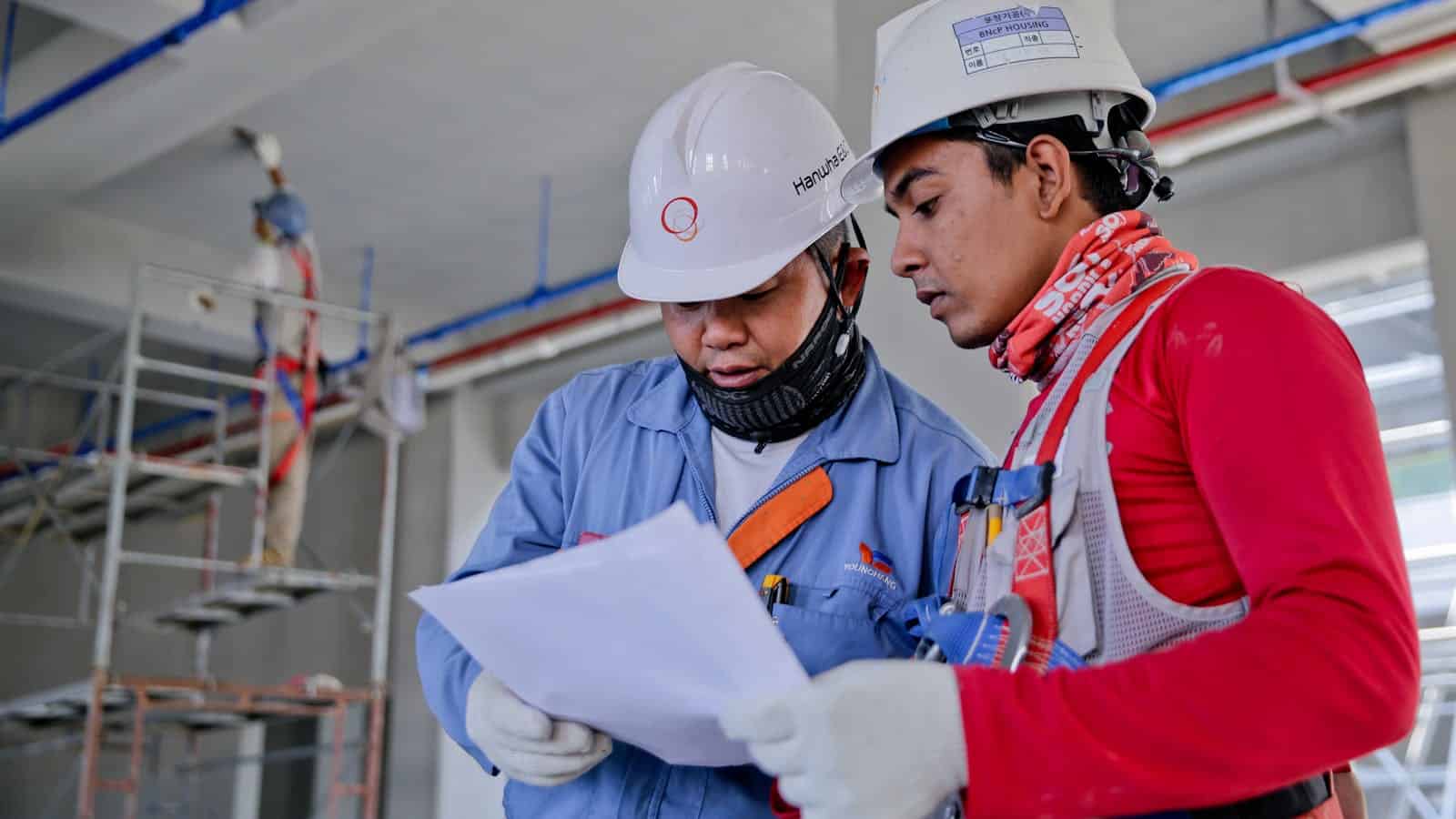
An empty house may look like an easy fix, but turning it into a safe place to live is rarely that simple.
From the outside, a vacant property can seem like a missed opportunity. The building is already there, so why not just clean it up and move someone in? The reality is that many empty homes need months or even years of work before they are ready.
Research from the Lincoln Institute of Land Policy shows that many vacant and abandoned homes require significant rehabilitation before they can return to the housing market. In some cases, the cost of repairs can make restoration difficult, especially in neighborhoods where property values are already low.
Some Vacant Homes Are Empty Because They Are Already on the Market
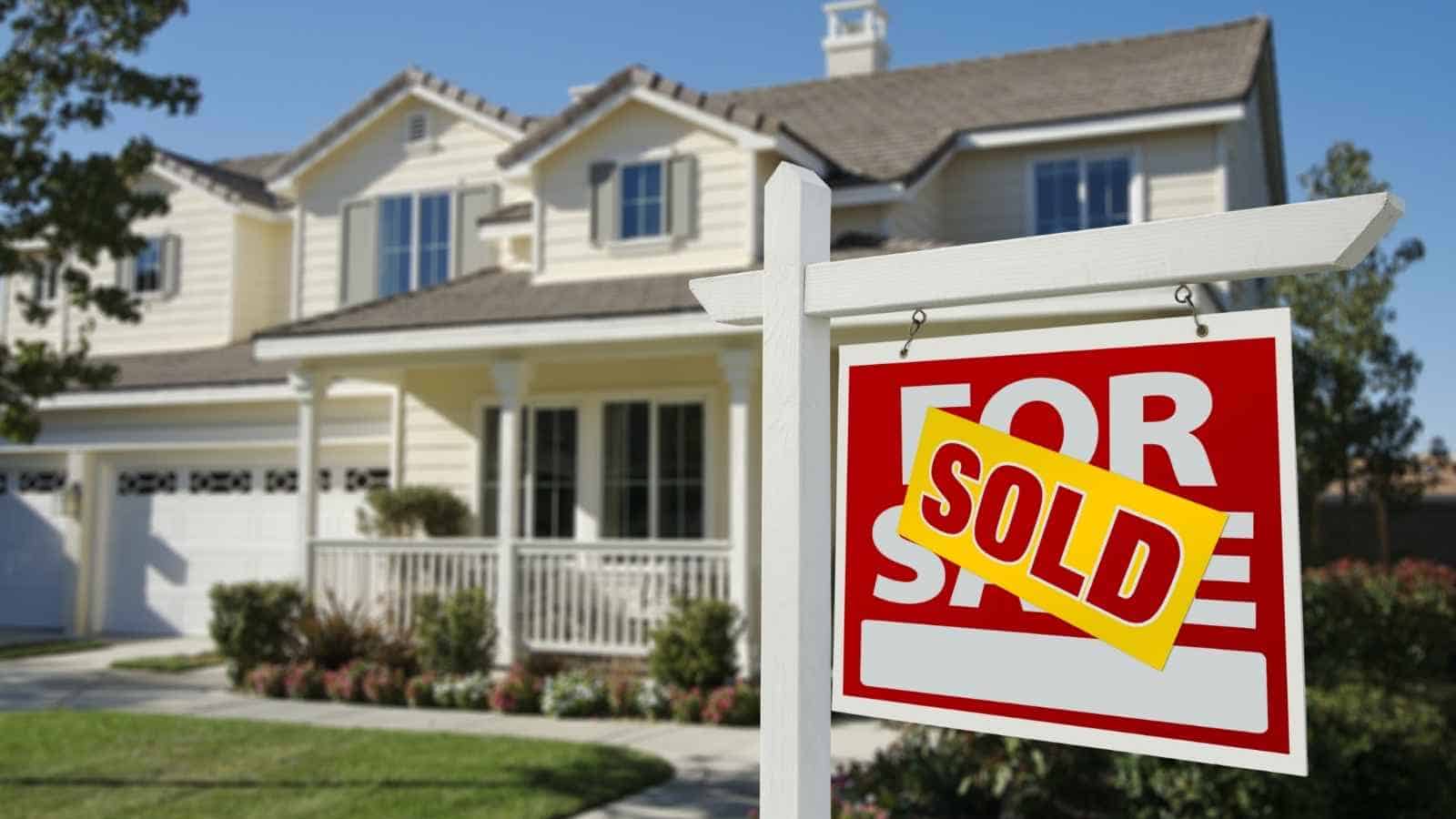
A vacant home does not always mean a forgotten property waiting for someone to move in.
The word “vacant” can be misleading because it covers several different situations. A home may be empty because it is being sold, waiting for a new tenant, or going through a short transition period between occupants.
Census Bureau data shows that vacant homes exist across the country, but the number of homes truly available for buyers and renters is much smaller. In early 2026, the national homeowner vacancy rate was 1.1%, while the rental vacancy rate was 7.3%.
The report includes homes that are listed for sale or rent in its broader vacancy counts. But many of these properties are already part of the normal housing market, not hidden inventory sitting unused.
Empty Buildings Do Not Automatically Become Housing for Homeless People
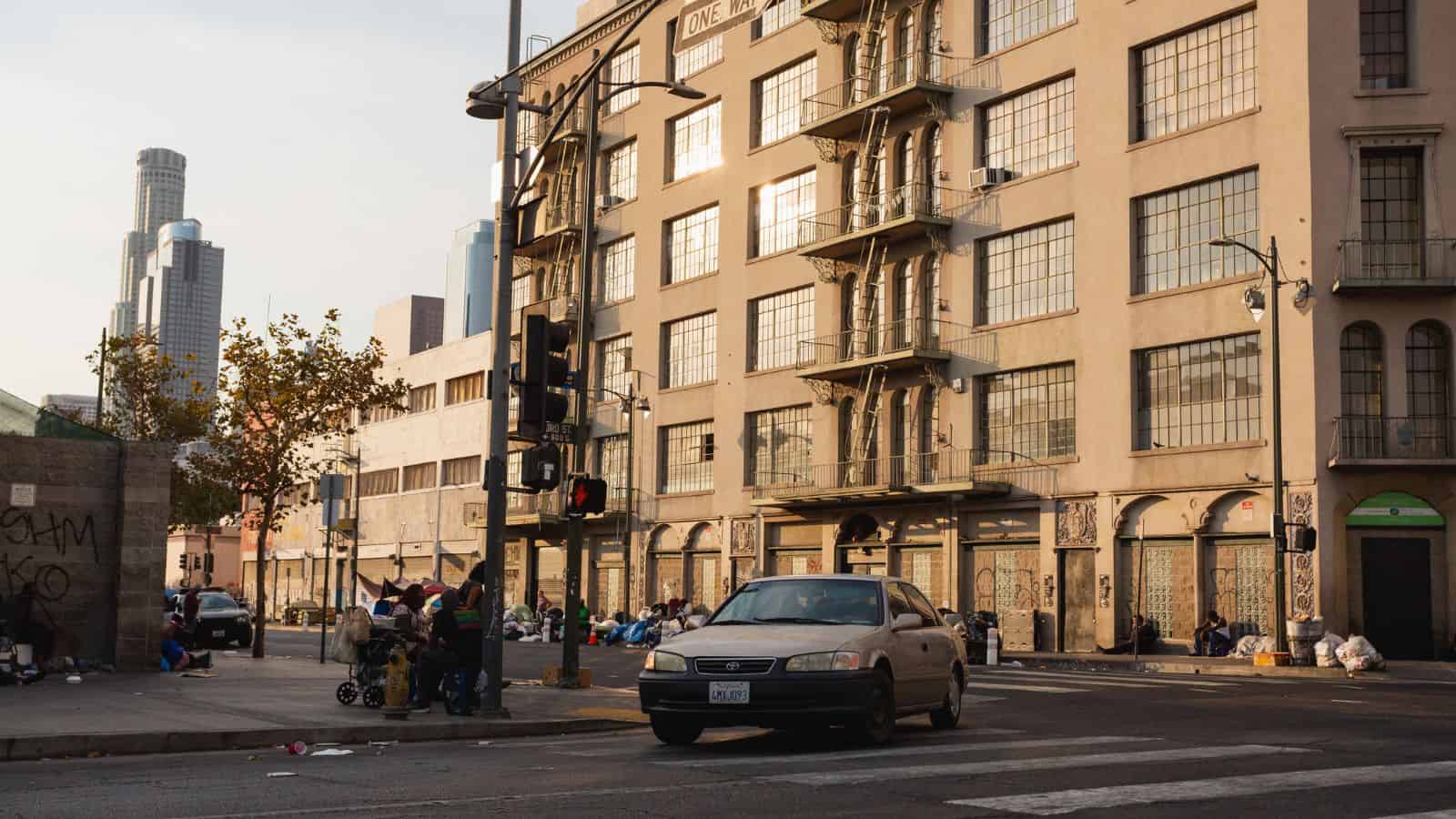
A vacant property is not automatically a ready-made solution for someone experiencing homelessness. A building may need costly repairs before anyone can safely move in. The owner may not want to sell, legal disputes may delay a transfer, or the property may be located far from jobs, transportation, and essential services.
Even when a vacant home becomes available, providing the keys is only the first step. Many people who have experienced long-term homelessness need more than a place to sleep. The U.S. Department of Housing and Urban Development’s 2024 Annual Homeless Assessment Report found that more than 770,000 people experienced homelessness on a single night, showing the scale of the challenge.
The existence of empty homes does not mean the homelessness crisis has an easy fix waiting inside abandoned buildings. The real challenge is turning vacant properties into housing that is safe, affordable, and accessible for the people who need it most.
Some Vacant Homes Are Held as Investments, Not Places to Live
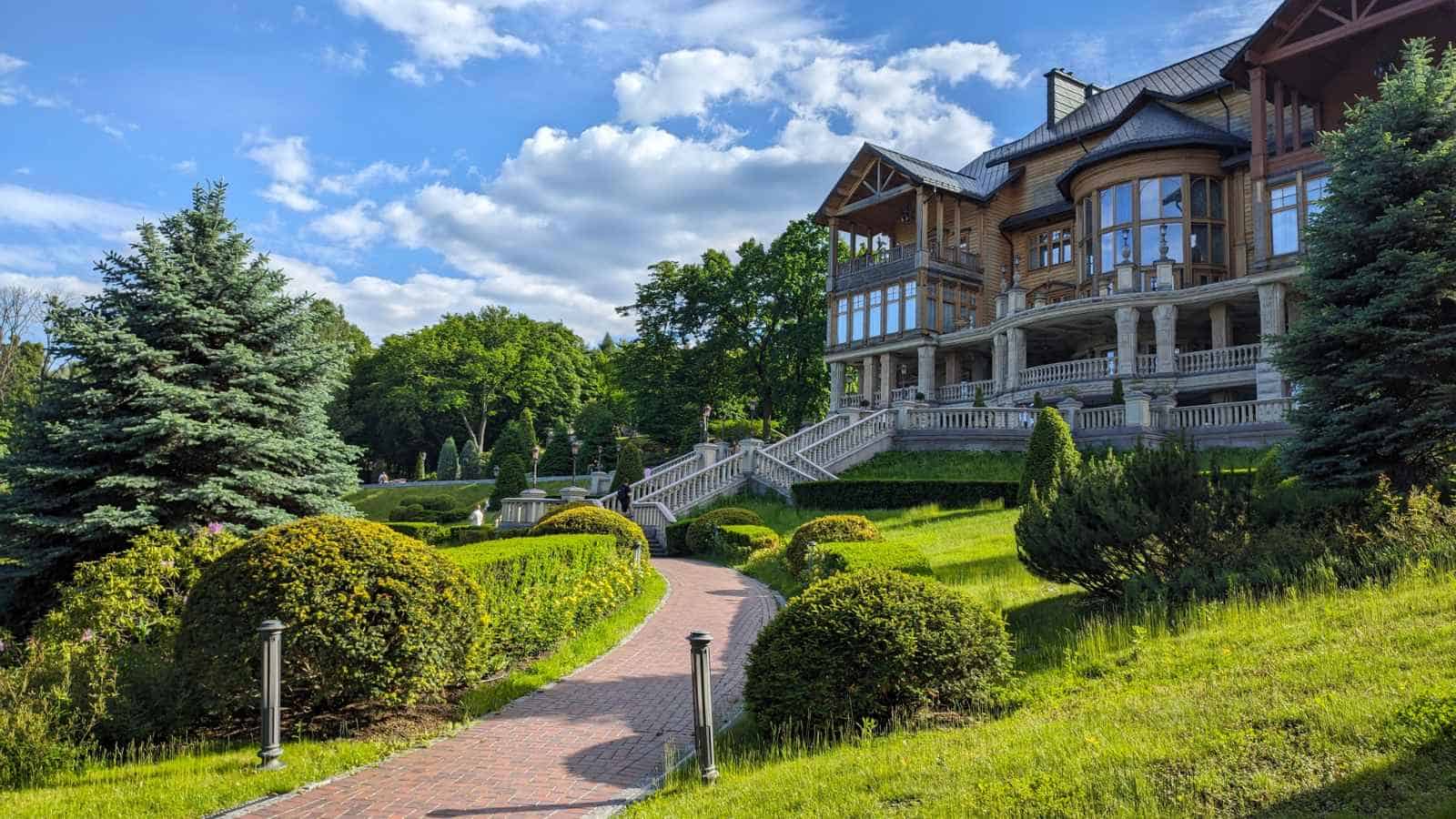
In expensive housing markets, some owners and investors may choose to leave properties vacant while waiting for prices to increase. Others may decide that renting the home is not worth the cost of repairs, maintenance, property taxes, insurance, or the challenges that can come with managing tenants.
Data from the National Mortgage Professional suggests that about 63% of unoccupied houses in the U.S. are owned by investors, showing that a significant share of vacant properties may be connected to investment activity rather than simple neglect.
For communities facing high rents and limited housing options, this can create frustration. A home may sit empty for months or even years while nearby residents struggle to find places they can afford.
Key Takeaways

America’s vacant home problem is not as simple as it looks. Millions of empty properties exist, but many are not ready, affordable, or located where people need housing most. A vacant house in a struggling rural area does not solve a shortage in a high-cost city, and a damaged property cannot become a home without major repairs, funding, and time.
The biggest lesson is that vacancy numbers alone do not tell the full story. Some homes are empty because they are seasonal properties, waiting for new owners, tied up in legal issues, or part of financial decisions by owners. At the same time, families facing high rents, expensive mortgages, and homelessness often need housing that is available, safe, affordable, and close to jobs and services.
The real challenge is turning empty spaces into usable homes. Fixing America’s housing crisis requires more than counting vacant buildings. It requires addressing repair costs, affordability, ownership barriers, neighborhood decline, and the mismatch between where homes sit and where people need them most. An empty house can be part of the solution, but only when the barriers keeping it empty are removed.
Disclaimer – This list is solely the author’s opinion based on research and publicly available information. It is not intended to be professional advice.
You May Also Like: 8 Backyard Features That Could Lower Property Value
Like our content? Be sure to follow us.