12 ways America’s shifting climate could affect heat, drought, and migration
Climate change can sound distant until it reaches your electricity bill, your grocery cart, or the temperature inside your bedroom at midnight. That is already happening across the United States. The National Oceanic and Atmospheric Administration found that the contiguous U.S. averaged 71.2°F in June 2025, which was 2.8°F above the 20th-century average and made it the seventh-warmest June in 131 years of records. During just four days that month, more than 100 million people across 726 counties experienced record-setting heat.
Heat is only part of the story. As of July 14, 2026, drought covered 38.88% of the United States and Puerto Rico and 46.47% of the Lower 48. Drought.gov estimated that 118.7 million people and 205.9 million acres of crops were experiencing drought conditions that week. Put those numbers together, and you get a clearer picture of what a shifting climate can mean in everyday life: longer hot seasons, tighter water supplies, more pressure on farms and growing questions about where people can afford to live safely.
Longer Heat Seasons
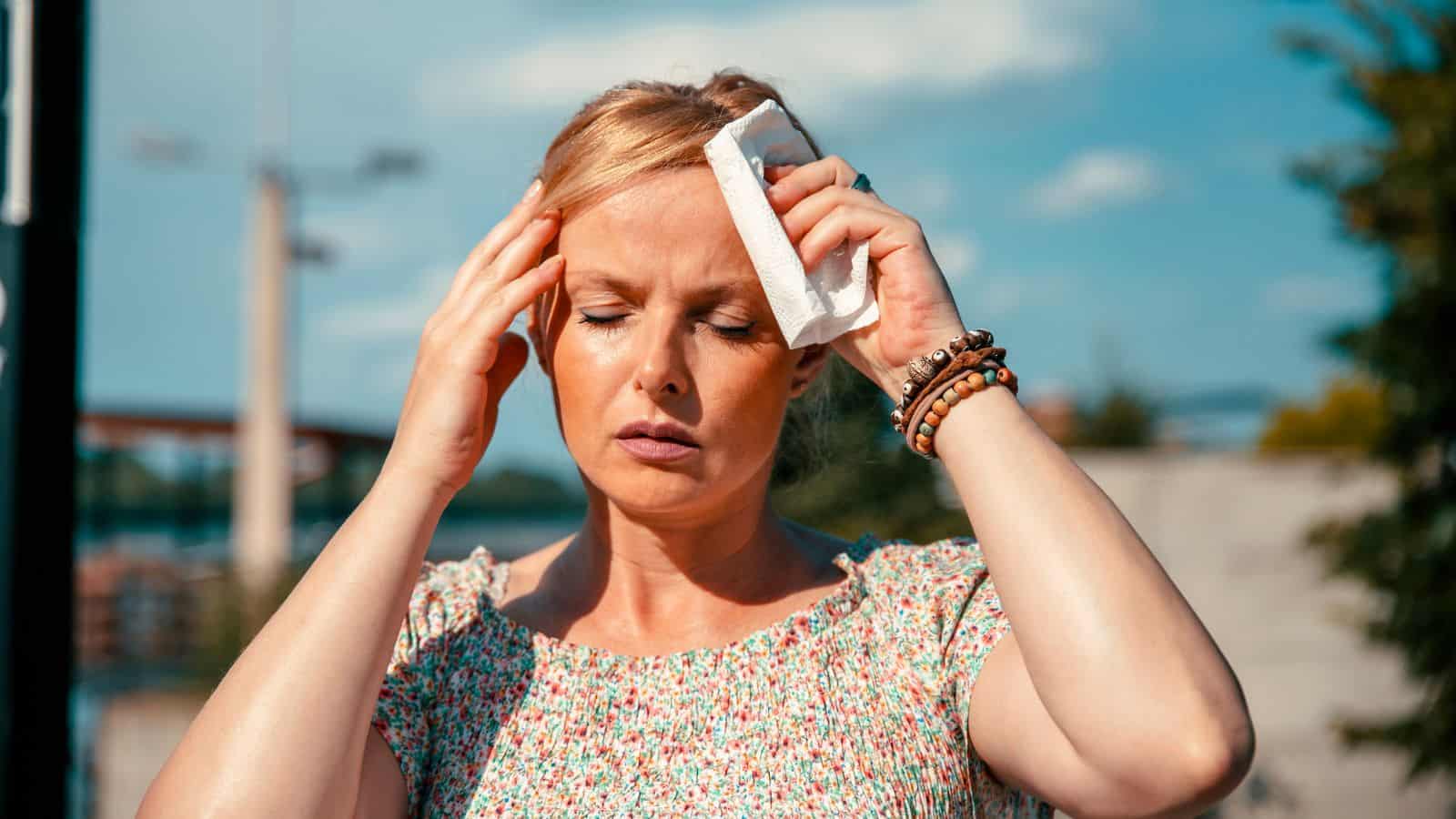
You may already feel as though summer arrives earlier and refuses to leave. The data suggests that feeling is not imaginary. Across 50 major U.S. cities, the average heat-wave season is now 49 days longer than it was during the 1960s, according to the Center for American Progress. Heat waves have also become more frequent, larger, and longer-lasting in recent decades.
A longer heat season changes more than vacation plans. Schools may need cooling earlier in the spring, construction crews may face dangerous conditions later into autumn, and families may run air conditioners for several extra weeks.
Even places that once relied on cool evenings or short summers may need to rethink building design, cooling centers, and emergency plans. The expense arrives gradually, one warmer month and one higher electricity bill at a time.
More Extreme Heat Events
A hotter average does not mean every day warms by the same small amount. It raises the odds of extreme days that jump far beyond what communities are used to handling. NOAA reported that more than 100 million people across 726 counties experienced record heat between June 22 and June 25, 2025.
That scale matters because extreme heat can disrupt an entire region at once. Hospitals see more heat illness, roads and rail lines absorb damaging temperatures, and employers must adjust outdoor schedules.
The Occupational Safety and Health Administration says heat can reduce fine motor performance, lower productivity, and lead to lost workdays, hospitalizations, or death. A heat wave is no longer just uncomfortable weather when millions of people are exposed at the same time. It becomes an economic and public-health event.
Higher Nighttime Risk

The most dangerous part of a heat wave may come after the sun goes down. The body depends on cooler nighttime temperatures to release the heat it has accumulated during the day. When bedrooms, apartments, and city streets remain hot until morning, that recovery period disappears.
NOAA’s June 2025 report offers a useful example. Rhode Island experienced its warmest June nighttime minimum temperatures on record, with overnight readings averaging 5.8°F above normal.
Several hot nights in a row can be especially hard on older adults, young children, people with heart disease, and anyone without reliable air conditioning. The danger builds quietly because a person may never get a genuine break from the heat.
Rising Electricity Demand
Air conditioning becomes less optional as temperatures climb. The U.S. Energy Information Administration says national electricity demand usually peaks in July or August as cooling use increases.
During the summer of 2024, hourly demand across the Lower 48 reached about 745 gigawatt-hours during a widespread period of above-average heat. When supply and demand fall out of balance, utilities may have to call for conservation or, in more serious cases, manage the risk of blackouts.
The real divide appears inside people’s homes. Census Bureau data shows that 13.2 million U.S. households reported being uncomfortably hot for at least 24 hours in 2023. Cooling-equipment failures affected millions, and 1.3 million households blamed utility interruptions or power outages.
Another 700,000 cited the cost of cooling. That means access to an air conditioner does not guarantee protection if the machine breaks, the power fails, or the bill becomes unaffordable.
Drought Pressure on Water

Drought is easy to think of as a Western problem involving desert reservoirs and shrinking snowpack. The July 14, 2026, drought map told a much broader story. Forty-five states had at least some area experiencing moderate drought or worse, and severe to exceptional drought appeared in regions stretching from California and Arizona to New York, Georgia and the Carolinas.
The U.S. Drought Monitor updates conditions every week using a five-level scale, beginning with abnormal dryness and ending with exceptional drought. That regular update matters because water problems can develop at different speeds.
Soil moisture may drop quickly, but rivers, reservoirs and groundwater can take much longer to recover. A few rainy days may improve lawns and crops without fully restoring the water systems that homes, farms and factories depend on.
Crop and Farm Losses
Heat and drought often arrive as a damaging pair. High temperatures pull moisture from plants and soils more quickly, increasing what scientists call evaporative demand. Crops may need more water at the exact moment that rivers, wells and irrigation systems have less to offer. Drought.gov reported that 205.0 million acres of U.S. crops were experiencing drought conditions during the week ending July 14, 2026.
The consequences travel well beyond the farm gate. Drought.gov identifies crop failure and pasture losses as the main direct agricultural costs, but the secondary effects can spread into food processing, fertilizer sales, transportation and farm labor.
Farmers may also pay more to pump groundwater, buy feed or haul water to livestock. When production falls across a major growing region, shoppers can eventually see the result in food availability and prices.
Stress on Rural Jobs
Imagine doing roofing, roadwork, or farm labor during a week of triple-digit heat. The job still has to get done, but the body cannot safely work at the same pace. OSHA recommends measures such as moving heavy work to the morning, shortening shifts, and providing frequent breaks, shade, and hydration. Those precautions protect workers, though they can also reduce the number of productive hours available during the hottest part of the year.
Federal labor data cited by OSHA recorded an annual average of 3,793 cases involving days away from work, restrictions, or transfers because of environmental heat between 2021 and 2024. The same period averaged 48 occupational heat fatalities each year, and OSHA says official totals likely understate the true scale of the problem.
In rural areas, drought can add another layer by reducing farm output and the amount of work available in harvesting, storage, processing and transport.
More Wildfire Conditions

Heat does not automatically start a wildfire, and climate is not the only factor that determines how destructive a fire becomes. Ignition sources, vegetation, land management and firefighting capacity all matter. Still, higher temperatures and drought can dry out soils and vegetation, creating conditions in which fires ignite more easily, spread more quickly and burn more intensely.
This risk does not stop at the edge of a forest. Smoke can travel hundreds or thousands of miles, exposing communities that are nowhere near the flames. Fires can also damage watersheds, interrupt transport, raise insurance costs, and force repeated evacuations.
The National Library of Medicine notes that the smoke and dusty conditions associated with drought can worsen asthma and other respiratory illnesses and increase the risk of infections such as bronchitis and pneumonia.
Shifting Where People Live

Most people do not describe themselves as climate migrants. They may say they moved because insurance became unaffordable, farm income disappeared, the water supply felt unreliable, or summer heat became unbearable.
Climate pressure often works through those practical decisions rather than through one dramatic moment. It changes the calculation about whether remaining in a community still makes financial or personal sense.
The World Bank’s Groundswell report projects that as many as 216 million people across six global regions could migrate within their own countries by 2050 under a pessimistic scenario. That is a global estimate, not a forecast for the United States, but it shows how water scarcity, falling crop productivity and declining livability can influence movement.
In the U.S., the Government Accountability Office has already examined relocation efforts in communities such as Newtok, Alaska, and Isle de Jean Charles, Louisiana, and concluded that more communities may need to consider relocation in the coming decades.
More Pressure on Housing Markets

Migration does not remove climate pressure. It often transfers part of that pressure to the place receiving new residents. A city seen as cooler, wetter, or safer may experience stronger demand for apartments, starter homes, schools, and public transportation. That growth can help local businesses and tax collections, but it can also push rents higher when homebuilding and infrastructure fail to keep up.
Housing quality will matter as much as location. Census data shows renters were more likely than homeowners to report that their homes became uncomfortably hot for 24 hours or more, at 13.6% compared with 8%. Apartments and manufactured homes also reported higher rates of indoor heat than single-family houses.
A household may leave one climate risk behind and still end up in poorly insulated housing with unreliable cooling in its new city.
Greater Public-Health Burden
Heat, drought, smoke, and water problems rarely remain in separate boxes. A drought can increase dust and wildfire risk, a wildfire can contaminate water, and a power outage during a heat wave can turn an uncomfortable apartment into a medical emergency.
CDC links hot days to more emergency visits and hospitalizations involving heat illness, heart and respiratory disease, asthma, diabetes, kidney problems, mental-health conditions, and workplace injuries.
Drought creates its own long list of health concerns. Reduced streamflow can concentrate pollutants, falling groundwater can threaten private wells, and poor crop yields can affect food prices and nutrition. CDC also warns of mental-health effects connected to job losses and financial strain in water-dependent communities.
That is why the agency now provides drought-duration, severity, and projection data to help public-health officials prepare before conditions become a crisis.
A Bigger Adaptation Gap

The harshest climate effects will not be shared evenly. A household with savings can replace a broken air conditioner, improve insulation, or move away from a high-risk area. A household living paycheck to paycheck may have to remain in the same hot apartment, keep working outdoors, and cut spending elsewhere to cover the electricity bill. Census researchers have estimated that almost one in four Americans are socially vulnerable and have low resilience to extreme heat exposure.
That gap is the thread connecting heat, drought and migration. Communities with modern water systems, shaded neighborhoods, dependable electricity and enough affordable housing will cope more successfully than places without those resources.
Reducing future warming remains important, but Americans are already dealing with conditions that require adaptation now. Investments in cooling, efficient homes, public health, water security, and worker protection could decide whether climate pressure remains manageable or becomes the reason more families feel they have no choice but to leave.
Disclaimer – This list is solely the author’s opinion based on research and publicly available information. It is not intended to be professional advice.
You May Also Like: Tropical Storm Bertha Threatens Gulf Coast With Flooded Roads, Power Outages and Dangerous Heat
Like our content? Be sure to follow us