10 things Americans do daily that would be socially unacceptable elsewhere
You might think flashing a friendly smile at a stranger or leaving a generous tip is universally polite, but travel quickly teaches us otherwise. I remember my first trip to Paris, where I confidently asked for a “doggy bag” at a bistro, only to receive a look of sheer confusion and mild horror from the waiter. It turns out that habits we consider second nature in the US often baffle, amuse, or even offend our global neighbors.
Cultural norms run deep. We operate on a specific frequency here in the States that doesn’t always align with the rest of the world. From our obsession with ice-cold beverages to our volume control in public spaces, American etiquette is distinct. I pulled together some eye-opening statistics and trends to show just how unique we really are. Let’s look at 10 daily American habits that get a major side-eye overseas.
Tipping 20 percent on everything

We automatically calculate an extra 20 percent at the end of every meal. I honestly feel a pang of guilt if I leave anything less than that. However, in countries like Japan or South Korea, tipping is not just unnecessary; locals often consider it an insult. They view good service as the standard, not something that requires a financial bonus.
The pressure to tip here is intensifying. A 2023 Bankrate survey found that 63 percent of Americans hold a negative view of tipping, specifically regarding the rise of digital payment prompts. We now see tip screens at self-checkout kiosks! IMO, that is getting a bit out of hand. In Europe, service charges usually cover the staff, so that extra cash stays in your pocket.
The Mandatory Small Talk

We love to fill the silence by asking the grocery store clerk how their day is going, but this friendliness can feel intrusive in cultures that value privacy. In many parts of Northern Europe, keeping to yourself in public spaces is considered polite, and unsolicited chatter with strangers is viewed with suspicion.
Trying to force a chat in a quiet checkout line can quickly mark you as an oblivious tourist.
Wearing Athleisure Everywhere

Running errands in yoga pants or sweatpants is a common American lifestyle choice, but in fashion-conscious cities like Milan or Paris, it is often seen as sloppy. Many cultures believe in presenting your best self whenever you leave the house, reserving gym clothes strictly for actual exercise rather than a trip to the coffee shop.
Walking around in spandex suggests you forgot to get dressed, rather than showcasing a commitment to fitness
Asking “what do you do?” immediately

I bet you ask this question within the first minute of meeting someone new. We define ourselves by our careers. Psychologists treat this as a distinct American trait where we conflate our professional output with our human value. We want to know someone’s “status” right away.
Europeans often find this question rude or dreadfully boring. They prefer to discuss hobbies, travel, or food before even touching on work. Americans average 8.4 hours of work each weekday, according to the Bureau of Labor Statistics, about 1,796 hours annually, more than workers in Germany (1,331 hours), Norway (1,407 hours), or the OECD average (1,736 hours), which explains why our jobs consume our identities. Next time you travel, try asking “What do you do for fun?” instead.
Taking leftovers home
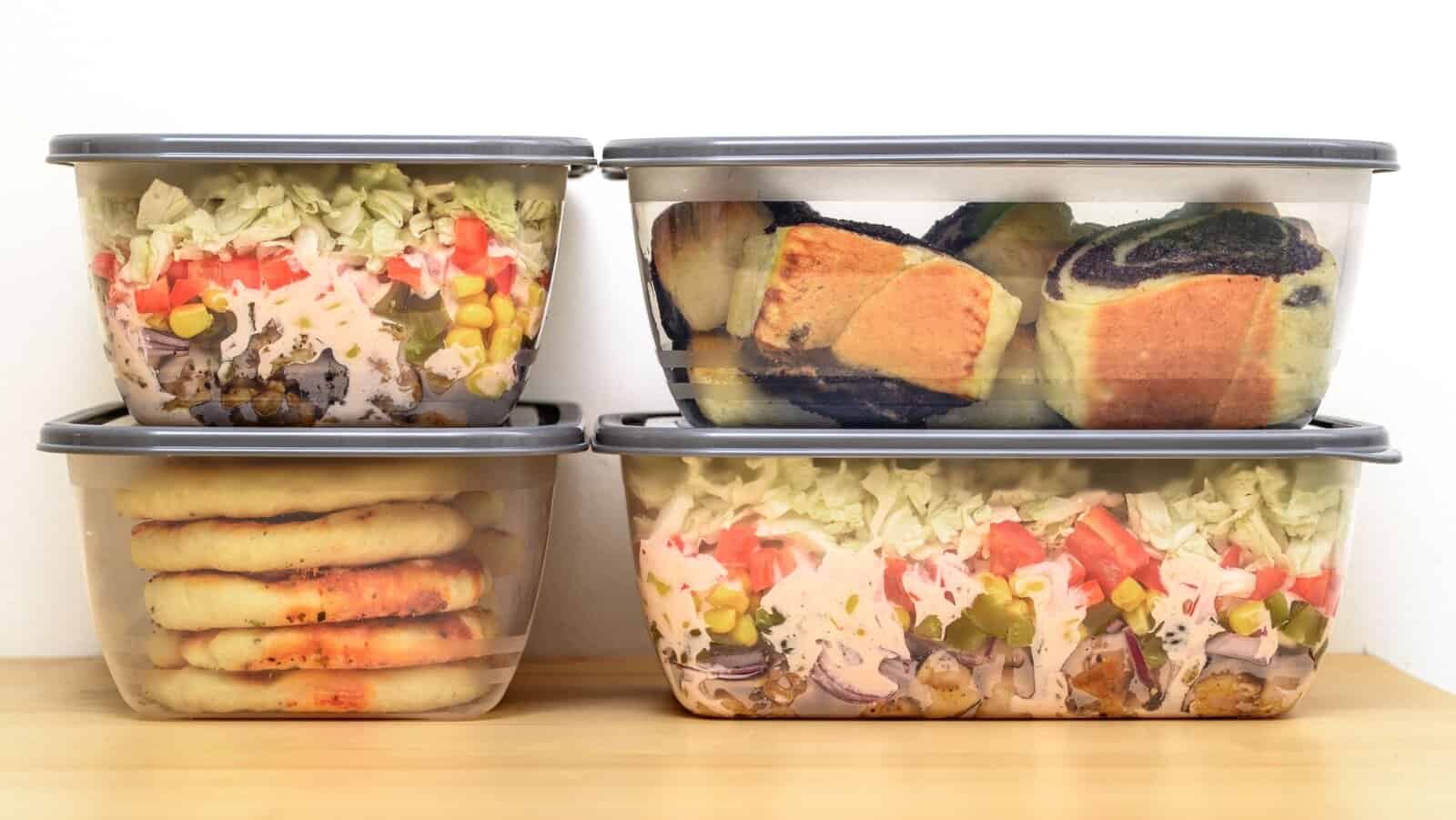
I love a good “doggy bag.” It serves as lunch for the next day! But in high-end dining cultures like France or Italy, asking to take your uneaten food home was traditionally seen as tacky. It implied the restaurant portions were too big or that you were stingy.
While food waste laws are slowly changing this mindset, the cultural stigma remains. The US creates about 40 million tons of food waste annually, so perhaps our obsession with saving that half-eaten burger is actually a virtue. Just don’t expect an enthusiastic response if you ask for a box at a Parisian Michelin-star spot.
Being Loud In Public Spaces

Americans are often oblivious to their own volume, cheerfully broadcasting conversations in restaurants or on public transit. This boisterous energy clashes with the unspoken rules of hushed tones observed on trains in Tokyo or in quiet cafes across Scandinavia, where disturbing the peace is a major faux pas.
Raising your voice to be heard over a crowd is normal here, but elsewhere it disrupts the respectful atmosphere locals cherish.
Driving For Short Distances

We drive everywhere. I am guilty of driving to a convenience store that is a 10-minute walk away. Our cities prioritize cars over pedestrians. In contrast, Europeans walk or cycle for daily errands. They view our car dependence as lazy and environmentally disastrous.
The Department of Energy reports that 52% of all trips (across all transportation modes) were less than 3 miles in 2021. We fire up a two-ton machine to move one person a few blocks. Ever wondered why our cities sprawl so much? It is because we design them for tires, not feet.
Demanding Ice In Every Drink

If you order water in a US restaurant, it comes filled to the brim with ice. We want our sodas, water, and even coffee freezing cold. FYI, most Europeans serve water at room temperature. They believe ice dilutes the drink’s flavor and harms digestion.
This is a deeply ingrained American preference. Historians trace this back to the 19th-century ice trade, where status meant having access to frozen water. A Bosch study found that over half of Americans (51%) self-identify as “ice obsessed,” with individuals consuming up to 116 glasses of ice per month or nearly 36 pounds, adding up to over 400 pounds of ice per year.
Expecting Free Refills

When I finish a soda, I expect the server to top it off for free. It is the golden rule of American dining. But in France, they actually banned the sale of unlimited sugary drinks in public places to fight obesity. In most of the world, you pay for every single bottle or glass you consume.
We consume sugar at alarming rates. The average American consumes about 17 teaspoons of added sugar daily, well above the recommended limits. Those bottomless sodas contribute heavily to this stat. The concept of “unlimited” anything is very American, but it confuses restaurant owners abroad who have to pay for that inventory.
The Constant Smiling

We smile at everyone. We smile when we make eye contact on the street, when we enter a store, or when we accidentally bump into someone. We view it as friendly and disarming. In Russia or parts of Scandinavia, people view this as suspicious or even a sign of lower intelligence.
Cultural researchers call this the “Peach vs. Coconut” theory. Americans are peaches: soft and sweet on the outside (smiles, small talk) but hard to truly get to know on the inside. Others are coconuts: hard shells at first, but sweet once you break through. Studies suggest that countries with higher historical immigration levels, such as the US, have developed nonverbal cues to overcome language barriers.
Key Takeaways
Recognizing that our daily American habits, such as tipping generously or smiling at strangers, are not universally accepted is crucial for becoming a more respectful global citizen.
These behaviors, while completely normal at home, can often lead to awkward misunderstandings or even offense when we travel to cultures with different social rules. Ultimately, being aware of these nuances allows us to navigate the world with greater empathy and ensures we leave a positive impression wherever we go.
Disclosure line: This article was developed with the assistance of AI and was subsequently reviewed, revised, and approved by our editorial team.
20 of the Worst American Tourist Attractions, Ranked in Order

20 of the Worst American Tourist Attractions, Ranked in Order
If you’ve found yourself here, it’s likely because you’re on a noble quest for the worst of the worst—the crème de la crème of the most underwhelming and downright disappointing tourist traps America offers. Maybe you’re looking to avoid common pitfalls, or perhaps just a connoisseur of the hilariously bad.
Whatever the reason, here is a list that’s sure to entertain, if not educate. Hold onto the hats and explore the ranking, in sequential order, of the 20 worst American tourist attractions.
10 Cheapest Countries To Visit and Have a Great Time

10 Cheapest Countries To Visit and Have a Great Time
Without sugarcoating, traveling can be expensive, but that doesn’t always have to be the case. Various factors could influence how much you spend when on the move, but many expert travelers believe your choice of destination may determine how much you should be budgeting.
If you are looking for a lush, less dollar-gulping country with all the perks of unforgettable adventure, this list promises to hand you the fullness of your dream vacation without you first going broke.