10 things Americans hardly question
The most powerful beliefs in America aren’t written into law or textbooks, but quietly absorbed until they feel as natural as breathing.
The United States often feels like a giant movie set where everyone knows the script except for the visitors. The daily habits and social rules here are followed with such precision that nobody seems to stop and ask why they exist in the first place. It is fascinating to watch how millions of people collectively agree on certain norms that might seem baffling to the rest of the world. The commitment to these unwritten rules is awe-inspiring to witness.
While some of these quirks are charming and welcoming, others can feel quite intense or confusing for someone who did not grow up pledging allegiance to a flag. These deeply ingrained beliefs shape everything from how people eat and work to how they interact with strangers on the street. Here is a look at the things Americans rarely seem to question.
The Pledge Of Allegiance
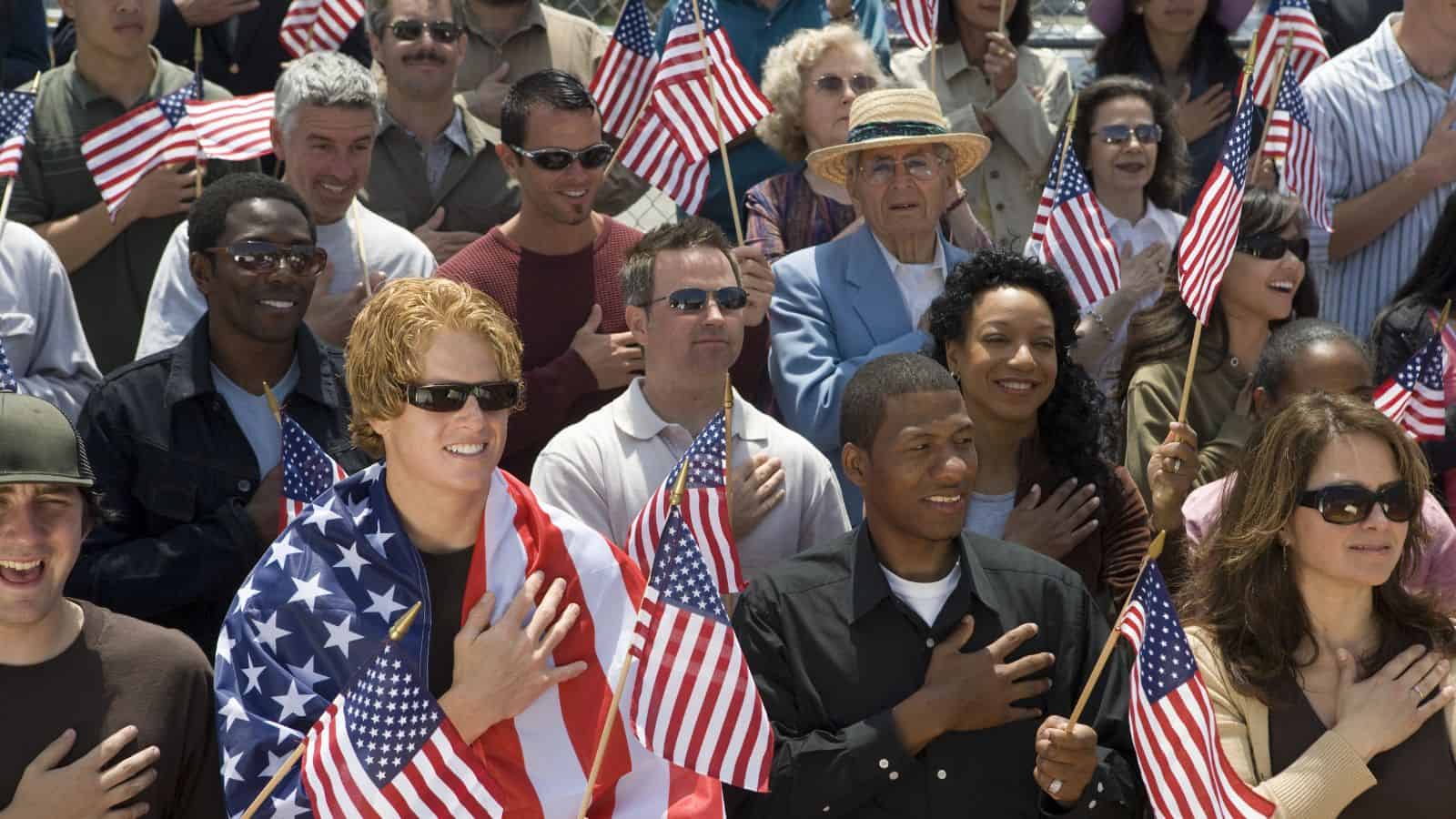
Seeing children stand up every morning to recite a loyalty oath to a flag is a very surreal experience for a foreigner. It looks like a ritual from a history book, yet it is a standard start to the school day across the entire nation. Most kids mumble through the words without really thinking about what they are promising.
This early lesson in patriotism sticks with people and fosters a deep love for national symbols. It instills a strong sense of unity and identity, even if the method seems a bit rigid to outsiders. Americans rarely question this tradition, viewing it as a harmless and essential part of growing up.
The Mandatory Tipping Culture

The idea of paying an employee’s wages directly from your own pocket at the end of a meal baffles many international visitors. It feels strange that a restaurant owner is not entirely responsible for ensuring their staff can pay rent, yet diners accept this math problem at the end of every dinner. If you decide not to tip, you are viewed as the villain of the story rather than a customer who bought a sandwich.
This pressure has only increased in recent years, expanding to coffee shops and takeout counters where service is minimal. 72% of U.S. adults say tipping is expected in more places today than it was five years ago. Americans might grumble about the tablet screen asking for 20%, but they almost always press the button anyway because the guilt is too intense to ignore.
The Obsession With Perfect Teeth

In many parts of the world, teeth are simply functional tools for eating, but in the States, they are a status symbol that must be blindingly white. There is an unspoken rule here that a crooked smile is a problem that needs to be fixed immediately with expensive hardware. Parents will spend thousands of dollars to straighten their children’s teeth before they even finish high school.
This aesthetic standard is so high that it often catches foreigners off guard when they realize their natural smiles might be judged. Americans usually equate straight, white teeth with personal hygiene and success, creating a massive industry centered on cosmetic dentistry. It is rare to see a public figure or news anchor here without a smile that looks as if it were manufactured in a laboratory.
The Standard Work Week

The hustle culture in America is intense, and taking a month-long holiday is almost unheard of in most industries. Employees often wear their exhaustion like a badge of honor, competing to see who stayed the latest at the office or answered emails on the weekend. The idea of resting is frequently viewed as laziness rather than a necessary human function.
While the rest of the world shuts down for weeks in the summer, the American workforce keeps grinding away with very little time off. Data from Gallup show that the average full-time employee in the U.S. reports working 42.9 hours per week, well above the traditional 40-hour standard. Most people here accept that their jobs will consume most of their waking hours until they retire.
The dominance Of The Automobile

Walking to the grocery store is a foreign concept in most American towns, where urban design caters almost exclusively to drivers. You can often drive for miles without seeing a sidewalk, forcing everyone to own a car to participate in society. Suggesting that a city be built for pedestrians usually meets with confusion or resistance from locals who love their vehicles.
The reliance on personal transport is not just a preference but a statistical reality that shapes the entire infrastructure. Forbes reports that about 91.7% of American households have access to at least one vehicle. Life without a car here is tough, yet few people question why their cities were built this way.
The Constant Optimism

Americans are taught to be relentlessly positive, often answering “How are you?” with “Great!” even when their lives are falling apart. This social script keeps interactions smooth and pleasant, but it can feel superficial to those used to more honest complaining. If you say you are having a terrible day, you might see panic cross the other person’s face.
This cheerfulness is a default setting that helps grease the wheels of daily commerce and social interaction. It creates a friendly atmosphere where strangers smile at you on the street, which is admittedly quite lovely once you get used to it. However, the pressure to always project happiness can sometimes mask what people are actually feeling inside.
The Cost Of Higher Education

Taking on a mortgage-sized loan to get a degree is a rite of passage that most young Americans accept with a heavy sigh. It is normalized to start your adult life with a massive financial anchor dragging behind you for decades. The belief is that the degree is worth any price, no matter how long it takes to pay back the bank.
The numbers involved in this system are staggering and would cause riots in countries where education is heavily subsidized. The Education Data Initiative reports that the average federal student loan debt balance is $39,075 per borrower. Despite the crushing weight of this debt, the conveyor belt from high school to expensive university continues without pausing.
The Free Refill And Portion Sizes

The amount of food served in American restaurants is enough to feed a small family, yet it is served on a single plate for one person. To leave a restaurant without a box of leftovers is rare, as the value of a meal is often judged by its sheer volume. The concept of “unlimited” anything is a powerful marketing tool that works like a charm every time.
Then there is the sugar, which flows freely from soda fountains that never run dry. In a study by John Hopkins Bloomberg School of Public Health, researchers found that over half of the calories purchased by U.S. households come from ultra-processed foods. The expectation that your cup should never be empty is a distinctly American luxury that few stop to think about.
The Complexity Of Healthcare Bills

Going to the doctor in the U.S. involves a confusing dance of insurance cards, co-pays, and surprise mail months later. People here accept that they might have to spend hours on the phone to understand why they were charged for a routine check-up. The system is tough to understand, yet it is just part of the background noise of living here.
The financial burden of staying healthy is significantly higher here than in other wealthy nations. According to the Centers for Medicare & Medicaid Services, U.S. health care spending grew to nearly 17.3% of the nation’s Gross Domestic Product in 2022. It is a system where getting sick can be a financial disaster, a risk that Americans live with every day.
The Love For Air Conditioning

Walking into an American building in the middle of July often requires a sweater because the air conditioning is set to arctic levels. There is a cultural belief that nature must be conquered and that indoor temperatures should remain a crisp 68 degrees year-round. You will see people shivering in movie theaters while it is blazing hot outside.
This addiction to climate control uses a massive amount of energy, but comfort is the priority above all else. It is considered a basic necessity rather than a luxury, and a broken AC unit is treated as a dire emergency. The quiet hum of the cooling vents is the soundtrack to American summer life.
15 Things Women Only Do With the Men They Love

The 15 Things Women Only Do With the Men They Love
Love is a complex, beautiful emotion that inspires profound behaviors. We express our love in various ways, some universal and others unique to each individual. Among these expressions, there are specific actions women often reserve for the men they deeply love.
This piece explores 15 unique gestures women make when they’re in love. From tiny, almost invisible actions to grand declarations, each tells a story of deep affection and unwavering commitment.