12 Popular Trends Gen Z Embraces, While Boomers Disagree
Okay, let’s be real: there’s no denying it. Gen Z and Baby Boomers live in completely different worlds. I mean, Statista analysis shows that U.S. adults aged 18–24 spent about 186 minutes per day on social media, while Boomers are still figuring out how to update their Facebook profile picture. It’s not just a difference in how they use technology; it’s a difference in values, lifestyle choices, and how each generation approaches the world.
Have you ever caught yourself thinking, “Why on earth can’t Boomers understand why Gen Z spends hours on TikTok?” Or maybe Gen Z has that confused look when Boomers start raving about their undying love for physical bank visits? The generational divide is real, and it’s not just about technology; there are bigger differences in how these two groups live, work, and even see the world.
Let’s look into 12 trends where Gen Z is in the driver’s seat, while Boomers are still clinging to their good old ways.
Social Media Addiction vs. Casual Browsing
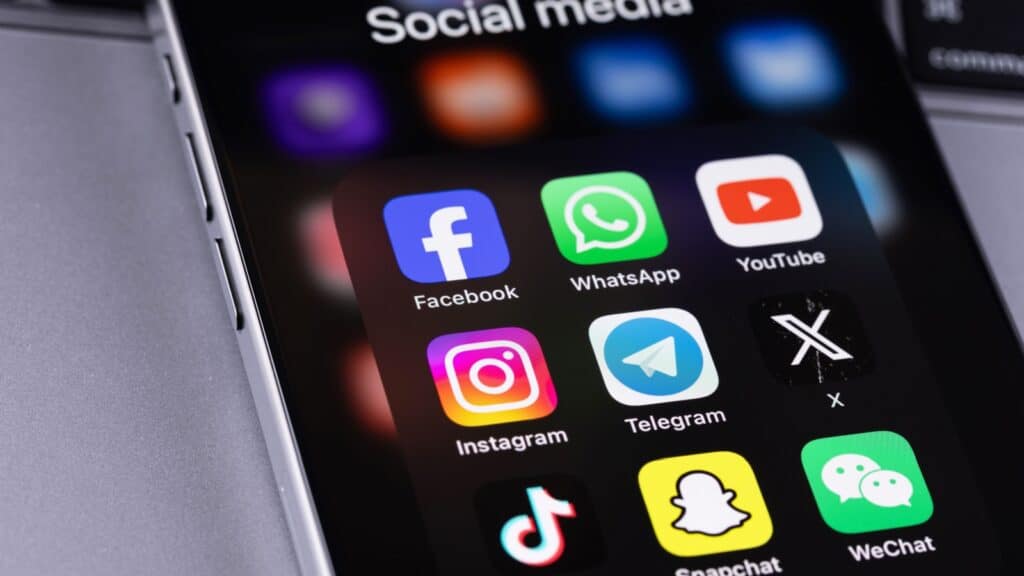
Ever wonder why Gen Z can’t seem to put their phones down? It’s because they live on social media. Seriously, Statista analysis shows that U.S. adults aged 18–24 spent about 186 minutes per day on social media. FYI, which is kinda insane, but also, who’s counting?
Boomers, on the other hand, aren’t quite as attached to their screens. Sure, they use Facebook and WhatsApp, but their social media engagement? Nowhere near Gen Z’s level. They might check in for 90 minutes on Facebook, but they’re not spending their lives watching TikTok dance challenges or meme compilations.
Side Hustles vs. 9-to-5 Stability

Here’s the thing about Gen Z: They’ve got side hustles. Tons of them. It’s basically a way of life. If it’s starting a YouTube channel, selling on Etsy, or even trading crypto, most of them have a side gig. They’re hustling for that extra income and independence, and IMO, that’s smart. Honestly, don’t be surprised that their side hustle is probably more profitable than their main gig?
Meanwhile, Boomers are still loyal to the 9-to-5 grind. They built their careers in a time when a single employer would take care of you, and side hustles weren’t even a thing. They’ve likely stayed in the same job for 10+ years, a stark contrast to Gen Z’s approach to career stability.
Digital Wallets vs. Cash & Card
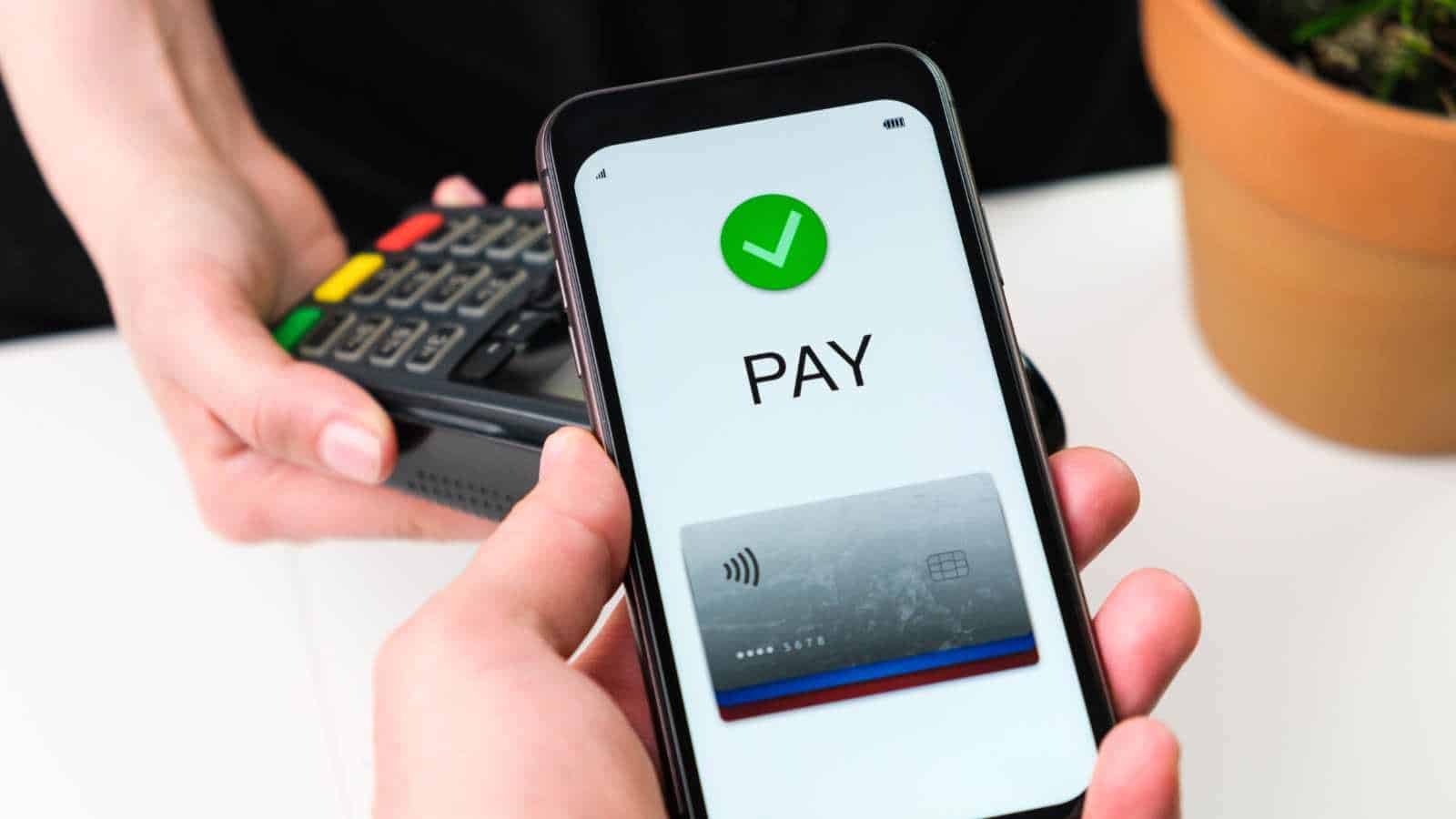
Gen Z is fully embracing digital payments. 85% of them use mobile wallets (Apple Pay, Google Pay, Venmo, or other services that don’t involve physical money). They’ve got their phones, and that’s all they need to make payments. It’s like they’ve cracked the code to financial convenience.
But, oh, Boomers? They love that old-school face-to-face banking relationship, often opting for in-person visits to the bank or paying in cash. Yep, most Boomers want their banks to have physical branches. Meanwhile, Gen Z doesn’t even remember a world without mobile banking apps.
Also on MSN: Things boomers do without asking anyone’s permission
Remote & Hybrid Work = Non-Negotiable

Let’s talk remote work. Gen Z, those who grew up during the pandemic (aka the time we all learned to work from our beds), expects flexibility in their work setups. 63% of them say they prefer hybrid or remote options, according to a Forbes report. Work-life balance? You better believe it’s a top priority.
Boomers, on the other hand, love the structure of an office environment. For many, it’s the norm. They often prefer face-to-face interaction, and working from home, not so much. Only a small number of Boomers even want remote work.
I mean, Gen Z would rather attend a virtual meeting while doing yoga than sit in traffic for an office job. Can you blame them?
Gender and Sexual Minorities Rights: Progressive vs. Traditional Views

This one digs a little deeper into generational differences. Gen Z is leading the charge for the rights of gender and sexual minorities, pushing for workplace equality, inclusive policies, and broader social acceptance. They’re all about embracing diversity, inclusivity, and standing up for equal rights across the board.
As for Boomers? While many have grown more accepting over the years, they were raised in a time when issues surrounding gender identity and sexual orientation weren’t openly discussed. For some, it’s a difficult shift. Boomers tend to hold more traditional values and are slower to fully support initiatives like transgender rights or corporate equality policies. I guess they’re still trying to wrap their heads around why everyone’s sharing a “pride” flag on their Facebook pages.
Cancel Culture vs. Forgiveness

When it comes to holding people accountable, Gen Z has no hesitation. They’ve embraced cancel culture, using social media to call out brands and influencers whose values don’t align with theirs. If a company or person crosses the line, they are quick to boycott, making sure their voice is heard and their ethical standards are upheld.
In contrast, Boomers are more inclined to offer forgiveness. They believe in second chances and are more likely to give someone or a company the benefit of the doubt. Their perspective often revolves around the idea that “everyone makes mistakes”, and they’re less inclined to demand immediate consequences.
Cancel culture? Yeah, it’s a thing. And FYI, Boomers don’t totally get it.
Mental Health Awareness: Open Talk vs. Stigma

Named the “Anxious Generation,” Gen Z is facing an unprecedented mental-health crisis. With 42% of Gen Z struggling with depression, according to Metropolitan State University of Denver, this generation has been open about the pressures they face. But the good news is 87% feel comfortable discussing mental health, and over 60% are open about sharing their struggles. This is a massive shift compared to previous generations, where mental health was often a taboo subject.
On the other side, mental health was something you didn’t talk about. Seeking therapy used to be seen as a weakness, and it took years (and maybe decades) to normalize the concept of mental wellness. Only a few have received therapy, and many still think it’s a bit “out there.” It’s like Boomers still think therapy is only for people who can’t “get it together.”
Entrepreneurship: Building a Business vs. Working for One

The biggest generational gap may be economic. For many Gen Zers, entrepreneurship is the ideal path: more than half want to start their own business, often as creators, freelancers, or online founders. They’re less interested in “getting a job” and more interested in building something of their own, and with social platforms, e‑commerce tools, and creator monetization at their fingertips, it actually feels possible.
Boomers, by contrast, came of age in an era where success meant climbing the corporate ladder, staying with one employer for years, and proving yourself through loyalty and stability. Starting a business was the risky exception, not the default plan.
So while Gen Z is out here filing LLCs before they’re 25, many Boomers are looking at them like, “You’re already starting a company? Slow down.”
Sustainability: Eco-Warriors vs. Practicality

Gen Z is all about the planet. They demand eco-friendly products and are willing to pay a premium for them. Over 70% of Gen Z shoppers are willing to spend more on brands that are environmentally responsible, inclusive, and transparent about their business practices, as Deca Direct highlights.
Boomers, on the other hand, grew up during a time when being frugal was the norm, so many already practice sustainability without the fancy label. However, they might not prioritize it as much in their purchases, and honestly? They’re not jumping on the “save the planet” bandwagon just yet.
Gen Z is all like, “Save the Earth,” while Boomers are like, “Well, I’m already reusing Tupperware from 1992.”
Streaming: Cord-Cutting vs. Cable Watching
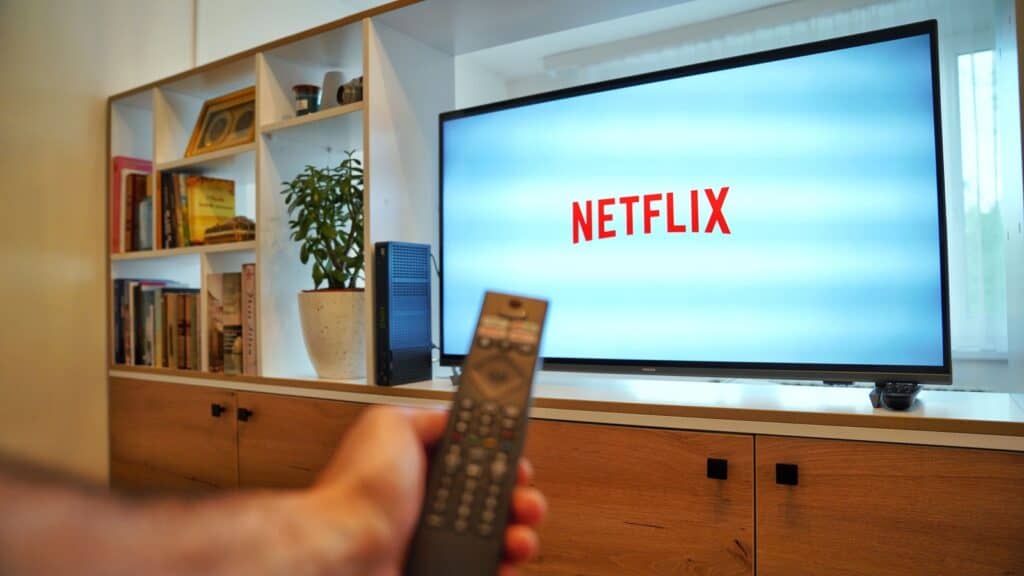
The media landscape has undergone a generational revolution, with traditional cable and satellite television collapsing among younger demographics. Gen Z doesn’t know life without streaming. They’ve cut the cord completely, preferring platforms like YouTube, Netflix, and TikTok for their entertainment. In fact, most of them have never had cable TV.
Boomers, however, are still clinging to cable TV like it’s their lifeline. Traditional TV shows, scheduled programming, and maybe even a DVD player if they’re feeling nostalgic. Gen Z would rather live on streaming platforms than watch a single show on cable. No more commercial breaks, thank you.
Influencer Marketing: Trusting Peers vs. Corporate Ads

Who would you trust more, an influencer who shares their skincare routine or a generic ad? Gen Z trusts influencers, hands down. According to Morning Consult, 88% of Gen Z adults follow at least one influencer on social media, and nearly one in four (22%) follow more than 50. They turn to content creators for recommendations on everything from fashion to health products. It’s like having your own personal recommendation engine.
Boomers, however, are more likely to trust TV ads or print media. They grew up with the classics: brands on TV with a big-name spokesperson. They value legitimacy, not likes and followers. You gotta love the influencer era, but hey, Boomers still think a commercial with a catchy jingle is where it’s at.
Plant-Based Protein as Ideology vs. Meat as Tradition

Gen Z is driven by a mix of health consciousness, environmental awareness, and beliefs about animal welfare. About 70% of Gen Z shows interest in incorporating more plant-based protein into their diets. For them, choosing plant-based options isn’t just about food; it’s a personal statement about health, sustainable living, and ethical consumption. If it’s opting for Beyond Meat burgers or tofu stir-fries, plant-based eating reflects a deep-seated set of values.
Raised in a world where a proper meal revolved around beef, chicken, or pork, Boomers associate protein with traditional animal-based sources. Plant-based options aren’t seen as a first choice but rather as something you eat if you’re on a restricted diet or financially constrained. To them, traditional animal proteins represent stability, nutrition, and a long-standing connection to their cultural food heritage.
Key Takeaways

The divide between Gen Z and Boomers extends far beyond just technology. Gen Z prioritizes flexibility, digital payment methods, and social media to shape their lives and careers, while Boomers still value traditional work structures, in-person interactions, and physical transactions. This shift highlights a clear generational preference for digital-first solutions versus conventional approaches to work and socializing.
When it comes to values, Gen Z is leading the charge on issues like social justice, LGBTQ+ rights, and mental health awareness, advocating for a more progressive world. Boomers, raised with more traditional values, often struggle to keep pace with these cultural shifts, even though many support equality. This generational gap represents a broader transition from conservatism to progressivism on societal issues.
Despite these differences, both generations bring something valuable to the table. Gen Z is reshaping the world through entrepreneurship and social consciousness, while Boomers offer stability, experience, and wisdom. Together, they can contribute to a better, more inclusive society, as long as the challenge of finding common ground is embraced.
Disclosure line: This article was developed with the assistance of AI and was subsequently reviewed, revised, and approved by our editorial team.
7 Morning Rituals Women Swear By for More Energy and Confidence

7 Morning Rituals Women Swear By for More Energy and Confidence
Morning rituals don’t have to be complicated. A glass of water, a quick stretch, five minutes with your journal — these small things stack up to create significant change. Women who build these habits aren’t just “morning people”; they’re people who decided to take charge of their first hour of the day.
Coffee and Kidney Health: Risks, Benefits, and What Studies Say

Coffee and Kidney Health: Risks, Benefits, and What Studies Say
The evidence shows that moderate coffee consumption is safe and may even protect kidney health. Problems arise from excessive caffeine, inadequate hydration, and the presence of sugary additives.