12 Traditions Boomers Keep That Actually Make Sense
If you ask most Baby Boomers about their traditions, they’ll likely tell you about family dinners, handwritten notes, and spending quality time with loved ones.
But these aren’t just habits; they’re practices that have helped them build strong bonds, stay grounded, and navigate life’s ups and downs. In a world where everything seems to change at lightning speed, the question is: do these time-honored traditions still have relevance today?
For example, a report from the Family Meals Movement states that families who share regular meals have stronger communication and greater emotional well-being, especially when meals are tech-free. And the truth is, some of these traditions are more than just sentimental; they offer real, measurable benefits that we could all use a little more of. So, let’s look at 12 Boomer traditions that still make perfect sense today.
Sunday Family Dinners

For Baby Boomers, Sunday dinners weren’t just about food; they were a ritual that brought families together. In many households, this weekly gathering became a sacred time to unplug, reconnect, and share experiences without distractions. Research backs this up: a report from the Family Meals Movement states that families who share regular meals have stronger communication and greater emotional well-being, especially when meals are tech-free.
This tradition also encourages healthier eating habits. Families who eat together are more likely to make nutritious food choices and avoid unhealthy processed foods. In a world where convenience often takes precedence over quality, Sunday dinners offer a chance to slow down, nourish the body, and nurture relationships. So, the next time you think about skipping family dinner, remember that it’s more than just food—it’s about creating a bond that lasts.
Writing Handwritten Notes and Letters

In today’s digital world, sending a text or email is the go-to form of communication. Yet, Baby Boomers often hold on to the tradition of writing handwritten notes and letters. Why? These tangible forms of communication carry more emotional weight and show a level of thoughtfulness that digital messages can’t match. A report published by PubMed Central found that handwriting is perceived as more personal and boosts memory retention.
This tradition also holds cognitive benefits. When you put pen to paper, you’re engaging both your brain and your emotions in a way that typing on a keyboard doesn’t. So, before you send that text, consider taking a moment to handwrite a note; it could create a deeper connection and even boost your own mental clarity.
Saving and Collecting Physical Photos

In the age of digital photography, Baby Boomers continue to value the tradition of collecting and preserving physical photos. These tangible images do more than capture moments; they serve as lasting connections to the past. There’s something about holding a photo in your hands that evokes nostalgia and can even help you recall memories more vividly.
Moreover, physical photos create a lasting legacy. They offer a way to preserve family history that digital images may not always guarantee. Unlike digital files, which can be lost or corrupted, physical photo albums offer a more reliable way to pass down family stories and milestones to future generations.
Maintaining a Physical Address Book

In an age where we store our contacts digitally, it might seem like an old-fashioned practice to keep a physical address book. Yet, Baby Boomers have kept this tradition alive, and it’s one that makes sense when you think about it. Writing requires more cognitive effort than just reading or silently rehearsing, which deepens processing and strengthens memory traces, a phenomenon often called the “encoding effect.”
A physical address book acts as a backup in case of technological failure, ensuring you never lose touch with those who matter. While your phone might be the first place you go for contact info, keeping a backup in an address book is a reliable and smart habit to adopt.
Gardening and Growing Your Own Food
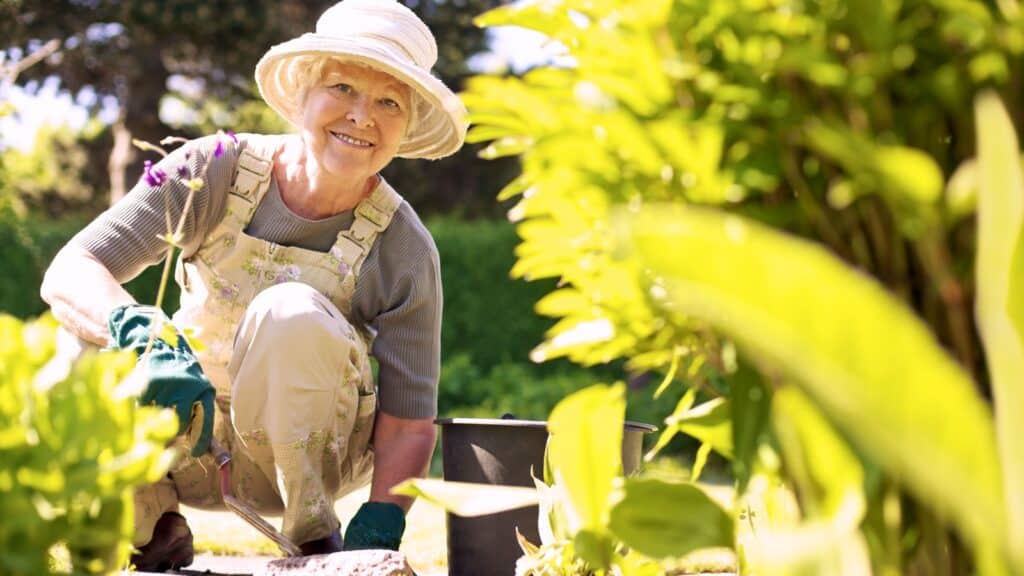
Boomers have long embraced gardening, and it’s a tradition that’s gaining popularity again. Growing your own food offers numerous benefits—both for your health and the environment. The University of Florida states that gardening is associated with reduced stress, increased physical activity, and improved mental health. It’s a rewarding hobby that encourages outdoor time, which has been shown to boost mood and well-being.
In addition to health benefits, gardening also promotes sustainability. Some households grow some of their own food, reducing their reliance on store-bought produce. By cultivating your own fruits, vegetables, and herbs, you not only eat healthier but also contribute to a more sustainable lifestyle. Gardening is a simple yet powerful tradition that enhances both personal and environmental health.
Prioritizing Saving and Financial Planning

Financial planning is a cornerstone of the Boomer lifestyle. Many Baby Boomers are known for their careful saving and prudent financial decisions, which help ensure a secure retirement. A CNBC report states that 40% of Boomers are financially on track for retirement. This long-term mindset provides stability and peace of mind as they approach retirement age.
Moreover, Boomers’ approach to financial planning is proving valuable in today’s uncertain economic climate. Families who plan and save consistently are more likely to weather economic downturns without major stress. If you’ve yet to start saving, there’s no better time than now to adopt this Boomer tradition; your future self will thank you.
Handing Down Heirlooms and Family Treasures

Passing down family heirlooms is a tradition that many Baby Boomers hold dear, and it’s not just about keeping physical objects. These items carry deep sentimental value and play a vital role in preserving your family’s history. When you pass down a cherished heirloom, you ensure that your family stories continue to be told and remembered for generations.
These treasures come with memories, wisdom, and a strong connection to the past that you can pass on to future generations. They help create a bond within your family, strengthening your sense of identity and belonging. So, the next time you hold an heirloom in your hands, remember—it’s more than just an object; it’s a meaningful piece of your family’s legacy.
Preparing for Holidays Well in Advance

Many Baby Boomers are known for preparing for the holidays well in advance, which reduces stress and increases enjoyment. Mental Health Center notes that people who plan in advance experience lower levels of anxiety and greater overall satisfaction. By avoiding last-minute panic, Boomers create a more meaningful holiday experience focused on connection rather than chaos.
Planning ahead also means more thoughtful gift-giving and better time management. According to the National Retail Federation’s Holiday Survey, most shoppers who begin planning early report feeling less stressed and more prepared, making the season more enjoyable.” So, if you find yourself scrambling at the last minute, consider taking a page from the Boomer playbook. Early preparation can make all the difference.
Respecting Elders and Showing Gratitude

For Boomers, respecting elders and showing gratitude are core values that shape their interactions with elders. This tradition promotes kindness, empathy, and strong social bonds, qualities that are more important than ever in today’s world. When you regularly express gratitude, you not only improve your own happiness but also build stronger, more meaningful relationships.
Respecting elders also ensures a sense of continuity across generations. When older individuals feel respected, they often experience better mental and physical health. In a fast-paced world where it’s easy to overlook the importance of connection, taking the time to show appreciation and respect can have a profound impact on your well-being and those around you.
Making Time for Personal Hobbies

For many Baby Boomers, personal hobbies are an essential part of life. If it’s gardening, painting, or reading, hobbies offer a sense of fulfillment that work or digital distractions often can’t provide. Hobbies provide a mental break, offering a chance to recharge and engage in something purely for enjoyment.
Not only do hobbies boost mental health, but they also foster creativity and personal growth. According to Springer Nature, adults who dedicate time to personal interests report higher levels of life satisfaction and cognitive function. So, if you’ve been putting off that hobby, now is the perfect time to make it a priority. It’s not just fun; it’s good for you, too.
Attending Religious Services or Spiritual Gatherings
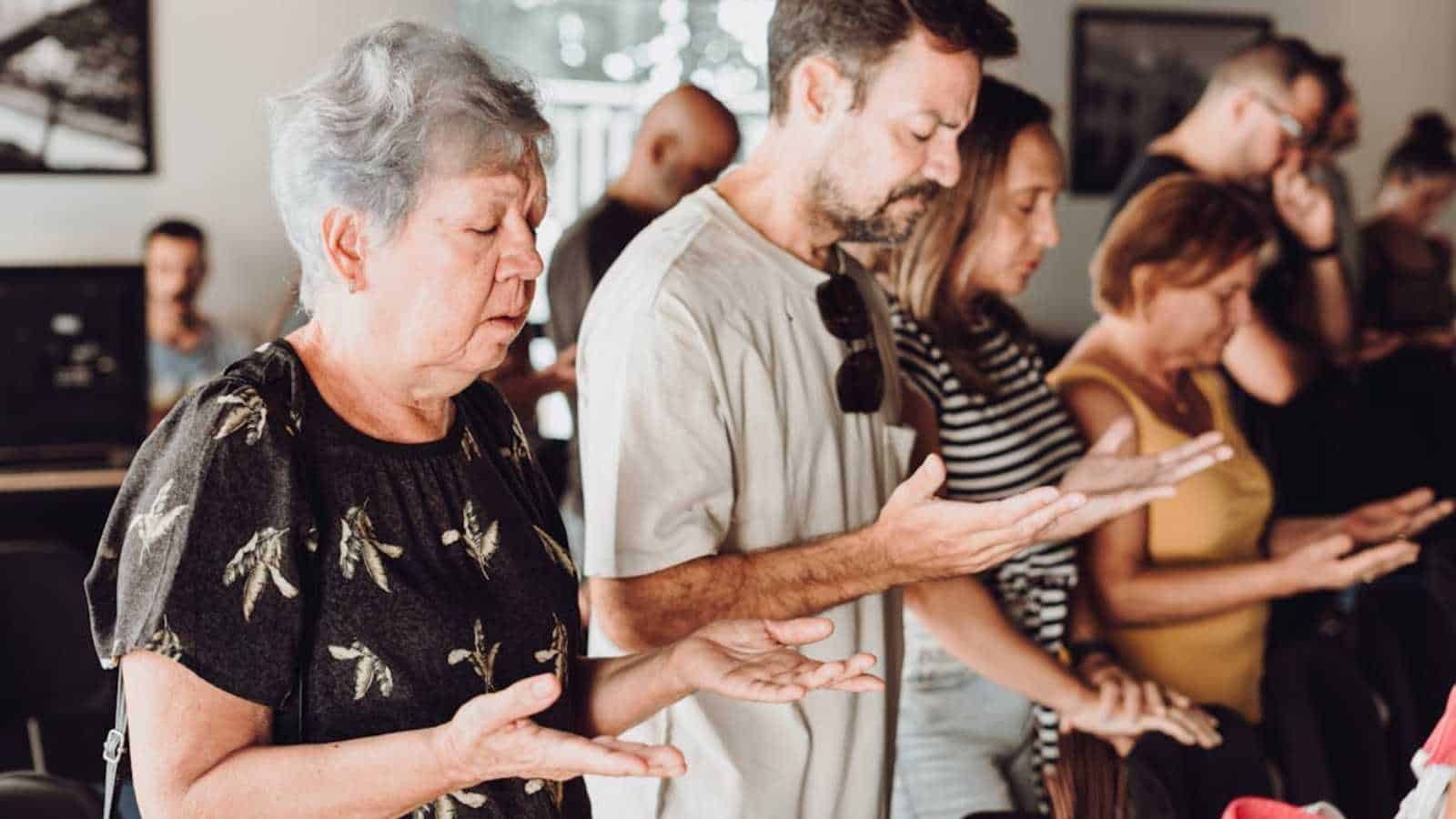
For many Boomers, attending religious services or spiritual gatherings has been a lifelong tradition that provides a sense of community and purpose. Baby Boomers identify as religious more than younger U.S. generations, and many find solace and guidance through their faith, which is linked to improved mental health.
Spiritual practices act as a lifeline, reducing feelings of isolation and nurturing your emotional well-being. These traditions wrap you in a sense of belonging that’s more vital than ever in today’s whirlwind world. In moments of challenge, embracing this tradition can be like finding an anchor in the storm, offering comfort, strength, and a deeper connection to both yourself and others.
Practicing Manners and Politeness

In today’s fast-paced world, Baby Boomers continue to champion the timeless value of good manners and politeness. It’s the little things, like saying “please” and “thank you,” that have the power to build meaningful, respectful relationships. These simple gestures have a way of making others feel seen and valued, and in turn, they create an atmosphere of mutual respect wherever you go.
But politeness isn’t just about following social rules; it has its own unique set of rewards. When we practice kindness, it doesn’t just brighten someone else’s day; it lifts our own spirits too. It strengthens the bonds between people, turning everyday encounters into opportunities to create positive, lasting connections.
So next time you’re in a conversation, remember: a little politeness goes a long way in making the world feel a bit more connected and compassionate.
Key takeaways

The traditions upheld by Baby Boomers offer valuable lessons in today’s fast-paced world. Practices like Sunday family dinners, handwritten notes, and preserving physical photos foster deep personal connections and emotional well-being. These rituals provide more than just nostalgia—they enhance communication, promote healthier relationships, and preserve meaningful family histories. Embracing these traditions can also foster kindness, gratitude, and respect, thereby strengthening social bonds and improving mental health.
Additionally, traditions like honoring elders, practicing politeness, and passing down family heirlooms help create a sense of continuity, belonging, and legacy across generations. Whether it’s saving for the future, engaging in spiritual practices, or simply making time for personal hobbies, these timeless habits offer grounding and support. By holding on to what truly matters, relationships, memories, and respect for others, you can navigate life’s challenges with greater purpose and connection.
Disclosure line: This article was developed with the assistance of AI and was subsequently reviewed, revised, and approved by our editorial team.
gs Women Only Do With the Men They Love

The 15 Things Women Only Do With the Men They Love
Love is a complex, beautiful emotion that inspires profound behaviors. We express our love in various ways, some universal, while others are unique to each individual. Among these expressions, there are specific actions women often reserve for the men they deeply love.
This piece explores 15 unique gestures women make when they’re in love. From tiny, almost invisible actions to grand declarations, each tells a story of deep affection and unwavering commitment. Read on to discover these 15 things women only do with the men they love.
Why investing for retirement is so important for women (and how to do it)

Why investing for retirement is so important for women (and how to do it)
Retirement planning can be challenging, especially for women who face unique obstacles such as the wage gap, caregiving responsibilities, and a longer life expectancy. It’s essential for women to educate themselves on financial literacy and overcome the investing gap to achieve a comfortable and secure retirement. So, let’s talk about why investing for retirement is important for women and how to start on this journey towards financial freedom.