10 things your tongue can tell you about your health
Your tongue does much more than help you taste your favorite meal or chat with friends on the weekend. It serves as a surprisingly accurate window into your overall physical well-being and internal health state. Doctors often check your mouth first because it hints at hydration levels, vitamin deficiencies, and even organ trouble. Paying attention to these signals can catch issues early.
You might notice strange colors, textures, or bumps that seem to appear out of nowhere in the mirror. While some changes are harmless, others are red flags that you should discuss with a medical professional. Understanding these signs helps you stay proactive about your body’s needs before minor problems escalate. Here is what your tongue might be trying to say about your health right now.
White Patches Or Thick Coating

A heavy white layer often means you need to grab a water bottle immediately or brush a bit better. Dehydration and poor oral hygiene cause bacteria to get trapped between the tiny bumps on your tongue. This can lead to bad breath and a fuzzy feeling that makes food taste bland.
Sometimes this coating signals an infection like oral thrush, which is an overgrowth of yeast in the mouth. It is worth noting that dry mouth affects about 30% of adults over 65, according to the American Dental Association. If the white patches do not wipe away, you should call your doctor to rule out other causes.
Bright Red Strawberry Appearance
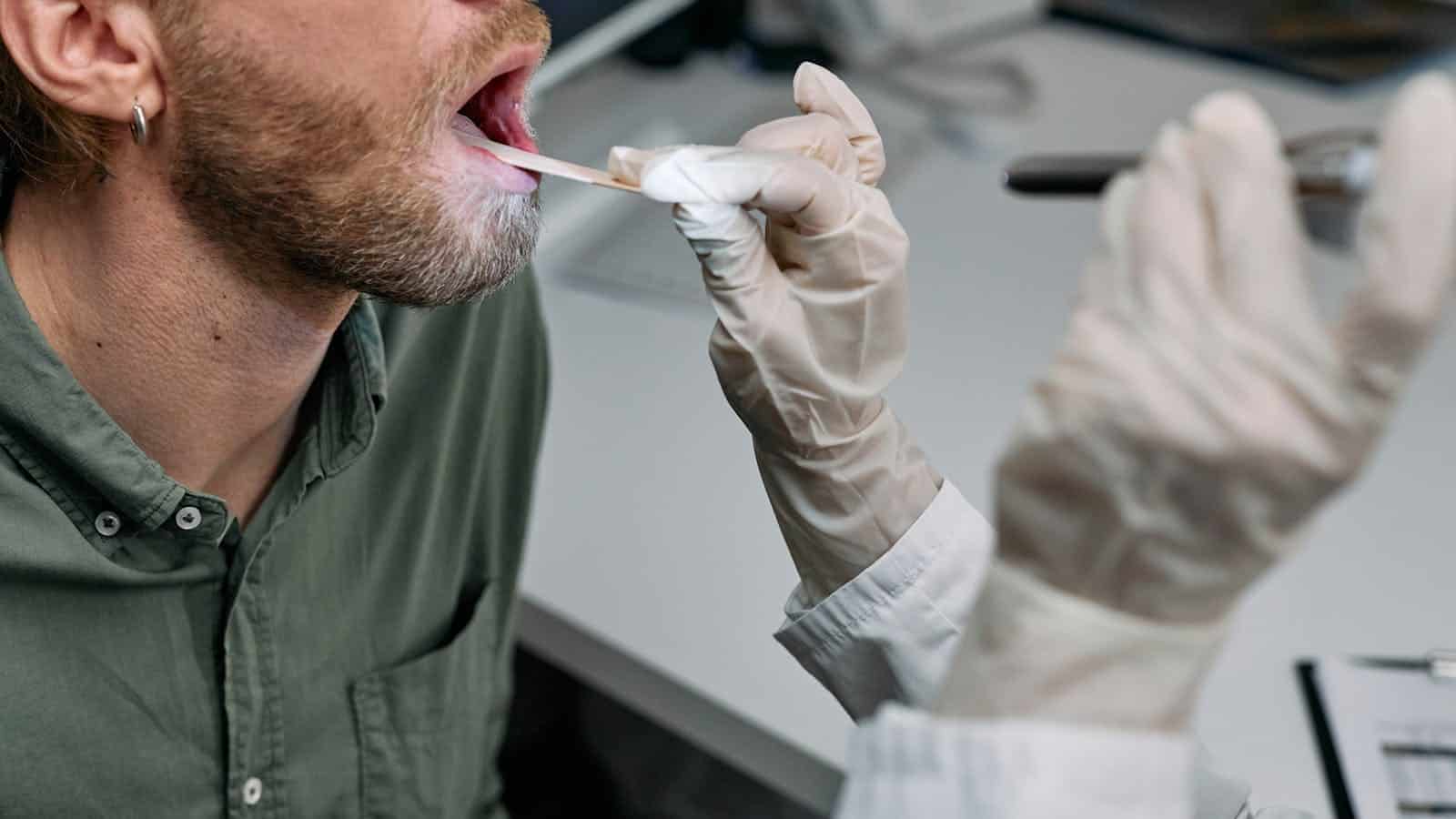
If your tongue looks like a bright red strawberry, it might be a sign that your vitamin levels are low. Your body needs specific nutrients to maintain the healthy pink tissue inside your mouth. A lack of folic acid or B12 can cause the tiny bumps on your tongue to disappear.
This condition makes your tongue look smooth and red while feeling sore when you eat hot or spicy foods. The NIH states that up to 20% of adults over 60 have a Vitamin B12 deficiency. Taking a simple supplement often fixes the problem and gets your mouth back to normal quickly.
Sore Or Lumpy Areas

You have probably bitten your tongue by accident and dealt with the annoying pain for a few days. However, a lump or sore that does not heal after two weeks needs immediate medical attention. Persistent bumps can sometimes be an early indicator of something more serious, like oral cancer.
Most canker sores go away on their own, but staying alert is key to protecting your long-term health. The American Cancer Society estimates there will be 60,480 new cases of oral cavity cancer in 2026. Catching these changes early gives you the best chance for successful treatment and recovery.
Scalloped Or Wavy Edges

You might wake up and see ripple marks on the sides of your tongue that look like pie crust. This usually happens because your tongue pushes against your teeth while you sleep. It is often a sign of grinding your teeth or having a tongue that is too large for your mouth.
These ripples can also point to sleep disorders that stop you from getting a good night’s rest. An NIH study found that 39.6% of patients with Obstructive Sleep Apnea had this scalloped tongue sign. If you see these ridges regularly, you might need to talk to a specialist about how you sleep.
Map Like Patterns

You may notice smooth red patches with white borders that move around your tongue like a shifting map. This condition is harmless and does not signal an infection or a serious disease. It can make your tongue sensitive to spicy salsa or acidic fruits like pineapple.
Doctors call this geographic tongue, and it tends to run in families who have a history of the condition. Experts at the Cleveland Clinic estimate that this intriguing pattern affects 1% to 3% of the population. Avoiding foods that sting or burn is usually the only treatment you need to feel better.
Black And Hairy Look

Seeing a black and hairy tongue in the mirror is terrifying, but it is usually just a hygiene issue. The tiny bumps on your tongue can grow long and trap bacteria or tobacco stains. This gives the surface a dark and fuzzy appearance that looks much worse than it actually is.
You can typically scrub the dark residue away with a toothbrush and by drinking plenty of water. NIH research shows that oral pathogens can be found in heart artery plaques, linking dirty mouths to heart risks. Good brushing habits are essential to keep these bacteria from affecting the rest of your body.
Smooth And Shiny Surface

A tongue that feels too smooth and looks glossy might mean your body is not getting enough iron. This condition is called atrophic glossitis, and it causes the tongue to lose its texture. It often feels tender or burns when you try to eat your dinner.
Your doctor can run a simple blood test to check your iron levels if you notice this shiny look. Without enough iron, your body cannot carry oxygen effectively, which leaves you feeling tired and weak. Adding iron-rich foods like spinach or red meat to your diet usually helps restore the bumps.
Burning Sensation

Some people feel like they just drank scalding hot coffee even when they have not had a sip. This burning mouth syndrome can be caused by nerve issues or hormonal changes like menopause. It can be incredibly frustrating because your tongue looks perfectly normal in the mirror.
The sensation often gets worse as the day goes on and can affect your sleep and mood. It is estimated that nearly 4 million Americans live with Sjogren’s disease, which also causes burning and dryness. Managing your stress levels and changing your toothpaste can sometimes bring relief to the fire.
Yellow Residue

A yellow coating is usually a precursor to the black hairy tongue mentioned earlier in this list. It happens when dead skin cells build up and trap colorful food particles. This creates a breeding ground for bacteria that can cause some pretty terrible breath.
You might see this if you breathe through your mouth or if you are running a fever. Drinking water helps wash away the debris before it turns into a darker and more stubborn layer. Scraping your tongue gently every morning is a great way to prevent this buildup.
Deep Fissures Or Cracks

Deep grooves in the center of your tongue can look alarming, but they are often just a sign of aging. Food can easily get stuck in these cracks and cause irritation if you do not clean them. It is important to brush your tongue carefully to keep these crevices free of debris.
While usually painless, these fissures can sometimes become sore if inflammation sets in. Keeping your mouth moist is crucial because dryness makes the cracks deeper and more uncomfortable. Staying hydrated helps maintain the soft tissue and prevents the grooves from becoming a problem.
Like our content? Be sure to follow us