Sisterhood after service: how women veterans are building their own support networks
As women veterans enter care in record numbers, the gap between who the system was built for and who it now serves becomes impossible to ignore.
Step into a world where the face of service is changing faster than ever! Did you know that women veterans are taking center stage in a big way? According to VA Women’s Health Care reports, approximately 930,000 women veterans have now enrolled in VA health care. That is nearly 45% of all women veterans, and get this, about 70% of those enrolled are actively using these medical services to power their health.
While these numbers skyrocket, the systems we have in place were initially built for men. We are just now starting to pull back the curtain on how to meet the unique, vibrant needs of the women who served. Are you ready to see how these trailblazers are finally getting the recognition and care they deserve?
Going virtual to stay connected

Thanks to virtual platforms, peer support groups for women veterans have become more accessible than ever. Biweekly online sessions give veterans the flexibility to attend from anywhere, especially helpful for those with caregiving or work commitments.
Turning isolation into intentional community

The 2025 Wounded Warrior Project report highlights that 83% of women warriors experience feelings of isolation, exceeding the 78% of men. Social support is key to better mental health for women veterans. But after military service, they face a lack of study and support in transitioning to civilian life.
Addressing this gap requires more than just general veteran programs; it demands a focused effort to rebuild the community bonds that military service once provided.
Building peer networks like woven

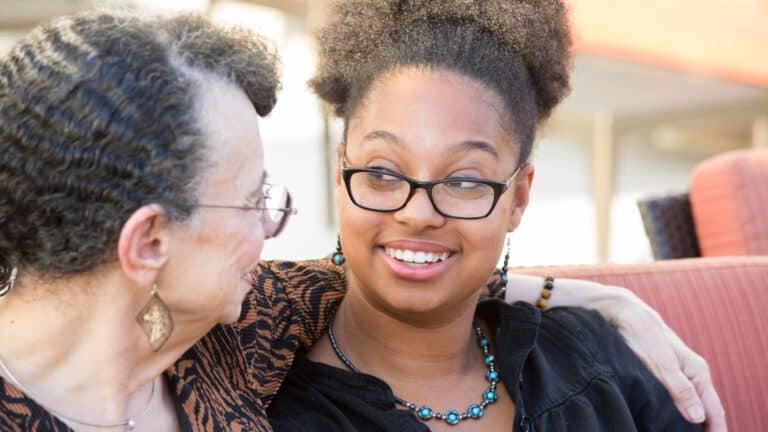
Imagine a sisterhood where the uniform may be gone, but the bond remains unbreakable. Enter Women Veterans Network, a vibrant nationwide initiative that transforms how heroes heal by connecting them through peer-led circles.
Since 2017, WoVeN has trained 298 peer leaders and served 1,444 women veterans through structured eight-session groups. The group’s focus on critical topics like transitions, trust, and esteem creates a powerful network for well-being.
Creating women-only support spaces
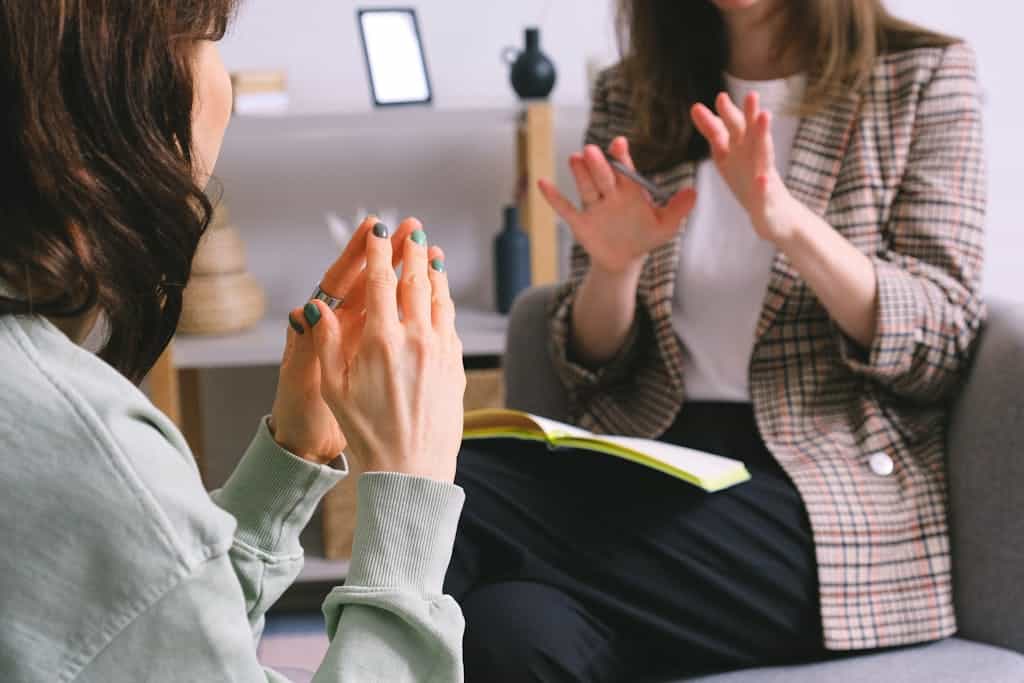
According to research published by Springer Nature, women Veterans frequently prefer female providers and dedicated women-only care environments, which correlate with high satisfaction rates in VA care.
These spaces offer comfort, safety, and a sense of validation that mixed-gender groups can’t always provide. This is especially true for veterans who have experienced military sexual trauma or other challenges.
Finding support in health and healing circles

Health and healing are crucial areas where women veterans find community. The VA’s mental health programs for women veterans increasingly use peer circles and trauma-informed counseling to improve engagement.
These support groups offer women a sense of camaraderie and help combat isolation while addressing complex health needs.
Also on MSN: 12 mental health struggles women are finally talking about openly
Linking education, career, and sisterhood

Education plays a key role in the success of women veterans after service. The VA Open Data website states that approximately 79.5% of women Veterans had some college experience, and 41.0% of those had at least a Bachelor’s degree. Women veterans are more likely than both male veterans and non-veteran women to complete degrees, and their strong peer support is a major factor in their academic success.
Navigating work and money together
Women veterans face unique challenges in the workforce. However, women veterans are overrepresented at both ends of the income spectrum, with many seeing significant jumps in income after participating in the VA’s Veteran Readiness and Employment programs.
Joining nonprofits focused on women veterans

Women veterans face unique challenges, including higher rates of PTSD, depression, and military sexual trauma. According to data cited by the Women Veterans Interactive Foundation, women veterans are 1.8 times more likely to die by suicide than their civilian counterparts.
Many of these women rely on nonprofits that provide targeted support. These programs are designed to meet the specific needs of women veterans as they transition from military service.
Reframing identity and public recognition

Women veterans crave a sacred space where the world sees and honors them as both fierce warriors and empowered women. By choosing women-only retreats and group interventions, these heroes actively dissolve the shadows of PTSD and depression.
These magical gatherings do more than just heal; they spark a total identity transformation and smooth the path back to civilian life.
Harnessing social support to protect mental health
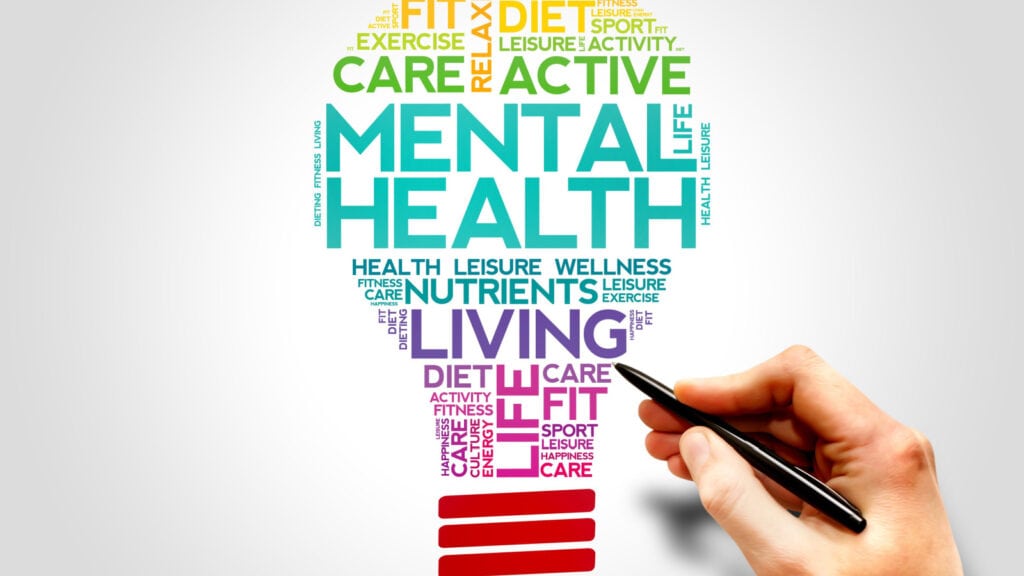
High levels of social support improve mental health for women veterans. The National Institutes of Health highlights that positive, high-quality social support encompassing emotional, practical, and social belonging is crucial for reducing symptoms of PTSD and depression.
Furthermore, veterans with complex trauma histories benefit greatly from continuous support, helping to prevent the adverse health outcomes associated with social isolation.
Key takeaway
Women veterans are building strong, supportive networks that allow them to connect, heal, and thrive. Through peer-led groups, women-only spaces, and virtual connections, they are turning isolation into community. Whether through education, career advancement, or mental health support, women veterans are proving that sisterhood after service is not just possible, it’s essential.
Disclosure line:
This article was developed with the assistance of AI and was subsequently reviewed, revised, and approved by our editorial team.
Like our content? Be sure to follow us.