10 U.S. States With the Lowest Reported Life Expectancy
Life expectancy in America is splintering by state, revealing a widening health divide that’s becoming impossible to ignore.
Where you live plays a massive role in how long you live, and sadly, that story isn’t the same for everyone across the country. We often think of health as a personal scorecard of gym visits and salad choices, but your zip code may actually be a much stronger predictor of your longevity. From access to rural hospitals to the quality of local food systems, the environment around us quietly shapes our futures.
These disparities have created a significant gap between regions, with the Southeast consistently trailing the rest of the nation in health outcomes. While medical technology advances rapidly, the benefits don’t always reach the communities that need them the most, leaving millions behind. We are looking at the latest CDC data to understand which states are facing the toughest battles for a long, healthy life.
Mississippi

The Magnolia State consistently finds itself at the bottom of national health rankings, a reality that reflects deep-seated economic struggles. Residents here face significant hurdles, including limited access to nutritious food and a stretched healthcare system in rural counties. Mississippi holds the lowest life expectancy in the nation at just 70.9 years.
Beyond the raw numbers, the daily experience of Mississippians involves fighting against high rates of chronic conditions like diabetes and hypertension. Community leaders are working hard to turn the tide, but without substantial structural changes, the state continues to face an uphill climb. It is a stark reminder that economic stability is inextricably linked to physical well-being.
West Virginia

West Virginia offers some of the most beautiful mountain views in America, yet it also bears the heavy weight of the opioid epidemic. This crisis has devastated communities, shortening lives and leaving families to pick up the pieces in towns that were once bustling with coal mining energy. The state has a staggering drug overdose death rate of 81.9 per 100,000 people, the highest in the country.
The rugged terrain that makes the state so picturesque also makes it difficult for many residents to reach urgent medical care when seconds count. Isolation in these Appalachian hollows can mean that preventable conditions go untreated until they become life-threatening emergencies. The resilience of the people here is undeniable, but resilience alone cannot fix a lack of resources.
Alabama
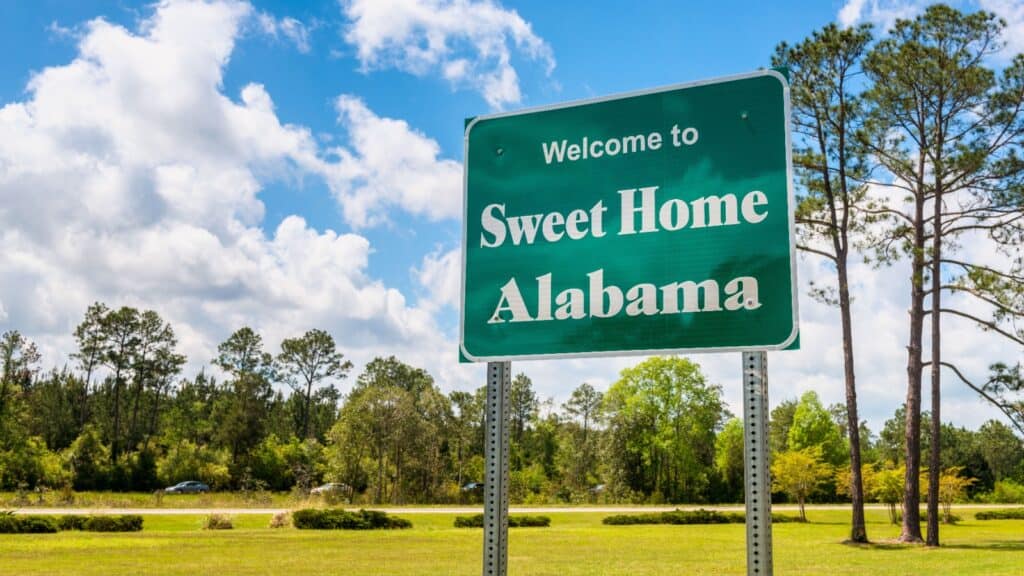
Heart disease remains a formidable opponent in Alabama, often cited as the leading cause of death for residents across the state. The local culture is rich with history and incredible comfort food, but the long-term health consequences of that lifestyle are becoming impossible to ignore. U.S News & World Report data indicates that life expectancy here is roughly 72 years, nearly 5 years below the national average.
Public health officials are trying to encourage more active lifestyles, but walking trails and gyms are not always accessible in lower-income neighborhoods. Poverty acts as a barrier to preventative care, meaning many Alabamians only see a doctor when they are already in the midst of a health crisis. Breaking this cycle requires more than just advice; it demands better infrastructure.
Louisiana

Louisiana is famous for its vibrant spirit and unbeatable cuisine, yet the party atmosphere hides a serious public health reality. The state struggles with high rates of infant mortality and cancer, particularly in industrial corridors that have been subject to environmental concerns for decades. Life expectancy in the Pelican State struggles to break past 72.2 years, placing it firmly in the bottom five.
There is a deep irony in a place that celebrates life so fully while struggling to preserve it for its citizens. Disparities between the wealthy parishes and the poorer ones are stark, creating two very different realities depending on which side of the street you live on. Addressing these issues means tackling the root causes of poverty that persist in the Delta.
Kentucky

Kentucky is known for horse racing and bourbon, but it also has a long, complicated history with the tobacco industry that continues to impact health today. Smoking rates here remain among the highest in the nation, contributing heavily to cancer diagnoses and cardiovascular issues that shorten lifespans. The state faces a high burden of preventable disease, keeping the average life expectancy stuck around 72.3 years.
The shift away from coal jobs has also left economic scars that translate directly into poorer mental and physical health outcomes for former mining communities. When jobs decline, hope often follows, and the stress of financial insecurity can take a physical toll over time. Rebuilding the economy is essential for rebuilding the health of the population.
Tennessee
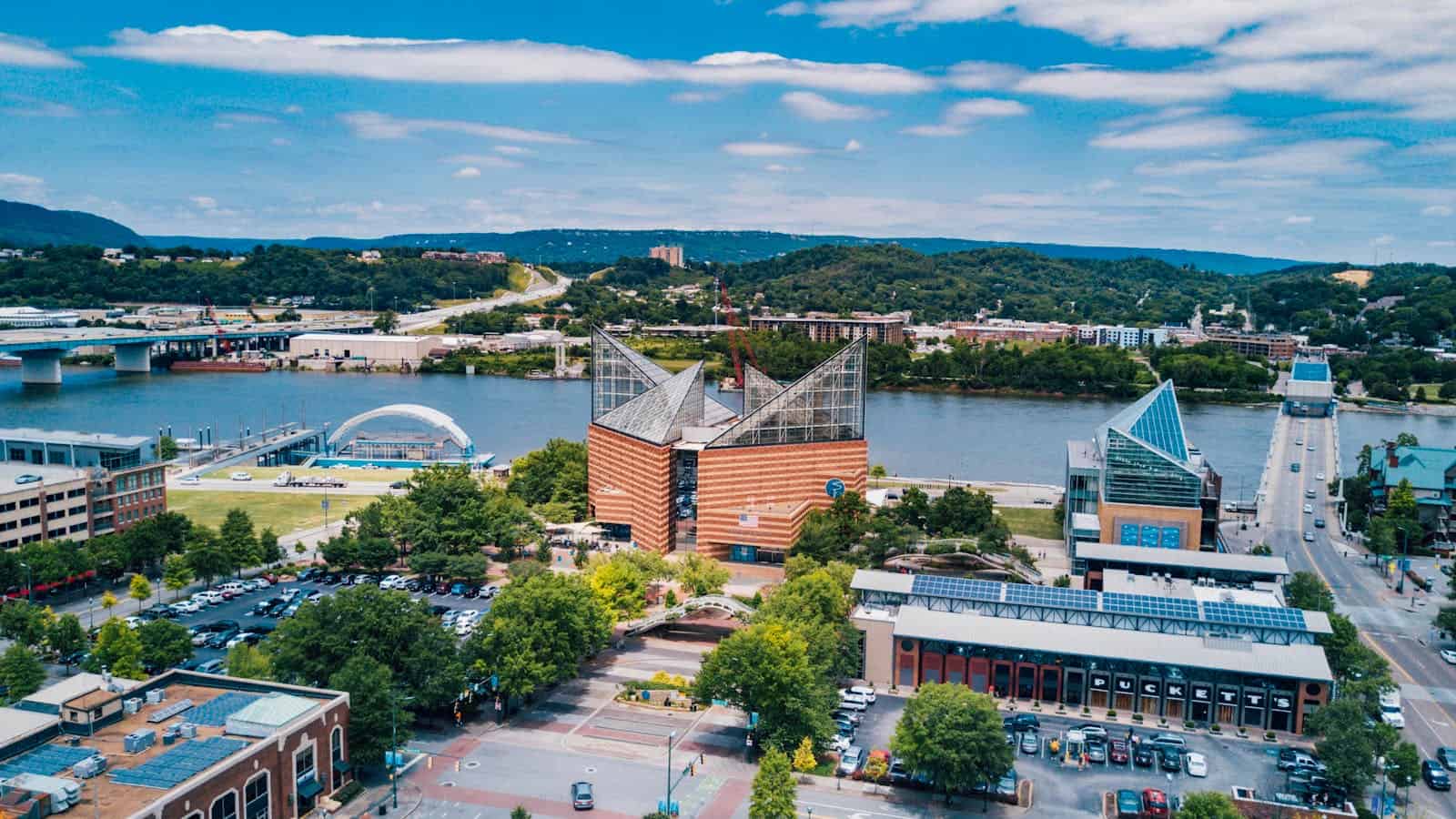
Music City might be booming, but the rural areas of Tennessee tell a very different story of hospital closures and medical deserts. Residents outside the major metro areas often have to drive lengthy distances just to find a primary care physician or a functioning emergency room. The CDC reports a drug overdose death rate of 52.3 per 100,000 people, highlighting a severe substance abuse crisis.
This divide between Nashville’s growing wealth and the struggles of the rest of the state creates a lopsided picture of public health. While some have access to world-class medical centers, others are left relying on underfunded local clinics that cannot handle complex cases. Bridging this gap is the only way to lift the state’s overall standing.
Arkansas

Arkansas faces a “double whammy” of high poverty rates and a largely rural population that is difficult to reach with standard public health campaigns. Cardiovascular health is a major concern here, with heart attacks and strokes occurring at rates that alarm medical professionals. Life expectancy in Arkansas is currently reported at 72.5 years, lagging significantly behind coastal states.
The natural beauty of the Ozarks contrasts sharply with the limited medical infrastructure available to the people who call these mountains home. Telehealth is starting to make a dent, but it cannot replace the need for in-person doctors and nurses. Until basic care becomes more easily accessible, these statistics are unlikely to improve rapidly.
Oklahoma

The wind sweeps down the plains in Oklahoma, but so do high rates of uninsured residents who cannot afford consistent medical care. Without insurance, many Oklahomans skip annual checkups, meaning serious illnesses are often caught far too late to be effectively treated. CDC figures show the average life expectancy here is 72.7 years, reflecting these systemic gaps in coverage.
Diet and exercise play a role, but the sheer cost of staying healthy is the biggest obstacle for working-class families in the state. When you have to choose between paying rent and buying blood pressure medication, health inevitably takes a backseat. Expanding coverage is a critical step toward adding years to residents’ lives.
South Carolina
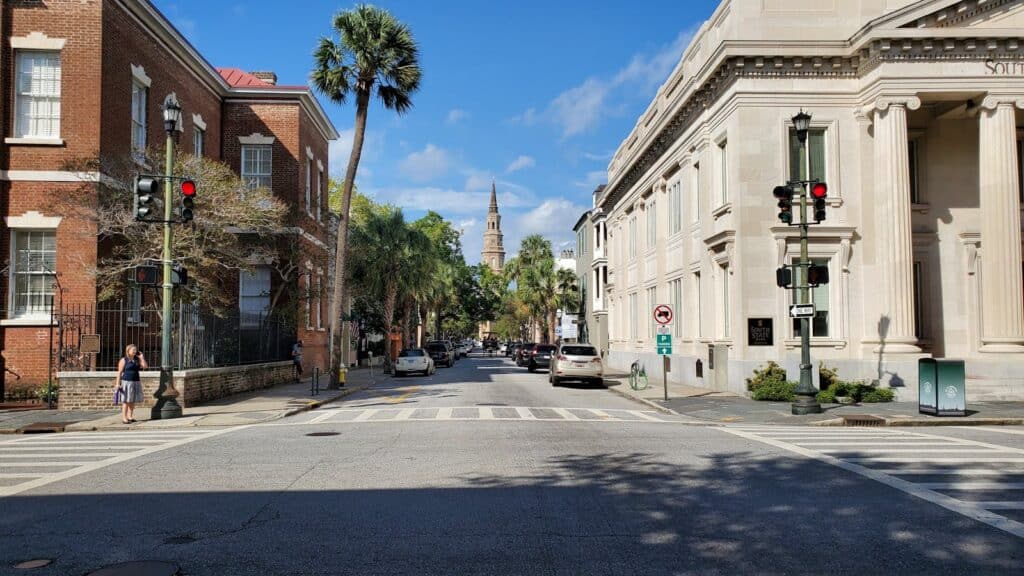
South Carolina offers beautiful beaches and a warm climate, yet it struggles with violent crime and chronic disease rates that pull down its average life expectancy. The state has seen a troubling rise in firearm-related injuries, which disproportionately affects younger demographics and lowers the overall numbers. The firearm injury death rate in the state has climbed to 19.1 per 100,000, a worrying trend for public safety.
Beyond violence, the state battles with high levels of stroke and diabetes, particularly in the rural “Corridor of Shame” region, where schools and hospitals are underfunded. It is a clear example of how social determinants, such as education and safety, are just as important as medicine. You cannot separate a community’s health from its safety and economic opportunity.
Missouri

Missouri is the “Show-Me” state, and unfortunately, the data shows a population struggling with heart disease and substance use issues. While major cities like St. Louis have top-tier hospitals, the disparity in health outcomes between urban and rural residents is widening each year. The average life expectancy in Missouri is 74.6 years, nearly two years less than the national average.
Public health officials are fighting hard to combat the opioid crisis and improve maternal health outcomes, which have been lagging behind neighboring states. The challenge is immense, requiring coordination between government agencies, local non-profits, and healthcare providers. Improving these numbers will take a unified effort that crosses political and geographic lines.
15 Things Women Only Do With the Men They Love

The 15 Things Women Only Do With the Men They Love
Love is a complex, beautiful emotion that inspires profound behaviors. We express our love in various ways, some universal, while others are unique to each individual. Among these expressions, there are specific actions women often reserve for the men they deeply love.
This piece explores 15 unique gestures women make when they’re in love. From tiny, almost invisible actions to grand declarations, each tells a story of deep affection and unwavering commitment.