11 home-buying mistakes that increase long-term costs
Buying a home can lock in decades of extra costs long before the ink dries on the closing documents.
Buying a home feels like a wild rollercoaster ride. Most folks get so caught up in the granite countertops or the backyard space that they miss the financial landmines waiting to blow up their wallets later. It is a classic case of wearing rose colored glasses while looking at a fixer-upper. You have to keep your wits about you because the decisions you make now will ripple through your bank account for decades.
You might think the sticker price is the final word, but seasoned homeowners know that the monthly mortgage check is just the tip of the iceberg. Hidden fees and poor choices can turn that dream home into a money pit faster than you can say foreclosure. We are going to walk through the common traps that drain bank accounts and ruin the excitement. By spotting these errors early, you can save enough cash to actually enjoy your new place instead of just paying for it.
Buying Based On The Max Approval

Just because the bank says you can borrow a million dollars does not mean you should actually do it. Being house poor means eating instant noodles for five years because your mortgage eats your whole paycheck. Lenders look at your gross income, but they do not see your expensive hobbies or daycare costs.
Your lender does not pay for your groceries, student loans, or that much-needed vacation to Hawaii. Stick to a monthly number that lets you sleep at night rather than maxing out your credit. Financial flexibility is the key to happiness, not having the biggest house on the street.
Skipping The Professional Inspection

It is tempting to waive this review to sweeten your offer in a hot market, but you are playing Russian roulette with your savings account. A 2024 survey by Clever Real Estate found that 82% of recent homebuyers possess significant regrets about their purchase. If you skip this step, you blindly inherit every single problem the previous owner tried to hide from you.
That cracked foundation or ancient wiring will not care about how much you love the open concept kitchen island or the view. You have to look under the hood before you drive the car off the lot, or you will pay dearly. The cost of a few hundred dollars now is nothing compared to a twenty-thousand-dollar roof repair next winter.
Ignoring The Future Resale Value

You likely plan to live there forever, but life has a funny way of changing plans when you least expect it to happen. According to the National Association of Realtors, the median duration homeowners stayed in their homes was 15 years in 2025. If you buy the weirdest house on the block, selling it later to move for a job is going to be a total nightmare.
Future buyers might not share your enthusiasm for a neon green bathroom or a garage that was converted into a disco. You need to think like a seller even while you are buying to protect your investment. Real estate is an asset, and purchasing a property with limited appeal acts like an anchor on your financial growth.
Misjudging Fixer Upper Potential
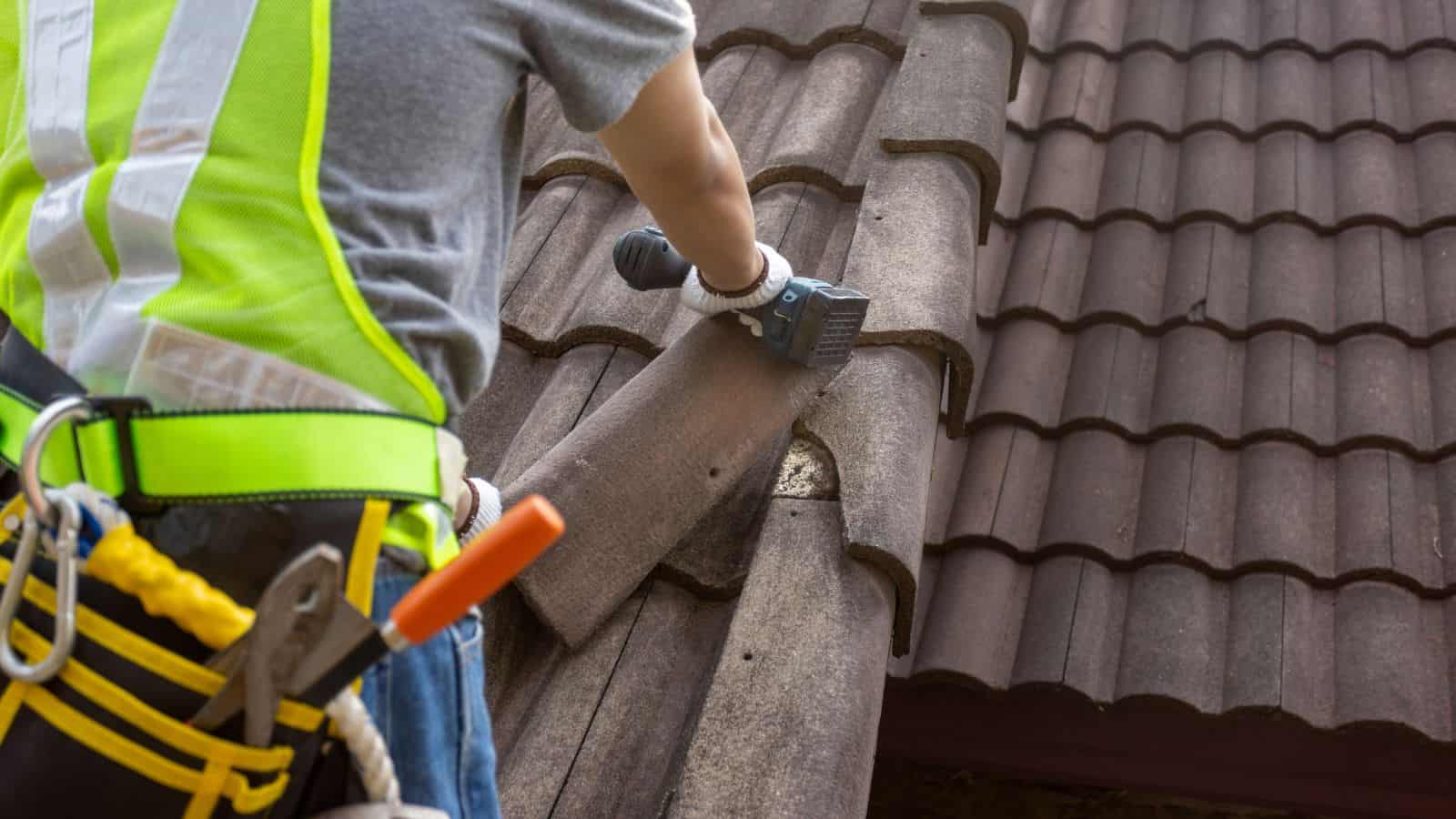
TV shows make knocking down walls look cheap and easy, but reality often bites hard with expensive permits and unexpected labor costs. Bankrate data from 2025 suggests hidden costs of homeownership now average over $21,000 annually. Many people dive into renovations without realizing that materials cost way more than they did just a few years ago.
That charming vintage plumbing often signals a complete gut job that costs more than a brand-new luxury car. Unless you are a licensed contractor, assume every renovation will cost twice as much as your initial guess. You do not want to live in a construction zone for three years because you ran out of money.
Forgetting About Closing Costs

Many buyers scrape together the down payment and completely forget they need extra cash to actually get the keys in their hands. Zillow reports that average closing costs typically run between 2% and 5% of the total loan amount. This includes things like title insurance, appraisal fees, and taxes that you must pay upfront before the deal closes.
You do not want to be the person scrambling for a loan from parents just days before settlement because you did the math wrong. It is vital to ask your lender for a detailed Loan Estimate so these fees do not blindside you. If you are not prepared, this final hurdle can stop your home purchase dead in its tracks.
Overlooking Insurance Premiums
Climate change is causing rates to spike in areas that used to be considered safe and stable for owning property. S&P Global Market Intelligence noted that homeowners’ insurance rates jumped more than 10.4% nationwide in 2024 alone. A beautiful home in a flood zone or wildfire area can carry premiums that rival your actual mortgage payment.
You need to check the claim history of the property to see if it has a rap sheet with insurers before you commit. Some homes are becoming nearly uninsurable, which kills your value and drains your monthly budget. Do not wait until the last minute to get a quote, or you might face a nasty shock.
Underestimating The Commute Costs
Moving further out to get more square footage seems smart until you spend three hours a day sitting in traffic. Gas, wear on your vehicle, and lost time add up to a massive hidden tax on your life. You might save on the mortgage, but you pay for it with your stress levels and vehicle maintenance.
Your sanity is worth money, and sitting on the highway is the quickest way to lose it. Calculate the cost of fuel and lost hours to see if that cheaper house is really a bargain. Often, a smaller house closer to work is the better financial move in the long run.
Failing To Check The Permits

If the previous owner added a deck or finished the basement without asking the city, you inherit the headache. The city can force you to tear down unpermitted work at your own expense if they catch you. This can lower the value of your home and make it incredibly difficult to sell later on.
It happens more often than you think, especially with flipped houses done in a rush to make a quick profit. Ask for copies of all permits for any major work done in the last ten years. Protecting yourself from legal trouble is just as important as checking the physical structure.
Ignoring The Neighborhood Vibe

You are buying the street and the neighbors just as much as you are buying the four walls and the roof. A messy neighbor with a yard full of junk can drag down your property value instantly. You cannot fix a bad location, no matter how much money you pour into the house itself.
Visit the area at night and on weekends to hear how loud the dogs bark or the cars race. One bad neighbor can make your dream home feel like a prison sentence. Trust your gut feeling when you walk around the block and talk to the locals.
Putting Down A Tiny Down Payment

While low down payment loans get you in the door, they come with the sting of Private Mortgage Insurance. According to the NAR 2025 report, the typical down payment for first-time buyers was only 10%. That PMI payment is money thrown out the window that builds absolutely zero equity for you.
You end up paying thousands of dollars extra just for the privilege of borrowing the money. Saving a bit longer to reach that 20% threshold can save you massive amounts over the life of the loan. It requires patience, but your future self will thank you for the lower monthly payment.
Skipping The Final Walkthrough

You might be exhausted by closing day, but skipping this step is a rookie mistake you cannot afford. Movers might have dinged the walls, or a storm could have caused a leak since you last saw it. This is your last chance to verify that the house is in the condition you agreed to buy.
Verify that all the repairs the seller promised were actually completed and not just patched over with tape. Once you sign the papers, every broken thing in that house becomes your problem alone. Take your time and check every faucet, light switch, and window one last time.
Like our content? Be sure to follow us