10 Unattractive Things That Instantly Turn Off Homebuyers
Selling your home gets a lot easier when you know exactly what makes buyers cringe the moment they walk in.
Entering the real estate market as a seller can feel like participating in the Olympics—you are performing under pressure, and the judges (potential buyers) are incredibly discerning. The journey from listing to closing is paved with small, yet important, details that can dramatically sway a buyer’s decision, often in the blink of an eye. It is essential to remember that house hunting is a deeply emotional process for most people.
A home sale is frequently a contest of first impressions, where everything from the sound of the front door closing to the scent in the air plays a significant part. Buyers aren’t just assessing square footage and bedroom counts; they are actively searching for a place where their future life will unfold, and anything that breaks that fantasy can be an instant, non-negotiable dealbreaker. We have compiled a list of the top 10 things that can spoil a potential purchaser’s mood.
Too Much Clutter And Personal Stuff
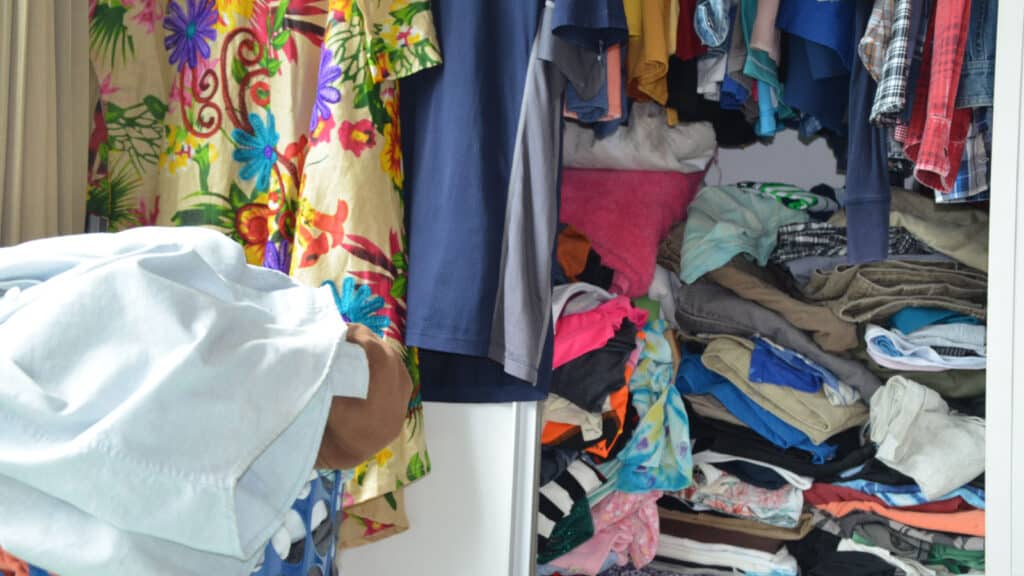
Every homebuyer wants to picture their own family photos on the mantelpiece, not yours, and they need to see space, not stuff. Walls covered floor-to-ceiling in personal memorabilia, overflowing bookshelves, and kitchen counters buried beneath appliances make a house feel cramped and suggest a severe lack of storage. Buyers often struggle to mentally fit their belongings into a space that is already drowning in someone else’s possessions.
Decluttering is more than just tidying up; it is about depersonalizing the space so the buyer can mentally move into their own life. Real estate experts frequently advise sellers to remove at least one-third of their possessions, and for good reason. Buyers make an emotional decision within seconds. A well-staged home creates that instant connection.
Overgrown Lawn

This is the handshake of your home, and a poor one can sour the whole interaction before the buyer steps over the threshold. An overgrown lawn, peeling paint on the porch railing, or a sad, scraggly shrub sends a clear, negative message about the property’s overall condition. Buyers often link the outside upkeep directly to the care they expect to see inside the house.
If the exterior suggests a major chore awaits them, many buyers will not even bother to look past the front door, no matter how lovely your remodeled kitchen may be. Homes with high-quality curb appeal sell for an average of 7% more than comparable houses with exterior blemishes. As a seller, putting in a few hours of yard work and a fresh coat of paint on the trim is a minimal investment with a surprisingly high return.
Offensive Odors

If a potential buyer walks into your house and is hit with a wave of pet smells, stale smoke, or yesterday’s pungent dinner, the tour might as well be over. Olfactory assault is a powerful repellent, and odors often make people think you are trying to hide something larger, such as dampness or mold. The nose knows, and a bad scent can overshadow every beautiful feature of your property.
These aren’t mere minor irritations: 81% of buyers cite bad smells as the most likely factor to dissuade them from viewing a property. You may be accustomed to your beloved dog or cat’s scent, but a visitor will pick it up immediately. Airing out the house, deep-cleaning carpets, and removing the source of the smell are critical, rather than relying on heavy air fresheners that just make people suspicious.
Strange Or Bold Paint Colors

While you may feel like your neon-green accent wall in the dining room shows off your vibrant personality, a potential buyer sees it as a guaranteed, immediate expense. Homebuyers want to see a blank canvas, not a personal statement that requires a weekend of messy, expensive repainting before they can feel settled. Neutral walls allow buyers to visualize their furniture and style without being distracted by your adventurous color choices.
Experts advise sticking to neutral shades like soft gray, beige, or white, because they appeal to the broadest audience. A Zillow analysis of the impact of paint found that certain shades of blue or gray in specific rooms, such as the bathroom, can increase the average sale price by over $5,000. It is a small change, but it removes a mental barrier and adds a welcome layer of sophistication.
Poorly Executed DIY Fixes

You may love a good weekend warrior project, but if your homemade carpentry or slapdash plumbing repairs look less than professional, they send up immediate red flags. Sloppy grout, uneven paint lines, or a wobbly shelf installed with visible effort will lead a buyer to assume that every other repair in the house was handled with similar incompetence. A buyer’s list of small repairs can quickly balloon into an overwhelming catalogue of necessary work in their mind.
These visible signs of poor workmanship signal potential structural issues beneath the surface, transforming a minor flaw into a major worry. Buyers may be put off by poorly executed DIY repairs, preferring a house that needs no work or one where the problems are at least professionally done. Buyers are often less worried about what they cannot see and far more concerned about the visual evidence of neglect and corner-cutting.
A Lingering Sense Of Dirt And Grime

There is a difference between a lived-in home and one that simply looks dirty, and filth is a serious psychological turn-off. Buyers will notice dusty baseboards, sticky floors, grimy shower tiles, and smeared windows, suggesting the house has not been thoroughly cleaned in years. A lack of cleanliness leads buyers to question how well the major, invisible systems of the house, such as the furnace or roof, have been maintained.
It might seem obvious, but many sellers underestimate the impact of a spotless home. The National Association of Realtors (NAR) found that 49% of home seller’s agents report that professionally staged homes spent less time on the market than unstaged homes. A buyer should feel comfortable touching surfaces without worrying about what they might pick up.
Outdated Or Broken Fixtures

Brass cabinet knobs, worn-out curtains, and old, heavy 1980s light fixtures can date a home faster than anything else. Buyers are looking for a house that feels ready for their life, and small details that scream “old” will make the whole place feel tired and worn out. Replacing things like cabinet pulls and light switches is a surprisingly low-cost upgrade that provides an immediate, modern refresh.
Beyond being dated, broken fixtures, like sticky doors or non-functional window blinds, give the impression of deferred maintenance. Buyers want a move-in-ready experience, and a home riddled with small defects suggests there are likely larger, more costly repairs lurking unseen. These minor issues can transform a desirable property into an immediate fixer-upper in the buyer’s eyes.
Evidence Of Pet Damage
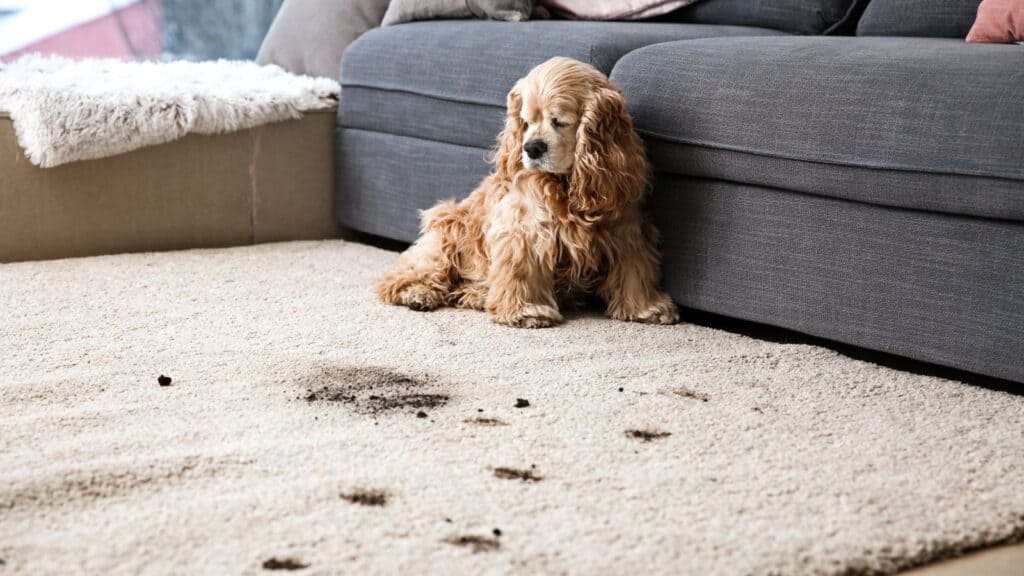
While many people adore their furry companions, buyers often view evidence of pets with suspicion, worried about potential hidden damage or lingering allergens. Visible scratch marks on doors, chew marks on baseboards, or stained and worn carpets are not cute to a stranger; they are a cost calculation. The damage left behind by a pet is often a significant reminder that the home needs extensive, costly rehabilitation.
Pet odors alone are enough to send many people walking, but physical damage adds insult to injury. Real estate professionals know this is a hot button, and some even advise temporarily removing pets, as the presence of animals can distract buyers.
Lack Of Natural Light
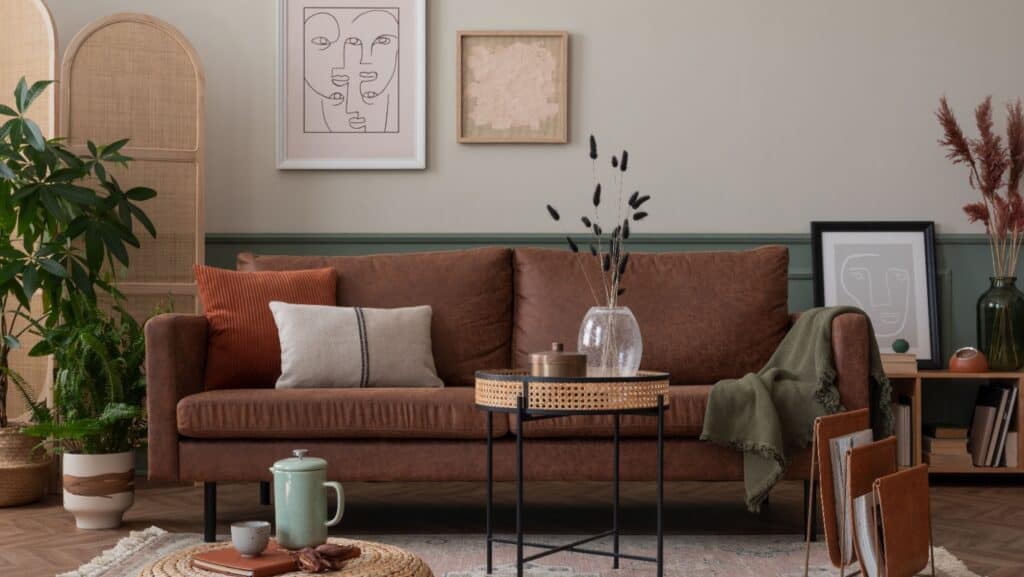
A dark, gloomy house feels smaller, heavier, and less welcoming, no matter the room’s size. Buyers are consistently drawn to bright, airy properties, making dark interiors an instant turn-off. A buyer needs to feel uplifted and comfortable in a space, and dimness tends to have the opposite effect, depressing them.
Sometimes this issue is due to architectural design, but often it is an easy fix, such as opening blinds and curtains, trimming overgrown exterior bushes, or simply using brighter lightbulbs. Maximizing the brightness you do have is a powerful, no-cost way to make the entire house more appealing.
An Unrealistic Asking Price
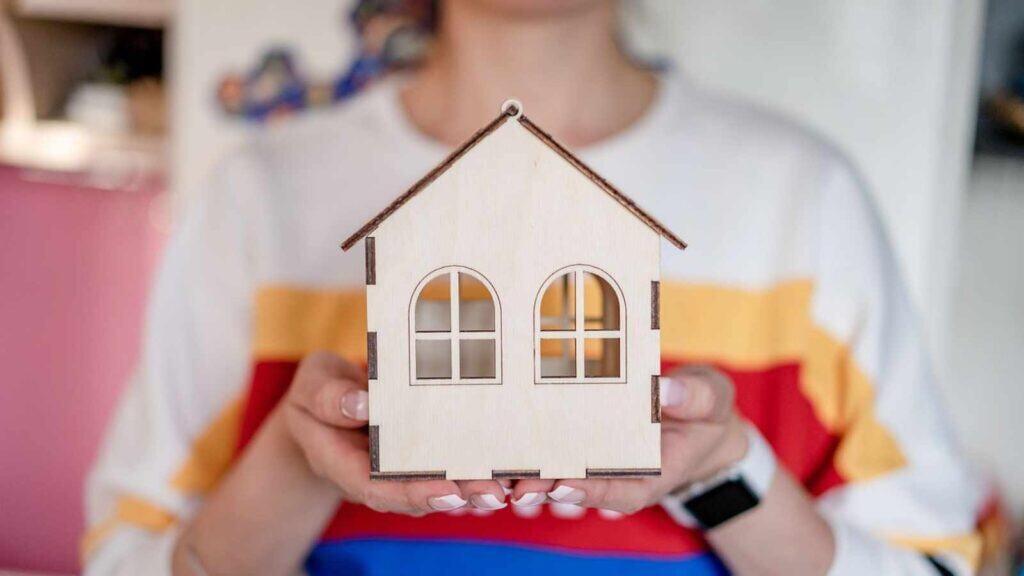
A buyer who feels a home is grossly overpriced will feel insulted and view the entire transaction with immediate suspicion. This is the single biggest emotional deterrent, as it suggests the seller is unmotivated, unrealistic, or unwilling to negotiate in good faith. The starting price of a home sets the tone for the entire negotiation, and an overly ambitious price can stop interest in its tracks.
Homes priced significantly above market comps may not even appear in searches by qualified buyers, leaving the property to sit on the market. One NAR study found that professionally staged homes, which are generally well-presented, typically sell for 1–5% above asking price, depending on the price bracket. If your home is not in tip-top condition, demanding a premium price is almost certain to scare off the best prospective buyers.
15 Things Women Only Do With the Men They Love

The 15 Things Women Only Do With the Men They Love
Love is a complex, beautiful emotion that inspires profound behaviors. We express our love in various ways, some universal, while others are unique to each individual. Among these expressions, there are specific actions women often reserve for the men they deeply love.
This piece explores 15 unique gestures women make when they’re in love. From tiny, almost invisible actions to grand declarations, each tells a story of deep affection and unwavering commitment.