10 everyday items so dirty you must wash your hands immediately.
You probably think the toilet seat is the filthiest thing you touch all day, but you are dead wrong. The porcelain throne is actually one of the cleanest spots in your life because we collectively fear it and scrub it with bleach. Meanwhile, we happily grab, tap, and swipe objects that are teeming with enough biological horror to make a microbiologist weep. I used to be pretty chill about germs until I saw the data, and now? I’m practically bathing in sanitizer.
With “hygiene fatigue” setting in across the USA post-pandemic, hand-washing rates are slipping back to gross levels—according to a survey by Health and Hygiene Company, nearly 29% of men admit to skipping the sink entirely after using a public restroom. But before you high-five your buddy or grab a snack, you need to check out these 10 everyday items that science says are absolutely covered in filth.
Gas pump handles

You should grab a glove next time you fuel up. Research from Kimberly-Clark and Dr. Charles Gerba (aka “Dr. Germ”) reveals that gas pump handles are a staggering 11,000 times dirtier than a public toilet seat. Because nobody ever cleans them, these handles collect a grim history of every driver’s sneezes, coughs, and unwashed hands from the last decade.
The stats are genuinely stomach-churning: 71% of pumps are “highly contaminated” with microbes associated with illness. You are gripping a cocktail of yeast, mold, and bacteria right before hopping back into your car and touching your steering wheel. IMO, keeping a bottle of sanitizer in the driver’s side door isn’t just a good idea; it’s a survival strategy.
Your kitchen sponge
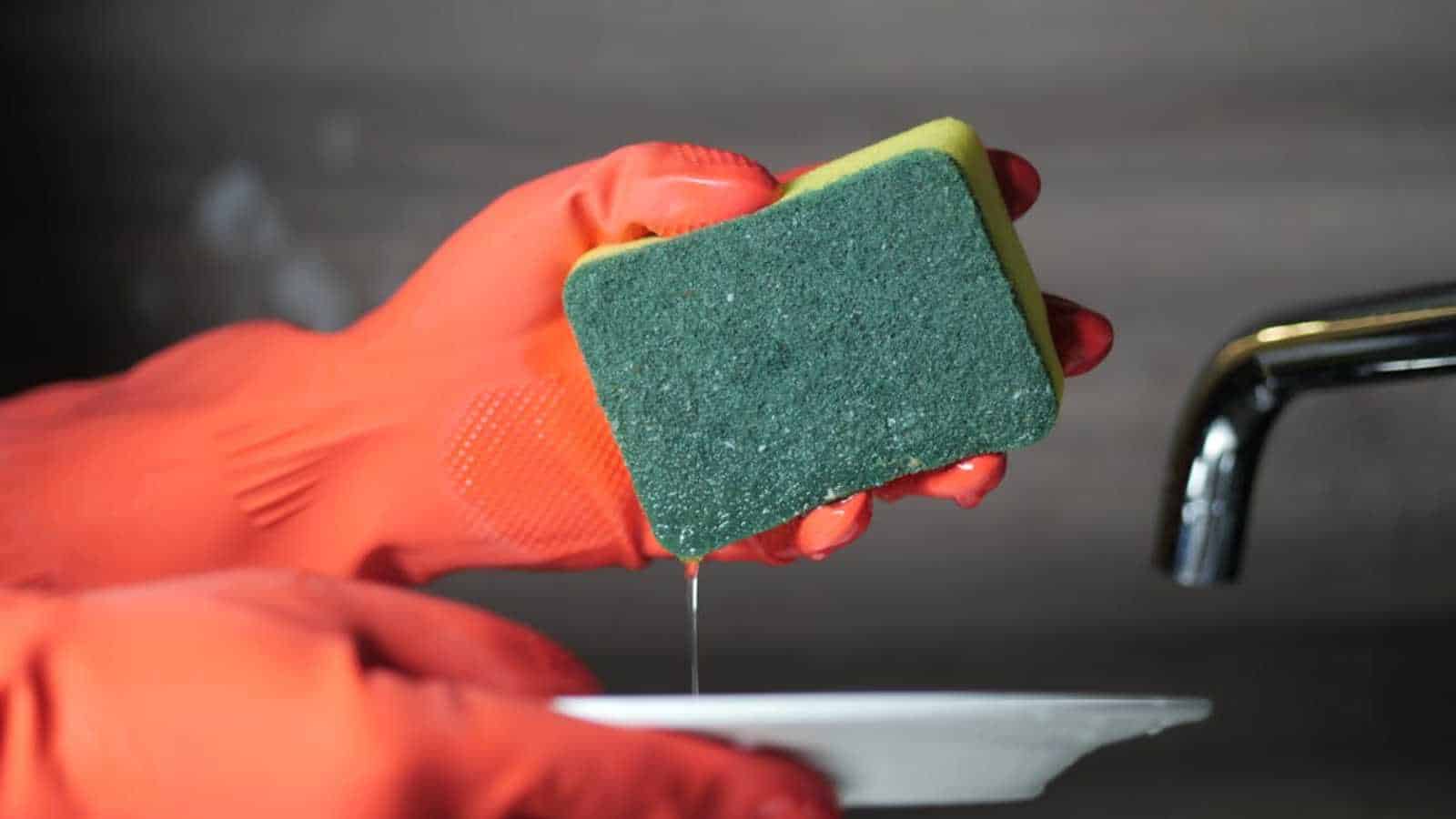
That innocent yellow square sitting by your sink is actually a bacterial bomb. It turns out that the kitchen sponge is often the single dirtiest item in a home, harboring roughly 45 billion bacteria per square centimeter. The warm, moist, nutrient-rich environment creates ideal conditions for pathogens like E. coli and Salmonella to multiply.
When you wipe down your counter, you aren’t cleaning it; you are painting it with a layer of germs. NSF International found that 77% of sponges contain coliform bacteria (an indicator of fecal contamination), compared to only 5% of toilet seats. Experts suggest microwaving your damp sponge for a minute daily, or tossing it weekly to break the cycle of filth.
Gym weights and equipment

We go to the gym to get healthy, but we might be leaving with more than just gains. A study by FitRated found that free weights harbor 362 times more bacteria than a toilet seat. Think about it: dozens of sweaty people gripping that knurled metal every day, and let’s be honest, how many of them actually wiped it down before they started?
It gets worse for cardio lovers; treadmills have 74 times more bacteria than a public bathroom faucet. These surfaces are teeming with gram-positive cocci, which can cause skin infections and pneumonia. If you touch your face between sets—which we all do—you are practically inviting those germs in.
Smartphones

We love our phones, but we treat them like they are immune to dirt. A study by the Institute for Healthcare Policy and Innovation at the University of Michigan shows that your smartphone can carry 10 times more bacteria than a toilet seat, including nasty stuff like Staph and E. coli. Why? Because we take them everywhere—including the bathroom—and then press them directly against our faces.
We check our phones roughly 47 times a day, transferring germs from door handles, money, and handrails straight to our touchscreens. Apple and other manufacturers admit you can gently wipe them with 70% isopropyl alcohol wipes, so please, scrub that screen before you scroll.
Shopping carts
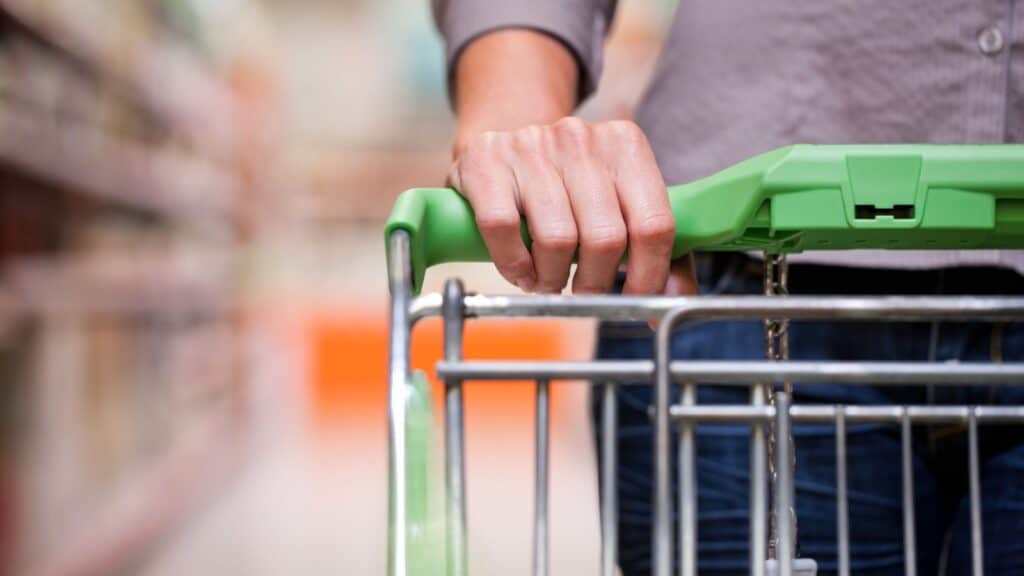
Grocery shopping is a minefield of biological hazards. University of Arizona researchers discovered that 72% of shopping carts tested positive for fecal bacteria, and half carried E. coli. That is dirtier than the public restroom you avoid using at the store.
The handle is the main culprit, collecting pathogens from raw meat packages, leaky diapers, and unwashed hands. Did you know that birds also perch on nested carts outside, adding their own “contributions”? Grab a sanitizing wipe at the entrance and scrub that handle like your health depends on it—because it might.
Office coffee mugs
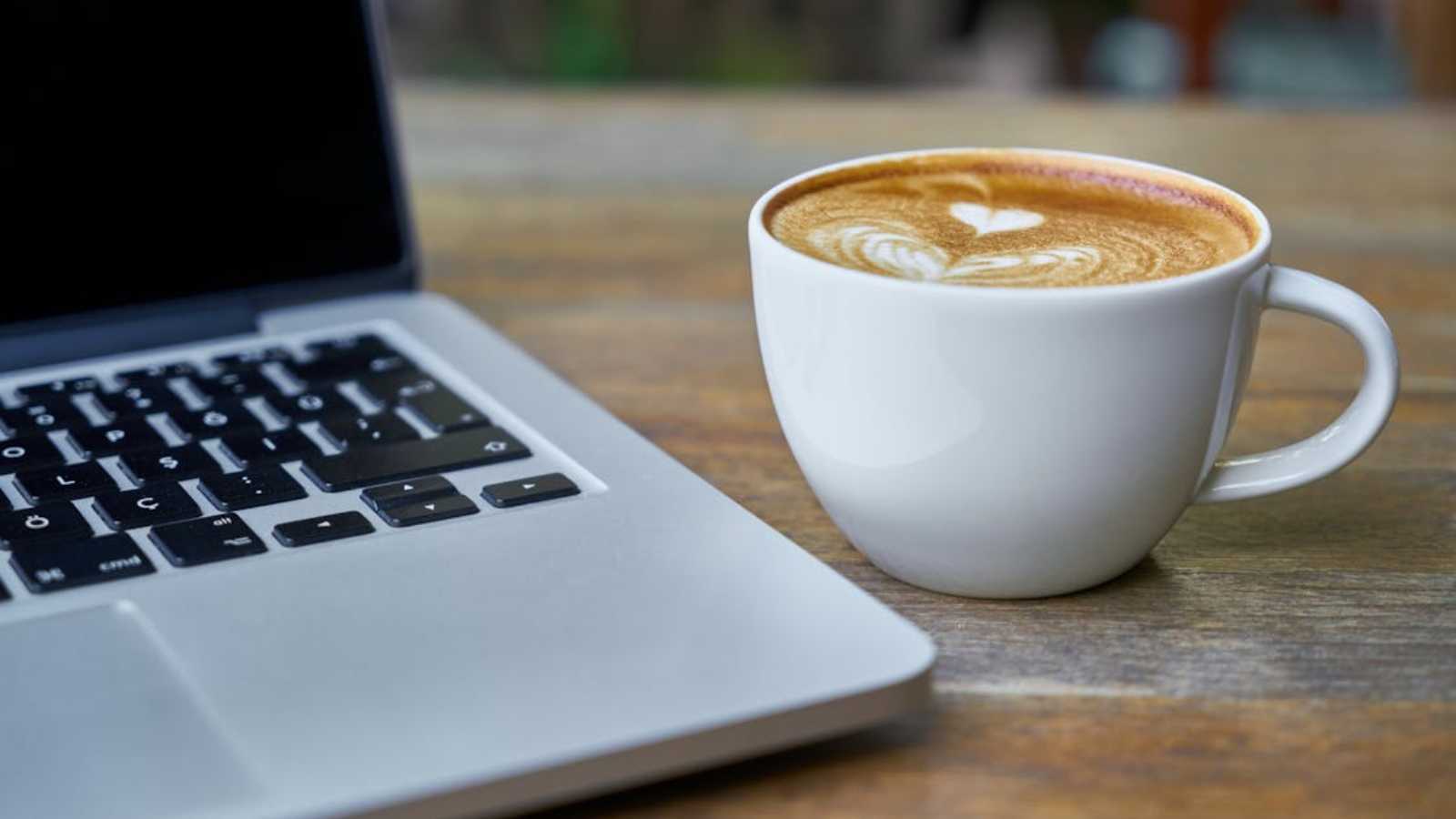
I hate to ruin your morning brew, but that mug on your desk is a petri dish. Research led by Dr. Gerba at the University of Arizona indicates that 90% of office mugs are contaminated with germs, and a disturbing 20% carry fecal matter. The contamination usually doesn’t come from the coffee itself, but from the communal kitchen sponge used to “clean” it.
Using a germ-laden office sponge spreads bacteria around the mug rather than removing them. If you leave cream or sugar in there, mold can start growing over the weekend. Take your mug home daily for a dishwasher cycle if you want to avoid drinking your coworker’s germs.
Elevator buttons
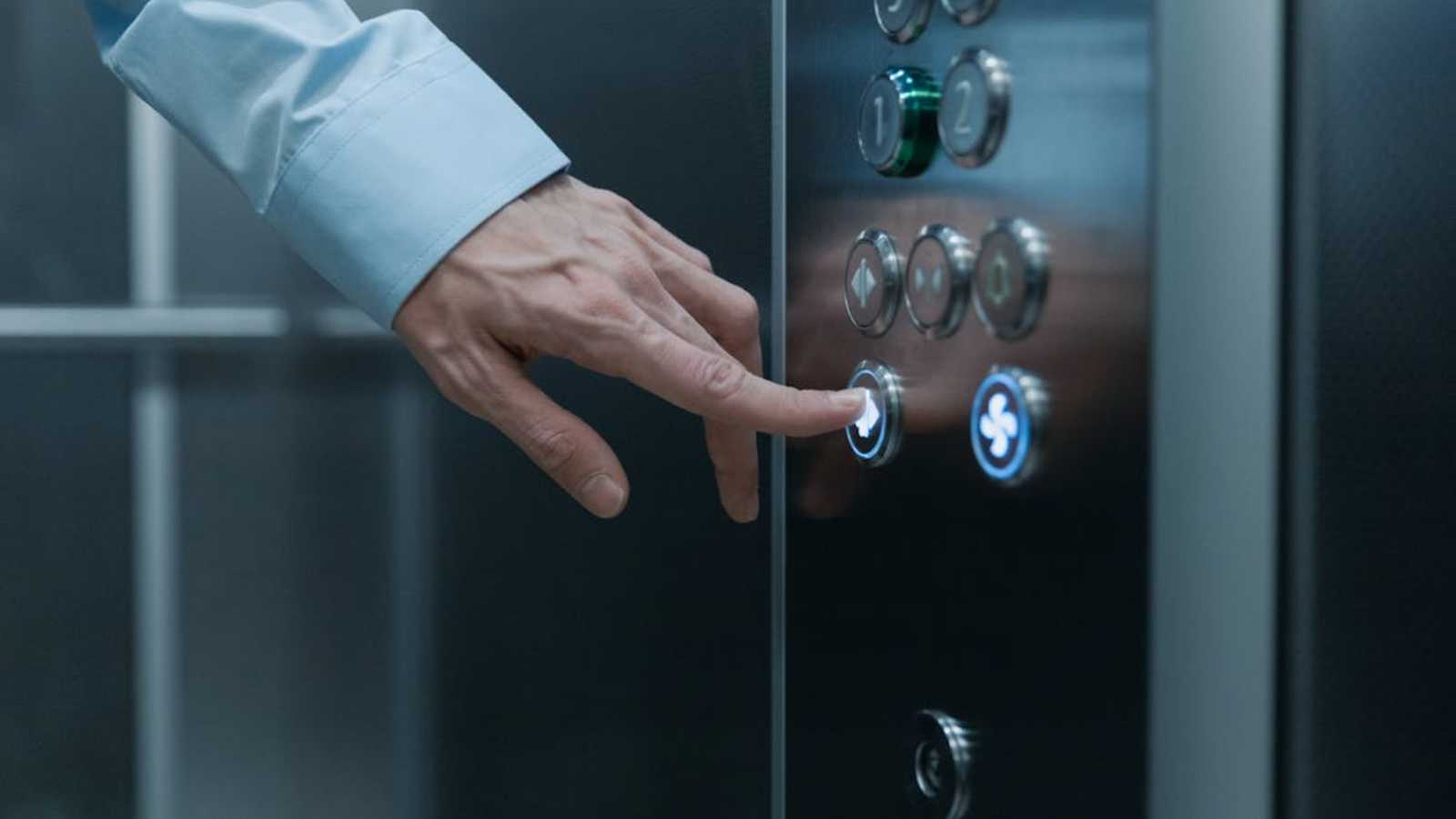
You press the lobby button and also press a hotspot for germs. A study found that elevator buttons have 40 times more bacteria than a toilet seat, averaging 313 colony-forming units (CFUs) per square centimeter. In hospitals, studies show that 61% of elevator buttons are colonized with bacteria, a level higher than that on toilet surfaces in the same buildings.
It makes sense when you consider that everyone from the mail carrier to the sick patient touches that same “Ground Floor” button. Experts recommend using your knuckle or elbow to push the button if you can. If you use your fingertip, sanitize it before touching your phone or lunch.
Cutting boards
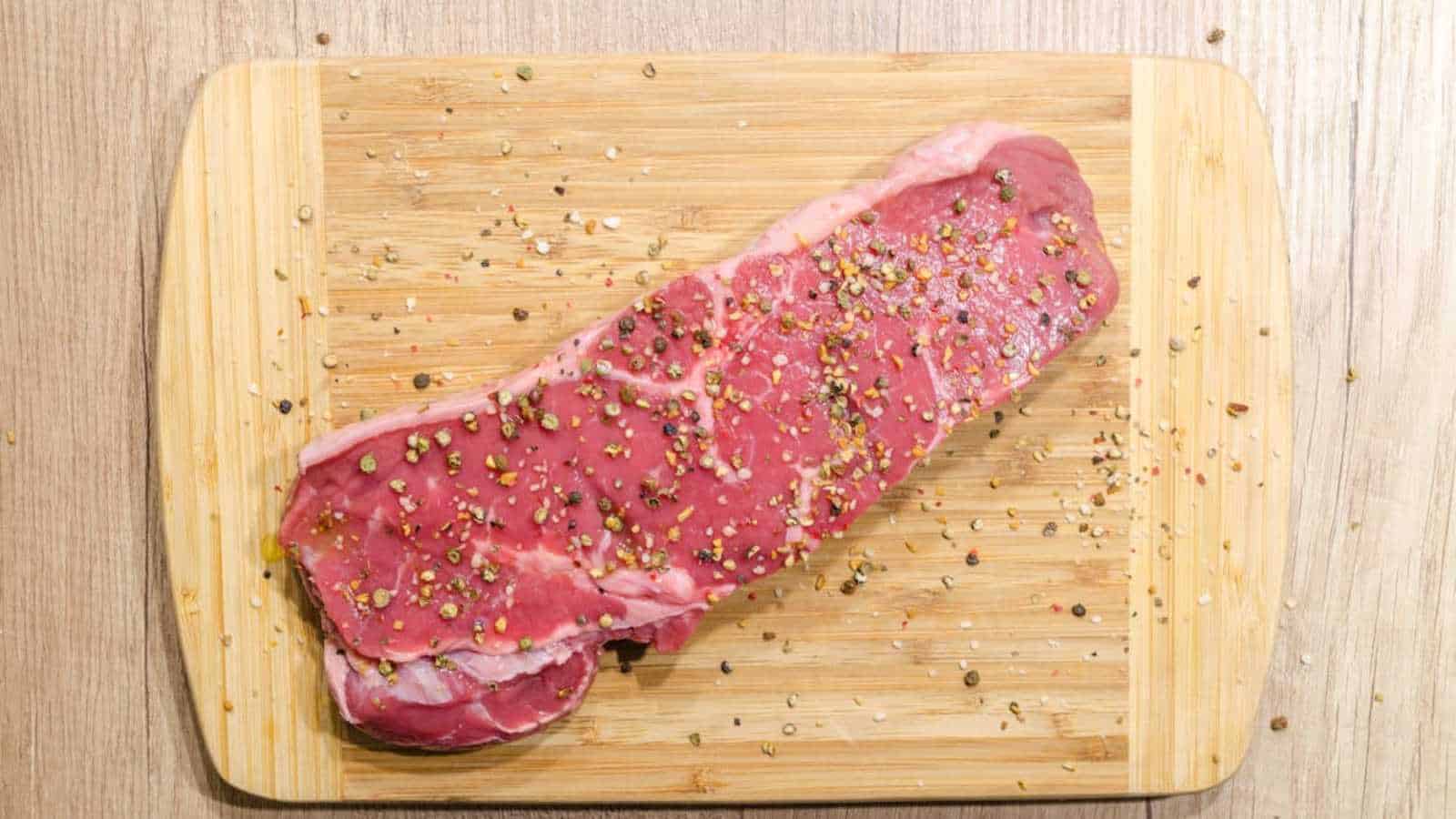
You chop your veggies here, but you might be serving a side of bacteria. A typical cutting board can harbor 200 times more fecal bacteria than a toilet seat. This usually comes from preparing raw meat and failing to scrub the board to remove pathogens from knife scars thoroughly.
Dr. Charles Gerba notes that while we obsess over the toilet, we often overlook the cross-contamination happening right where we prep our salad. Use separate boards for meat and produce, and if your board has deep grooves that trap food, it is time to buy a new one.
Makeup brushes
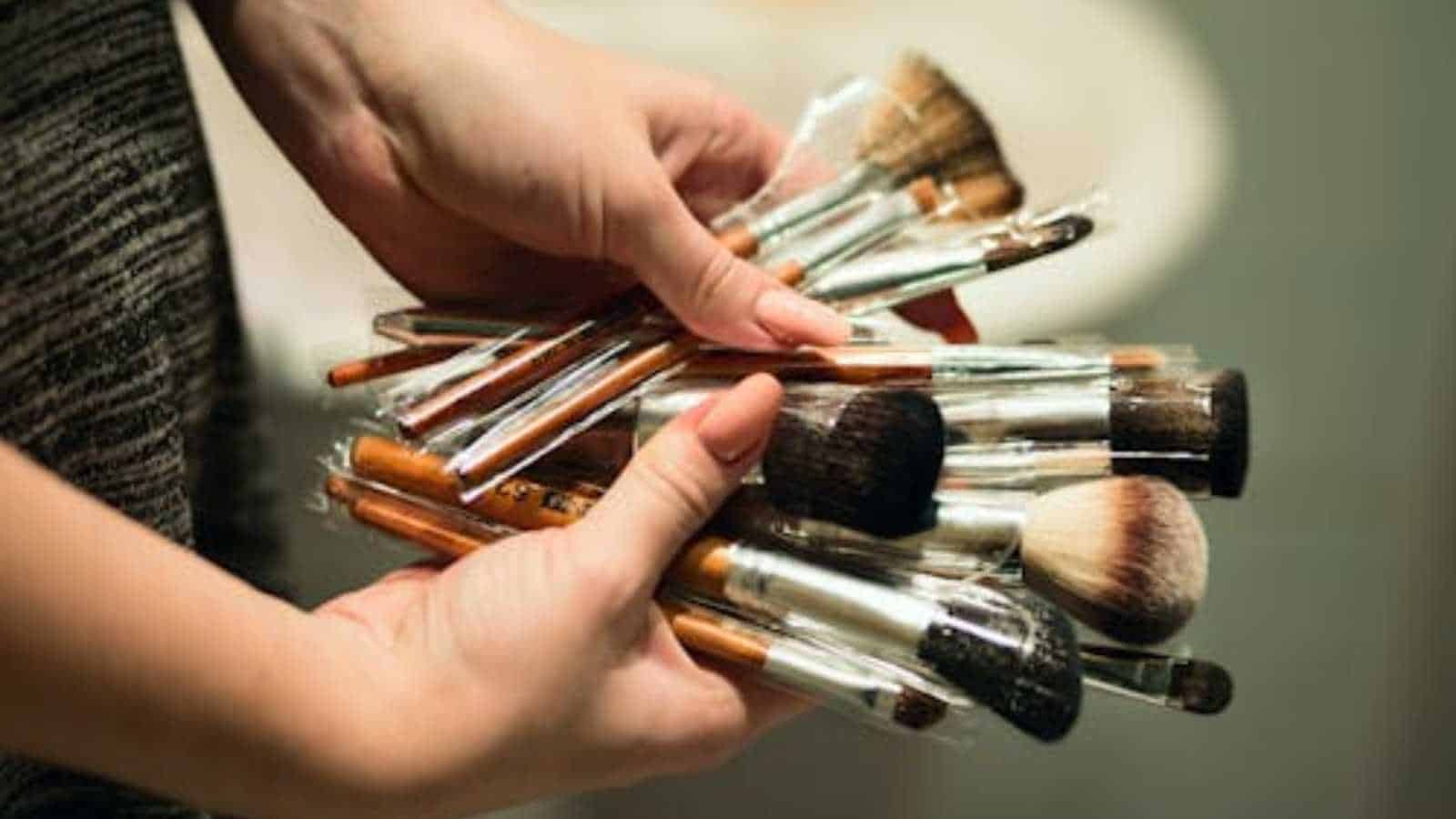
Ladies (and gents), when was the last time you washed your foundation brush? A study by QS Supplies found that makeup brushes can hold more bacteria than a toilet seat, with some harboring colonies of Staph and E. coli. We use these tools to drive products—and bacteria—deep into our pores every single day.
Dead skin cells and oils accumulate on the bristles, creating a breeding ground for acne and even pink eye. Dermatologists recommend washing your tools weekly, but let’s be real, most of us wait way too long. FYI: Sharing brushes is a massive no-no unless you want to share skin infections too.
Money and ATM buttons
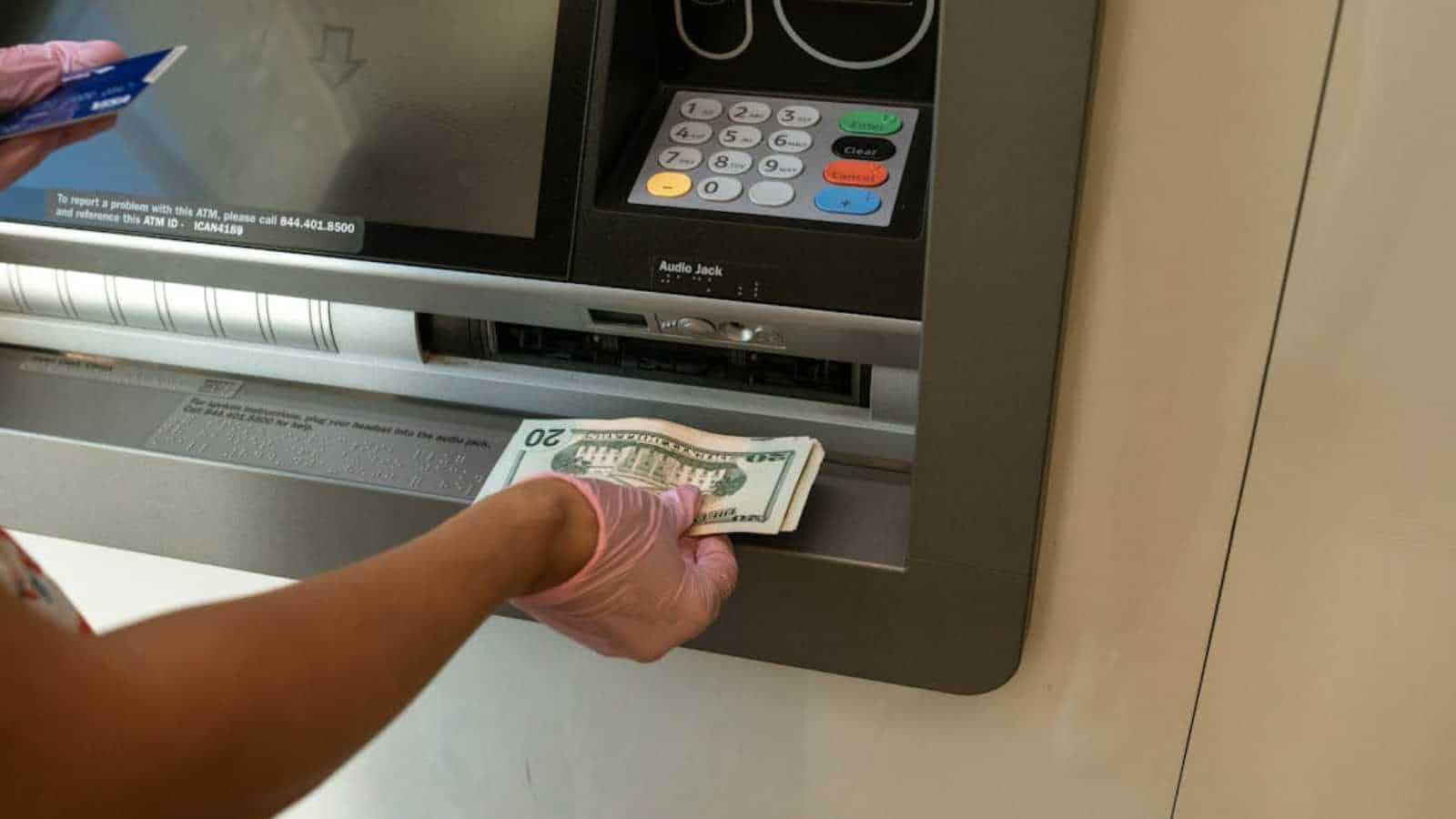
Cash is king, but it’s also filthy. The fibrous material of U.S. dollar bills traps germs, and researchers have identified 3,000 types of bacteria on banknotes, including microbes from skin, mouths, and pets. It circulates for years, passing through thousands of unwashed hands.
To make matters worse, the ATM you use to get that cash is just as bad. ATM buttons are often as dirty as public toilets because people eat food and then punch in their PINs, leaving behind nutrients that feed bacteria. Use a knuckle to type your code, or better yet, wash your hands immediately after banking.
Key Takeaway

We live in a microbial world, and while we can’t sterilize everything, we can be smarter about what we touch. The “toilet seat” isn’t the villain—it’s the gas pumps, sponges, and phones that fly under our radar.
You don’t need to live in a bubble, but a quick hand wash after handling these 10 items can save you from a world of trouble. Stay safe, wash up, and maybe swap that kitchen sponge today!
Disclosure: This article was developed with the assistance of AI and was subsequently reviewed, revised, and approved by our editorial team.
20 Odd American Traditions That Confuse the Rest of the World

20 Odd American Traditions That Confuse the Rest of the World
It’s no surprise that cultures worldwide have their own unique customs and traditions, but some of America’s most beloved habits can seem downright strange to outsiders.
Many American traditions may seem odd or even bizarre to people from other countries. Here are twenty of the strangest American traditions that confuse the rest of the world.