15 homeowner “freedoms” that are actually against the rules
Owning a home is often seen as the ultimate symbol of personal freedom, but in reality, hidden rules and restrictions quickly become apparent to most homeowners.
Many homeowners are unaware that certain actions, such as installing a new fence or adopting a pet, may violate local regulations or homeowner association rules. According to a recent analysis of U.S. housing, roughly one in four homes is part of a homeowners association, meaning millions of owners live under rules that can dictate everything from paint colors to parking and pets.
It’s easy to think of your house as your own space where you make the rules. In reality, there are guidelines meant to protect the community, the environment, and your property’s value. If you break these rules without knowing, your excitement about making changes can quickly turn into frustration.
Some of the most common homeownership “freedoms” are actually governed by laws and regulations that are easy to overlook. Always research these rules before making changes, as violating them can lead to penalties and unnecessary complications.
Parking your car where you want

If you’ve got a spacious driveway or a large lot, it might seem like no big deal to park your car wherever you please. However, many cities have zoning laws that restrict where you can park.
Some neighborhoods don’t allow street parking, so you might have to park on your own property. This rule can also apply to RVs, boats, or trailers. Many people are surprised by how strict local parking rules can be. RVs, boats, and trailers can also be subject to parking regulations.
Keeping vehicles off the street helps preserve the neighborhood’s aesthetic and ensures smooth traffic flow. Parking regulations are common in suburban areas and exist to manage both. Always check your local municipality’s rules before parking outside your property to avoid fines or having to relocate your vehicle later.
Cutting down trees

Even if a tree is on your property, you can’t always cut it down without permission. Many local governments have rules to protect certain trees, and you might need a permit, especially for protected species.
These rules help keep green spaces, balance nature, and maintain the area’s look. The Arbor Day Foundation notes that thousands of communities across the U.S. participate in tree programs like Tree City USA, which typically involve having local tree care policies or ordinances to guide how trees are managed.
These ordinances help protect urban forests, ensuring a healthy environment for future generations. Before cutting down any tree, it’s important to check local guidelines to ensure you comply and avoid costly fines or replanting requirements.
Building a fence wherever you want

A backyard fence may seem like a simple way to create privacy and protect your pets, but that doesn’t mean you can just throw one up wherever you like. Many areas require you to submit plans and get approval before constructing a fence, particularly if it exceeds a certain height or is placed in a specific area of your property.
Fencing regulations exist to maintain the neighborhood’s cohesion and prevent properties from disrupting the area’s visual appeal, making it essential to follow these rules to avoid complications.
Fencing rules ensure fences don’t block views, cause drainage issues, or harm the neighborhood’s appearance. Some places also regulate fence materials. Key takeaway: Get approval before building any fence to avoid fines or removal.
Having pets that are banned in your area

Pets are often considered family, but not all pets are welcome in every neighborhood. Exotic pets or certain dog breeds may be banned in your area, and it’s essential to check local regulations before adopting or purchasing a pet.
Breed‑specific legislation (BSL) has been adopted in some cities and counties due to concerns about public safety, and certain breeds, such as pit bulls and rottweilers, may be restricted for these reasons.
Many pet laws are designed with safety in mind to protect both the community and animals. Always check before adopting—key takeaway: never assume any pet is automatically allowed in your neighborhood.
Renovating without permits
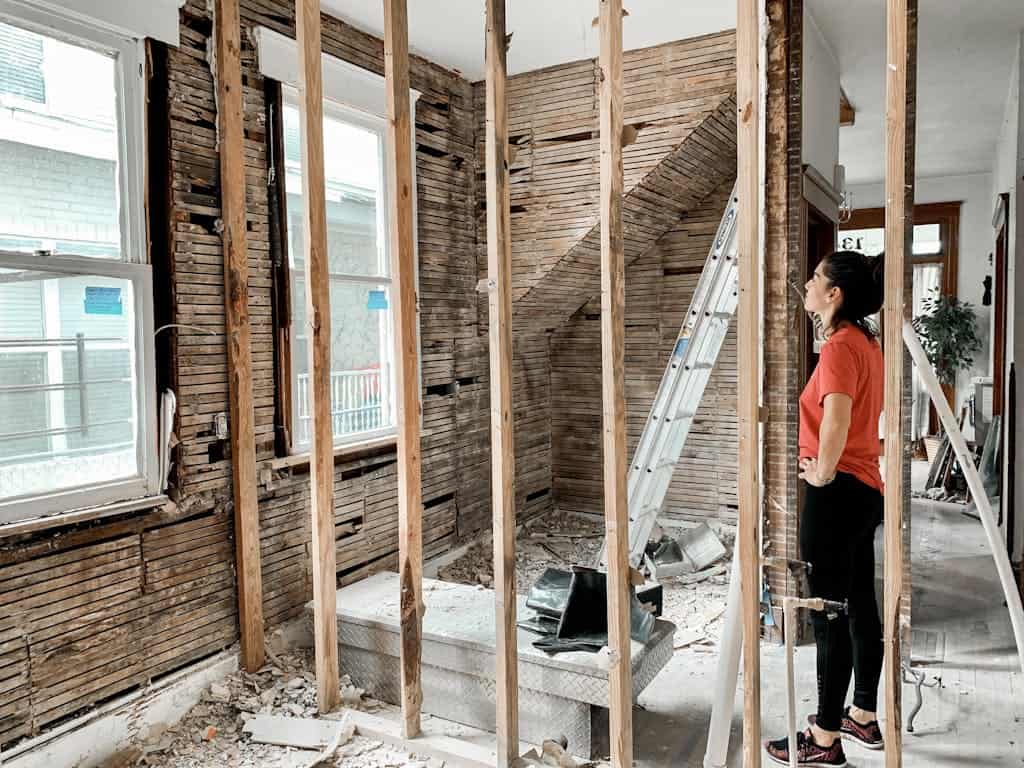
It’s tempting to dive into home renovations and start remodeling, but many major projects require permits from your local city or county. Whether it’s updating your kitchen or adding a new bathroom, you may need approval to ensure your work meets safety codes.
Local authorities require homeowners to submit plans and obtain permits for significant alterations to ensure compliance with established building standards, which help protect your safety and the safety of others in the neighborhood.
Many projects, such as electrical work or structural changes, can pose hazards if done incorrectly, which is why these laws exist. Permits aren’t just paperwork; they ensure your project is safe and up to code.
Changing exterior colors without approval

Painting your house may seem like a simple change, but if you live in a neighborhood governed by a homeowners association (HOA), you might need approval before changing the exterior color. Even something as simple as painting your front door may require permission, depending on the community’s rules.
Many HOA communities have strict guidelines to maintain a cohesive neighborhood appearance and prevent any one house from disrupting the area’s overall look. Many HOAs use architectural guidelines to control exterior paint colors, ensuring homes follow an approved palette to maintain a consistent neighborhood look.
If you don’t get the proper approval, you could face fines or be forced to repaint, making it essential to check with your HOA before applying any new coat of paint. These guidelines are designed to preserve property values and ensure that all homes meet the community’s aesthetic standards.
Installing a pool without permission
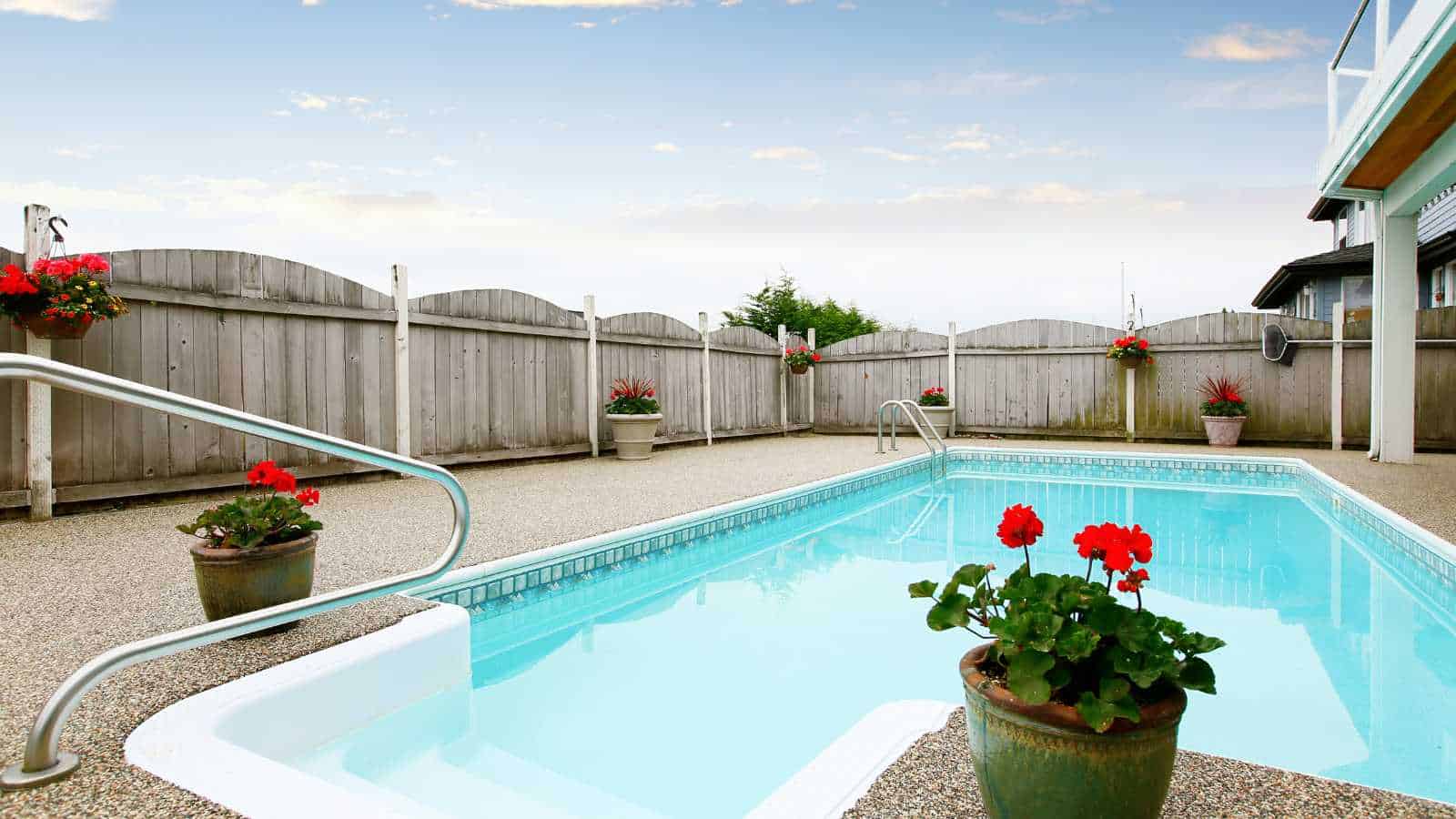
A pool might sound like the perfect backyard addition, but installing one may require a permit or compliance with local zoning laws, especially regarding safety measures. Many municipalities have specific rules about pool construction, including requirements for fencing and setbacks from property lines.
These regulations are in place to protect the safety of children and animals and to ensure that pools don’t pose a hazard to neighbors. The U.S. Consumer Product Safety Commission reports an average of about 357 children under the age of 15 fatally drowned in pool- or spa-related incidents each year, with those aged 1-3 years accounting for 68% of the reported fatalities in the same time frame
Before you break ground on your backyard oasis, check local ordinances to ensure that you meet all necessary safety requirements and obtain the proper permits.
Starting a home business without a license

Starting a business from home is an appealing idea, but doing so without the necessary licenses or permits can lead to legal trouble. Whether you’re offering tutoring services or selling handmade crafts, you may need a business license or special permits, depending on your location. Operating a business without proper licensing can lead to fines, forced closure, or even eviction, depending on local zoning laws.
U.S. Census Bureau data indicate that nearly half of all U.S. businesses are operated from home, meaning many entrepreneurs must navigate local zoning rules even when they never open a storefront. Home‑based businesses must adhere to local zoning laws, and in many cases, businesses that do not meet these regulations can be shut down or fined for non‑compliance.
It’s crucial to be aware of these restrictions and apply for the necessary licenses before launching your business.
Subletting your property

Renting out a room or subletting your place can be a good way to make extra money, but it might break your lease or local laws. Many cities have rules about short-term rentals like Airbnb, and breaking them can lead to fines or eviction. Always check local rules, especially if you have an HOA.
Unauthorized subletting and short-term rentals are a major source of conflict. Many homeowners face fines for renting without proper licenses. Key takeaway: Research and comply with subletting and short-term rental rules before listing any property.
Altering the landscape without approval

Landscaping is a fun way to improve your yard, but you can’t always plant whatever you want. Some places have rules against big landscaping changes that affect water flow or drainage. These rules help prevent problems like erosion, flooding, and pollution.
Bad landscaping can cause erosion, which is why the EPA stresses proper landscaping and site design. Some cities require approval for big projects. If you want to redo your lawn or add things like a pond or garden, check local rules first.
Building a shed or outbuilding without permits

Sheds and outbuildings are handy for storage, but you usually need a permit to build them. Local zoning laws often require approval, especially if the shed is big or close to property lines. Some cities also have building codes to ensure safety and structural integrity.
Many homeowners build sheds or outbuildings without permits and face fines or must modify or remove them. Key takeaway: always check local requirements before adding any structure.
Installing a satellite dish

Many homeowners want the ability to install a satellite dish, but there are often restrictions on where they can place it. While the Federal Communications Commission (FCC) allows homeowners to install a satellite dish, many homeowners want to do so, but there are often rules about where they can place it.
The FCC allows you to install certain dishes, but local laws or HOA rules may limit where they can be installed. These rules help prevent blocked views or safety issues. Your satellite dish is important to confirm local regulations to avoid potential fines or removal requests. Check with your HOA or local zoning department to ensure you meet all installation requirements.
Renovating without insurance

Home improvements can go wrong, and assuming that your home insurance covers all renovations could be a costly mistake. Major renovations often require additional coverage to protect against accidents or damage that could occur during the work.
If your standard home insurance policy doesn’t cover certain types of renovation projects, you may be left responsible for any damage that occurs. Yahoo Finance found that only about 3 in 10 homeowners feel confident they know what their home insurance policy actually covers, leaving many at risk of costly surprises when they file a claim.
This can lead to surprises when making a claim. Before starting a big renovation, make sure your policy covers it or get extra insurance.
Using a property for commercial purposes

Running a business from your home might seem like an easy way to earn money, but it can violate zoning laws. Most residential areas prohibit certain types of commercial activity, especially when they increase traffic, noise, or the need for extra parking.
Using your home for commercial purposes can result in fines or legal action, depending on local zoning laws and HOA rules. According to small‑business data summarized by the U.S. Small Business Administration, about half of all U.S. businesses start at home, and around 60% of businesses with no employees are home‑based, which means many entrepreneurs need to pay close attention to zoning, parking, and noise rules even if they never open a storefront.
Many home‑based businesses face restrictions related to residential areas, so it’s important to research local rules before running your business from home.
Building a driveway without permission

Adding a driveway to your property may seem simple, but it may require permits and approval from local authorities. Improperly built driveways can lead to drainage issues and conflicts with neighbors if they encroach on their property.
Many cities require specific materials and construction methods to ensure driveways are safe and effective. Failure to comply with local driveway building codes can result in fines or the need to remove the driveway entirely.
Before laying concrete, be sure to check with local building officials to ensure your driveway meets all required standards. Proper planning ensures a smooth process and prevents future complications.
Using your home for events

Throwing parties or family gatherings can be fun, but it might break the rules in some neighborhoods. Many places limit the number of guests and the level of noise. Big events can bother neighbors and lead to complaints or fines.
Many cities have rules about how late or how big gatherings can be without a permit, especially in neighborhoods. Before hosting an event, review these rules to avoid disturbing neighbors or incurring a fine.
Like our content? Be sure to follow us.