12 gifts grandmothers secretly dread receiving but rarely admit
More than one in four adults over 65 say they would rather receive no presents at all, according to a 2025 YouGov survey, a sharp shift from younger generations, who still associate gifts with excitement and surprise.
The wrapping paper crackles, the room smells like cinnamon and coffee, and a grandmother smiles before anyone even sees her reaction. You can feel the quiet pressure in those moments. Families want to show love through objects, yet many older women have already spent decades collecting, sorting, storing, and letting go. A gift that feels thoughtful to one person can come across as another item that needs space, care, or polite gratitude.
Rarely is such strain expressed out loud. Even when a gift falls short, most grandmothers nod warmly and express gratitude because they understand how much work goes into choosing one. But over time, trends become apparent. Younger family members frequently overlook the ways aging affects comfort, mobility, vision, and daily routines. In their homes and routines, which they already cherish, many grandmothers secretly want less clutter, less work, and more ease.
Large Wall Decor

The soft glow from a table lamp catches a giant framed canvas leaning against the wall, still waiting for a place to go, months after the holiday ended. You can almost hear the hesitation in a grandmother’s voice as she says it is “beautiful” while mentally rearranging furniture.
Large wall art often feels personal to the buyer, yet it can create stress for older adults who have spent years shaping familiar spaces. The American Foundation for the Blind reported in 2024 that 13.6 million Americans over 65 live with vision loss.
Detailed artwork may not even be easy to enjoy anymore. Many grandmothers would rather keep rooms calm, familiar, and filled with memories they already love.
Food They Cannot Eat

The smell of caramel popcorn and rich chocolate drifts from a glossy gift basket sitting unopened on the kitchen counter. You picture a grandmother reading nutrition labels before quietly sliding the treats aside.
Food gifts seem safe because everyone eats, yet older adults often manage strict limits tied to blood sugar, sodium, or inflammation. The CDC reports that 21.3% of American adults have diagnosed arthritis, a condition that often overlaps with other health concerns requiring careful diets.
A grandmother may deeply appreciate the thought while feeling unable to enjoy the gift itself. That disconnect turns a cheerful surprise into another reminder of what her body no longer handles easily.
Unused Kitchen Gadgets
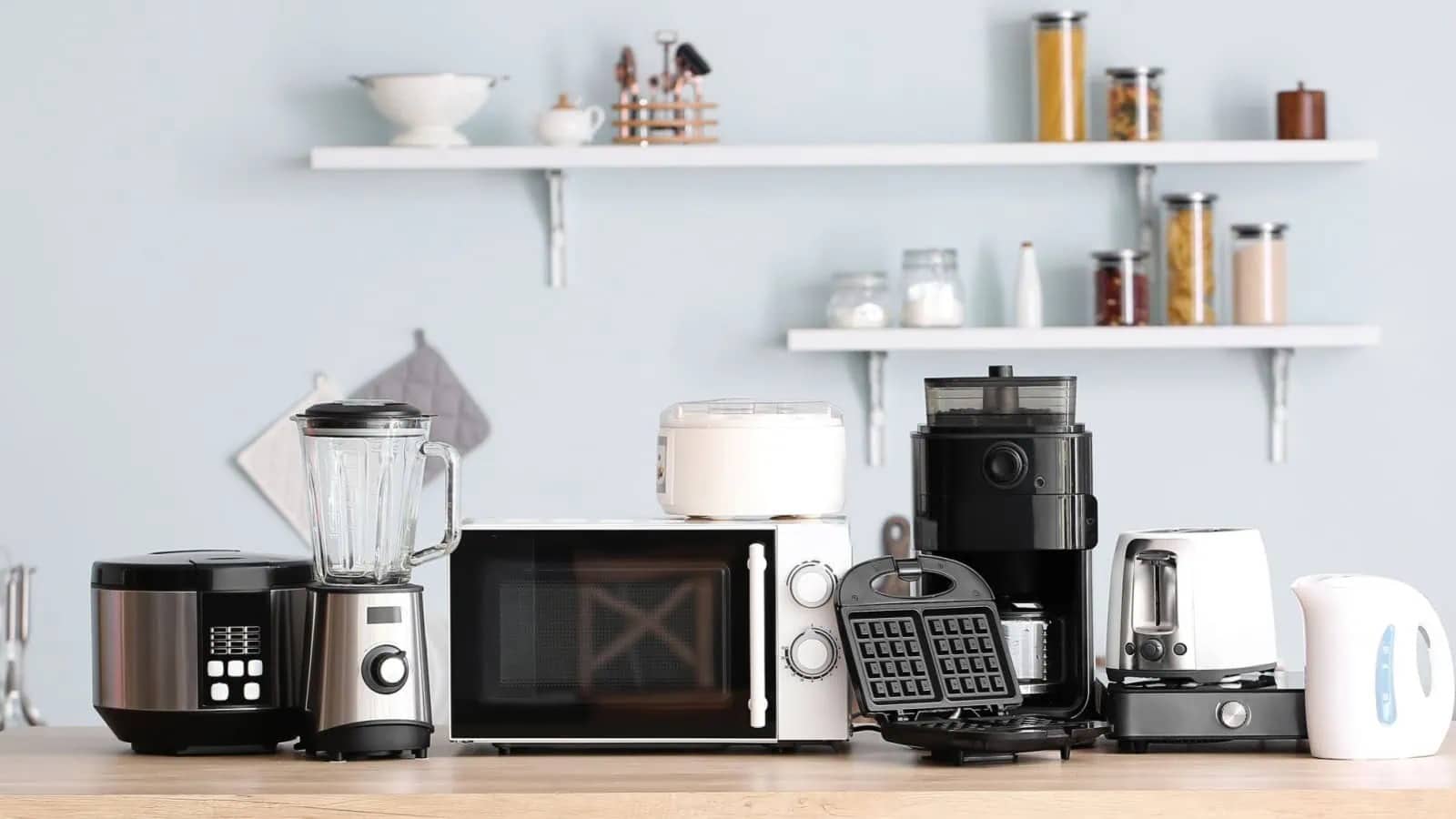
The sharp scent of cardboard rises as another bulky appliance gets lifted from holiday wrapping and placed beside three others already tucked away in a cabinet. You can sense the silent calculation happening immediately.
Where will this even fit? Many grandmothers have downsized homes or simplified kitchens after years of raising families. A novelty appliance often creates more work than joy.
Specialized gadgets often need extra ingredients, cleanup, and storage space. What sounded fun in a store can quickly feel like clutter collecting dust.
Complicated Tech Gifts

The blinking light of a new smart device fills the room while younger relatives eagerly explain apps, passwords, syncing, and updates all at once. A grandmother nods politely, though the excitement around her rarely matches what she feels inside.
Many older adults already struggle with technology overload and dislike depending on others for constant troubleshooting. A 2025 YouGov survey found that 27% of adults over 65 prefer receiving no presents at all, the highest share of any age group.
Complicated gadgets often become symbols of pressure rather than convenience. Instead of making life easier, they can leave grandmothers worried about breaking something they never asked for.
Heavy Coffee Table Books

At first, it sounds spectacular when a glossy book hits a hardwood table with a thick thud. Then you see how infrequently it is opened. Although heavy coffee-table books may appear attractive, many grandmothers find them difficult to handle due to their weight, small print, or awkward size.
According to the American Foundation for the Blind, 22.8% of people over 65 experience visual loss, which makes it more difficult to read dense pages. Handling heavy objects gets harder with age, according to studies on grip strength and aging.
Although a grandmother may adore the topic, she may secretly wish it were available in a lighter format that she could fit in her beloved chair.
Strong Scented Products
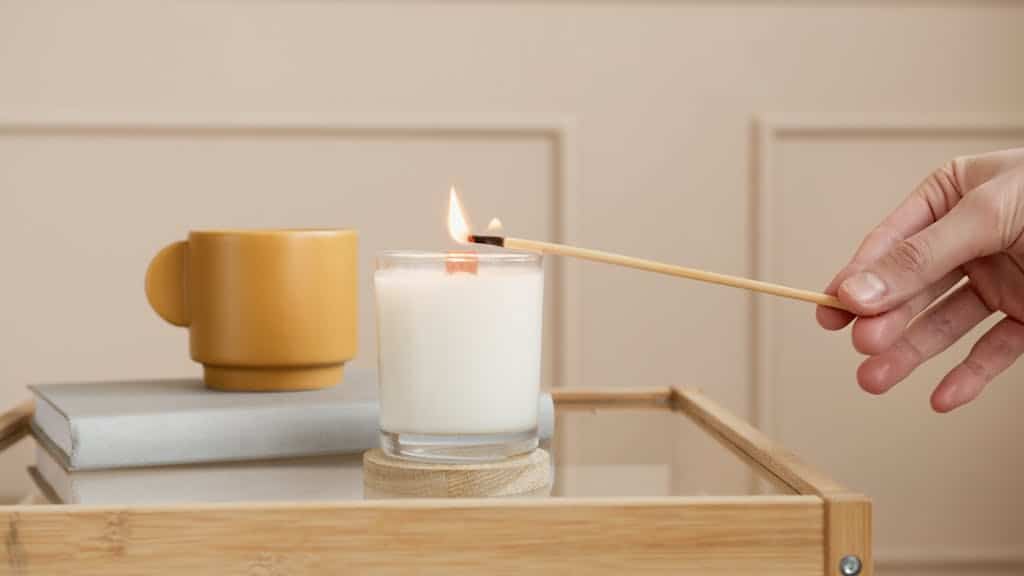
The sharp perfume of lavender soap fills the bathroom before the gift bag is even fully unpacked. What smells relaxing to younger relatives can feel overpowering to an older nose within seconds.
Research published by the National Center for Biotechnology Information found that age-related loss of smell affects most people over 65. That shift changes how scents are processed, often making strong fragrances irritating instead of soothing.
Many grandmothers quietly stash scented lotions under the sink because the smell triggers headaches or discomfort. The gift is still warmly praised at family gatherings, though the products themselves often remain untouched long after everyone leaves.
Clothes That Are Hard To Wear

In the dark light of the bedroom, small buttons won’t line up correctly, and the smooth fabric slips through stiff fingers. Even before the entire ensemble is put on, you can see the frustration growing.
While older individuals are much more concerned with comfort and ease, clothing gifts frequently prioritize style. The CDC reports that 21.3% of American adults suffer from arthritis, with rates rising substantially among the elderly.
Tight cuffs, concealed zippers, and challenging clasps can make dressing a taxing chore. When they see stylish clothing that they know they will never wear outside of the fitting room mirror, many grandmothers smile politely.
High Maintenance Plants

The bright orchid by the window looks gorgeous during the first week, then slowly becomes a source of quiet guilt as petals begin to fall. You can almost feel the pressure tied to keeping it alive.
High-maintenance plants demand sunlight, watering schedules, trimming, and steady mobility that many older adults no longer have energy for. InnovateAge research showed that millions of seniors struggle with basic community movement and daily physical activity.
A grandmother may love flowers while dreading the work attached to caring for them. Simple bouquets fade naturally, but living plants can leave her feeling responsible for yet another fragile thing.
Unused Store Gift Cards

The small plastic card slips into a kitchen drawer crowded with old coupons, batteries, and unread receipts. Months later, it is still sitting there untouched. Gift cards sound practical, yet many grandmothers have little interest in trendy stores aimed at younger shoppers.
A Bankrate survey found that 47% of American adults have at least one unused gift card, representing billions in forgotten value nationwide. Older adults are among the most likely groups to leave them unused.
Distance, online ordering hurdles, and unfamiliar brands all play a role. A gift meant to offer freedom can quietly become another errand that never feels worth starting.
Exhausting Experiences Gifts

The concert tickets look exciting on paper until the details start piling up. Parking, walking, crowds, traffic, timing, and long restroom lines suddenly outweigh the fun itself.
Experience gifts are often praised as preferable to physical items, yet they can still cause stress for older adults with limited mobility or reduced stamina. InnovAge research found that in 2015, 28% of older adults could not walk three blocks comfortably.
Grandmothers may crave time with family more than elaborate outings. A calm lunch with grandchildren often means more than a packed event requiring hours of preparation and recovery afterward.
Difficult Hobby Kits
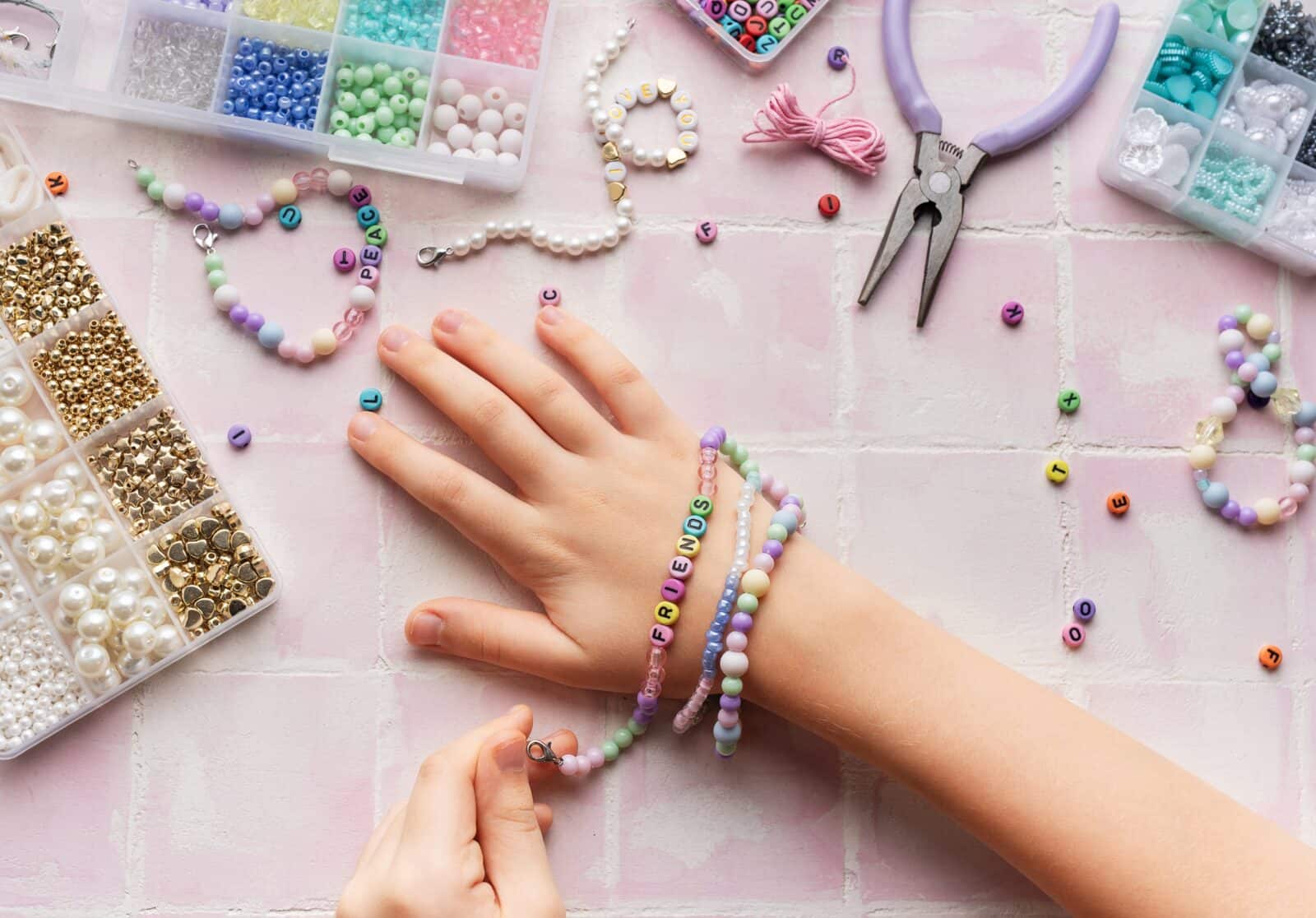
The faint rattle of miniature tools and tightly packed craft supplies spills across the dining room table while instruction sheets unfold into dense blocks of tiny print. What looked relaxing in the store quickly feels overwhelming at home.
The American Foundation for the Blind reports that 22.8% of adults over 65 experience vision loss, making detail-heavy hobbies harder to enjoy. Fine motor skills also weaken with age, turning delicate projects into frustrating chores.
Many grandmothers still love creativity and hands-on activities, though they prefer hobbies built around comfort and pleasure. Kits demanding perfect precision often stay sealed long after the holidays pass.
Gifts They Never Wanted

The room grows quiet for a second after the last package gets opened, and a grandmother’s smile carries more gratitude for the people than the presents themselves.
That moment reveals something many families miss. A 2025 YouGov survey found that 27% of adults over 65 would prefer no gifts at all, a far higher share than among younger generations.
After decades of birthdays, holidays, and household clutter, many grandmothers simply value time, conversation, and calm over wrapped gifts. They rarely say it directly because they do not want to hurt feelings. Still, the happiest gift for many is often a simple visit that asks nothing from them.
Disclaimer – This list is solely the author’s opinion based on research and publicly available information. It is not intended to be professional advice.
Like our content? Be sure to follow us