12 everyday costs that could rise as wholesale inflation surges 6%
Wholesale inflation does not stay politely behind factory doors. It travels. It climbs into diesel tanks, rides with grocery trucks, squeezes airline fuel budgets, hides inside packaging costs, and eventually lands where everyone notices it most: the receipt.
The Bureau of Labor Statistics reported that the Producer Price Index for final demand rose 1.4% in April 2026 and 6.0% over 12 months, the fastest annual increase since December 2022. Goods rose 2.0% in April, services rose 1.2%, and core producer prices, excluding food, energy, and trade services, climbed 4.4% over the year.
That is the flare in the dark. Businesses are already paying more, and the next stop may be your grocery cart, gas tank, utility bill, and delivery fee. The timing stings because households are already running on fumes. Consumer prices rose 3.8% over the year ending in April, with energy up 17.9%, gasoline up 28.4%, electricity up 6.1%, food at home up 2.9%, and fruits and vegetables up 6.1%.
So this is not some distant Wall Street chart for people in pressed suits. It is a kitchen-table warning. A 6% surge in wholesale inflation means pressure is building before shoppers feel the full hit, moving through freight routes, restaurant menus, repair shops, rent fees, insurance renewals, airline tickets, and monthly bills. The receipt may not jump all at once, but the cost pressure is already moving through the pipes.
Gasoline and Diesel

Fuel is the first place many people feel wholesale inflation, because it shows up as a number they can see from the road. BLS reported that final-demand energy prices jumped 7.8% in April, and more than 40% of the April rise in final-demand goods came from a 15.6% jump in gasoline.
Diesel matters just as much, even for people who never touch a diesel pump, because trucks move groceries, furniture, medicine, packages, construction materials, restaurant supplies, and nearly everything else that has to cross the country before reaching a shelf.
BLS found that diesel fuel jumped 12.6% in April and accounted for nearly a quarter of the rise in processed goods for intermediate demand. That means this is not just about your commute. Every delivery van, school bus, farm machine, freight truck, and rideshare driver becomes part of the inflation chain.
Groceries

Grocery inflation can feel random, but it often starts before food reaches the store. BLS reported that final-demand foods rose 0.2% in April, processed foods and feeds rose 0.4%, and unprocessed foodstuffs and feedstuffs rose 2.7%.
At the consumer level, food at home was already up 2.9% over the year ending in April, while fruits and vegetables were up 6.1%, nonalcoholic beverages rose 5.1%, and cereals and bakery products rose 2.6%. That tells you something important: the shelf price is only the final stop.
Before that, farmers, processors, packagers, cold-storage firms, truckers, wholesalers, and retailers all face their own rising costs. Majestic Steel’s analysis of wholesale indexes puts the pass-through problem simply: “Ultimately these prices get passed on to consumers.” Grocery stores may hold prices for a while to protect customer loyalty, but if fuel, freight, packaging, and food inputs stay high, the aisle eventually talks.
Electricity, Heating, and Utility Bills
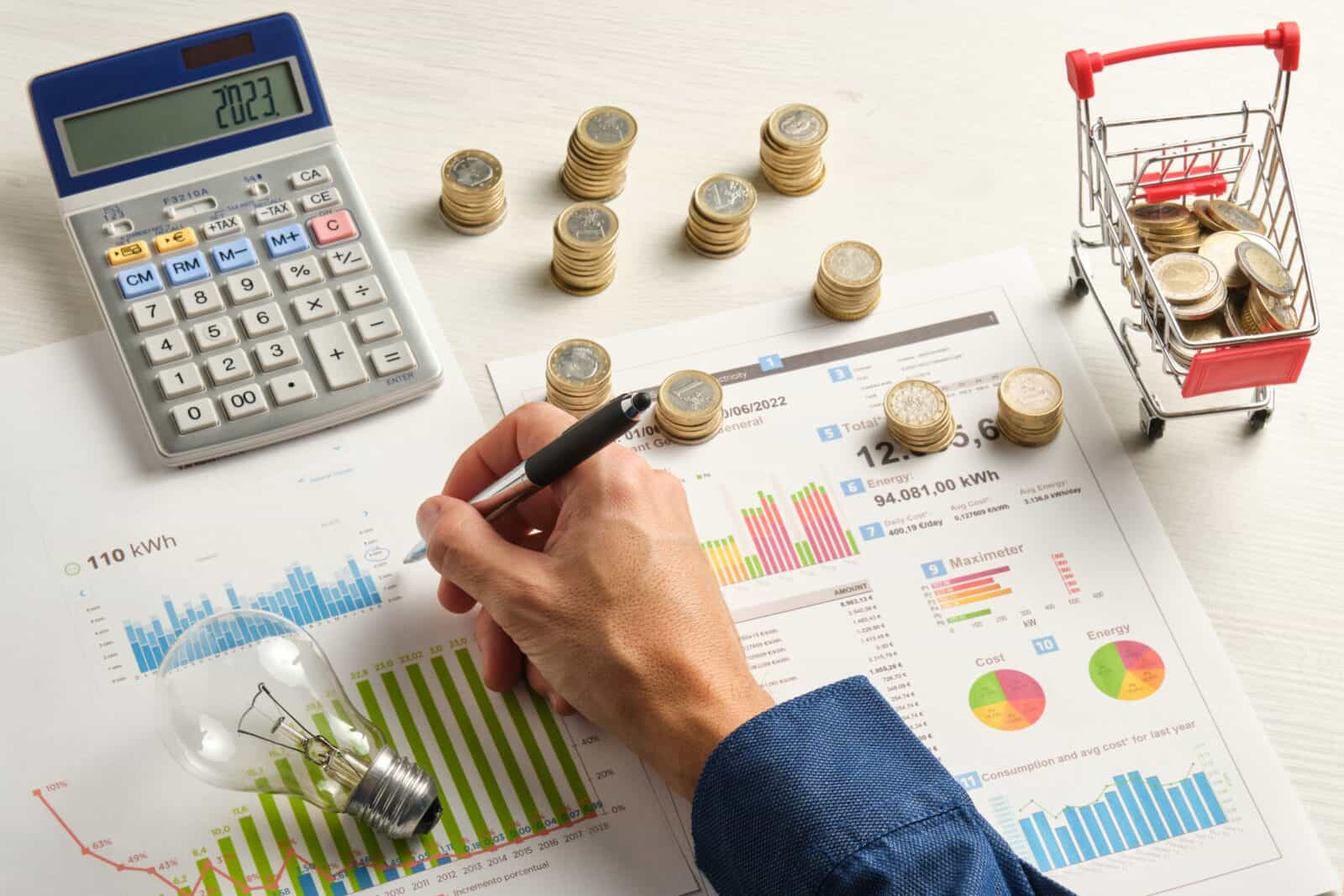
Energy shocks do not stop at gas stations. They move on to electricity, heating, fuel oil, and the hidden costs of keeping homes and businesses running. BLS reported that consumer energy prices rose 17.9% over the 12 months ending in April, with gasoline up 28.4%, electricity up 6.1%, natural gas up 3.0%, and fuel oil rising 54.3%.
On the producer side, final-demand energy rose 7.8% in April, and processed energy goods also rose 7.8%. Utility bills can lag because rates often move through regulators, contracts, and fuel-cost adjustment formulas, but lag does not mean escape. Power companies still pay for fuel, grid equipment, repairs, financing, storm response, and maintenance.
When those costs rise, households may see them later as rate hikes, surcharges, higher monthly plans, or fewer cheap energy options. The bill can look calm for a month, then arrive with teeth.
Shipping, Deliveries, and Online Shopping

Online shopping taught people to expect cheap or free shipping, but shipping was never magic. Someone always paid for the truck, the warehouse, the route, the driver, the fuel, the packaging, and the return label.
BLS reported that final-demand transportation and warehousing services rose 5.0% in April, while intermediate-demand services rose 1.1%. Half of that increase in intermediate-demand services came from transportation and warehousing, which jumped 3.7%, and from truck transportation of freight, which rose 8.1%.
That is the quiet reason delivery fees can creep up, free-shipping minimums can rise, and retailers can bury freight costs inside item prices. The box on the porch may look the same, but the trip behind it is getting pricier.
For bulky goods, low-margin products, groceries, furniture, and fast delivery, the pressure can show up fast because shipping is not a side cost. It is the bloodstream.
Restaurant Meals and Takeout

Restaurants sit right where several inflation rivers meet: food, rent, wages, utilities, insurance, packaging, delivery apps, cooking fuel, and freight. BLS reported that food away from home rose 3.6% over the year ending in April, with full-service meals up 3.8% and limited-service meals up 3.2%.
The producer side adds more pressure, since final-demand services rose 1.2% in April, the largest increase since March 2022, while fuel, vegetables, industrial chemicals, diesel, and freight also moved higher. A restaurant may not slap a dramatic price jump on the menu overnight, because customers notice.
Instead, the change can come in quieter forms: a $17 sandwich becomes $18.50, fries cost extra, delivery minimums rise, portions shrink, or service fees appear like weeds after rain. Eating out is already a small treat for many families. Wholesale inflation can turn that treat into one more budget negotiation.
Clothing, Furniture, and Household Goods

People often call clothing, furniture, and home goods “discretionary,” but that word falls apart when the kid outgrows shoes, the mattress caves in, the couch breaks, or the work clothes need replacing. BLS reported that household furnishings and operations rose 0.7% in April and 3.9% over the year, while apparel rose 0.6% in April.
On the producer side, the April PPI report named industrial chemicals, electronic components and accessories, plastic resins and materials, and machinery and equipment wholesaling among categories that moved higher. Those inputs touch a wide range of everyday goods: sofas, appliances, storage bins, cookware, school supplies, bedding, lamps, and basic home repairs.
Kurt Rankin, senior economist at PNC, warned in Investopedia that “oil, metals, commodities, fertilizers, and plastics are all directly impacted” by the Iran conflict, meaning the pressure extends beyond fuel alone. When new inventory replaces old stock, sticker prices can start telling that story.
Car Repairs, Tires, and Maintenance

Car repairs can be among the nastiest household surprises because people often delay them until the car makes a sound no one can ignore. Wholesale inflation can make that moment more expensive.
BLS reported that truck transportation of freight, fuels, and lubricants; retailing; machinery and equipment wholesaling; industrial chemicals; electronic components and accessories; and plastic resins and materials moved higher in April. Those categories matter to repair shops because parts must be manufactured, shipped, stocked, insured, and installed.
Tires, brake pads, batteries, oil, lubricants, sensors, hoses, towing, and shop supplies all sit inside that cost chain. Consumer data already shows transportation services up 4.3% over the year ending in April, and airline fares are not the only travel-related pain point. For drivers keeping older cars because new ones cost too much, the maintenance trap is real: avoiding a car payment does not mean avoiding car inflation.
Airfare and Travel Costs

Travel inflation loves fuel shocks because planes, hotels, shuttle buses, rental cars, cruise suppliers, and tour operators all depend on energy and logistics. BLS reported that jet fuel prices rose at the producer level in April, while consumer airline fares rose 2.8% in April and 20.7% over the year. Lodging away from home also rose 2.4% in April.
That means a family trip can get squeezed from several angles at once: higher airfares, higher hotel rates, pricier rideshares, higher rental-car costs, bigger food bills on the road, and more fees tucked into booking pages. Airlines are highly sensitive to fuel prices, as it is one of their highest operating costs, and they rarely permanently absorb higher fuel prices.
The cheap seat may still exist, but it often comes with less flexibility, worse times, fewer bags, and more fine print. Wholesale inflation can turn “we’ll take a quick trip” into “maybe next year.”
Rents and Housing-Related Fees

Wholesale inflation does not set rents directly, but it can raise almost everything related to housing. BLS reported that shelter rose 0.6% in April and 3.3% over the year, with rent and owners’ equivalent rent both up 0.5% for the month.
The PPI report also showed higher prices for legal services, machinery and equipment wholesaling, truck freight, chemicals, and materials used for maintenance, repairs, appliances, renovations, landscaping, and property operations.
For renters, that can show up as higher lease renewals, parking fees, trash fees, pet fees, amenity charges, or stricter rules around repairs. For homeowners, it can show up in repair quotes, appliance replacements, contractor bids, and HOA budgets.
Housing already takes the biggest bite out of many paychecks. When the behind-the-scenes costs of owning and operating property climb, landlords and managers often look for ways to pass the burden along.
Personal Services: Haircuts, Childcare, and Home Repairs

A 6% surge in wholesale inflation can also hit everyday services that people forget are businesses until their prices change. Salons buy products, pay rent, cover insurance, run utilities, and absorb card-processing fees.
Childcare centers pay staff, rent, food, cleaning supplies, insurance, software, classroom materials, and transport costs. Handymen and home-repair crews pay for fuel, tools, parts, permits, materials, and insurance. BLS reported that final-demand services rose 1.2% in April, the largest increase since March 2022, and the CPI showed personal care rose 0.7% in April.
That is why a haircut, daycare fee, cleaning visit, lawn service, or repair appointment can creep up even when the service itself feels unchanged. Small businesses do not have endless margins. When their own bills rise, the price of someone else’s hour rises too, and consumers feel it one appointment at a time.
Insurance Premiums and Professional Fees

Insurance is one of those bills that can rise even when you personally did nothing wrong. The reason is simple: insurers price risk through future claims, replacement costs, repairs, medical bills, legal expenses, disaster losses, and the cost of doing business.
BLS reported that legal services moved higher in April’s PPI report, while CPI data showed that medical care rose 2.5%, transportation services rose 4.3%, household furnishings and operations rose 3.9%, and shelter rose 3.3%. Those categories all matter because claims become more expensive when cars cost more to repair, homes cost more to rebuild, medical services rise, and lawyers cost more.
Professional firms also face higher rents, wages, software, insurance, utilities, and compliance costs. The result can land as higher premiums, deductibles, consultation fees, repair estimates, or service retainers. The renewal notice may feel personal, but it often reflects a whole chain of price pressure behind the curtain.
“Everything Else”
The real warning in this PPI report is not just one hot category. It is the spread. BLS reported that final demand less foods, energy, and trade services rose 0.6% in April and 4.4% over 12 months, the largest annual increase since February 2023.
Processed goods for intermediate demand rose 9.4% over the year, unprocessed goods for intermediate demand rose 20.9%, and stage 2 intermediate demand rose 11.1%. Investopedia noted that the April PPI increase was nearly triple the 0.5% rise forecasters expected, and Sal Guatieri of BMO Capital Markets warned, “Look for another heated consumer inflation report in May,” with pressure spreading beyond gasoline.
That is the phrase households should hear: beyond gasoline. Once businesses stop absorbing higher costs, inflation stops being just one line on the news and becomes everything else. A dollar here, a fee there, a smaller package, a higher renewal, a delivery charge, a less forgiving budget.
A Short Reflective Close
Wholesale inflation is the sound of prices knocking before they enter the house. It starts upstream, in fuel, freight, supplies, ingredients, parts, services, and business margins.
Then it moves downstream, into gas stations, grocery stores, delivery apps, repair shops, restaurant menus, rent notices, utility bills, and insurance renewals.
A 6% PPI surge does not mean every price will jump tomorrow, nor does it mean every company will pass on every cost. But it does mean the pressure is real. For consumers, the smart move is not to panic. It is attention.
Watch for recurring expenses, compare renewals, question fees, build a little cushion where possible, and treat “small” price increases as the warning signs they are.
Key Takeaways

- Producer prices rose 1.4% in April 2026 and 6.0% over 12 months, the fastest annual PPI increase since December 2022.
- Energy is the biggest pressure point, with final-demand energy up 7.8% in April and gasoline up 15.6% at the producer level.
- Consumer prices were already rising, with CPI up 3.8% over the year, energy up 17.9%, gasoline up 28.4%, and food at home up 2.9%.
- Freight costs matter because truck transportation of freight rose 8.1% at the intermediate-demand level in April.
- The biggest risk is delayed pass-through: businesses pay more first, then households feel it later through higher costs for fuel, food, utilities, repairs, travel, services, rent, and insurance.
Disclaimer – This list is solely the author’s opinion based on research and publicly available information. It is not intended to be professional advice.
Like our content? Be sure to follow us