10 states where homeownership could become a nightmare in 2026
For a lot of would-be homeowners, buying a house now feels less like settling down and more like stepping onto shaky ground.
The American Dream of owning a home feels like it is slipping away for many people as costs continue to rise every year, with no signs of slowing soon. Many experts warn that the housing market in 2026 will pose significant financial hurdles for buyers already struggling with high interest rates and inflation. While some areas might see price stabilizations, others are heading toward a crisis driven by soaring insurance premiums, extreme weather risks, and fluctuating property values.
Potential homeowners should review the data carefully before signing a mortgage contract in states with concerning trends. Real estate analysts have identified several regions where property maintenance costs could skyrocket, turning a profitable asset into a monthly financial burden. From the hurricane-prone coasts to the wildfire-ravaged west, these ten states are flashing warning signs that every buyer should take seriously.
New York

Living in New York has never been cheap, but the combination of high interest rates and rising maintenance costs is pushing homeownership out of reach for the middle class. Insurance premiums in the state continue to rise, adding another heavy financial burden to an already taxed population. This increase is hitting Long Island and coastal areas particularly hard, where storm risk is heavily factored into pricing models.
The migration of residents to cheaper states is leaving a glut of inventory in some upstate areas, while New York City remains prohibitively expensive for most people. Buyers are finding that the total cost of ownership, including taxes and insurance, makes renting a far more attractive financial option in 2026. High overhead costs in the Empire State block the traditional path to wealth through real estate.
Florida

The Sunshine State is quickly becoming a financial trap for homeowners facing an insurance market that is effectively collapsing under the weight of climate risk. According to a recent analysis by Realtor.com 429, the Cape Coral-Fort Lauderdale area is expected to experience the nation’s largest price decline next year, with home prices dropping by 10.2%. This significant drop in value could leave many recent buyers underwater on their mortgages, even as they continue to pay exorbitant premiums.
Retirees and families flocking to Florida for the warm weather are finding that the cost of living is much higher than they initially anticipated when planning their move. Insurance companies are exiting the state at an alarming rate, leaving residents with few options beyond state-backed plans that offer less coverage for more money. The dream of a beach house is fading as the reality of five-figure annual insurance bills sets in for many residents.
California

Homeownership in California has long been expensive, but the insurance crisis is adding another layer of difficulty for anyone trying to buy a property in 2026. Major insurers like State Farm have stopped accepting new applications in the state, forcing homeowners to rely on the expensive FAIR plan as a last resort. This lack of competition means that premiums are rising unchecked, making monthly payments unaffordable even for high earners.
The risk of wildfires continues to drive these costs up, and the state government is struggling to find a solution that keeps insurers from leaving the market entirely. For those who can afford the high purchase price of a home, the ongoing cost of protecting that investment is becoming a dealbreaker. Buyers must consider whether they can handle an insurance bill that could double or triple with very little notice.
Colorado
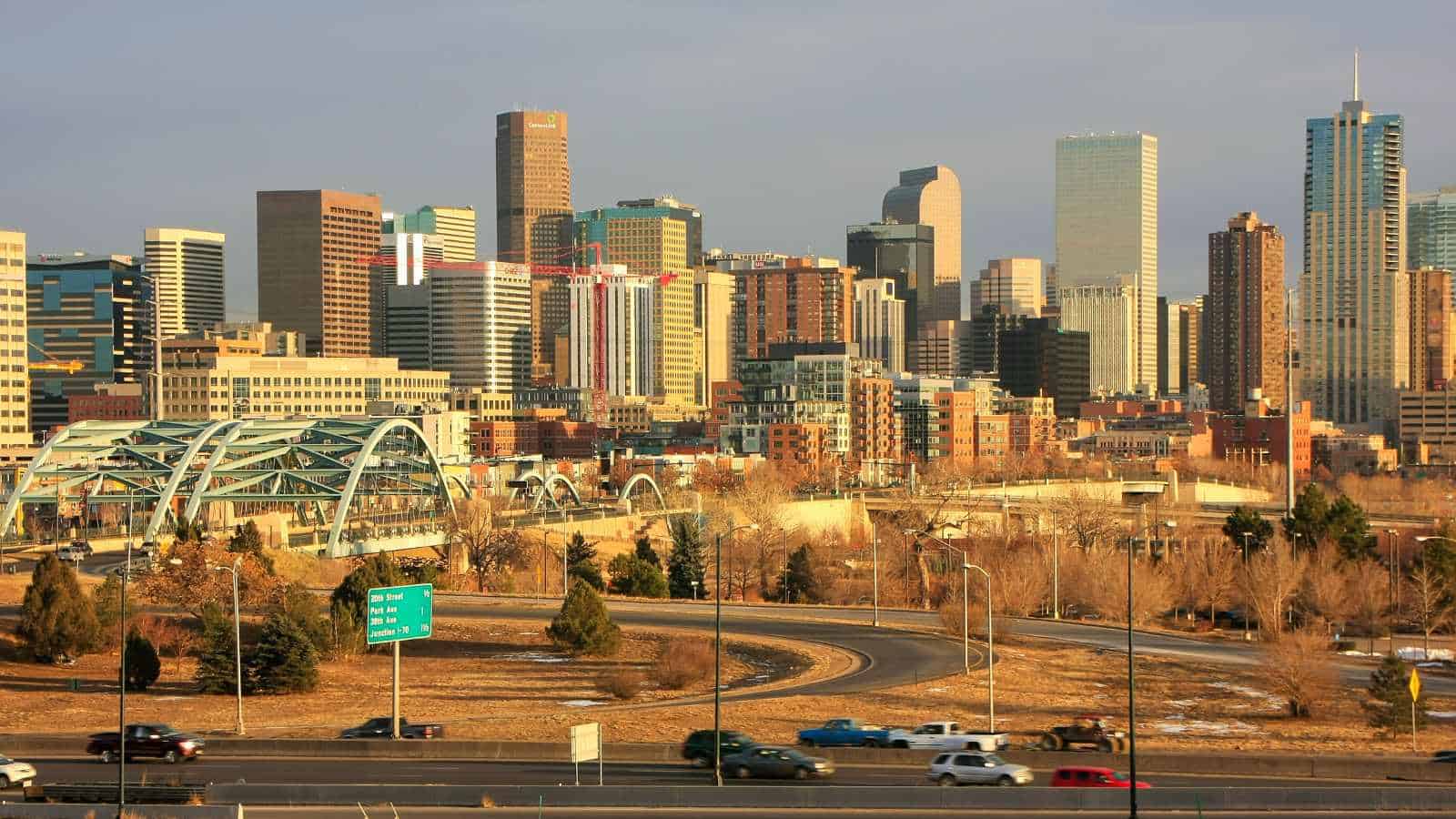
Homeowners in the Centennial State are facing a perfect storm of rising property taxes and insurance rates that are climbing faster than in almost any other state in the country. Data from the University of Colorado indicate that Colorado homeowners will face higher insurance rates due to escalating wildfire risks. This sharp increase is catching many residents off guard, especially those living in the mountain communities that were once considered safe havens.
New transparency laws on wildfire risk will take effect in July 2026 and could further affect property values in areas deemed high-risk by state models. Buyers should be extremely cautious about purchasing homes in the foothills, where fire mitigation requirements could add thousands of dollars to their annual maintenance costs. The natural beauty of the Rockies comes with a price tag that is becoming too steep for the average family.
Georgia

The housing market in Georgia is experiencing a shock as insurance premiums surge well above the national average, straining household budgets across the state. Matic reports that home insurance premiums in Georgia rose 28.4% last year and are projected to increase again next year, a trend that surprises many potential buyers. This increase is primarily driven by a rise in severe convective storms and higher home-rebuilding costs.
Atlanta and its surrounding suburbs are no longer the affordable alternatives to expensive coastal cities that they were just a few years ago. Property taxes are also rising as local governments seek to cover their own costs, creating a double whammy for new homeowners. Families moving to the Peach State need to budget significantly more for their monthly housing expenses than they did previously.
Washington

The Pacific Northwest is experiencing a cooling trend that may sound favorable on paper but signals trouble for sellers and uncertainty for buyers. Spokane home prices are projected to fall 3.5% in 2026, signaling a shift in market confidence that could spread to other areas. While lower prices might attract buyers, they also suggest that the local economy and housing demand are weakening.
Seattle and surrounding areas remain incredibly expensive, but the volatility in outlying regions like Spokane makes real estate a risky bet for short-term investors. Tech industry fluctuations and a slowing job market are contributing to unease, dampening the typically hot Washington housing market. Buyers need to be sure they plan to stay for the long term to weather potential dips in value.
Texas
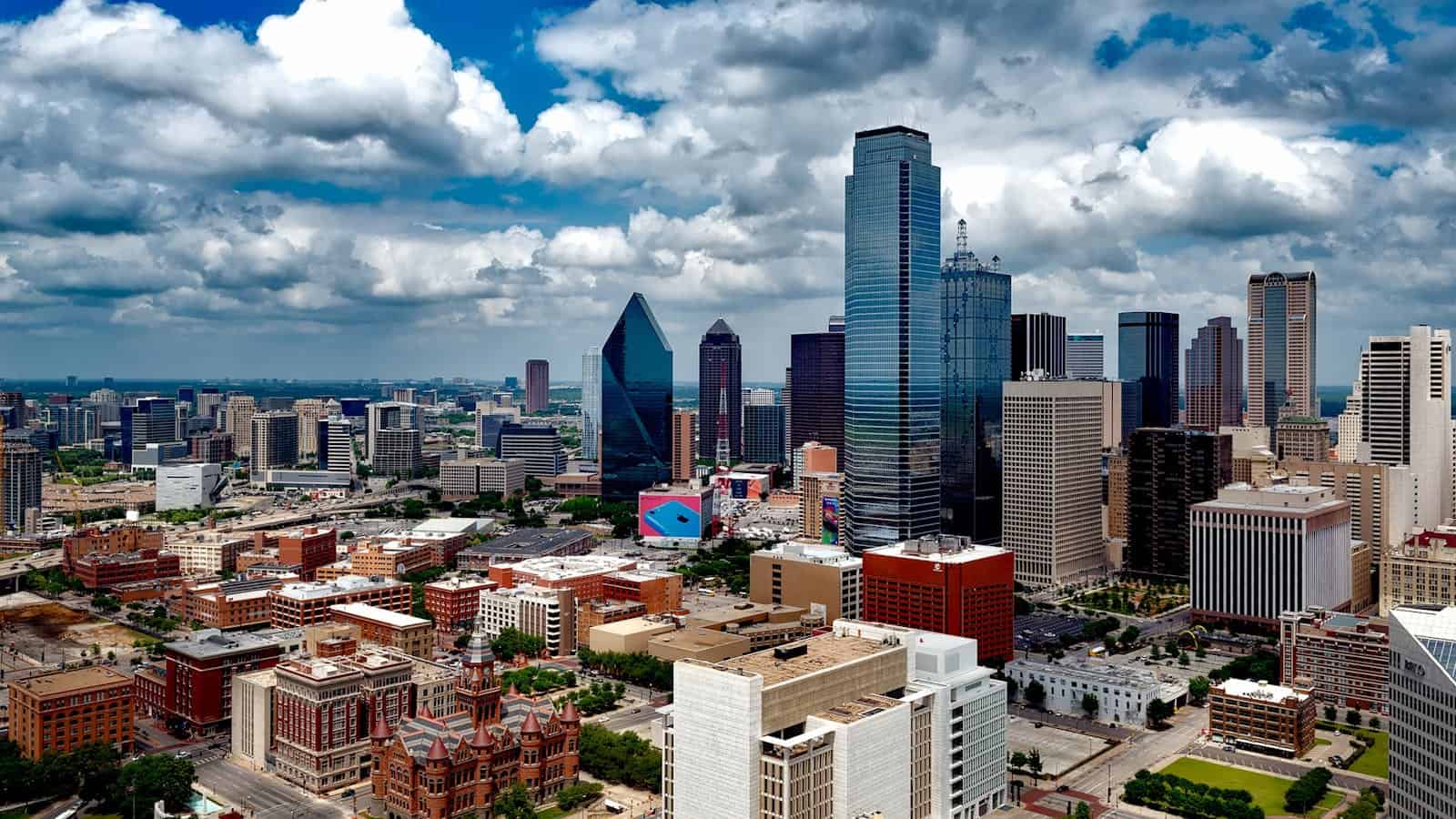
Texas has long been celebrated for its affordability, but rising property taxes and inventory issues are changing the equation for many prospective residents. While Zillow projects a modest 1.2% rise in home values nationally in 2026, Texas homeowners are seeing their gains eroded by some of the highest property tax rates in the nation. The lack of a state income tax is becoming less of a benefit as land costs continue to rise.
The supply of homes is also a complex issue, with some areas seeing a surplus while others remain tight, creating a disjointed market that is hard to predict. Builders are slowing down in certain regions, yet nationwide inventory levels are expected to stay roughly below pre-2020 averages by the end of 2026. This scarcity in desirable neighborhoods keeps prices high even as the overall value proposition of moving to Texas weakens.
Louisiana
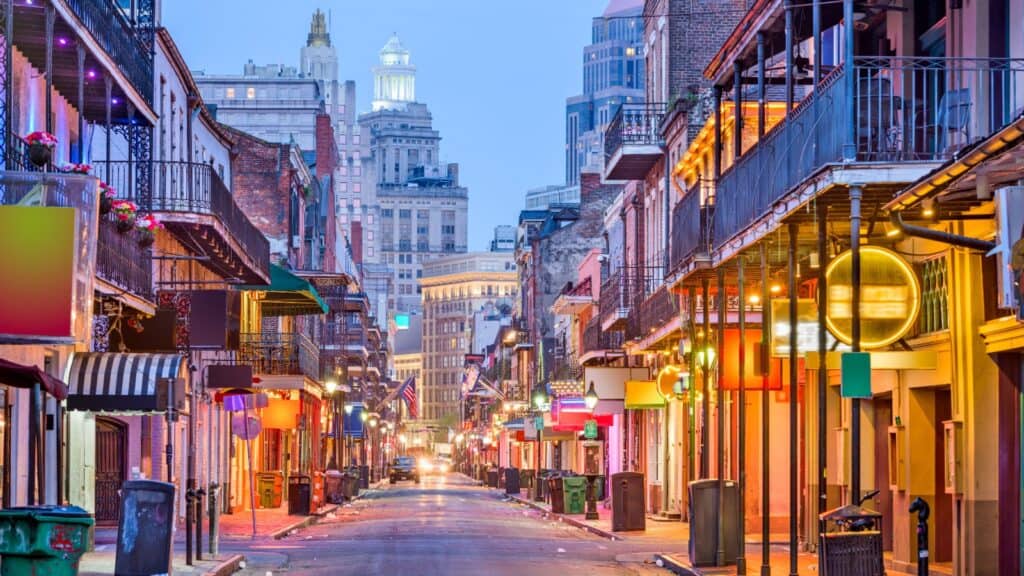
The insurance situation in Louisiana has remained critical for years, and 2026 is expected to be another challenging year for property owners in the Pelican State. Despite legislative efforts to stabilize the market, the cost of coverage remains stubbornly high as hurricanes continue to threaten the coastline. Many families are finding that their mortgage payments are dwarfed by their insurance premiums, forcing some to sell their homes.
The exodus of private insurers leaves the state-run insurer as the only option for thousands of people, which is not a sustainable long-term solution. Home values are struggling to appreciate because buyers are concerned about the hidden costs of living in such a vulnerable region. Investing in Louisiana real estate right now requires a high tolerance for risk and a flexible budget.
North Carolina
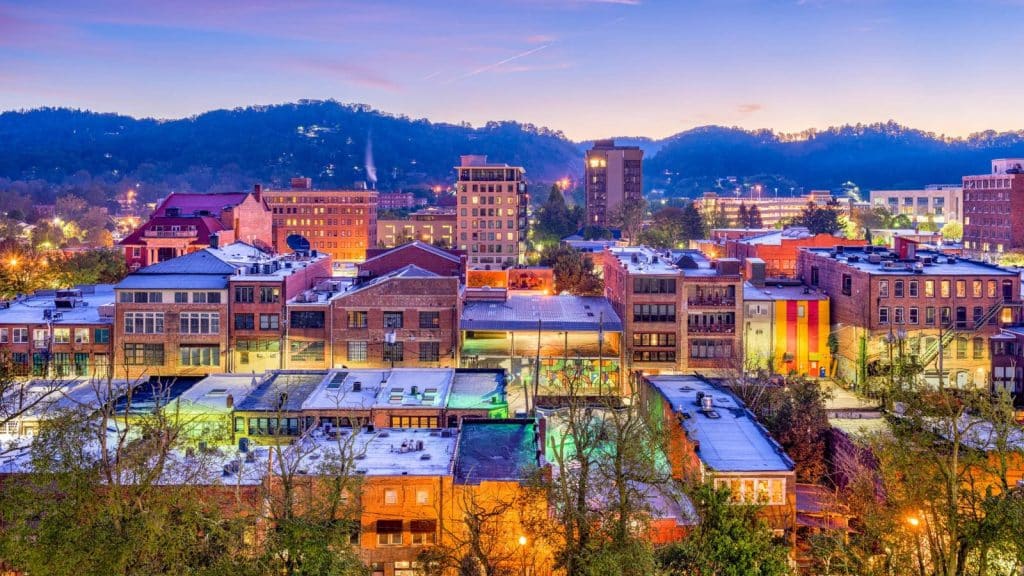
North Carolina is another state where the housing market is showing signs of stress after years of rapid growth and popularity among movers. Real estate forecasts predict that Raleigh home prices could slip by 3.7% next year, a surprising turn for one of the hottest tech hubs in the South. This potential decline suggests the market may have overheated and is now correcting, which could leave recent buyers with negative equity.
The risk of hurricanes and flooding is also driving up insurance rates in coastal communities, impacting the overall affordability of the state. As supply catches up with demand, sellers are losing their leverage, and buyers are becoming more hesitant to commit to high prices. The boom times appear to be slowing, giving way to a period of uncertainty and adjustment.
Mississippi

Mississippi often flies under the radar, but its housing market is facing severe headwinds due to economic factors and insurance volatility. Homeowners here could face an insurance premium increase 429 next year, a massive hike for a state with lower average incomes. This disproportionate rise in costs hits working-class families the hardest, making it difficult to qualify for mortgages.
The state struggles with low property value appreciation, meaning homeowners do not build equity as quickly as in other parts of the country. Buying a home in Mississippi in 2026 could result in a stagnant asset that costs more to insure than it gains in value over time. It is a risky proposition for anyone looking to build long-term wealth through real estate.
15 Things Women Only Do With the Men They Love

The 15 Things Women Only Do With the Men They Love
Love is a complex, beautiful emotion that inspires profound behaviors. We express our love in various ways, some universal and others unique to each individual. Among these expressions, there are specific actions women often reserve for the men they deeply love.
This piece explores 15 unique gestures women make when they’re in love. From tiny, almost invisible actions to grand declarations, each tells a story of deep affection and unwavering commitment.