11 middle-class status symbols from the ’90s that no one cares about anymore
What we once treated as proof of having arrived now feels like a quiet reminder of how easily value can be rewritten.
Back in the decade of grunge music and dial-up internet, showing off your success looked completely different from what it does right now. People felt extremely proud of bulky electronic devices that took up half the living room. You might remember how neighbors would casually brag about their latest high-tech purchases over backyard fences.
Time changes everything, and those highly prized possessions now sit collecting dust in thrift store bargain bins. We look back at these nostalgic items and laugh at what we once considered the absolute peak of luxury. Let us revisit those forgotten treasures that used to make houseguests green with envy.
Giant Rear Projection Televisions
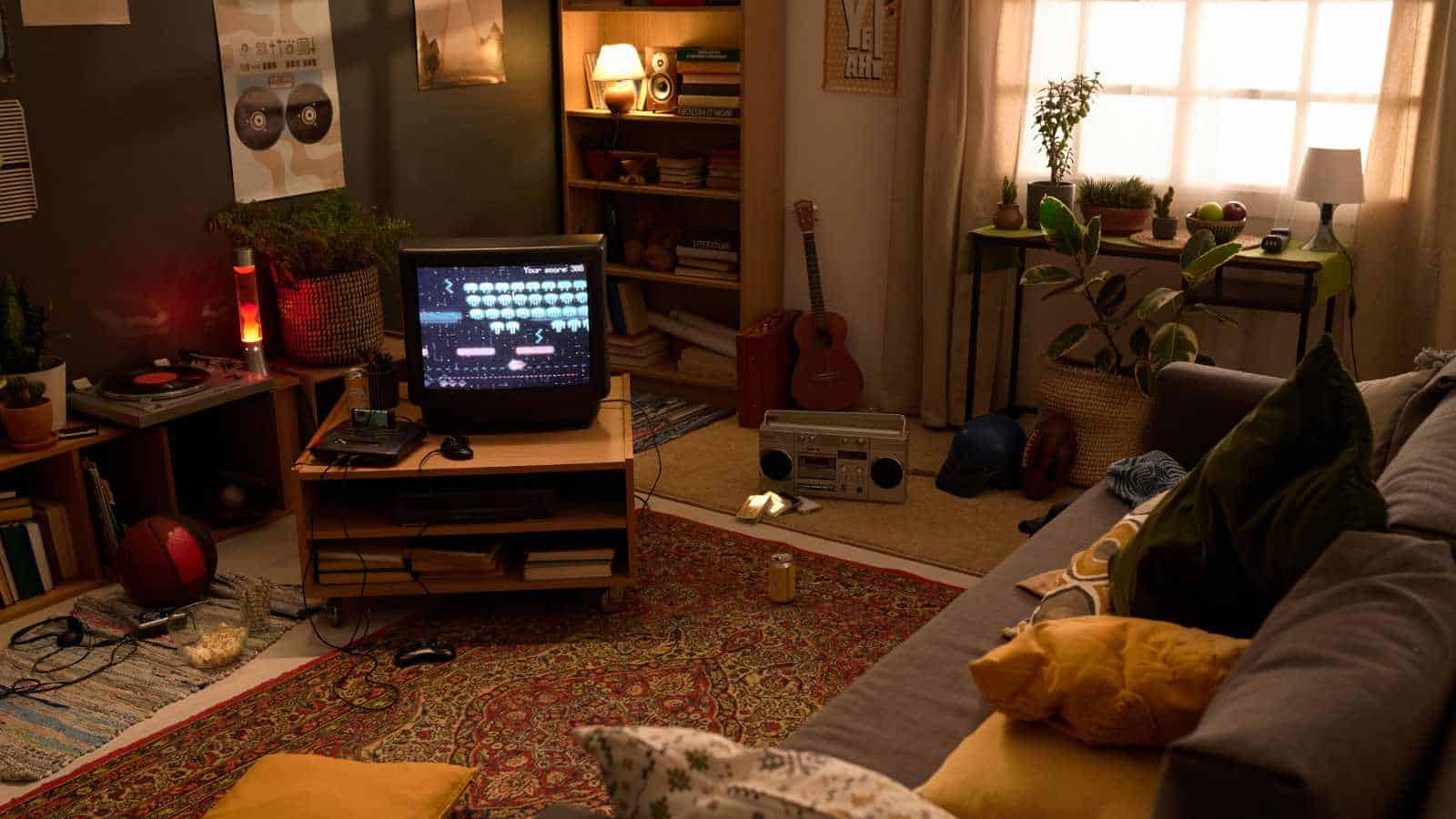
Nothing said you made it quite like a colossal television that weighed as much as a small car. The screen quality was often terrible if you looked at it from the wrong angle. Families still proudly centered their entire living spaces around these massive wooden boxes.
Modern viewing habits have completely transformed how we arrange our homes today. According to 360 Research Reports, the average television size shipped in North America has reached a staggering 57 inches. We now hang flat panels on walls instead of dedicating entire corners to giant electronic furniture.
Elaborate Home Intercom Systems
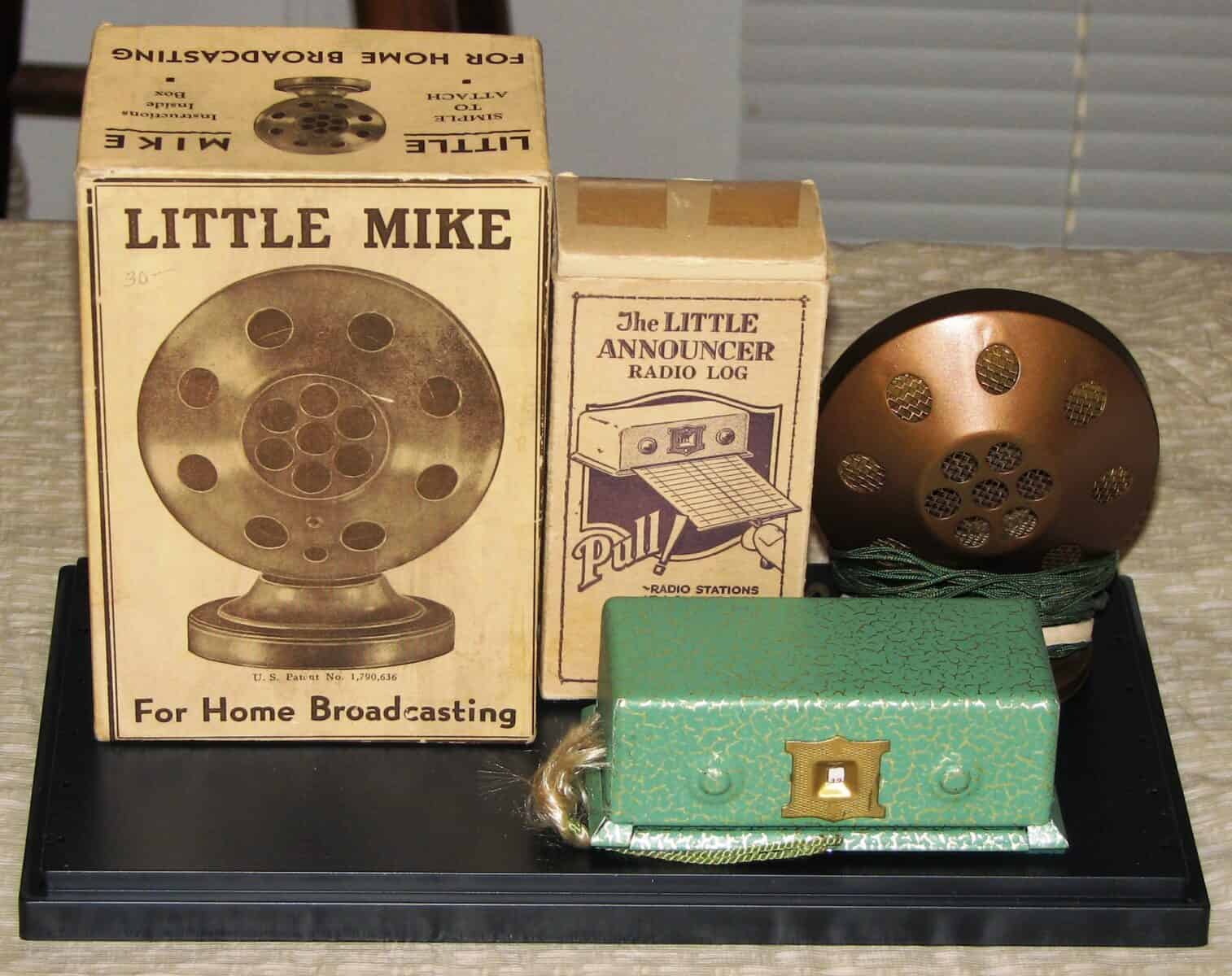
Installing a complicated communication panel in every hallway felt like living in an episode of Star Trek. Parents loved broadcasting dinner announcements to bedrooms without shouting up the stairs. Those plastic wall units eventually turned yellow and stopped working altogether.
Today, we just send a quick text message to our kids when the pizza arrives. Statista reported in 2023 that roughly 85 percent of Americans own at least one smart home device. Voice assistants have made those hardwired wall boxes completely unnecessary and oddly hilarious.
The Family Desktop Computer Center

An entire room was usually sacrificed to house the beige desktop monitor and its noisy tower. We bought huge wooden hutches just to hide the tangled mess of cords and floppy disks. Owning a dedicated computing station proved that your children were ready for the digital future.
Now we carry infinitely more processing power right inside our back pockets. Pew Research Center noted in 2023 that approximately 35 percent of remote workers operate entirely from home using portable laptops. The days of waiting for your turn to check emails at the family station are totally gone.
Massive Multivolume Encyclopedias

Traveling salespeople convinced millions of parents that heavy books guaranteed good grades. A complete alphabetical set sitting on a mahogany shelf screamed intellectual sophistication. Kids rarely cracked open the later volumes unless a teacher assigned a highly specific research paper.
The internet destroyed the market for expensive physical reference books. Wikimedia Foundation data from early 2024 shows that Wikipedia currently holds over 65 million articles in 300 languages. Nobody wants to dust a heavy row of outdated books anymore.
Leather Car Phones
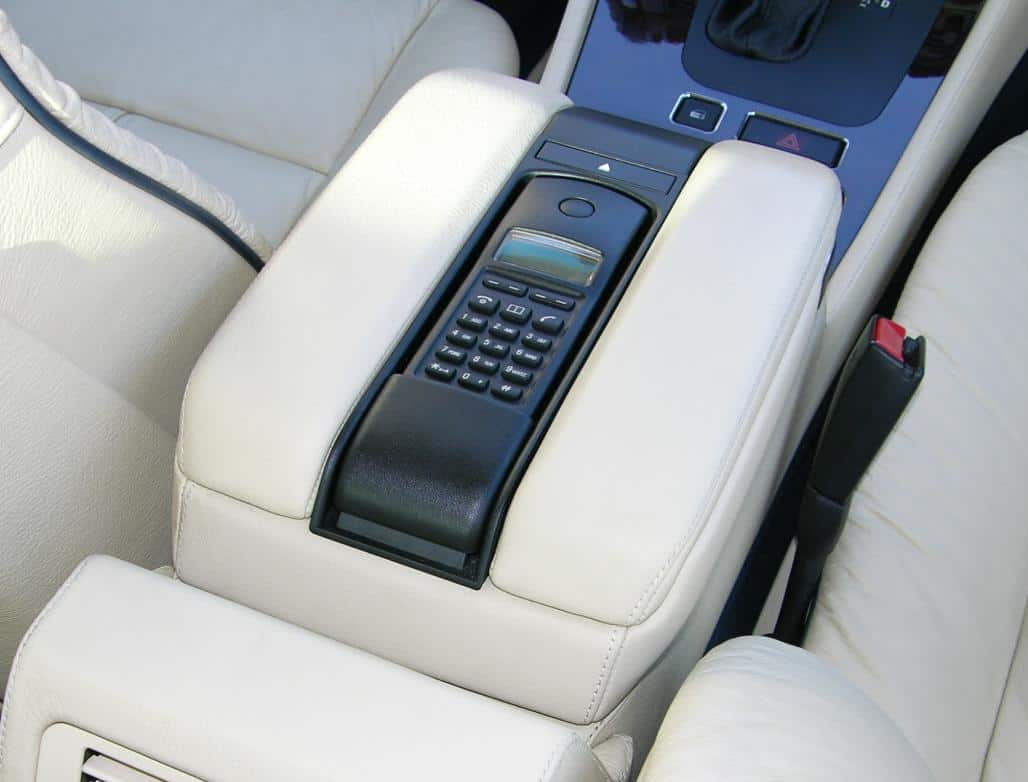
Having a curly cord attached to a handset inside your sedan was the ultimate boss move. Business people felt incredibly important taking calls while stuck in morning traffic jams. The installation fees alone cost more than most people spend on monthly groceries.
Cell phones rapidly shrunk from the size of bricks down to sleek glass rectangles. The idea of a phone physically bolted to a car dashboard seems utterly absurd now. Everyone connects via Bluetooth instantly without paying ridiculous installation fees for bulky car hardware.
Huge CD Storage Towers
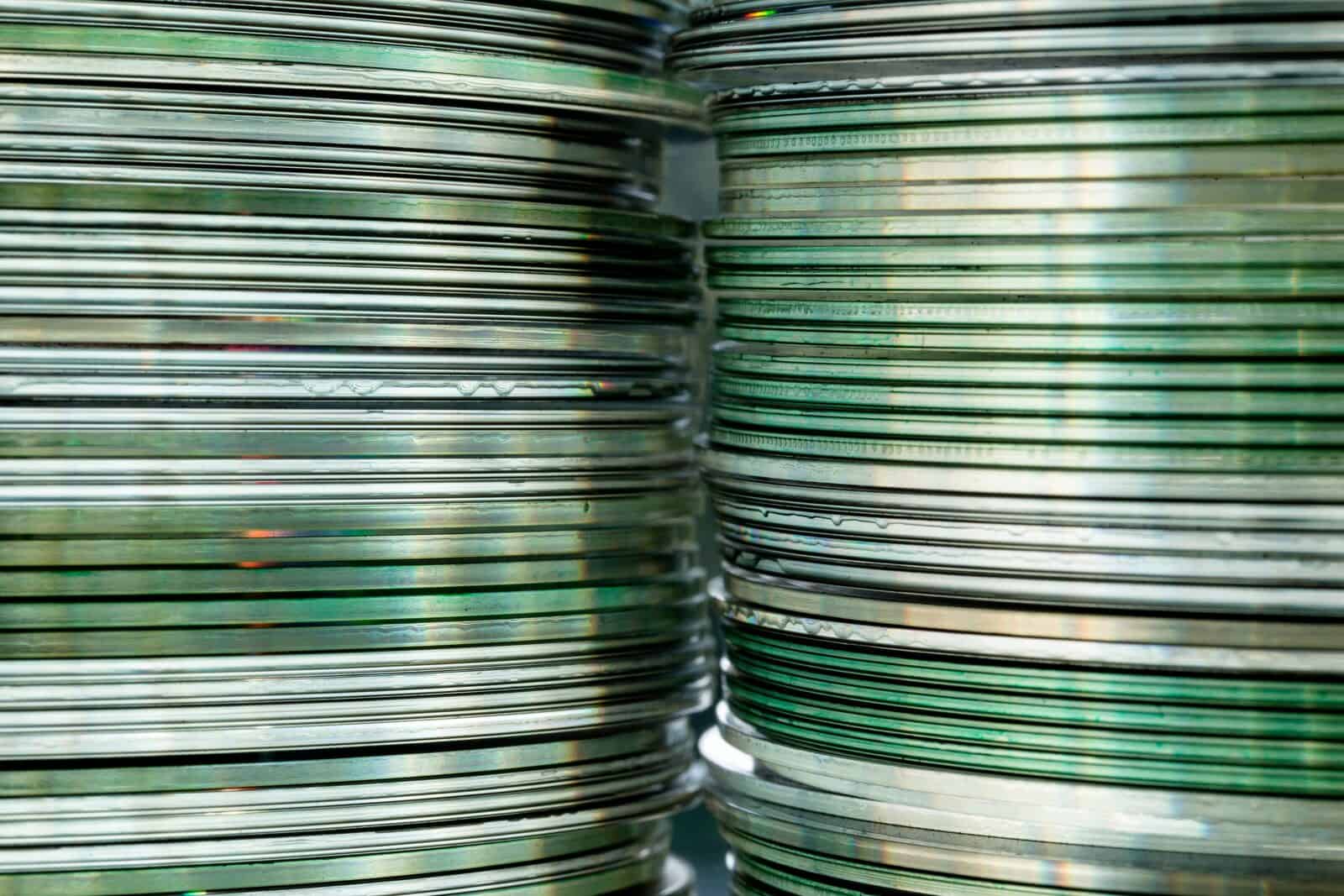
Displaying a massive collection of compact discs proved you had excellent musical taste. Black wire racks stretched up to the ceiling in trendy apartments across the country. Guests would silently judge your cultural awareness based on which jewel cases filled those plastic slots.
Streaming services eliminated the need to physically store hundreds of plastic discs. TNT-Audio says the Recording Industry Association of America stated in 2023 that physical media accounts for only 11 percent of total music revenues. Those towering wire racks have completely vanished from modern living rooms.
Dedicated Fax Machines At Home
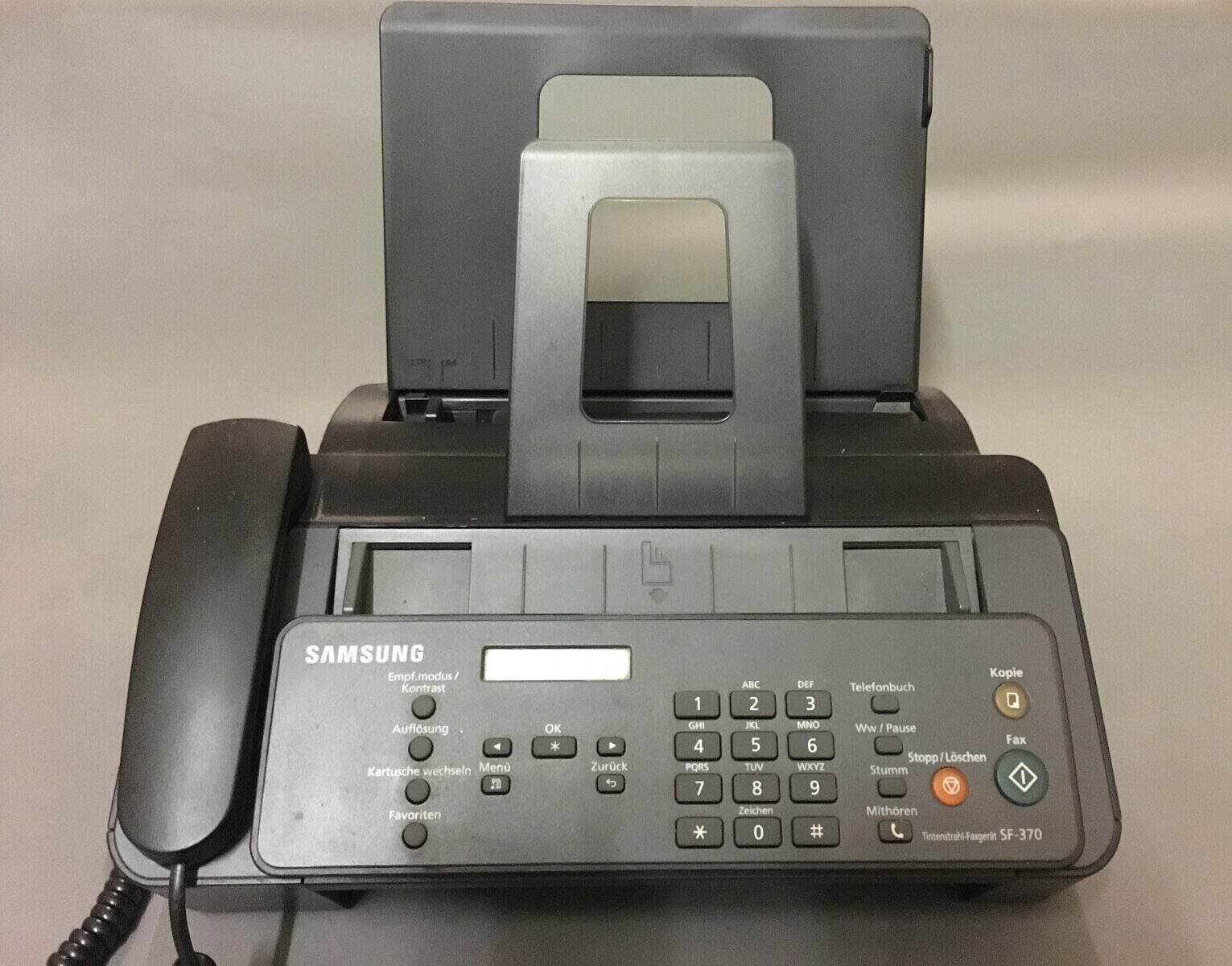
Setting up a home office required buying a separate machine just to transmit documents. The screeching sound of an incoming fax signaled that serious business was taking place. People proudly printed their secondary fax numbers on expensive glossy business cards.
Digital signatures and email attachments made this screeching technology completely irrelevant. The Washington Post found that 73 percent of adults live in wireless-only households without landlines. You would be hard-pressed to find anyone buying thermal paper rolls today.
Camcorders
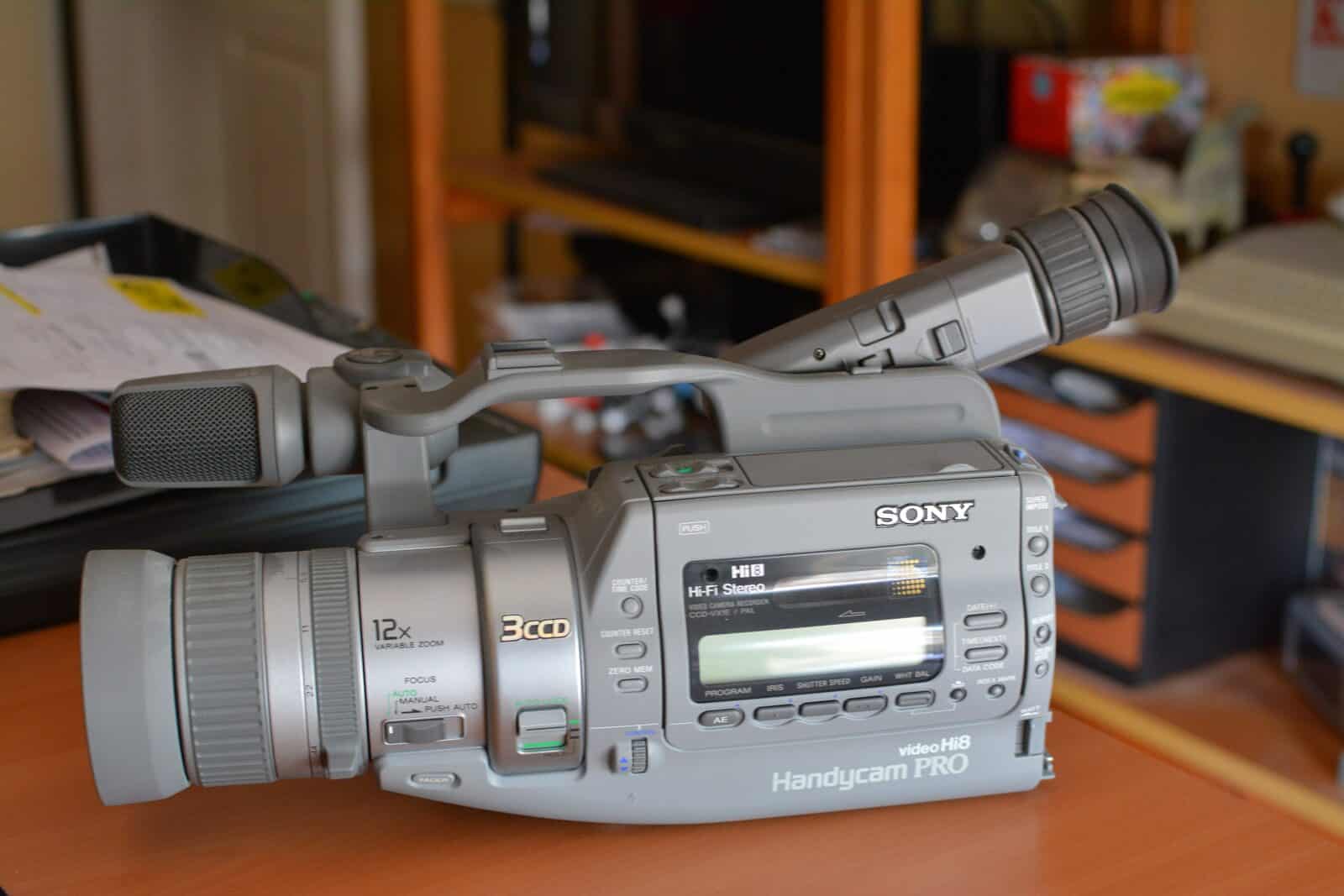
Parents dragged incredibly heavy cameras to every single school play and soccer game. Operating one of these beasts required a shoulder pad and an incredibly strong back. Owning a top-tier camera showed you cared deeply about preserving family memories.
We now shoot cinematic video using the same device we use to order takeout. Nobody misses lugging around a separate bag just for extra batteries and blank tapes. The convenience of pocket-sized cameras makes those heavy shoulder rigs look like ancient torture devices.
Waterbeds
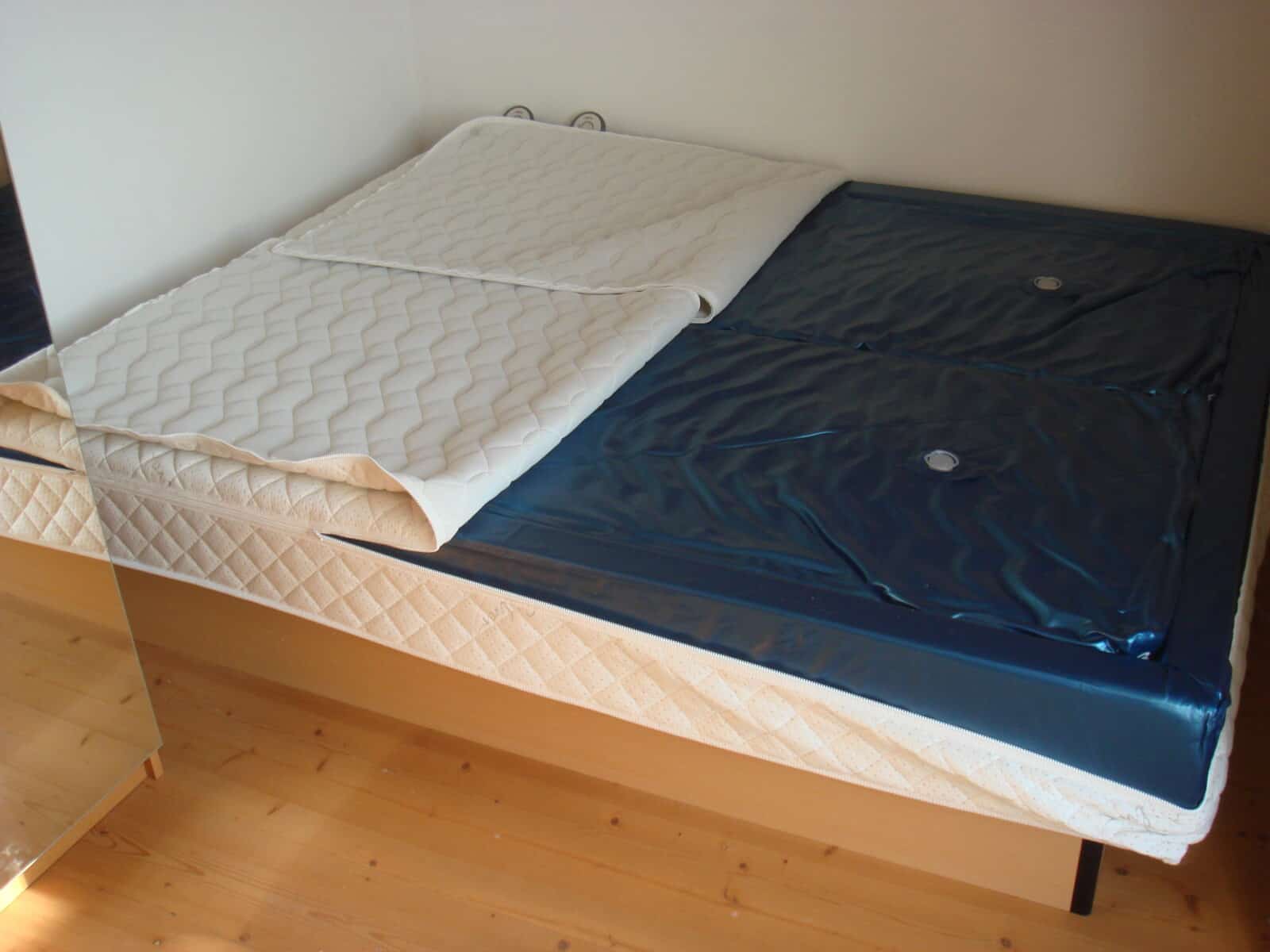
Sloshing yourself to sleep was bizarrely considered the pinnacle of romantic luxury. Moving apartments meant spending hours draining gallons of water with a garden hose. Homeowners lived in constant fear that a sharp object would flood their entire second floor.
Sleep science eventually proved that a giant bag of water provides terrible back support. Memory foam and adjustable frames quickly replaced the aquatic sleep trend. People prefer supportive mattresses over beds that make them feel seasick every time they roll over.
Expensive Bread Makers
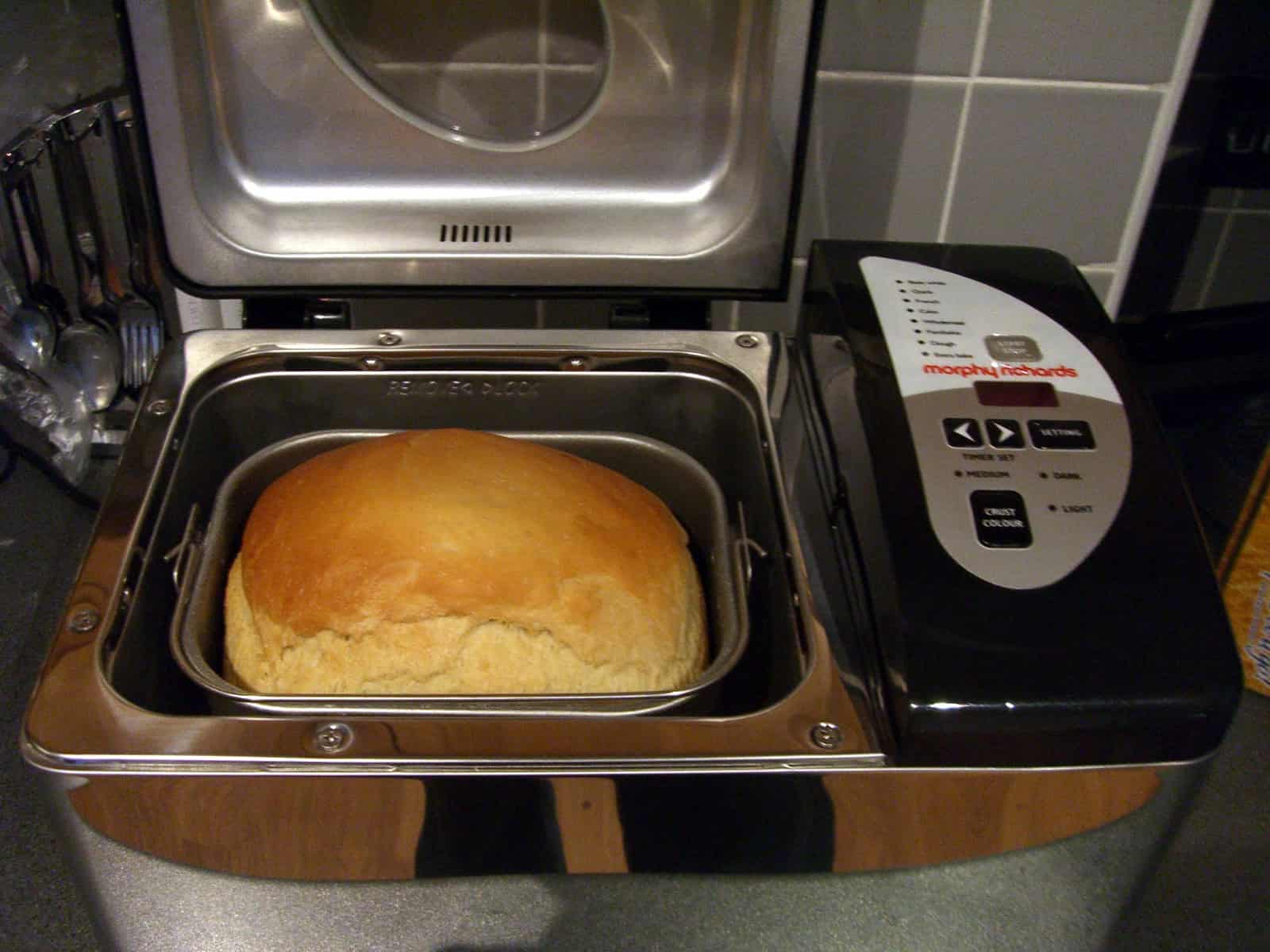
Kitchen counters were dominated by bulky appliances that promised fresh bakery smells every morning. Husbands gifted these heavy machines to wives who never actually asked for them. The novelty usually wore off after three incredibly dense and misshapen loaves.
These ambitious gadgets quickly migrated to the darkest corners of the bottom kitchen cabinets. People realized that buying sliced bread at the grocery store was infinitely easier. Thrift stores are perpetually overflowing with pristine bread machines that were used exactly twice.
Like our content? Be sure to follow us