11 personal details you should never share with an AI “answer engine”
The same chatbot that drafts your emails in seconds may also be quietly collecting pieces of your identity you can never take back.
Artificial intelligence chatbots are taking over everything from planning our grocery lists to writing our emails. These handy digital helpers seem like magical genies ready to solve your daily problems in seconds. You might easily forget that massive corporate server farms record every single word you type into that little prompt box.
Millions of Americans blindly dump their entire lives into these text boxes without a second thought. Everything you share gets digested into a massive database that could eventually suffer a catastrophic breach. Keeping your guard up is the only way to protect your digital identity from falling into the wrong hands.
Your Social Security Number
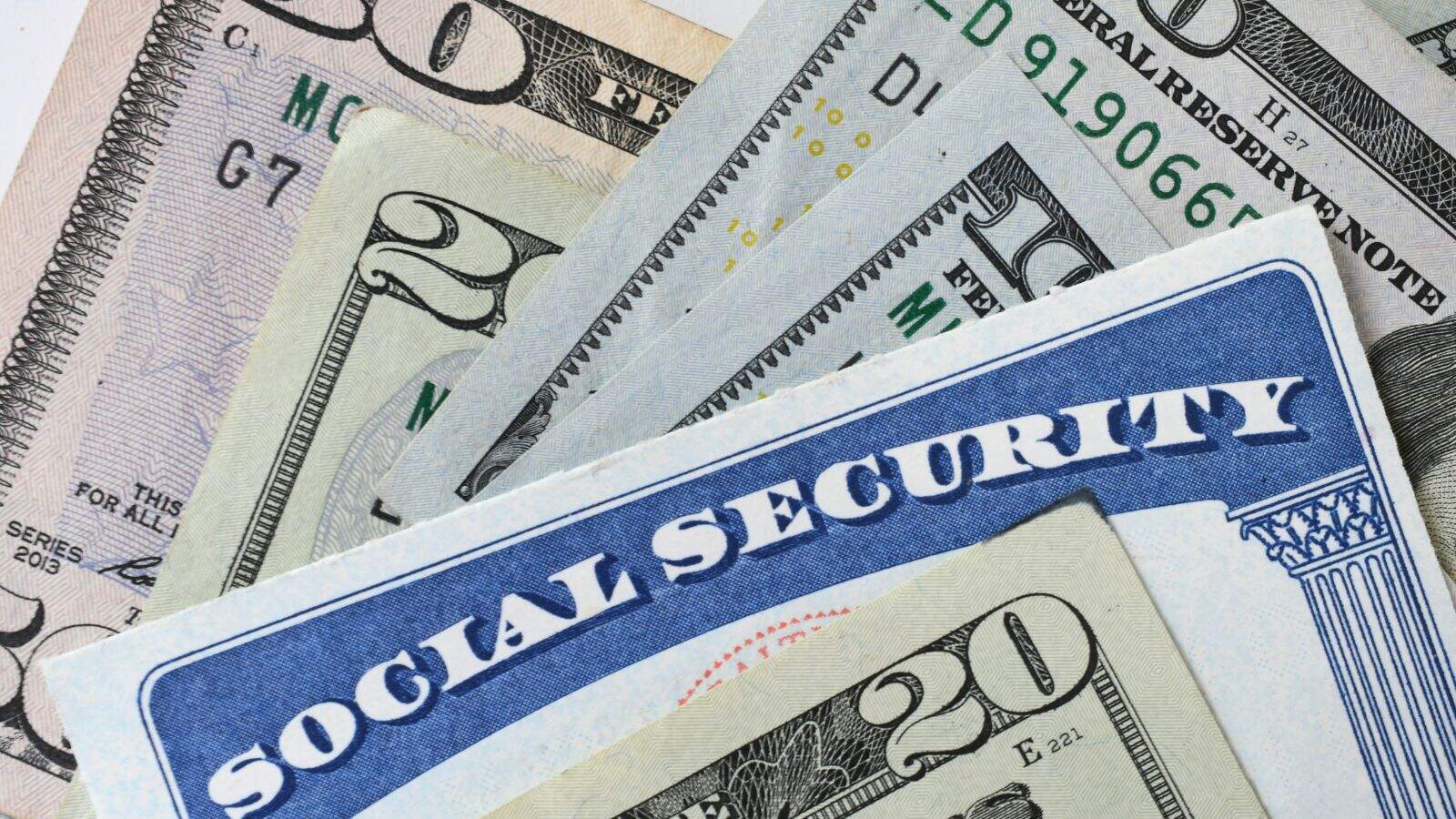
You might need help filling out confusing government forms, and think the bot can prefill the data. Giving up this nine-digit code is basically handing a stranger the master key to your entire financial life. The Federal Trade Commission reported over one million identity theft complaints in its 2024 annual data release.
Once that number enters a chat log, it lives on a server outside your direct control forever. Bad actors can use it to open credit cards and ruin your credit score in a matter of hours. You must always keep this critical piece of identification locked away offline.
Financial Account Passwords

People sometimes paste massive text dumps that accidentally include their personal login credentials for banking websites. A recent Bitwarden survey revealed that 85% of users still reuse passwords across multiple sites. If a breach exposes that text log, hackers can drain your savings account before you even wake up.
These systems are designed to process language and absolutely do not need your private banking credentials to function. Answering money questions is fine, but giving the bot the keys to the vault is a terrible idea. Always double-check your text drafts to catch hidden passwords before hitting the submit button.
Private Medical Records
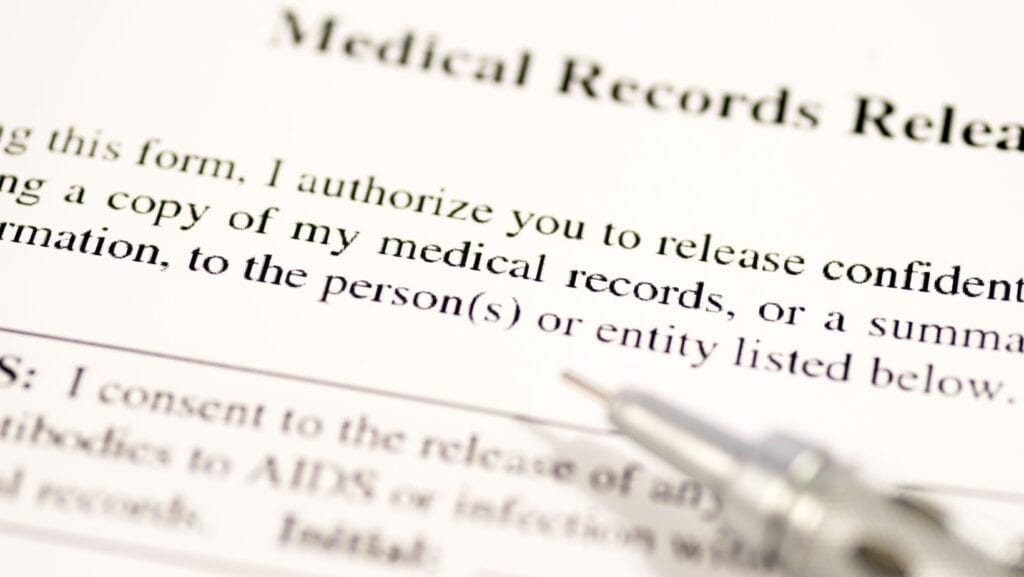
Sharing detailed symptoms or uploading test results to get a quick diagnosis feels incredibly convenient and futuristic. According to the HIPAA Journal, over 192 million healthcare records were breached in 2024. These models are not bound by strict privacy laws like your actual human doctor is.
Your embarrassing medical history becomes part of a training dataset that engineers might manually review for quality control. You certainly do not want your private health struggles ending up in a future software update. Leave the medical diagnosing to actual licensed professionals in secure clinical environments.
Home Address And Routine

Asking a machine to optimize your morning commute from your exact driveway to your office sounds harmless enough. You are literally handing tech companies a map of your daily physical movements. Stalkers and criminals would love to know exactly when your house sits empty every single afternoon.
Broad city names give the algorithm enough context to provide helpful weather updates or traffic suggestions. Giving out your specific street number creates a permanent digital footprint tying your online profile to your physical bed. Keep your physical location vague to maintain your personal safety in the real world.
Credit Card Information

Never type your full sixteen-digit card number or security code into a conversational interface to buy something. The IBM Cost of a Data Breach Report states that the average breach costs companies nearly five million dollars. Those massive corporate losses often trickle down to consumers who leave their payment data lying around.
Chat platforms are built to generate text and are rarely secured like proper payment processing gateways. A sneaky piece of malware on your computer could also intercept that typed text before it even encrypts. Always use verified payment portals instead of casually dropping your card details into a chat window.
Confidential Work Documents

Employees constantly try to save time by having artificial intelligence summarize their boring internal company reports. Doing this effectively violates your corporate non-disclosure agreement and puts your entire career at severe risk. You could easily face a lawsuit if proprietary company secrets leak through your casual chat sessions.
Tech giants explicitly state they collect user inputs to train and refine their next-generation software models. Your top secret quarterly earnings projection might accidentally pop up in a response to a random user. Protect your paycheck by keeping sensitive workplace materials completely off public artificial intelligence platforms.
Personal Identification Documents

Uploading a clear photo of your driver’s license to verify something is a recipe for absolute disaster. The FBI reported that Americans lost over 16 billion dollars to internet crimes in their latest annual report. Scammers use those precise photos to create forged identities that look incredibly convincing to authorities.
The image processing features of these tools analyze every pixel and store that visual data indefinitely. You have zero control over how long that crisp image of your face and address sticks around. Stick to sharing photos of your cute pets and keep your government-issued cards in your physical wallet.
Private Family Conflicts

Venting about your messy divorce or your frustrating mother might feel therapeutic in the heat of the moment. These programs lack true empathy and cannot provide the genuine emotional support you actually need right now. Typing out sensitive family drama creates a permanent written record of your most vulnerable emotional state.
Details about custody battles or inheritance fights are highly sensitive and could be exploited if intercepted. Human therapists offer a legally protected space for these conversations that digital helpers simply cannot match. Talk to a real trusted friend or licensed counselor instead of a cold machine.
Unreleased Creative Work

Aspiring authors often paste their entire uncompleted novel into a prompt to get quick feedback on the plot. A Pew Research Center study found that 50% of Americans feel more concerned than excited about artificial intelligence. That concern is valid when your original ideas get swallowed by a machine learning model.
The system might regurgitate your brilliant plot twist to another writer who asks a similar creative question. Proving that you actually originated the idea becomes nearly impossible once the algorithm absorbs your text. Guard your intellectual property fiercely until you are ready to officially publish it to the world.
Legal Advice Queries

Explaining the intricate details of your pending lawsuit to a robot is a terrible legal strategy. Attorney-client privilege only exists between you and a licensed human lawyer sitting in a private office. Any admissions of guilt or liability you type out could theoretically be subpoenaed in a court of law.
These language models frequently make up fake legal precedents that sound incredibly convincing to an untrained eye. Relying on their generated advice could ruin your entire case and cost you thousands of dollars. Always consult a real attorney for serious legal trouble to keep your statements completely protected.
Exact Biometric Data

Future updates might ask for voice samples or facial scans to customize your daily interactions even further. You can easily change a compromised password, but you can never change your actual voice or fingerprints. Handing over your physical characteristics gives tech companies the ultimate permanent key to your personal identity.
Deepfake technology is getting terrifyingly good at mimicking real people to fool banks and family members. Giving out pristine biometric samples voluntarily just makes the job easier for tomorrow’s advanced criminals. Keep your physical markers offline to stay one step ahead of identity thieves.
Like our content? Be sure to follow us