11 reasons governments keep using tariffs despite the downsides
Governments often use import taxes as a shield to protect domestic businesses from intense international competition. In fact, the U.S. Treasury’s fiscal year 2025 receipts summary shows that the federal government collected $194.9 billion in customs duties, which helps explain why tariffs remain such an attractive policy tool in modern public finance.
While economists loudly debate the long-term impact on global relations, these policy measures show no signs of disappearing. Beyond the immediate political talking points, these trade levies serve deep-seated domestic agendas that go far beyond basic economics.
Leaders frequently turn to border taxes because they offer immediate, visible actions to worried factory workers and local industries. Understanding why politicians keep using them requires looking past textbook theories into practical political survival.
Protecting Critical Employment Sectors

Politicians view border import fees as a direct insurance policy for local working-class jobs. When a foreign competitor can manufacture products at a fraction of the cost, domestic employers often resort to mass layoffs or shift production overseas.
Slapping a steep tax on those incoming items serves as a protective wall to keep local workers on the payroll. Sustaining these positions keeps local economies stable and prevents communities from falling into deep financial distress.
Even though study after study shows that these measures ultimately increase costs for regular people, the immediate political reward of saving an iconic factory is far too tempting to pass up. That same short-term logic is why voters often accept a little extra strain on the household budget if it appears to preserve local jobs.
Safeguarding Local Industrial Power
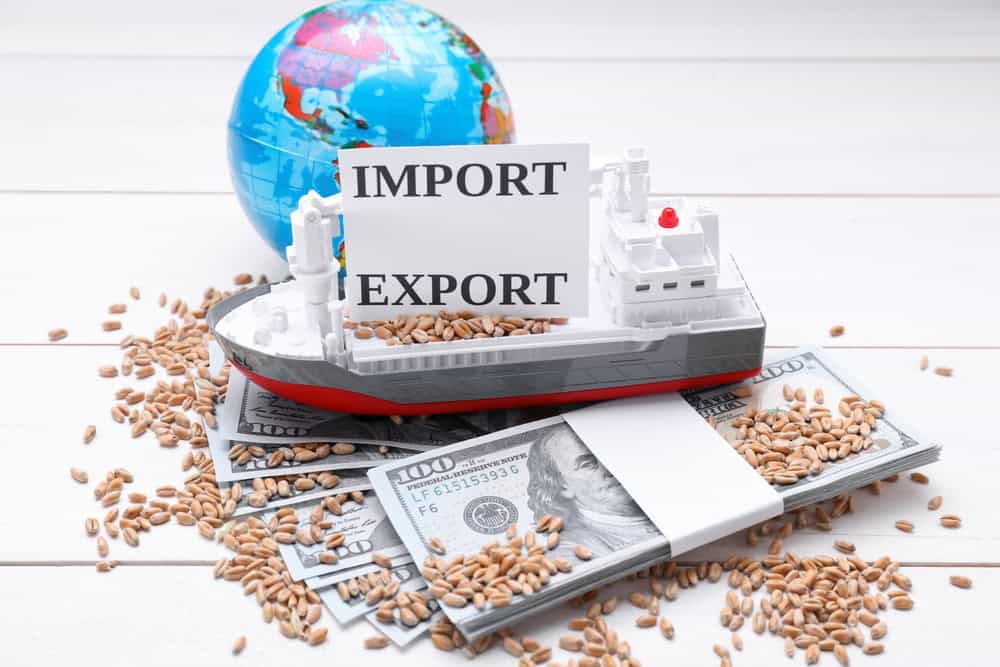
Imposing heavy border fees helps keep factories humming right inside the home country. When cheaper foreign goods flood the market, local companies struggle to compete and face massive pressure to shutter operations entirely. By artificially raising import prices, a government creates a temporary shield that keeps its own factory floors active.
This approach gives domestic businesses a fighting chance to maintain their operations and preserve manufacturing capabilities. While global trade rules encourage countries to stick to what they produce most efficiently, leaders often panic when vital local industries start to fall behind. They rely on these trade barriers to balance the playing field for home teams.
Nurturing Young Infant Industries

Developing brand-new commercial sectors from scratch is a notoriously difficult hill to climb. Young corporations face high startup costs and low initial efficiency, making them highly vulnerable to established international giants. Governments utilize targeted border fees to give these fresh local ventures time to find their footing.
This protective cushion allows the new sector to scale up production and refine its processes without being instantly crushed. Policymakers hope that this brief period of government insulation will eventually foster a highly competitive domestic player capable of holding its own globally.
Securing Vital National Defense Supplies

Relying entirely on foreign nations for critical military hardware and emergency components creates a massive security blind spot. If an international crisis erupts, those overseas supply lines can evaporate overnight, leaving a nation completely exposed. Leaders implement strict import levies to ensure domestic defense contractors remain viable and operational.
Keeping these specialized factories running at home ensures the military has a dependable source of steel, technology, and advanced equipment.
The White House argued in a statement on domestic steel and national security that a strong domestically owned steel industry is essential to critical supply chains and the defense industrial base, which captures exactly why tariff supporters see local production as strategic insurance.
Combating Unfair Foreign Price Dumping

Some foreign manufacturing hubs deliberately flood overseas markets with underpriced merchandise to eliminate local competition. This predatory practice, known as dumping, aims to drive domestic firms out of business to secure a global monopoly.
Governments step in with aggressive anti-dumping duties to neutralize this hostile market manipulation. These corrective border levies restore fair play by raising the artificially deflated prices back to normal market levels.
The U.S. International Trade Administration explains in its anti-dumping trade guide that such duties are used when imported goods are sold at less than fair value and injure the domestic industry, which is the exact legal logic behind these measures.
Generating Direct Government Revenue

Before modern income taxes became the norm, taxing international commerce was the primary means of funding public treasuries. While advanced economies rely heavily on payroll taxes today, import levies remain an incredibly fast way to collect cash. This influx of public capital helps fill budget holes without raising domestic income tax rates.
Some policymakers openly value tariffs because they generate large, visible revenues that can be sold as painless taxation. A recent Babson explanation of why tariffs matter notes that supporters often defend them not only as protection, but as leverage and a source of government revenue that can be politically easier to sell than direct tax hikes.
Leveraging Trade Negotiation Power

The mere threat of blocking access to a lucrative domestic marketplace can force international trading partners to behave. Capitals utilize import taxes as heavy diplomatic bargaining chips to demand better terms or push for the removal of foreign trade barriers. It is the ultimate game of economic chicken on the global stage.
As noted in the same Babson trade analysis on tariff leverage, one of the strongest arguments for domestic levies is that they can pressure other countries to drop their own barriers. Holding this leverage allows diplomats to secure valuable concessions during high-stakes international dealmaking.
Retaliating Against Hostile Trade Actions
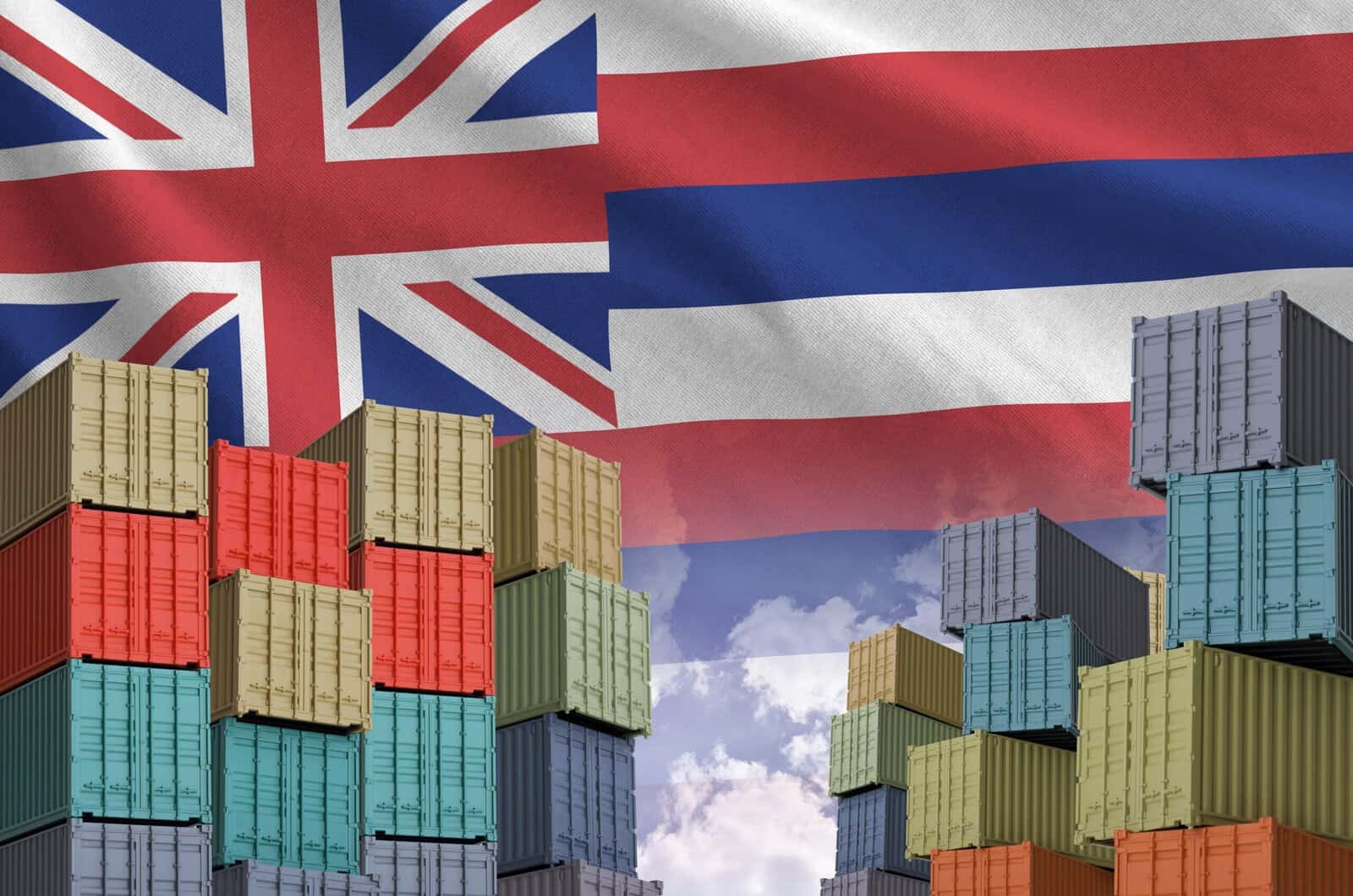
When a trading partner plays dirty or slaps unexpected barriers on your exports, turning the other cheek is rarely an option. Governments rapidly implement retaliatory import taxes to punch back and defend their economic honor. This eye-for-an-eye strategy aims to inflict equal financial pain on the offending nation.
These retaliatory measures show the world that a country will not stand by quietly while its exporters get squeezed. Although these back-and-forth trade spats frequently turn into negative-sum games that hurt everyone, saving political face often overrides pure economic logic.
Shielding Vital Food Security

A country that cannot feed its own population without foreign assistance is incredibly vulnerable to global panics. If a conflict blocks maritime trade routes, an import-dependent nation faces immediate, catastrophic shortages at local grocery stores. Capitals use protective agricultural levies to keep domestic farming profitable.
This financial insulation keeps local fields planted and livestock operations running, guaranteeing a baseline food supply. The FAO’s overview of food security and trade explains that food security concerns often drive governments to intervene in agricultural trade, especially when supply disruptions or global shocks threaten domestic access to food.
Answering Intensive Political Pressures

At the end of the day, politicians answer to voters and powerful industrial lobbying groups, not abstract textbook theories. Well-organized union workers and corporate executives in struggling sectors form highly vocal voting blocs that demand state protection. Granting a targeted tariff is an easy way for an official to win local loyalty.
The concentrated benefits of a trade barrier are highly visible to the specific community being saved from foreign competition. Meanwhile, the general public rarely notices the slight, widespread price increases scattered across millions of consumer transactions, making protectionism a highly effective political weapon.
Offsetting Loose Foreign Environmental Rules

Domestic manufacturers often operate under strict climate regulations and heavy pollution penalties that drive up their total operational expenses. In contrast, overseas competitors in developing regions frequently cut corners with cheap, dirty energy sources to underprice everyone. Leaders impose border carbon fees to level the playing field.
These environmental adjustments penalize foreign goods produced under lax conservation standards, preventing a race to the bottom.
The European Commission’s Carbon Border Adjustment Mechanism page makes it clear that the policy is designed to equalize carbon costs on imports in sectors such as steel, cement, and fertilizer, which is why many governments now frame these fees as both climate policy and trade defense.
Key Takeaway

Governments continually resort to import levies because the immediate, visible political rewards of shielding local industries and saving working-class jobs far outweigh the hidden economic downsides.
While these trade barriers ultimately trigger higher checkout prices and spark messy international trade spats, leaders view them as a vital defense tool for national security, domestic revenue, and geopolitical leverage.
Disclaimer – This list is solely the author’s opinion based on research and publicly available information. It is not intended to be professional advice.
Like our content? Be sure to follow us