11 reasons the Amish choose to live apart from society
In an age of smartphones and nonstop acceleration, a growing Amish population is quietly proving that stepping away from modern society is not a retreat but a strategy.
Driving down the winding back roads of Lancaster County feels like taking a trip in a time machine as you trade highway noise for the rhythmic clip-clop of horses. You see black buggies instead of SUVs and plain clothes drying on lines instead of spinning in dryers. While most of us are glued to our screens, these folks are living a totally different kind of existence. They have intentionally stepped out of the fast lane to preserve a way of life that values simplicity above all else.
You might wonder why anyone would willingly give up electricity or cars in 2026, but their choice is about way more than just avoiding technology. It turns out their separation is a deliberate move to protect what matters most to them: faith, family, and community. They believe that keeping the outside culture at a distance is the only way to preserve their spirit. They view the modern rat race as a distraction from what truly matters.
Biblical Command To Be Separate

The roots of the Amish lifestyle lie in a verse in Romans that tells believers not to conform to the patterns of this age. They take this instruction seriously and view separation as a necessary spiritual fence. They feel that blending in too much endangers their souls.
By keeping a distance from mainstream culture, they believe they can better focus on God without the daily distractions. It is less about judging outsiders and more about keeping their own house in spiritual order. They simply want to live out their faith without compromise.
Prioritizing Face-to-Face Community

In a time where loneliness is skyrocketing, the Amish have a built-in social network that never goes offline or runs out of battery. Data from the Young Center for Anabaptist Studies indicates their population has grown by over 100 percent since 2000. This explosive growth is driven by their tight connections.
You won’t find them texting across the dinner table because they value the connection that comes from making eye contact. Creating a tight-knit bond requires physical presence, which they prioritize over convenience. They show up for each other in person.
Limiting The Influence Of Technology

It is a common myth that the Amish think technology is evil, but they actually just worry about how it affects their relationships. They carefully evaluate every new tool to see if it brings people together or drives them apart. They are selective adopters rather than total rejecters.
Imagine deciding as a group if a smartphone would help or hurt your family’s dinner time before buying one. By rejecting high-tech gadgets, they avoid the constant pings and notifications that scramble our brains. This helps them stay focused on the people right in front of them.
Maintaining A Strong Work Ethic
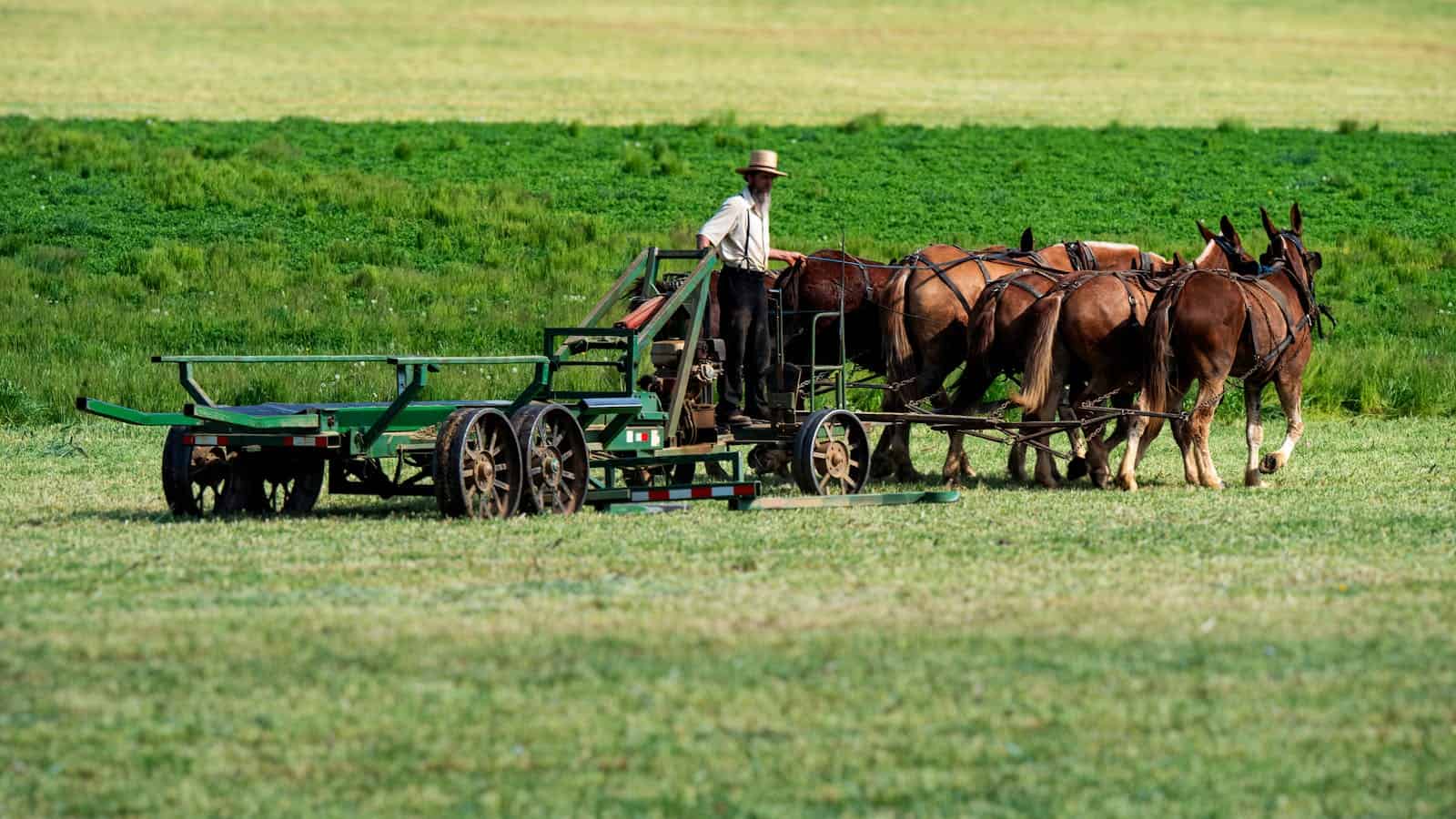
Hard work is not just a way to pay the bills for the Amish, as it is seen as a way to honor God and serve others. Surprisingly, Amish small businesses have a failure rate of less than 10% within 5 years. Their dedication to quality is unmatched.
This hands-on approach keeps them physically active and grounded in reality rather than in virtual space. There is a deep satisfaction in building a barn or starting a business that a desk job just cannot replicate. They find joy in the sweat of their brow.
Preserving The German Dialect

Most Amish speak Pennsylvania Dutch at home, which acts as a verbal barrier between them and the rest of the population. Speaking a distinct language helps reinforce their identity and keeps the outside culture at arm’s length. It constantly reminds them who they are.
It is like having a secret code that instantly signals who belongs to the tribe and who is just visiting. This linguistic wall is one of the most effective tools they have for maintaining their cultural borders. It keeps their heritage alive for future generations.
Keeping Education Local And Basic

The Amish generally stop formal schooling after the eighth grade to focus on vocational skills and homemaking. Amish retention rates are remarkably high, with about 85 percent of youth choosing to join the church. They learn by doing rather than just reading.
They believe higher education can promote pride and dissatisfaction with the simple life they cherish so dearly. Instead of book smarts, they value practical wisdom that helps the community thrive and stay self-sufficient. This keeps their young people grounded in their traditions.
Avoiding The Trap Of Consumerism
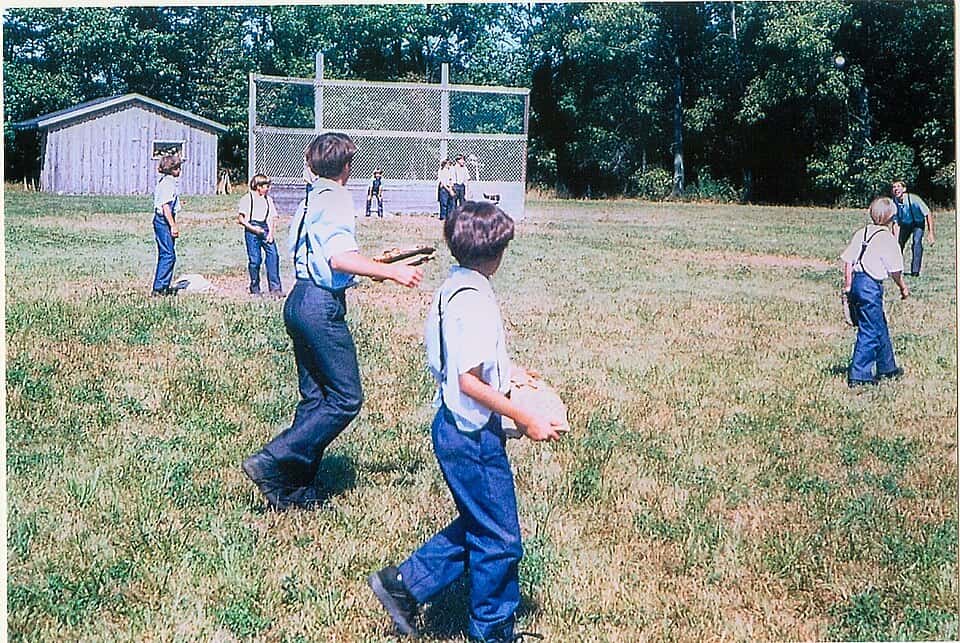
You won’t see Amish families camping out for Black Friday sales because they emphasize modesty and simplicity over buying stuff. Keeping up with the neighbors is impossible when everyone wears the same plain clothes. They find contentment in what they have.
This frugality allows them to save money and stay out of debt, which gives them the freedom many Americans lack. While the average American carries over 6,000 dollars in credit card debt, most Amish operate entirely on cash. They don’t owe anyone anything but love.
Strengthening Family Bonds
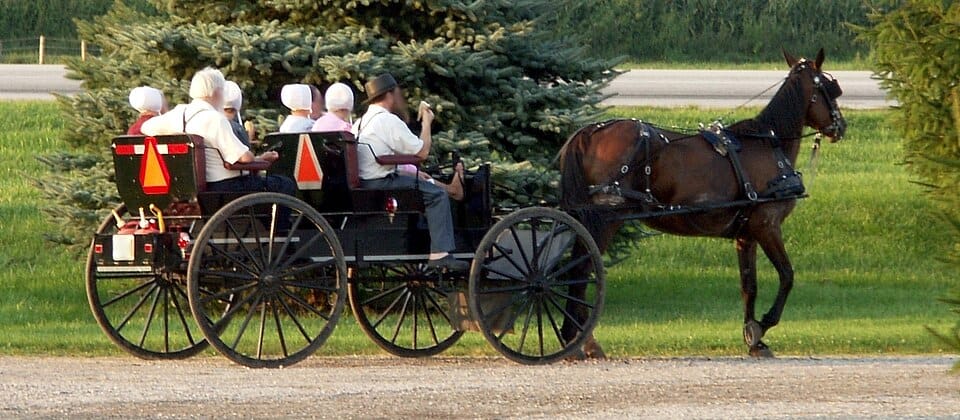
The family unit is the absolute center of Amish life, and everything is structured to keep it intact and healthy. The average Amish family has about 9 children, which fuels their rapid expansion. This creates a built-in support system for everyone.
Large families are the norm, and they spend the vast majority of their time working and playing together. With so many kids, the home is always buzzing with activity and shared responsibility. No one has to go through life alone.
Pacifism And Non Resistance

As Anabaptists, the Amish practice non-resistance, meaning they do not serve in the military or sue people in court. Living apart helps them avoid situations in which they might be forced to compromise their deeply held peaceful beliefs. They step away from conflict.
They would rather suffer a loss than fight back, which is a radical concept in our litigious society. This commitment to peace creates a gentle environment that stands in stark contrast to the aggression we often see. They choose forgiveness over winning.
Caring for the Elderly At Home

You will rarely find an Amish senior citizen in a nursing home because the community takes care of its own until the end. Grandparents often live in a separate wing right next to the main house so they stay involved. They are never pushed to the sidelines.
This respects the wisdom of the older generation and teaches the young ones the value of service. It is a comprehensive support system that ensures no one is ever left to face old age alone. Every generation looks after the other.
Slowing Down The Pace Of Life

The horse and buggy isn’t just a quirky mode of transport; it forces life to move at a specific, manageable speed. As of 2025, there were Amish settlements in 32 U.S. states, showing their lifestyle is spreading. People are drawn to their quiet ways.
By refusing to rush, they make time for neighbors’ prayer and simply enjoy the beauty of creation. Refusing to hurry creates a sense of peace that attracts the curiosity of stressed tourists every year. They prioritize people over productivity.
Like our content? Be sure to follow us