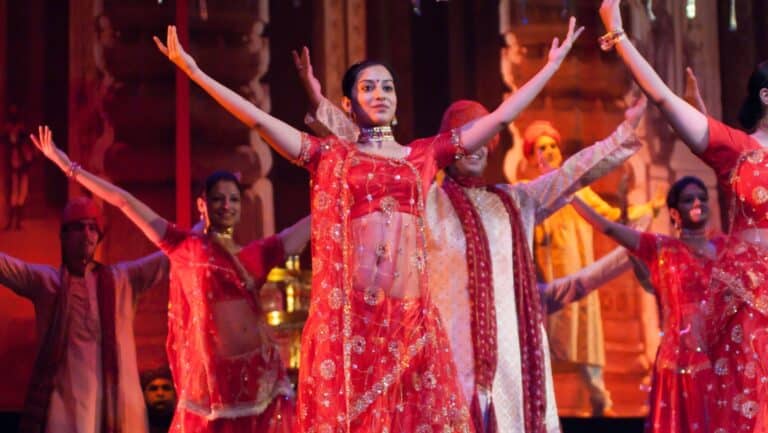
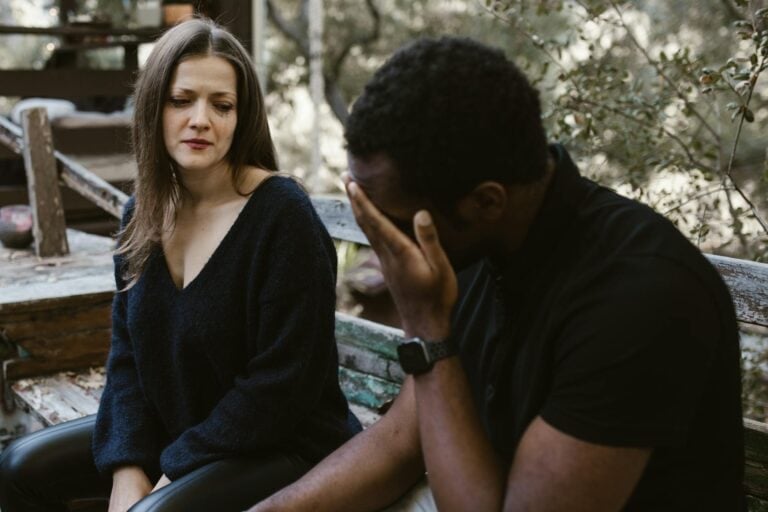
The Shift From Organized Religion to Personal Spirituality
Since the late 20th century, the rise of digital networks has acted like a global X-ray, exposing traditions, belief systems, and cultural practices that were once protected by distance, privacy, and limited information flow.
Now, anyone can witness rituals, teachings, and controversies from thousands of miles away without ever stepping into a temple, mosque, or church. That access has made people curious and restless, pushing them to question the very doctrines they were raised to accept and to seek something that feels self‑directed instead of inherited.
The same societies that exported Christianity to places like Africa rarely teach religion with the same intensity in their own school systems today, while the descendants of the colonized still study doctrine as if it were a civic requirement. And as archival letters from early missionaries continue to surface, they reveal intentions that were less about spiritual salvation and more about shaping obedient subjects who had never asked for a new faith in the first place.
The Rise of the SBNR

Roughly 33% of U.S. adults identify as “Spiritual But Not Religious” (SBNR), a statistic that has grown significantly in recent years (Gallup, July 2023). These seekers reject the notion of a specific, defined deity, opting instead for belief in “some other higher power or spiritual force”.
This choice shows a fundamental rejection of specific creeds in favor of personal inquiry. The movement is clearest among younger generations, signaling this shift will define the spiritual landscape for decades to come. Simply put, people are decoupling faith from formality.
Coercion vs. Voluntary Consent
The strongest reason for disaffiliation is the rejection of enforced belief. Conversely, research shows intrinsic, voluntary spirituality correlates strongly with well-being and resilience (ScienceDirect 2025).
The movement proves that when belief systems become coercive through shame or doctrine, they cease to be spiritually helpful. Escaping mandatory rules is often an act of self-preservation, demanding autonomy over obligation.
Hierarchy’s Problem
Some argue the flaw lies not in corrupt leadership but in the organization itself. When an institution develops structure, it inevitably produces rule-bound systems (the “Pharisee pattern”). These systems become man-made barriers, supplanting the divine intent with human law. They believe a relationship with God cannot coexist with rigid structure or leadership.
True Christianity, according to this view, has no rules, only love-driven behavior, making codified dogma irrelevant and restrictive. This radical interpretation offers a powerful theological justification for the SBNR position.
When an Organization Becomes Corrupt
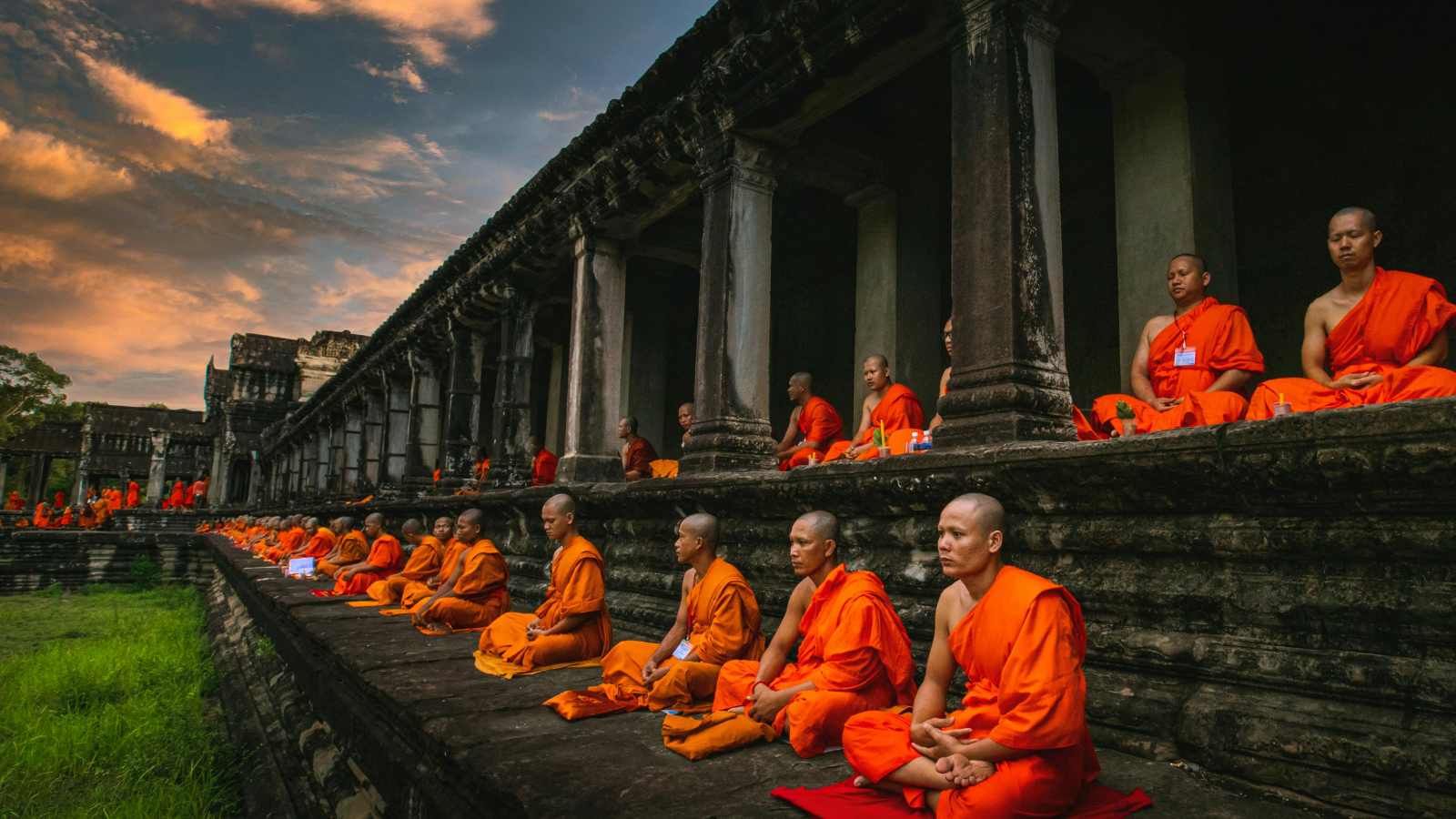
History reveals why centralized power is risky. Rulers often used religion to legitimize their authority, thereby compromising the faith’s mission. Christian organizations became corrupted through political power over time, leading to the institutional failures seen today.
This reinforces the seeker’s suspicion that hierarchy is not just inefficient, but inherently prone to abuse. The cycle shows that the original, pure intent of a spiritual movement often fractures when it acquires too much earthly influence.
The Communal Trade-Off
For all the talk of freedom, there is a cost: isolation. Critics rightly point out that communal participation in religion is a strong protective factor against social isolation and loneliness (2024-2025 data).
Personal spirituality, being decentralized, struggles to replicate the ready-made social fabric and predictable support systems of a congregation. The seeker must work much harder to intentionally build the accountability and fellowship that organized groups provide effortlessly. This communal divide is the SBNR movement’s biggest practical challenge.
Necessity of Structure: Seeking vs. Believing
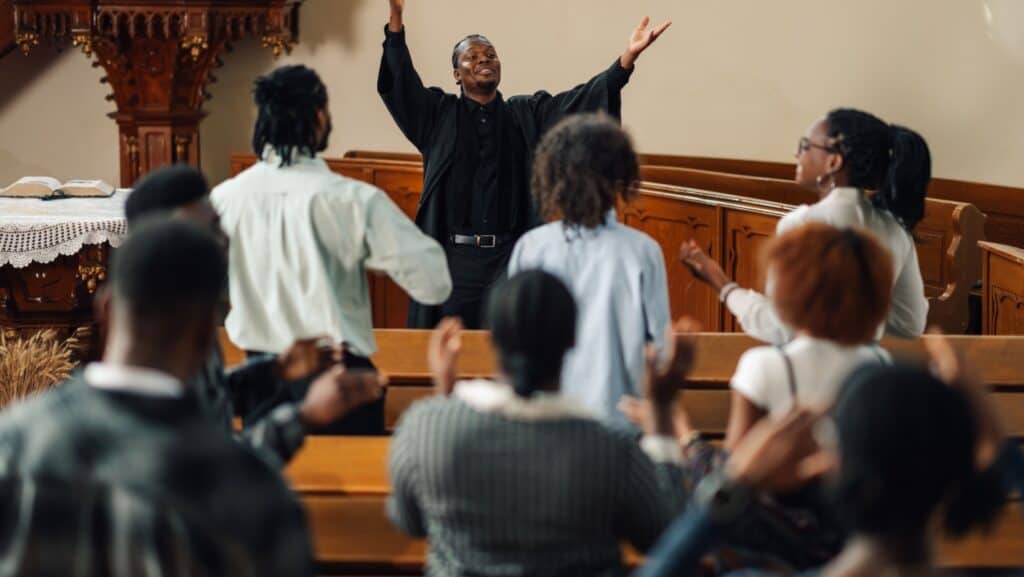
The debate is less about “organized” versus “unorganized” and more about centralized control versus dispersed authority. The term “organized religion” is shorthand for centrally organized systems that enforce dogma.
Consider Hinduism, which is codified but lacks a central authority imposing doctrinal conformity. Hinduism thrives by prioritizing seeking (personal inquiry) over believing (adherence to creed), proving that an enduring tradition can be decentralized. This contrasts sharply with systems requiring uniform doctrine enforced across all life stages.
Decentralized Models
Seeking community without coercion is entirely possible. The structural setup of Islam, for instance, is theological, placing binding authority on Allah and the Messenger, not an exclusive clerical class. Similarly, the Unitarian Universalist (UU) model operates on participatory, consensual governance.
These examples show that hierarchy is acceptable when individuals freely choose to join it, and the core concern is not the organization but the misuse of authority to oppress. Decentralized models provide the blueprint for the seeker to build a structure based on consent.
A Cycle of Decentralization
History suggests the current shift is cyclical. Early Judaism, before Moses, was unorganized, existing as local, patriarchal spiritual practices. The modern decentralized movement is a reflection of this: a return to the pre-Mosaic “unorganized religion” pattern.
This shows the SBNR phenomenon is not new, but an ancient, recurrent demand for a spiritual life defined by local practice and personal interpretation, rather than by centralized institutional dictate.
Synthesizing Belief
Seekers are actively solving the communal and structural gaps left by institutions. Many use Hybrid Models, attending occasional communal rituals (for support) while pursuing personal practices (like yoga or meditation) for growth. Others turn to Secular Ethics
Movements like Humanism and Stoicism, which provide moral frameworks and community without theism. This intentional synthesis proves the modern believer is the architect of their own faith, drawing structure from diverse sources.
Intentional Architect of Meaning
Ultimately, the shift is an act of full moral agency. It reveals that while some coordination is necessary for any durable spiritual tradition, the future belongs to the model that successfully eliminates coercion.
The seeker demands a life where spiritual growth is love-driven, not rule-bound. This movement forces all religious structures, including new ones, to align with the ethical standard of voluntary consent, or face continuous loss of membership.
Key Takeaways: The New Spiritual Standard
- SBNR as Autonomy: The movement is driven by ethical rejection of coercion, not simply a lack of faith.
- Proof of Concept: Research shows intrinsic spirituality provides superior well-being compared to enforced belief.
- The Zero-Sum Choice: Radical theology asserts that structure and a genuine, love-driven relationship are fundamentally incompatible.
- The Ethical Blueprint: Decentralized models like Hinduism and UU show that organization can exist without imposing dogma.
- Historical Echo: The modern shift mirrors the ancient, unorganized-religion pattern—a return to local, high-variance practice.
- The Communal Challenge: Seekers must deliberately employ hybrid models to counter the risk of social isolation.
- New Authority: The modern believer becomes the intentional architect of their faith structure.
Disclosure line: This article was developed with the assistance of AI and was subsequently reviewed, revised, and approved by our editorial team.
20 Odd American Traditions That Confuse the Rest of the World

20 Odd American Traditions That Confuse the Rest of the World
It’s no surprise that cultures worldwide have their own unique customs and traditions, but some of America’s most beloved habits can seem downright strange to outsiders.
Many American traditions may seem odd or even bizarre to people from other countries. Here are twenty of the strangest American traditions that confuse the rest of the world.