13 outdated social rules people have stopped caring about
For decades, social life was shaped by unspoken rules, from how quickly you should reply to messages to when it was considered appropriate to change jobs, post online, or express yourself publicly. But in 2026, many of those expectations are quietly fading.
According to Yahoo Tech, Gen Z is increasingly stepping back from traditional social media engagement, with a significant share of users saying they prefer to “lurk” rather than actively post or participate online. This reflects a broader shift away from constant visibility and performance-driven online behavior.
The Independent reports that many young people are also deliberately reducing their social media use in favor of offline hobbies, in-person relationships, and mental health breaks from digital overload. This trend is often linked to growing awareness of burnout, anxiety, and the pressure to always be “available” online.
Meanwhile, social behavior research cited by Sprout Social highlights a broader cultural shift toward “intentional living,” where people prioritize authenticity, well-being, and personal boundaries over traditional expectations of politeness, constant responsiveness, or rigid etiquette rules.
Together, these changes show a clear pattern: many of the social rules that once governed everyday behavior are no longer followed as strictly, and, in many cases, are ignored entirely.
Never Wearing White After Labor Day

This fashion law used to be enforced by the style police with an iron fist every September. It was a rule designed for a different era of high society that simply does not fit our current lifestyles. Nowadays, if you want to wear a crisp white linen shirt in October, nobody is going to bat an eye at your choice.
Fashion is now about personal expression and comfort rather than following a seasonal calendar. Instead of obsessing over outdated color rules, shoppers are encouraged to build wardrobes that work for their climate, job, and personality year-round. White is a year-round staple that belongs in every modern wardrobe.
Waiting For The Man To Pay

The old script where the gentleman always reaches for the check is officially in the recycling bin. Modern dating is much more of a partnership where both people bring something to the table. Splitting the bill has become a sign of respect and equality rather than a lack of chivalry or a bad date.
A large dating-and-money survey found that 56% of Americans think the bill should be split on a first date, and most still expect both people to at least offer to contribute.
This shift allows people to focus on the connection rather than the evening’s price tag. It takes the pressure off the wallet and puts the focus back on the person sitting across the table.
Avoiding Talk About Money

In the past, discussing your salary or budget was seen as the height of rudeness or tackiness. This silence often benefited employers and left many workers in the dark about their actual worth. Today, young professionals are breaking the silence to help one another navigate the financial world with greater clarity and confidence.
Self Financial’s salary transparency survey found that 71.1% of respondents had compared pay with a colleague in a similar role at some point. Transparency about money helps friends and family support each other through heavy economic times. Being open about your financial journey is now seen as a sign of maturity and trust among close peers.
Formal Attire In The Office

The days of every man wearing a tie and every woman in heels are fading into the history books. Most modern workplaces have traded the suit and skirt for comfortable jeans and a nice sweater. This change has allowed employees to feel more relaxed and focused on their actual work output rather than on their dry-cleaning bill.
A staffing firm survey found that about half of managers say employees dress less formally than they did just five years ago, and many workers now prefer business casual or casual dress codes.
This shift recognizes that professional talent is not measured by the crease in your trousers. A more casual environment often leads to better collaboration and a much friendlier office culture for everyone.
Waiting Three Days To Call

The games people used to play after a first date are finally starting to feel like a tired joke. The three-day rule was meant to create mystery, but it usually just created a lot of unnecessary anxiety. If you had a great time, sending a quick text that night is now considered sweet rather than desperate or clingy.
Modern communication habits have changed everything, and many people now prefer a quick message over radio silence as long as the tone feels relaxed and respectful. Waiting around for a clock to strike a certain hour feels artificial and out of sync with our fast-paced world. Direct and honest communication is the new gold standard for anyone looking for a real connection.
Always Answering The Phone

There was a time when a ringing phone was an emergency that required you to drop everything you were doing. Now, we all know that most calls are either spam or something that could have been a simple text message. It is perfectly acceptable to let a call go to voicemail while you finish your meal or a movie.
A Pew survey on phone habits found that 31% of texters actually prefer texting to talking on the phone, with younger adults leading the shift. This allows for better time management and fewer interruptions in a world that is already very loud. Your time is your own, and you get to decide when you are available to chat.
Strict Gender Roles At Home

The idea that only one person should handle the cooking while the other does the yard work is quite stale. Modern households are much more fluid, with partners sharing tasks based on skill and schedule rather than gender. This collaborative approach makes for a much smoother home life where nobody feels stuck in a box.
Studies of couples in several countries show that men and women increasingly support an equal sharing of routine housework, especially when both partners bring similar resources to the relationship. This means anyone can follow a new recipe for dinner or fix a leaky faucet. It creates a supportive environment where both people feel they are contributing to the home’s success.
The Need For A Paper Invitation

Snail mail is charming, but for a casual birthday party, an email or a digital invite is the new norm. It is faster, better for the environment, and much easier for the host to keep track of the guest list. While weddings might still get the fancy card, the digital world has taken over for almost everything else.
Today, a quick text, group chat, or online invite is often seen as thoughtful and efficient rather than lazy. It allows for easy RSVPs, shared maps, and last-minute updates without anyone losing a little card on the fridge. For most gatherings, what matters is that people feel welcome, not how the invitation arrived.
Asking For A Father’s Permission

The tradition of asking a father for his daughter’s hand in marriage is starting to feel a bit like a relic. Modern women are independent and make their own choices about their future and who they want to marry. Many couples now prefer to inform both sets of parents of their plan together as a united front of equals.
For many younger couples, a conversation with parents is more about sharing joy than asking for formal approval. It is seen more as a gesture of respect than an actual request for a transfer of ownership. Respecting your partner’s autonomy is the most important part of starting a new life together.
Never Wearing Jeans To A Wedding

The dress code for weddings has loosened up significantly, especially for outdoor or casual beach ceremonies. While you still want to look nice, a pair of dark, tailored jeans with a blazer is often perfectly fine. This shift reflects a move toward celebrating with joy rather than focusing on the event’s stiff formality.
As long as you look polished and appropriate for the venue, most modern couples care more about your presence than your hemline. It is about being there to support your friends on their big day and to share in the memories. Comfort and authenticity now sit right alongside respect when choosing an outfit.
Children Being Seen Not Heard
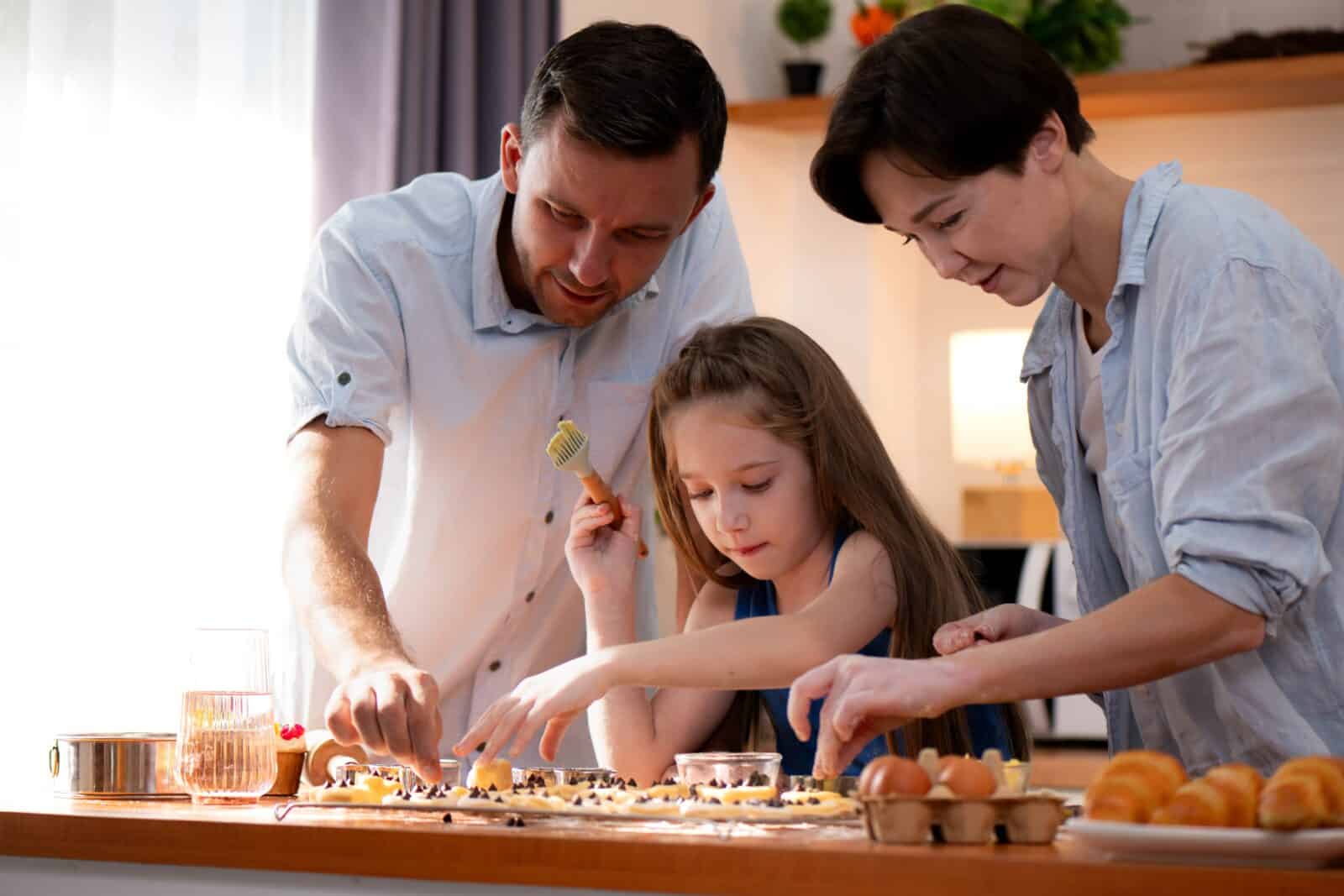
The old school approach to parenting, where kids were expected to sit silently, is being replaced by active engagement. Modern parents encourage their children to speak up, ask questions, and share their thoughts at the dinner table. This helps build confidence and critical thinking skills from a very young age in a supportive way.
Parenting experts increasingly urge caregivers to give children a voice in family discussions, noting that it helps them practice emotional expression and problem-solving. Allowing kids to speak helps them feel like valued members of the family unit. It turns a meal into a learning experience where everyone has something interesting to say.
Hosting Formal Dinner Parties

The high-stress dinner party with crystal glasses and a five-course meal is being replaced by the potluck. People would rather have friends over for a casual hang where everyone brings a dish and can relax on the couch. It takes the burden off the host and makes for a much more authentic and enjoyable evening for everyone.
In a world where time and budget are tight, sharing the load makes socializing more sustainable. Trading the fine china for paper plates allows the host to actually spend time with their guests instead of being stuck in the kitchen. The focus has shifted from the perfect presentation to the perfect company.
Living Together Before Marriage

The idea that you must wait until after the wedding to move in together is no longer the standard path. Most couples now choose to test their compatibility by sharing a home and a routine before making a legal commitment. It is a practical way to see if you can truly build a life together without any hidden surprises.
Recent family research shows that more than 20 million U.S. adults now live with an unmarried partner, and most recent marriages were preceded by cohabitation. Today, moving in together is seen as a wise step toward a healthy, long-lasting relationship. It provides a solid foundation of real-world experience before saying I do.
Key Takeaway

Social rules are not set in stone; they reflect what we value as a society at any given moment. Today, we are choosing to value honesty, equality, and comfort over the rigid structures of the past.
By letting go of these outdated mandates, we create more space for genuine human connection and a lot less stress. It is okay to blaze your own trail and decide which traditions are worth keeping and which ones belong in the bin.
Disclaimer – This list is solely the author’s opinion based on research and publicly available information. It is not intended to be professional advice.
Like our content? Be sure to follow us