11 specific birth years that come with a hidden biological advantage
Some birth years quietly handed people a better biological starting line, and no, nobody sent a memo. We usually talk about birth years as if they determine your music taste, your slang, or your ability to survive without Google Maps, but biology also plays a role. Public health has changed fast over the last 70 years, and certain cohorts grew up with less exposure to serious infections, lead, birth defects, and allergy risks than people just a few years older.
The big catch? These advantages never guarantee perfect health, because genes, family income, geography, race, medical access, diet, stress, and luck still love barging into the room uninvited.
Still, the trend tells a fascinating story. U.S. life expectancy reached 78.4 years in 2023, up from 77.5 in 2022, and public health wins like vaccines, cleaner environments, fortified foods, and better maternal care helped shape that longer arc. A CDC review even called vaccines “one of the greatest achievements of biomedical science and public health,” which sounds dramatic until you remember polio, measles, Hib, and chickenpox used to treat childhood like an obstacle course with trapdoors.
So, which birth years came with a hidden biological advantage? Let’s walk through the lucky timing, with the friendly reminder that “lucky” still means “statistically better,” not “immortal superhero with great knees.”
1955 babies got the polio timing boost

People who arrived in 1955 landed right at the beginning of America’s polio vaccine era, and that timing mattered in a very real way. Before the U.S. began using the polio vaccine widely, the country reported an average of 16,316 paralytic polio cases and 1,879 deaths each year from 1951 through 1954. After the vaccine rollout, polio incidence dropped below 1,000 cases by 1962 and remained below 100 cases thereafter.
That means a 1955 baby entered early childhood as one of the first groups to benefit from a massive shift away from paralysis risk, which feels less like luck and more like public health finally showing up with the good snacks.
The hidden biological advantage here sits in the nervous system. Poliovirus could attack the spinal cord and brainstem, leaving some children with lifelong weakness, breathing problems, or paralysis.
A child born in 1950 faced more early-childhood uncertainty than a child born in 1955, simply because medical timing changed the odds. Ever wondered why older family stories about iron lungs sound like scenes from a different planet? That is what happens when one vaccine turns a common fear into a rare memory.
1964 babies caught the measles vaccine wave

People born in 1964 reached infancy right after the U.S. began using the measles vaccine in 1963, and that timing gave them a quiet immune advantage. Before the vaccine era, nearly every child got measles by age 15, and the U.S. saw an estimated 3 to 4 million infections each year. Reported annual measles cases also brought an estimated 400 to 500 deaths, 48,000 hospitalizations, and 1,000 cases of encephalitis. So yes, skipping measles did more than save kids from a miserable rash and a week of couch exile.
The deeper biological edge comes from what measles can do after the fever fades. Researchers describe measles as capable of “immune amnesia,” meaning it can damage immune memory and leave people more vulnerable to other infections for years.
A child born in 1964 had a better chance of growing up during vaccine adoption instead of the full pre-vaccine measles churn. That is a pretty sneaky advantage, right? You avoid one virus, and your immune system keeps more of its old notes instead of losing the whole notebook.
1979 babies entered childhood with less lead pressure

People born in 1979 entered early childhood after the U.S. had already begun reducing lead in gasoline, food packaging, house paint, plumbing, dust, and soil. The CDC notes that federal actions beginning in the 1970s substantially reduced lead levels in children across the country.
It also points to the 1978 ban on lead-based residential paint as a major dividing line, although older homes still create risks today. For a 1979 baby, that meant the first few years of brain development unfolded in a cleaner lead environment than many children faced in the 1960s and early 1970s.
That advantage matters because childhood lead exposure harms brain development, attention, behavior, and learning, and experts have not identified a safe blood lead threshold for children. In 1978, about 13.5 million U.S. children ages 1 to 5 had blood lead levels at or above 10 micrograms per deciliter, but by 2007 to 2008, that number fell to roughly 250,000.
That decline gives 1979 babies a hidden neurological edge, especially compared with cohorts who crawled, played, and breathed during the peak lead years. Not glamorous, sure, but honestly, “less neurotoxin in childhood” beats any zodiac sign advantage I have ever heard.
1991 babies rode the Hib protection shift
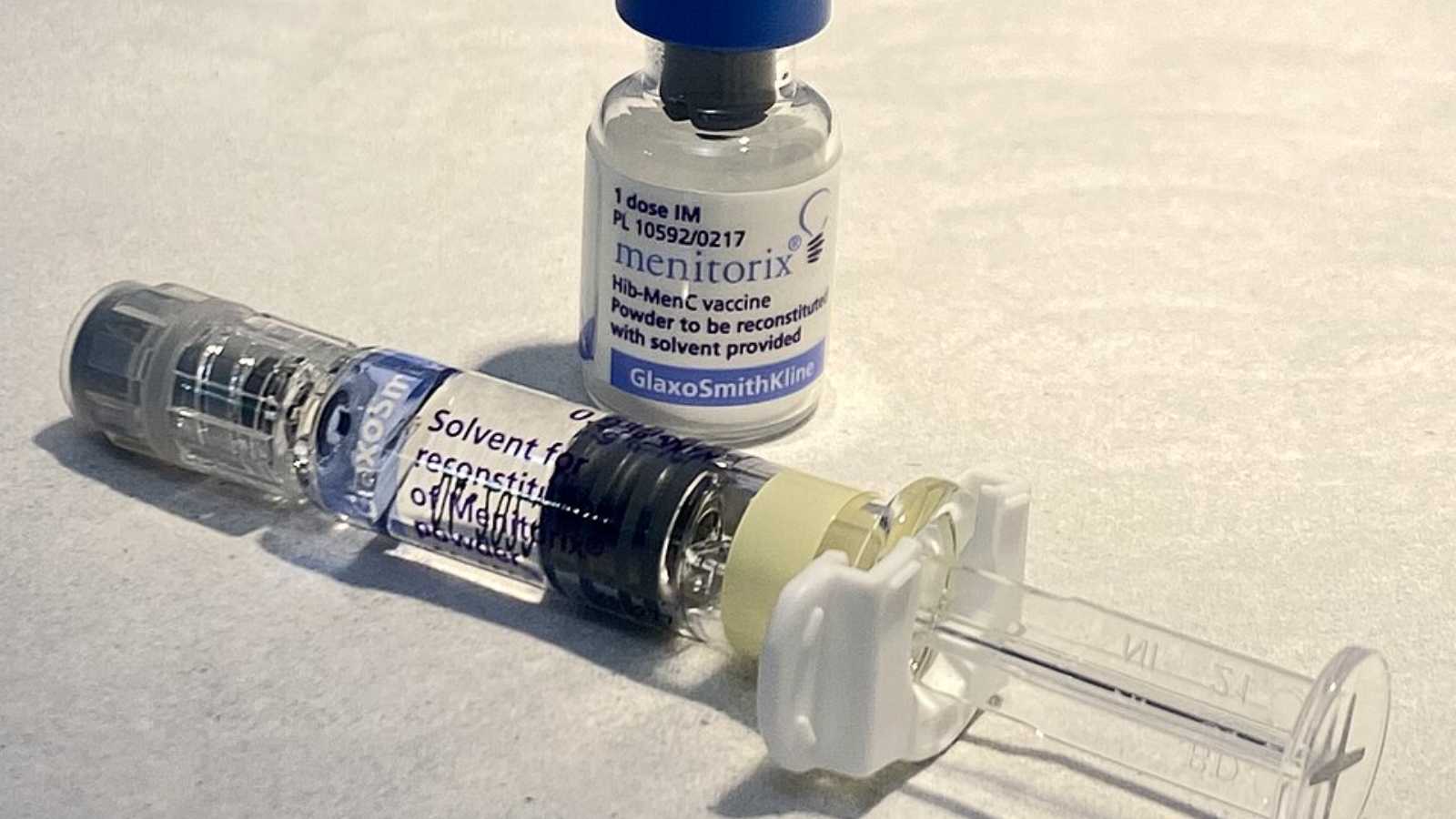
People born in 1991 arrived just after doctors began using Hib conjugate vaccines for infants, giving them an early childhood advantage against one of the nastier bacterial threats. Before Hib vaccines, the U.S. saw about 20,000 invasive Hib cases each year, and Hib ranked as the leading cause of childhood bacterial meningitis and postnatal intellectual disability. The vaccine story moved quickly after infant recommendations began in 1990, and invasive Hib disease among young children dropped by 98 percent following the introduction of Hib conjugate vaccines.
Not bad for something most people today barely think about, which is usually how successful public health works. The biological advantage here centers on protecting the brain and the bloodstream. Hib could cause meningitis, bloodstream infection, pneumonia, and death, and babies faced the greatest danger before their immune systems could handle much on their own.
A 1991 baby had a better chance of receiving protection early, at the age when Hib caused the most fear. That is the quiet magic of timing: one cohort grows up with a disease as a household worry, and another grows up barely knowing how to pronounce it.
1994 babies got first crack at HPV prevention
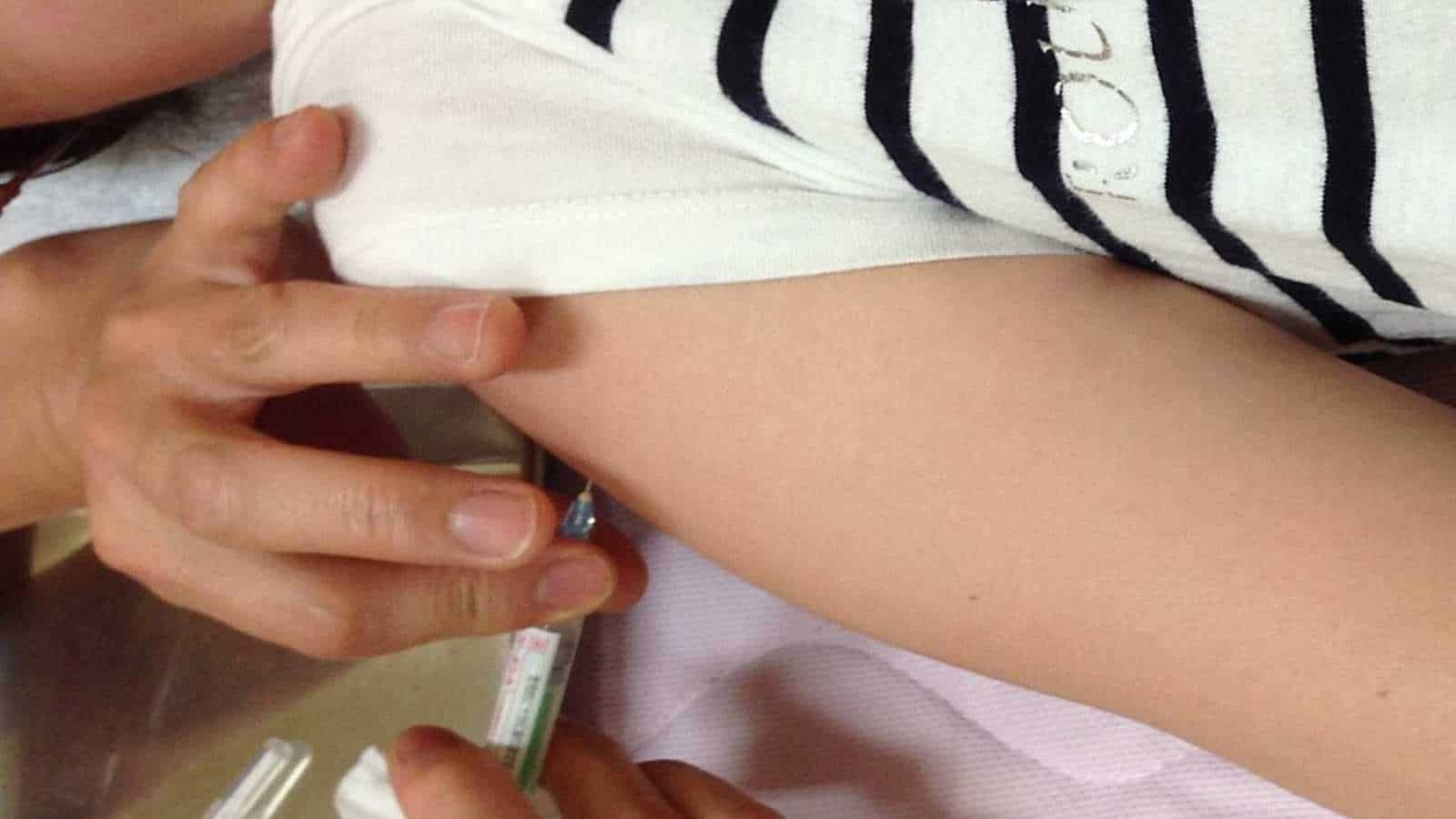
People born in 1994 hit age 11 or 12 right as the HPV vaccine entered U.S. use in 2006, making them part of the first group positioned for routine adolescent protection. That timing matters because HPV causes several cancers later in life, including cervical, anal, throat, penile, vaginal, and vulvar cancers.
Since HPV vaccines entered U.S. use, infections with the HPV types that cause most HPV cancers and genital warts have dropped 88 percent among teen girls and 81 percent among young adult women. That is the kind of biological advantage that does not show up on a birthday card, though maybe it should.
This advantage is most pronounced before exposure, making birth-year timing unusually important. A person born in 1994 reached the recommended age just as the vaccine became available, while older teens and young adults often had to rely on catch-up vaccination and personal awareness.
CDC data also shows a 40 percent drop in cervical precancers caused by the HPV types most often linked to cervical cancer among vaccinated women. Ever think about how a middle-school doctor’s visit can influence cancer risk decades later? Biology loves a long game.
1996 babies met a weaker chickenpox world
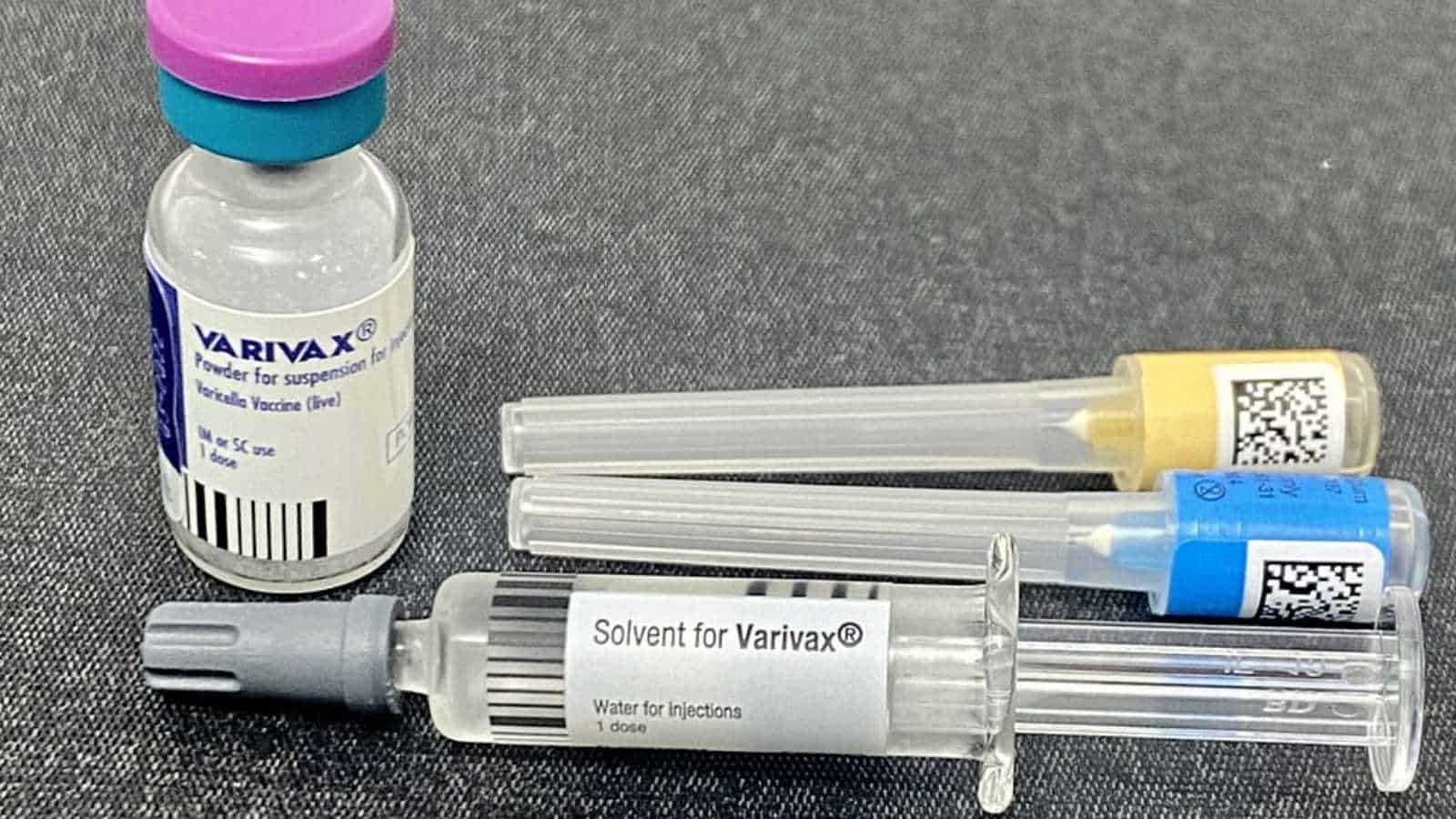
People born in 1996 were born one year after the U.S. added the chickenpox vaccine to the routine childhood immunization schedule. That timing gave them a much better shot at avoiding the classic chickenpox experience, which older generations often describe with weird nostalgia, as though itching for a week counted as character development.
Since the program began in 1995, U.S. chickenpox cases have declined by more than 97 percent. The CDC also estimates that the first 25 years of vaccination prevented about 91 million cases and saved $23.4 billion in health care costs.
The hidden biological advantage goes beyond skipping calamine lotion and oatmeal baths. Chickenpox can cause bacterial skin infections, pneumonia, brain inflammation, hospitalization, and death, and the virus can later reactivate as shingles.
A 1996 baby entered toddlerhood as chickenpox prevention became normal, while slightly older children often caught the virus before routine protection reached them. Funny how one birth year can separate “every kid gets it” from “wait, people still get that?”
1999 babies benefited from folic acid fortification

People born in 1999 came after the U.S. required folic acid fortification of enriched cereal grain products in 1998, giving this cohort a prenatal advantage before they even had a chance to complain about broccoli. Folic acid helps prevent neural tube defects, which affect the brain and spine very early in pregnancy.
After mandatory fortification began, the U.S. saw a decline in neural tube defect prevalence, and updated estimates indicate about 1,300 affected births are averted each year. That is a quiet biological win baked into flour, cereal, pasta, and bread.
This advantage matters because neural tube defects can cause death or lifelong disability, and many pregnancies reach this critical stage before someone even realizes they are pregnant. Another CDC review found that neural tube defect prevalence dropped 36 percent after fortification, from 10.8 per 10,000 during 1995 to 1996 to 6.9 by the end of 2006.
A 1999 birth year does not guarantee anything, but it did place babies on the safer side of a major nutrition policy shift. Who knew breakfast cereal could moonlight as a public health intervention?
2001 babies gained pneumococcal protection early
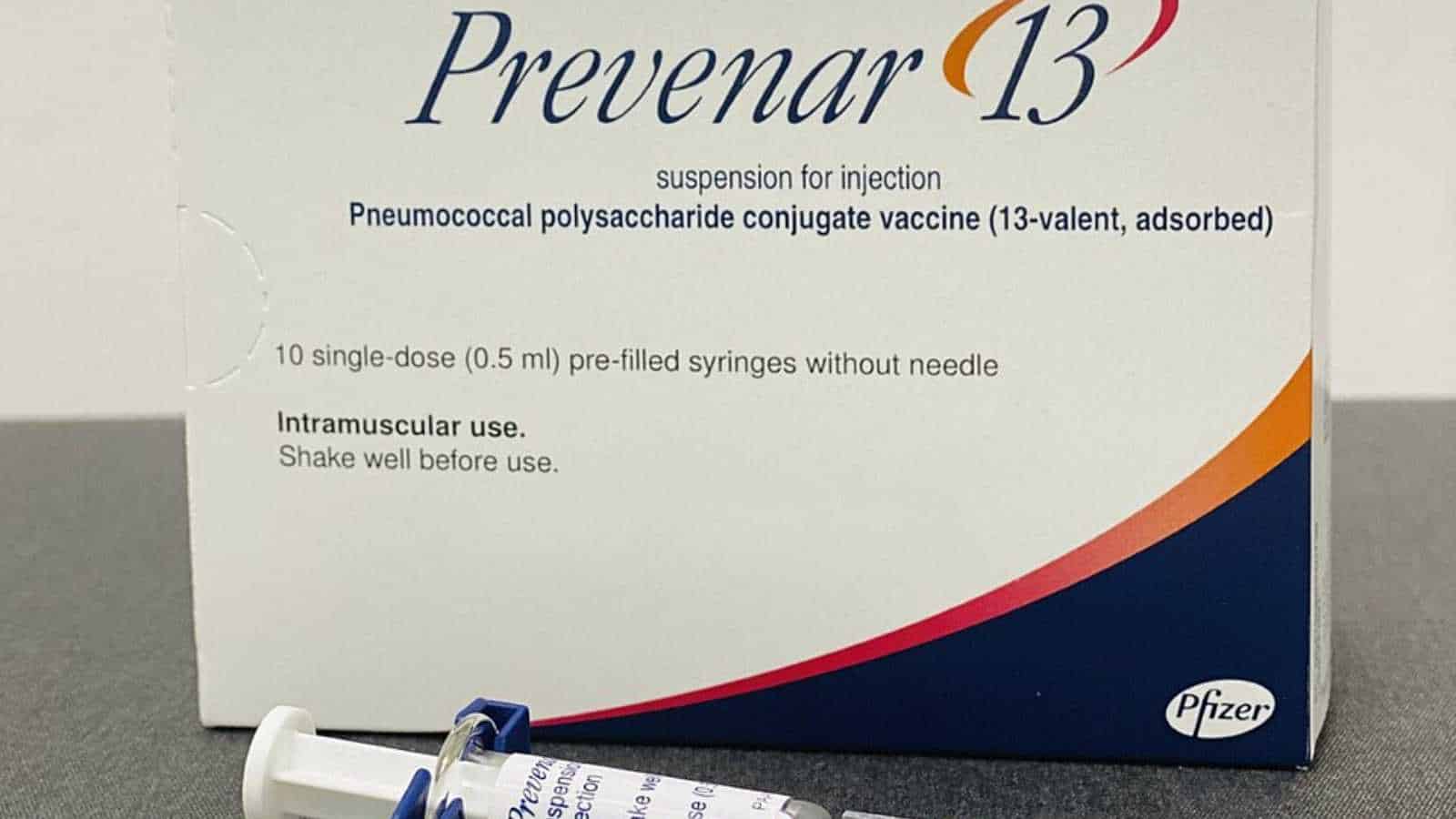
People born in 2001 reached infancy right after the U.S. introduced the first pneumococcal conjugate vaccine for young children in 2000. Before routine use, pneumococcal disease caused an estimated 17,000 invasive cases each year among children under 5, including about 700 meningitis cases and 200 deaths.
By 2001, early evidence already linked vaccine introduction with a 69 percent decline in invasive disease among children younger than 2. That gave 2001 babies a real advantage against a bacterium that could move from “ear infection” to “medical emergency” far too quickly.
The biological edge sits in protection against meningitis, bloodstream infection, pneumonia, and some ear infections. CDC data later showed that the diseases caused by the seven serotypes in the original PCV7 vaccine and by related serotype 6A dropped 99 percent among children.
The vaccine also reduced transmission, which helped protect people beyond the vaccinated child. Pretty neat, right? One infant-shot series helped reduce the bacterial background noise for everyone nearby.
2007 babies avoided much of the rotavirus mess
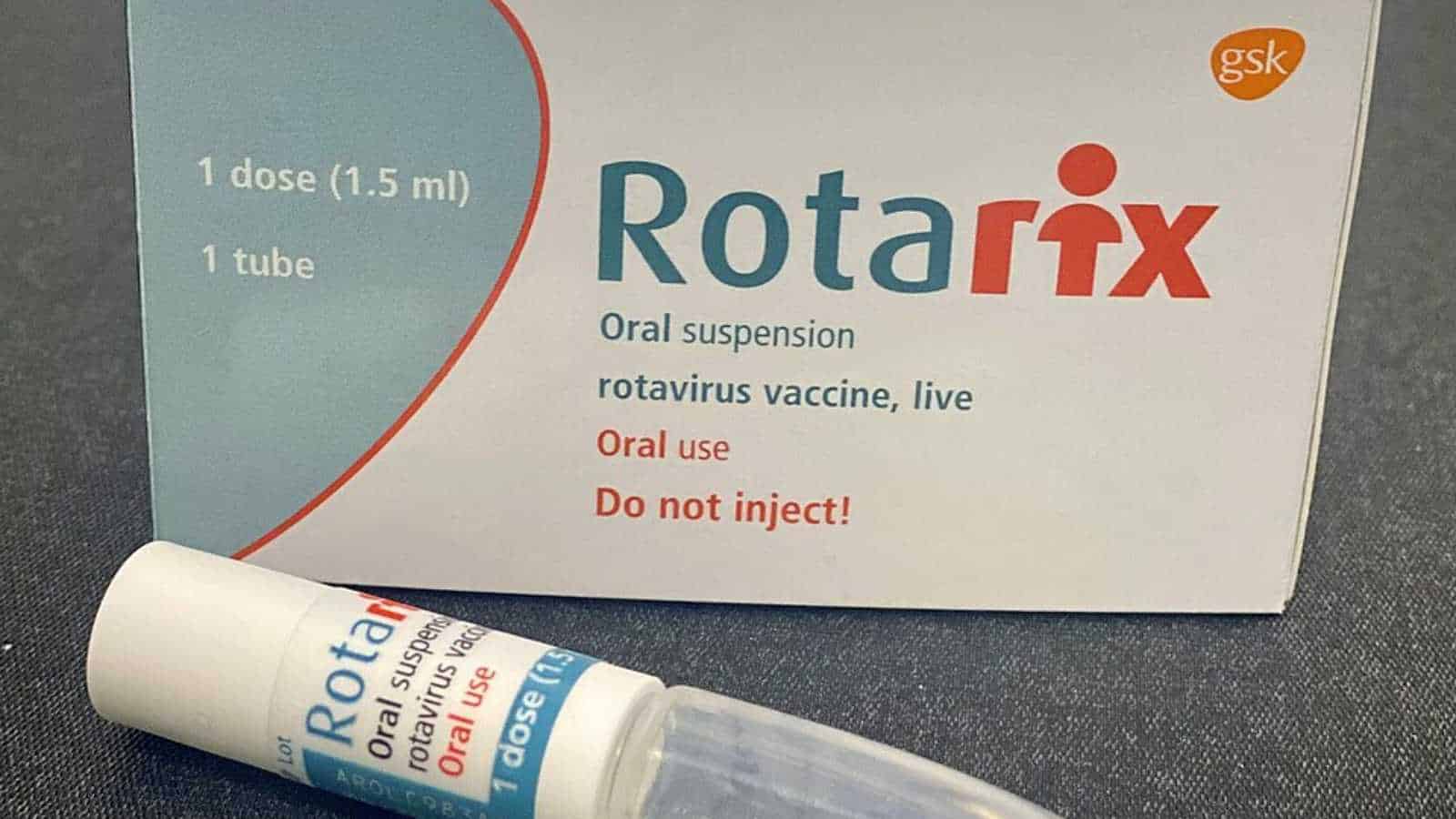
People born in 2007 arrived after the U.S. recommended routine infant rotavirus vaccination in 2006, which gave them a stomach-saving advantage. According to the CDC, before vaccine introduction, rotavirus led to an estimated 58,000 to 70,000 hospitalizations each year among U.S. children under 5.
Two U.S. rotavirus vaccine products, one approved in 2006 and another in 2008, helped drive a median 80 percent reduction in rotavirus-associated hospitalizations. That is a huge deal if you have ever watched a toddler turn one stomach bug into a full household disaster movie.
Rotavirus causes severe diarrhea and vomiting, and young children can dehydrate quickly. CDC surveillance also found that rotavirus seasons became shorter after the vaccine’s introduction, meaning 2007 babies faced a different disease pattern than kids just a few years older.
The hidden biological advantage here looks less dramatic than polio or meningitis, but fewer hospital-level dehydration episodes still count as a major win. Honestly, any birth year that reduces emergency room stomach chaos deserves a little applause.
2013 babies got more maternal whooping cough protection

People born in 2013 arrived as U.S. guidance around Tdap vaccination during pregnancy expanded to better protect newborns from pertussis, also known as whooping cough. In 2012, the Advisory Committee on Immunization Practices recommended Tdap during every pregnancy, because maternal antibodies can transfer to the baby before birth.
That matters because babies cannot start their own DTaP series until infancy, and pertussis can hit hardest before that protection fully develops. For 2013 babies, mom’s immune system had a better chance to act like a tiny security team at the door.
The numbers make this advantage feel less abstract. A CDC evaluation found that Tdap administered during the third trimester prevents 78 percent of pertussis cases in infants younger than 2 months and is 91 percent effective against hospitalized cases.
That means a 2013 baby had better odds of starting life with borrowed antibodies during one of the most fragile windows. Ever notice how the best biological advantages sometimes happen before the baby gets any say in the matter? Babies outsource everything, including immune strategy.
2017 babies caught the peanut allergy guideline shift
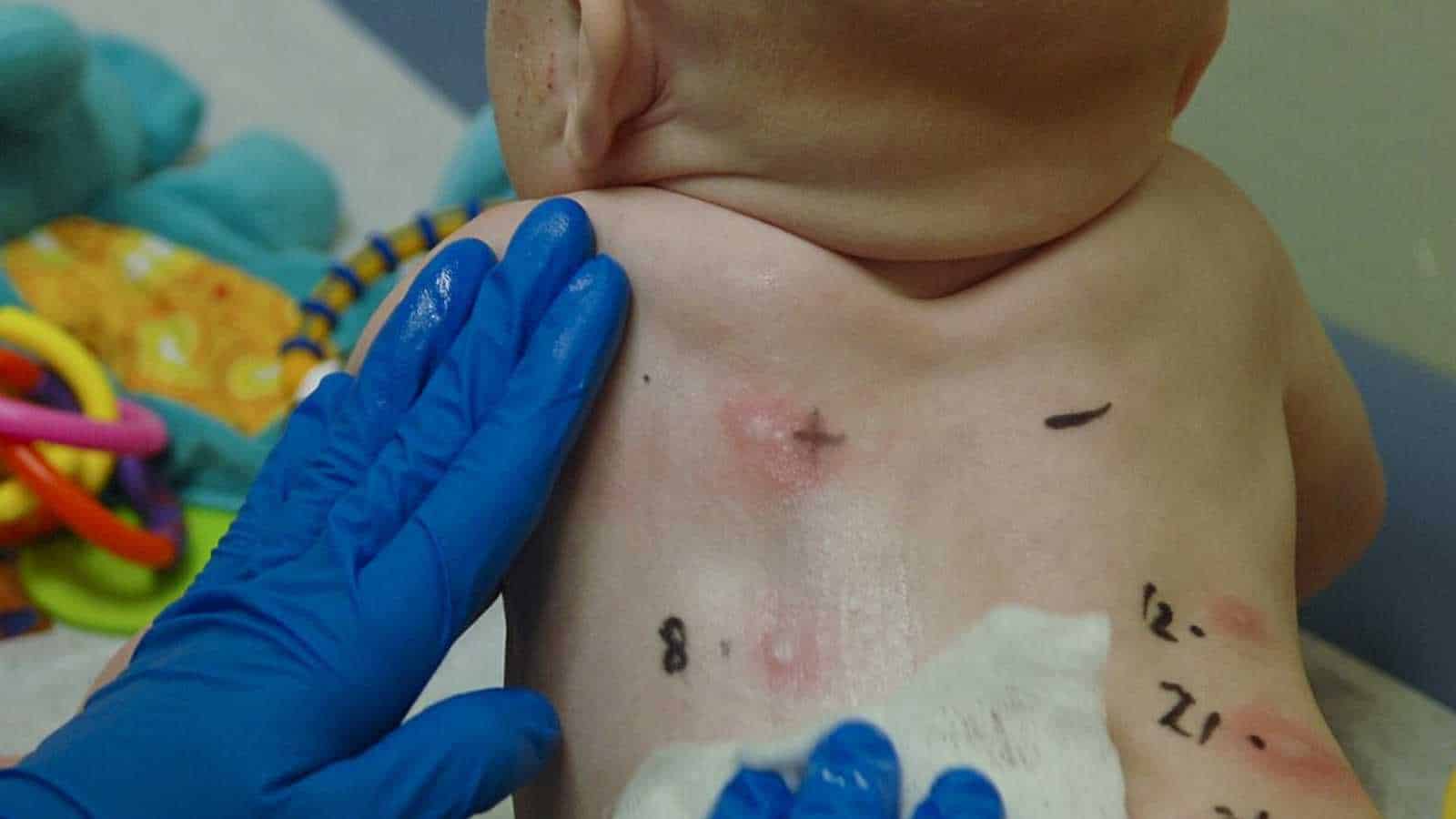
People born in 2017 arrived just as U.S. guidance on peanut allergy prevention changed significantly. New recommendations encouraged earlier peanut introduction for many infants, especially those at higher risk due to severe eczema or egg allergy, with medical testing or supervision for high-risk babies.
The LEAP trial found that early peanut introduction reduced peanut allergy risk at age 5 by 81 percent, and later NIH-backed research found a 71 percent reduction into adolescence. NIAID Director Jeanne Marrazzo called early peanut feeding a “safe, simple strategy” that could prevent “tens of thousands of cases,” which sounds refreshingly practical for something involving baby snacks.
This hidden biological advantage centers on immune tolerance. Older advice often told families to delay allergenic foods, but newer evidence flipped that script, showing that early, regular exposure could train the immune system in a healthier direction. A 2017 baby had a better chance of growing up under this new thinking, especially if their pediatrician kept up with the guidance and parents felt confident enough to follow it safely. Peanut butter suddenly became less “forbidden mystery paste” and more “tiny immune lesson,” which feels like a plot twist nobody saw coming.
2024 babies entered the RSV prevention era

People born in 2024 arrived during the first broad season when new RSV prevention tools began changing infant risk in the U.S. RSV can cause severe breathing illness in babies, and infants under 6 months face especially high vulnerability.
During the 2024 to 2025 season, U.S. infant RSV hospitalization rates dropped by 28 percent in one national database and 43 percent in another after maternal vaccination and the infant antibody shot became widely available. That means 2024 babies may be among the first cohorts to show what widespread RSV prevention can achieve outside clinical trials.
This advantage feels especially relevant because RSV used to sit in the “everyone gets it, good luck” category. New prevention tools changed the timing, giving babies protection before their own immune systems could handle the virus comfortably. Of course, access, timing, insurance coverage, provider counseling, and local uptake still shape who actually benefits. Still, if one birth year deserves a tiny respiratory system high five, 2024 makes a strong case.
Key takeaway

Birth year does not hand anyone a biological destiny, but it can shape the risks people meet in early life. The biggest hidden advantages came from lower exposure to polio, measles, lead, Hib, chickenpox, HPV, neural tube defects, pneumococcal disease, rotavirus, pertussis, peanut allergy, and RSV. That sounds like a mouthful, but the pattern stays simple: public health changes the body’s odds long before most people notice.
The most interesting part? These advantages rarely look glamorous in the moment. A vaccine appointment, cleaner air, fortified flour, safer pregnancy guidance, or updated allergy advice may feel ordinary, even boring.
Then the data arrives years later and says, “Hey, that ordinary thing quietly saved a lot of trouble.” So, next time someone brags about their birth year because of music or fashion, you can raise the stakes and ask what their immune system got out of it.
Disclaimer: This list is solely the author’s opinion based on research and publicly available information. It is not intended to be professional advice.
Like our content? Be sure to follow us.