Why the wealthy stay wealthy: 11 purchases they consciously avoid
Wealth rarely disappears by accident; it erodes through patterns of spending that compound over time. Federal Reserve data shows that the top 10% of Americans control nearly 70% of total wealth, and one consistent behavioral difference lies in how money is spent, or deliberately not spent.
A 2024 report by the U.S. Bureau of Labor Statistics shows that high-income households allocate a smaller share of their income to depreciating goods than middle-income households. This pattern challenges the stereotype of lavish consumption and instead highlights disciplined decision-making.
Understanding what the wealthy consciously avoid offers a practical framework for building financial stability. The following list breaks down 11 purchases that consistently undermine wealth accumulation, and why high earners steer clear of them.
Brand-New Luxury Cars
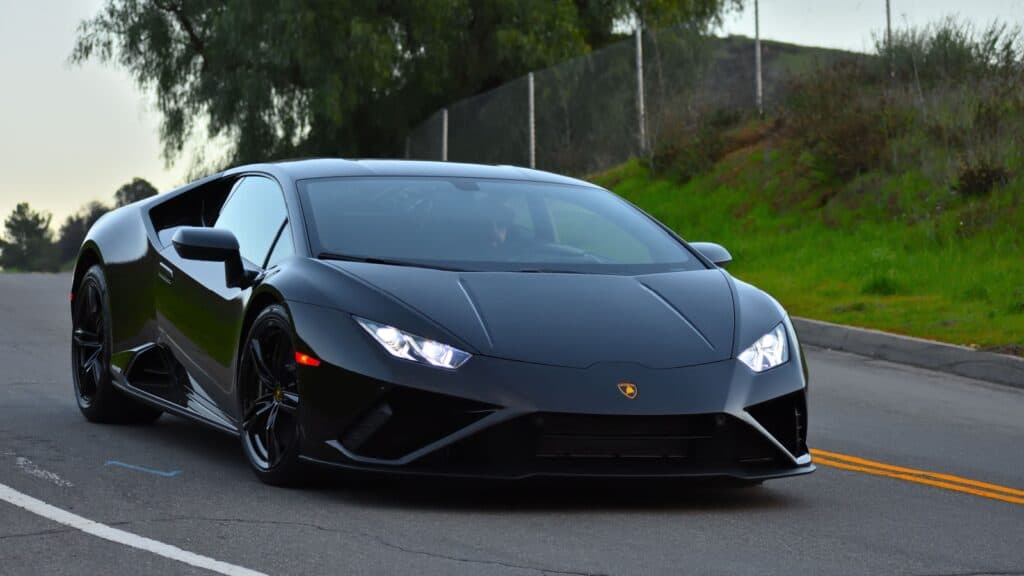
New luxury vehicles lose value the moment they leave the dealership. Edmunds reports that new cars depreciate by up to 20% in the first year and nearly 60% within five years. Wealthy individuals often avoid this immediate loss by purchasing slightly used vehicles or holding onto cars longer.
The decision reflects a focus on asset preservation rather than image signaling, recognizing that transportation serves a function rather than a status benchmark.
Trend-Driven Fashion

Fast-changing fashion trends encourage frequent spending with little long-term value. According to McKinsey’s State of Fashion report, global clothing consumption has doubled since 2000, yet garments are worn significantly fewer times.
Wealthy consumers typically invest in timeless, high-quality pieces rather than chase seasonal trends. This approach reduces waste and aligns spending with durability rather than impulse.
High-Interest Consumer Debt Purchases
Credit card debt remains one of the most expensive financial traps. The Federal Reserve reports that average credit card interest rates exceed 20%, turning small purchases into long-term financial burdens.
Wealthy individuals avoid financing non-essential items at high interest, understanding that compounding works against them in this context. Instead, they prioritize liquidity and avoid unnecessary liabilities.
Oversized Homes Beyond Practical Needs

Housing represents the largest expense for most households. Zillow data shows that larger homes significantly increase maintenance, utility, and tax costs. Wealthy individuals may own valuable real estate, yet they often avoid buying more space than they actively use.
The emphasis shifts toward strategic property investment rather than emotionally driven upgrades that inflate ongoing expenses.
Extended Warranties with Low Value
Extended warranties often provide limited financial benefit. Consumer Reports research indicates that most products do not fail during the warranty period, making these add-ons statistically unfavorable. Wealthy buyers assess risk versus cost and often opt out, choosing to self-insure by covering potential repair costs directly when needed.
Daily Convenience Spending Habits

Small, recurring expenses accumulate significantly over time. A study by Acorns found that Americans spend over $1,100 annually on coffee alone. Wealthy individuals monitor these patterns closely, recognizing that consistent micro-spending can erode savings.
The focus remains on intentional consumption rather than habitual spending driven by convenience.
Flashy Status Symbols

Visible luxury items often serve as social signals rather than as functional value. Research published in the Journal of Consumer Research shows that status-driven purchases correlate with lower long-term financial satisfaction.
Wealthy individuals frequently avoid excessive display spending, prioritizing financial security over external validation. This restraint supports sustained wealth growth.
Poorly Researched Investments

Impulsive investing can lead to significant losses. The Securities and Exchange Commission highlights that retail investors often underperform the market due to emotional decision-making.
Wealthy individuals typically avoid investments they do not understand, focusing instead on diversified, research-backed strategies. This discipline reduces exposure to unnecessary risk.
Subscription Overload
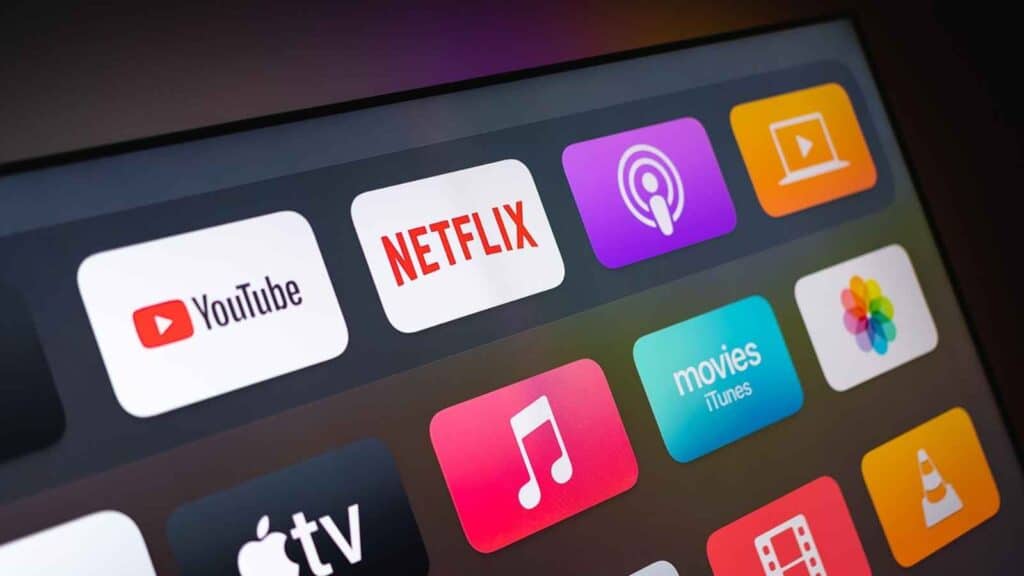
Streaming services, apps, and memberships create hidden recurring costs. Deloitte reports that the average U.S. consumer manages multiple subscriptions, often underestimating total monthly spending.
Wealthy individuals regularly audit these expenses, eliminating services that do not deliver consistent value. This practice prevents financial leakage.
Frequent Dining Out Without Purpose

Dining out offers convenience but comes at a premium. The Bureau of Labor Statistics notes that food away from home accounts for a growing share of household spending.
Wealthy individuals may enjoy dining experiences but avoid habitual spending in this category. Meals are treated as intentional experiences rather than default routines.
Impulse Purchases Driven by Emotion

Emotional spending disrupts financial planning. Research from the American Psychological Association links stress and mood fluctuations to increased impulsive buying behavior.
Wealthy individuals develop systems, budgets, waiting periods, or financial goals that reduce emotional decision-making. This structured approach maintains alignment with long-term objectives.
Key Takeaways

- Wealth preservation depends on disciplined avoidance as much as smart investing.
- Depreciating assets and high-interest debt consistently erode financial stability.
- Small, recurring expenses have a significant long-term impact.
- Intentional spending aligns with long-term goals rather than short-term gratification.
- Financial awareness and self-regulation distinguish lasting wealth from temporary income.
Disclaimer: This list is solely the author’s opinion based on research and publicly available information. It is not intended to be professional advice.
Like our content? Be sure to follow us