11 roles women are tired of playing in marriage
Marriage is often described as a partnership, but for many women, it doesn’t always feel like an equal one.
Beyond love and companionship, women end up carrying hidden roles—often silently and often for years. What makes these roles exhausting isn’t just the workload itself but the fact that so much of it is invisible and unacknowledged.
Experts have been studying this imbalance for decades; surveys, sociological studies, and psychological research all point to the same conclusion: women do more of the unseen labor in marriage, and it comes at a cost. Here are 11 of those roles — and what the research says about why women are tired of playing them.
The Mental Load Manager

Picture this: your child’s soccer practice is next Tuesday, your in-laws’ anniversary is coming up, and the water bill is due on Friday. Who’s remembering all of this? In many households, it’s the wife.
Sociologist Allison Daminger calls this “cognitive labor.” Her research at Harvard found that women tend to take on the bulk of planning, anticipating needs, and remembering tasks, even when household chores are split more evenly.
A 2025 Italian study went further, showing that women carrying this “mental load” reported higher levels of emotional fatigue and lower satisfaction with fairness in their marriages. The researchers described it as “invisible burden” because it never shows up on chore charts but weighs heavily every single day.
Takeaway: The mental load isn’t about who does the laundry. It’s about who has to remember that it needs to be done in the first place.
The Primary Caregiver
If a child is sick at school, who usually gets the call? Studies show it’s overwhelmingly mothers. Even when both parents work, women are more likely to adjust their schedules to care for children or elderly parents.
The Gender Equity Policy Institute found that women spend nearly double the time men do on childcare and housework, regardless of employment status. And research published in Frontiers in Psychology highlights how women balance caregiving for children and older relatives, often with little support. Caregiving is meaningful, but when it defaults to women, it limits their personal time, career growth, and even health.
Takeaway: Caregiving is a family responsibility, not a gendered one — but until that mindset changes, women will continue to pay the higher price.
The Household CEO
Running a home is like running a small business. There are logistics, maintenance, schedules, and budgets. Yet, in many marriages, women are the CEOs of domestic life. Harvard researchers call this form of invisible labor “management work” — coordinating tasks and people to keep life moving smoothly.
Unlike chores that can be checked off a list, management has no finish line. It’s a job that never ends.
Takeaway: The household doesn’t just need workers. It needs co-managers.
The Peacekeeper
Ever noticed how many women bite their tongue to avoid conflict at home? Research shows women are often the ones who smooth things over, keep tensions low, and absorb frustration to maintain harmony.
This emotional work is rarely seen as “labor,” but it is. The Harvard study on invisible work includes “keeping in-law relations smooth” and “managing household emotions” as part of family work that falls mostly to women.
Takeaway: Peace shouldn’t come at the expense of one partner’s emotional well-being.
The Family Accountant
Bills, budgets, and bank statements — someone has to manage them. In many marriages, that job quietly falls to the wife, even when she isn’t the primary earner.
The Gender Equity Policy Institute report finds that women spend more hours on unpaid responsibilities like shopping and bill paying. It’s therefore clear: financial organization is another invisible role, just with higher stakes.
Takeaway: Managing money is work. Couples should treat it as such and split it like any other responsibility.
The Standard Setter
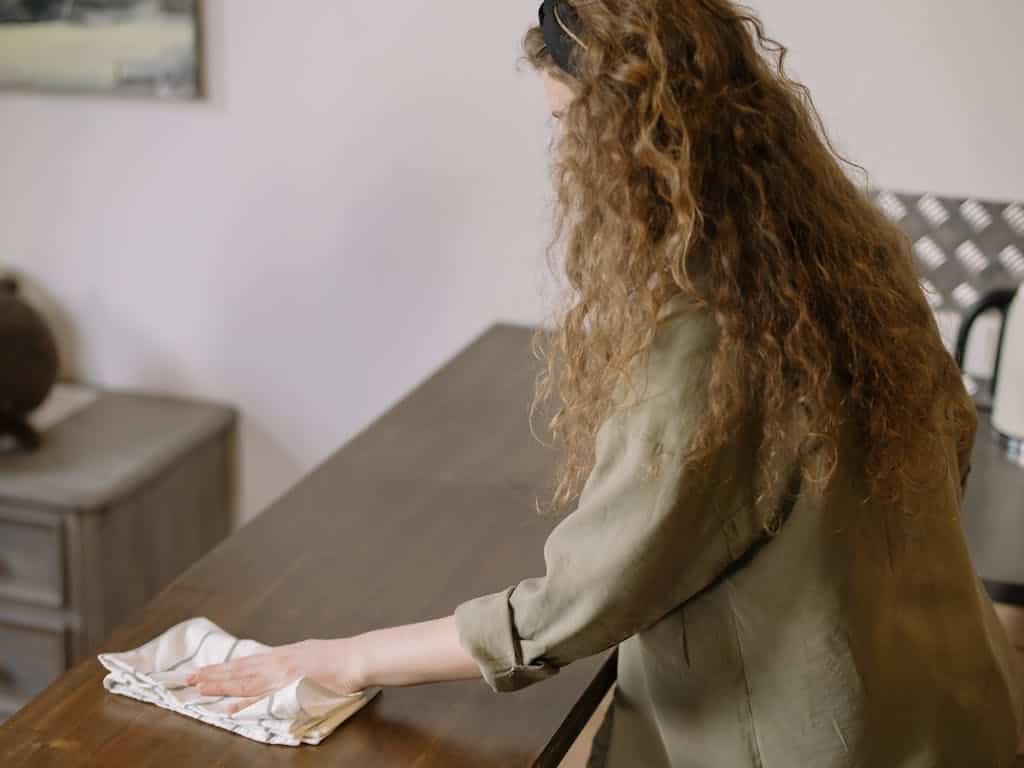
A messy house can spark very different reactions in a couple. Often, women feel responsible for the home’s appearance — not just because they want it clean, but because society judges them more harshly for a messy home.
Australian time-use surveys show women do 50 percent more housework than men, which researchers link directly to resentment, especially around unequal expectations of cleanliness. That resentment grows because women aren’t just doing chores. They’re also setting and enforcing the standards for what counts as “clean enough.”
Takeaway: Standards should be negotiated, not silently managed by one partner.
The Social Scheduler
Birthdays, holidays, family visits — who makes sure they happen? Research shows women are the ones who organize them, keeping social and family ties alive. Sociologist Jessica Calarco calls this the “safety net role.” In her book Holding It Together, she shows how women carry the unpaid labor of keeping family and social ties strong — work that often goes unnoticed until it’s missing.
This role matters, but when one partner carries it alone, it can feel less like love and more like a never-ending job.
Takeaway: Family connections thrive when both partners put in effort, not when one person does all the emotional scheduling.
The Sacrificer of Personal Aspirations
Career sacrifices often fall hardest on women. Research shows that after becoming parents, women face a much steeper “career penalty” than men. A 2025 study on academia found women academics carried more childcare duties and experienced slower career progression, even when equally qualified as men. Similarly, a 2022 study confirmed women consistently log more unpaid work, leaving less time for professional growth.
Sacrifice may sound noble, but it can lead to lost opportunities and diminished identity over time.
Takeaway: Supporting each other’s ambitions should be a shared marital goal, not a one-sided compromise.
The Emotional Anchor
Marriage often places women in the role of emotional stabilizer. They support their partner through stress, work challenges, or personal struggles, often while managing their own emotions.
The problem arises when this becomes one-sided. Men may rely heavily on their wives for emotional support without offering the same in return. Strong marriages thrive when both partners provide stability for each other.
Takeaway: Resilience should be shared, not outsourced.
The Tradition Keeper
From Christmas dinners to cultural celebrations, women are often expected to maintain traditions. That includes planning, cooking, shopping, and making sure rituals happen.
While traditions can bring joy, they also bring labor — and when one person alone is responsible, the joy often gets lost under the weight of preparation.
Takeaway: Traditions mean more when everyone contributes to keeping them alive.
The Guilt Bearer
Finally, there’s guilt. Many women internalize the belief that if something is wrong at home, it’s their fault — whether it’s messy, stressful, or unorganized.
A global survey found that women who felt they weren’t doing their “fair share” of housework reported worse physical health, proving that guilt and inequity directly affect well-being.
Carrying guilt means carrying invisible weight. It keeps women in roles they are already exhausted from.
Takeaway: Guilt doesn’t mean failure. Often, it just means inequality.
Conclusion
The above 11 roles reveal how marriage, when left unexamined, can pile responsibilities unevenly onto women. Studies show that this imbalance affects not just relationships, but also women’s health, careers, and overall happiness.
The good news is that none of these roles is set in stone. Couples can talk openly, redistribute responsibilities, and acknowledge invisible labor. Equality in marriage isn’t about splitting everything 50/50 every day. It’s about recognizing that both partners deserve freedom from roles that silently weigh one person down.
The 15 Things Women Only Do With the Men They Love

The 15 Things Women Only Do With the Men They Love
Love is a complex, beautiful emotion that inspires profound behaviors. We express our love in various ways, some universal, while others are unique to each individual. Among these expressions, there are specific actions women often reserve for the men they deeply love.
This piece explores 15 unique gestures women make when they’re in love. From tiny, almost invisible actions to grand declarations, each tells a story of deep affection and unwavering commitment.