11 things kids brought to school in the 70s that would be banned today
Looking back, it’s startling how much danger once passed for normal in a school day, and how little anyone seemed to worry about it.
Do you remember the distinctive smell of mimeograph paper and the absolute freedom of recess back in 1975? Then, kids’ backpacks held items that would send a modern school principal into immediate cardiac arrest. It was a different time when safety was a loose concept and strict playground rules were scarce.
They survived clackers and sugary faux smokes, but looking back, it is a miracle they made it out intact. Parents today would panic if they saw what their kids casually tossed into lockers before homeroom began. Let us take a walk down memory lane to see just how wild the school day used to be.
Pocket Knives

Every Boy Scout had a Swiss Army knife jangling in his pocket during math class without issue. It was a tool for whittling sticks or cleaning fingernails, not a threat. Teachers rarely batted an eye unless you were carving initials into the wooden desk top.
Today, bringing a blade of any size is a one-way ticket to suspension or even worse consequences. Schools have clamped down hard on anything that could potentially be used as a weapon. Today, many schools have zero-tolerance policies for weapons.
Candy Cigarettes

Kids felt so cool puffing on those chalky white sticks while waiting for the morning bus to arrive. It gave them a rebellious vibe even though they were consuming pure sugar. It mimicked adult behavior in a way that seems totally wild and irresponsible to parents now.
You could buy a pack for a dime at the corner store before the first bell rang. It was the quintessential accessory for the cool kids on the playground block. A study reported by ScienceDaily found that 22 percent of adults who smoked candy cigarettes as kids became regular smokers.
Peanut Butter Sandwiches

The brown bag staple was everywhere, and nobody worried about sudden anaphylactic shock reactions. Kids traded fluffernutters and PB&Js without a second thought for medical bracelets or restrictions. They shared their lunches freely without fear of sending a classmate to the emergency room.
Now, entire wings of schools are nut-free zones to protect the most vulnerable students. Parents must check labels carefully before packing any snack or treat. Food Allergy Research & Education reports that food allergies in children increased by 50 percent between 2007 and 2021.
Realistic Toy Guns
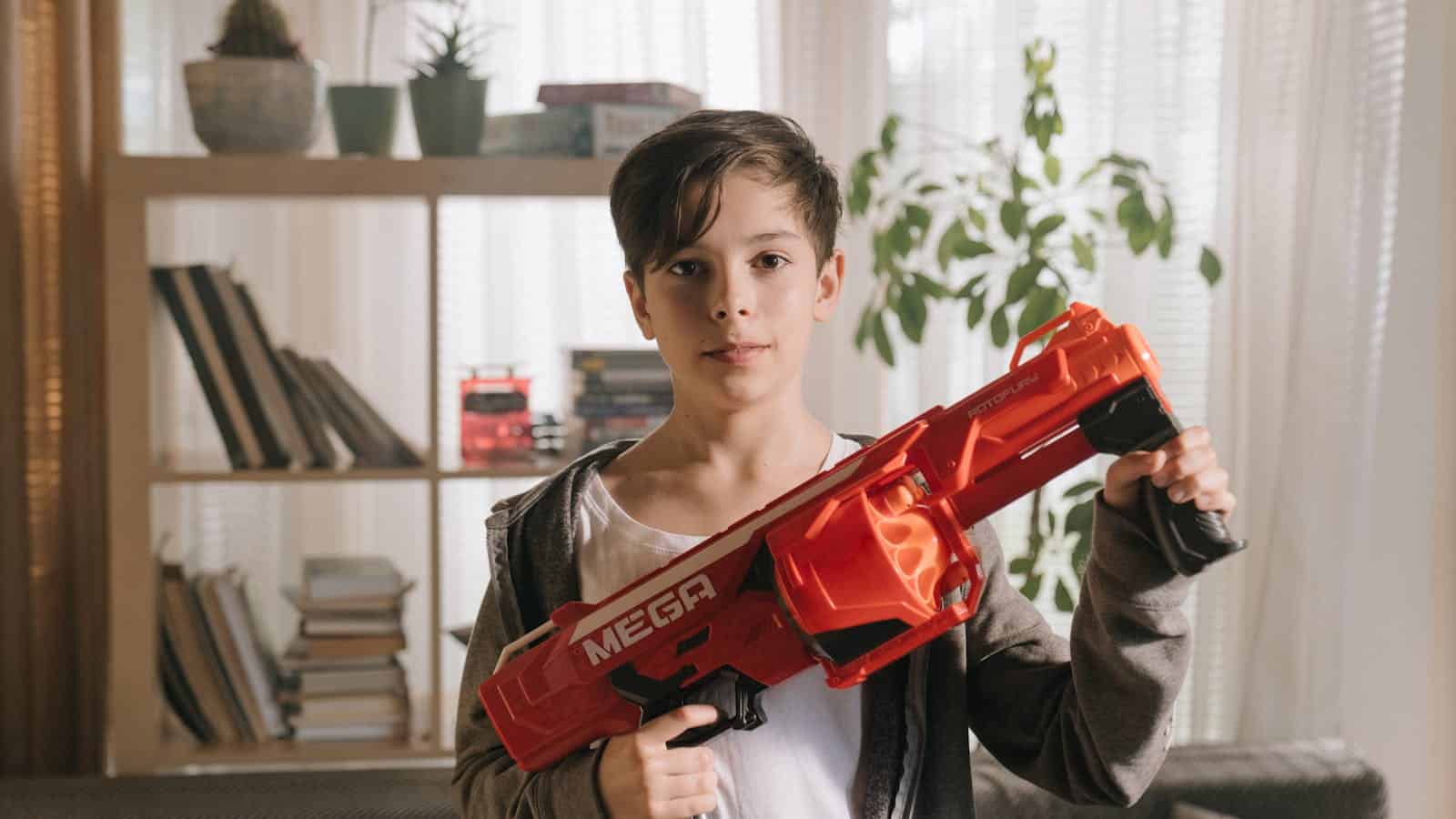
Cap guns looked remarkably like the real thing, and kids fired them constantly at recess. The smell of sulfur and the loud pops were just part of the daily playground soundtrack. They played cops and robbers without realizing how alarming the visual might be to outsiders.
Bringing anything resembling a firearm to class now triggers a massive police response immediately. Even water pistols are often confiscated to maintain a safe and calm environment. Federal law finally required orange tips on toy guns to prevent tragic mix-ups.
Aspirin And Medications
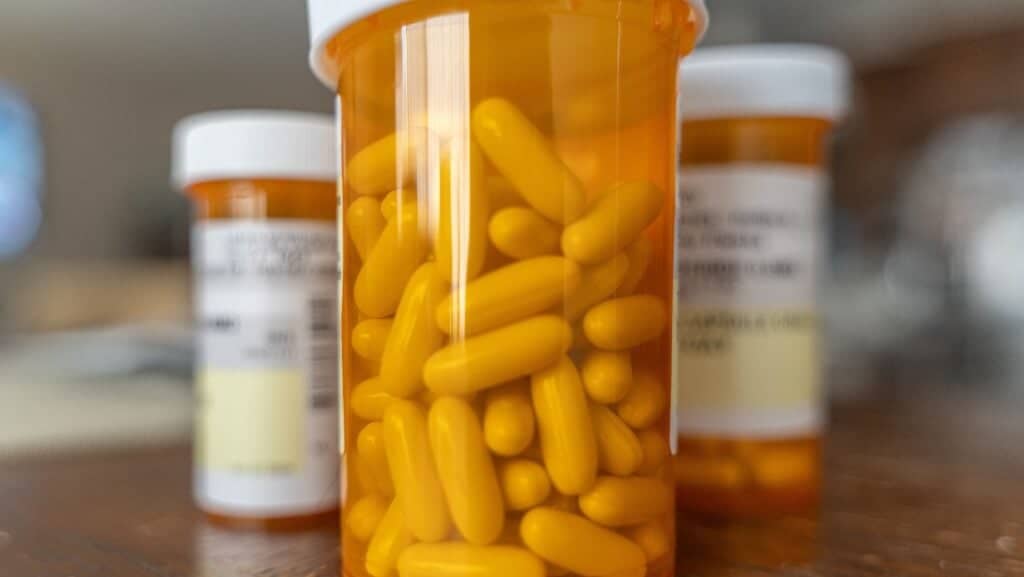
If a kid had a headache, they just popped a pill they brought from home in their pocket. There were no forms to sign, and no nurses locking bottles away in secure cabinets. Kids treated their own minor aches and pains without involving the school administration.
Sharing a Tylenol with a friend today is considered the distribution of a controlled substance by administration. You need a doctor’s note and original packaging to keep an inhaler on campus. School policies shifted drastically as prescription drug abuse awareness grew in the late 90s.
Metal Lunchboxes

These heavy steel containers featured our favorite cartoon characters and superheroes on the front. They kept baloney sandwiches safe but doubled as formidable blunt instruments during fights. You could deflect a dodgeball or settle a score with one swift swing.
Schools phased them out because they caused too many black eyes and bruised shins on the playground. The shift to soft vinyl or plastic was a direct response to safety concerns.
Box Of Matches

Kids carried matches for science class or just because they looked cool in their pockets. It was not uncommon to see a high schooler light up in a designated smoking area. Fire was a casual tool rather than a forbidden hazard on school grounds.
Fire hazards are taken much more seriously in modern educational facilities across the country. You would be hard-pressed to find a student carrying a lighter without facing detention. The National Fire Protection Association reports that school fires have dropped significantly due to stricter codes.
Clackers

These acrylic balls on a string were the ultimate test of coordination and bravery for us. They shattered frequently and sent sharp plastic shrapnel flying into the faces of bystanders. They were loud and dangerous, but we could not stop playing with them.
The FDA actually stepped in to regulate them as a mechanical hazard to children. They were eventually redesigned, but the originals remain a legend of dangerous toys. In 1971, the FDA seized over 50,000 sets of clackers due to the high risk of injury.
Homemade Baked Goods

Moms sent in cupcakes for birthdays without listing any ingredients on the package. Nobody asked whether the kitchen had been inspected or whether the frosting contained potential allergens. Kids ate whatever showed up on the treat table without a moment of hesitation.
Bake sales are now a minefield of regulations and strict requirements for store-bought items. Many districts prohibit homemade food to prevent allergic reactions and liability for foodborne illness. Schools prioritize safety over the charm of a home-cooked brownie.
Glass Soda Bottles

Kids drank soda from real glass bottles that could shatter into jagged shards. Janitors hated cleaning up the mess when a bottle inevitably dropped on the hallway floor. It was a heavy and breakable way to hydrate that seems absurd in retrospect.
Vending machines switched to plastic and aluminum to keep students safer during the day. The shift also coincided with schools’ efforts to reduce the risk of makeshift weapons. Plastic bottles eliminated the risk of stepping on glass during a crowded class change.
Dangerous Chemistry Sets

Show and tell might feature a kit with actual dangerous chemicals included in the box. You could mix up substances that bubbled and smoked right there on your desk. It was hands-on learning that occasionally resulted in minor burns or stained clothing.
Modern science kits are incredibly sanitized compared to those wild sets kids used to have. You will not find radioactive materials in a toy store aisle anymore. The Smithsonian Magazine notes that old sets included uranium dust and potassium nitrate.
15 Things Women Only Do With the Men They Love

The 15 Things Women Only Do With the Men They Love
Love is a complex, beautiful emotion that inspires profound behaviors. We express our love in various ways, some universal and others unique to each individual. Among these expressions, there are specific actions women often reserve for the men they deeply love.
This piece explores 15 unique gestures women make when they’re in love. From tiny, almost invisible actions to grand declarations, each tells a story of deep affection and unwavering commitment.