10 things Americans defend even when they’re outdated
America is highly innovative, yet fiercely defends a surprising list of everyday systems that most countries abandoned decades ago.
Observing the United States from the outside offers a fascinating glimpse into a culture that champions innovation while clinging to surprisingly old habits. Visitors often scratch their heads at how Americans stubbornly maintain systems that the rest of the world has long since moved past. While the country leads the world in technology and entertainment, it maintains traditions that feel stuck in the past.
These quirks are not just minor annoyances but deeply ingrained parts of daily life that locals will argue for with surprising passion and vigor. Whether it involves measuring length in feet or calculating server wages at the dinner table, these customs can confuse travelers used to more streamlined approaches. To an outsider looking in, the American refusal to modernize these specific aspects of society is both baffling and oddly charming.
The Imperial Measurement System

Most of the planet agreed to use the metric system decades ago because the math is simple and the logic is undeniable. Americans, however, grow up memorizing how many feet are in a mile and refuse to switch to the meters and kilometers used by their neighbors. It is a lonely existence for the US on this front, as only three countries in the entire world currently use this system as their primary standard.
Cooking or driving in the States becomes a mental workout for foreigners who constantly have to convert between ounces and milliliters or Fahrenheit and Celsius. It seems inefficient to maintain a measurement standard that requires a calculator for international trade, yet the resistance to the metric system remains fierce. Generations of Americans have defended this complicated way of measuring the world simply because it is what they have always known.
The Copper Penny

Small copper coins accumulate in jars and car cup holders across the nation because they have practically zero purchasing power in the modern economy. It feels silly to carry around heavy metal discs that you cannot even buy a piece of gum in a convenience store anymore. The government actually loses money on this tradition, as the US Mint spent about 3.69 cents to produce every single penny in 2023.
Despite the financial loss and inconvenience, there is a sentimental attachment to the penny that prevents the government from getting rid of it permanently. Shoppers still stand at registers counting out exact change while the people behind them wait with growing impatience. Eliminating this coin would save time and tax money, yet the penny persists in American pockets.
The Date Format

Writing the date as the month, followed by the day, and then the year defies the logical progression of size found in most other countries. It causes endless confusion with international paperwork, where a date like 10/11 could be read as either October eleventh or the tenth of November. Americans defend this jumbled sequence with a fervor that confuses global partners who organize time from smallest unit to largest.
This format seems to exist solely to separate the US from international standards, much like the refusal to use the 24-hour clock. Mistakes happen constantly when booking flights or scheduling meetings with colleagues from abroad who read the numbers differently. Logic suggests that the day should come before the month, but habit keeps the American calendar mixed up.
Paper Checks
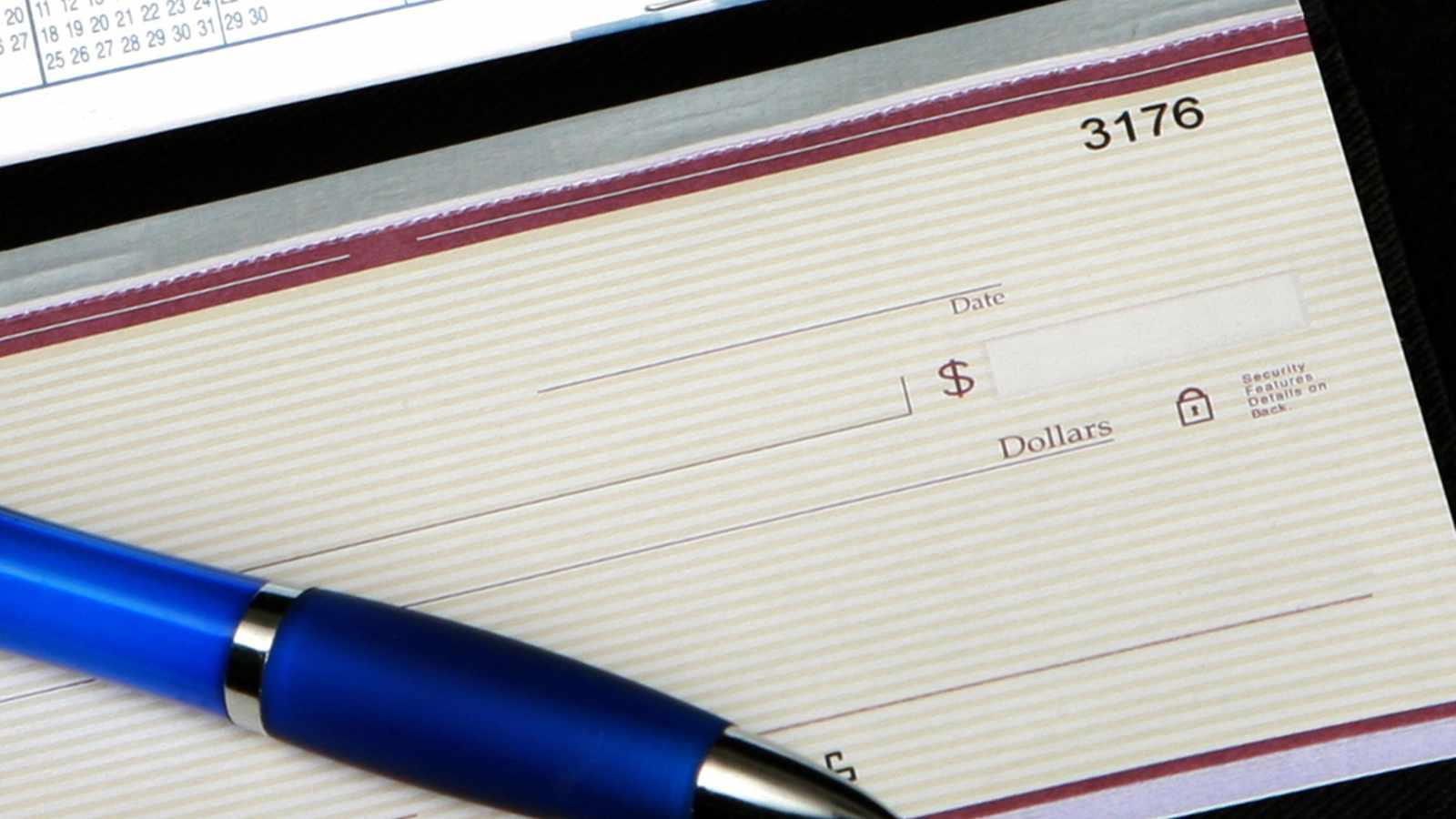
While digital transfers are instant and standard everywhere else, Americans often mail paper checks to pay their rent or utility bills. It feels like stepping back into the nineteenth century every time someone pulls out a checkbook in a grocery store line to write a check. Americans still wrote roughly 3.4 billion commercial checks in 2022, a number that shocks tech-savvy nations.
Banking systems in other regions allow you to send money to a friend or business in seconds without needing physical slips of paper. The reliance on the postal service to physically move cash from one place to another introduces unnecessary risk and delay. The rest of the world moved to chip cards and apps, but the US banking system loves its paper trail.
Gaps In Bathroom Stalls

Privacy seems like a secondary concern in American public restrooms, where door gaps are wide enough to make for awkward eye contact. It is an uncomfortable design choice that leaves users feeling exposed to anyone walking past the stalls. International visitors often find this lack of privacy completely unnerving and inexplicably the norm across the country.
There is no apparent reason why the doors cannot reach the floor or seal the sides, other than perhaps cost savings during construction. It forces a strange social contract where everyone agrees to avert their eyes to maintain a shred of dignity. Europeans typically enjoy complete floor-to-ceiling privacy, making the American stall feel like a poorly constructed temporary solution.
Pharmaceutical Ads On TV

Turning on the television in America involves a constant barrage of commercials for prescription drugs accompanied by happy music and terrifying disclaimers. To a foreigner, it is bizarre to see serious medication marketed with the same glossy enthusiasm as a new car or a fast food burger. The US and New Zealand are the only two countries that allow direct consumer drug advertising, making it a jarring experience for tourists.
These ads encourage patients to diagnose themselves and ask their doctors for specific brands, which flips the medical model upside down. It normalizes the idea of constant medication and turns health care into just another consumer shopping experience. Viewers sit through lists of horrific side effects while watching actors run through fields of flowers.
Sales Tax At The Register

The price displayed on the shelf is rarely the price you actually pay, which leads to awkward fumbling for extra coins at the counter. Visitors often feel cheated when a dollar item suddenly costs a dollar and eight cents for no apparent reason other than hidden taxes. This guessing game creates unnecessary friction during what should be transparent and straightforward transactions.
In most other nations, the tax is built into the sticker price, so you know exactly how much cash to hand over. Americans accept this mental math as a fact of life, but it adds a layer of complexity that feels hostile to the consumer. It would be much easier to see the final total upfront, but the system prefers to surprise you at checkout.
Filing Taxes Manually

The government knows exactly how much you earn and owe, yet they ask you to guess the number and punish you if you are wrong. Residents spend hours gathering documents to prove income that the IRS already has on record in its massive database. The average American taxpayer spends 13 hours preparing their return every year, a process that is automatic in many other places.
Lobbying by tax preparation companies keeps this system complicated, forcing people to pay for help with software. It turns April into a month of collective stress for millions of people who fear making a simple clerical error. Other countries send a prefilled bill or refund, but Americans must perform complex accounting to pay their dues.
Right Turn On Red

Allowing cars to run red lights seems incredibly dangerous to anyone raised on stricter traffic laws abroad. It prioritizes traffic flow over pedestrian safety, creating a chaotic, frightening experience for the uninitiated walker. Drivers expect to keep moving even when the signal explicitly tells them to stop, which catches many tourists off guard.
This rule assumes that drivers will look for pedestrians before turning, but that is often not the case in busy intersections. It saves a few seconds of driving time at the expense of making crosswalks feel hazardous. Most of the world agrees that red means stop, but in the US, red means stop and then go anyway.
Tipping Culture
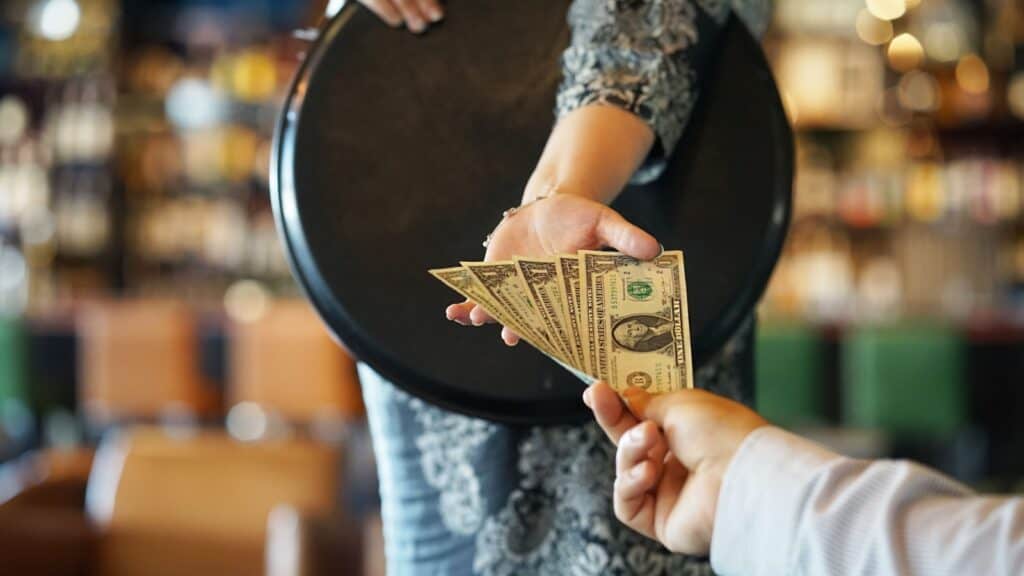
Walking into a restaurant in the US means agreeing to pay the staff directly, which is a significant source of culture shock for many tourists. The social contract dictates that you must add a substantial percentage to the bill, or you are seen as a terrible person. Federal law still allows a cash minimum wage of just $2.13 per hour for tipped employees, shifting the burden to the customer.
This system creates anxiety for diners who have to judge the service and do math at the end of a relaxing meal. It allows employers to pay poverty wages while customers subsidize the difference out of guilt and obligation. While other countries pay servers a living wage, Americans defend tipping as a necessary incentive for good service.
15 Things Women Only Do With the Men They Love

The 15 Things Women Only Do With the Men They Love
Love is a complex, beautiful emotion that inspires profound behaviors. We express our love in various ways, some universal and others unique to each individual. Among these expressions, there are specific actions women often reserve for the men they deeply love.
This piece explores 15 unique gestures women make when they’re in love. From tiny, almost invisible actions to grand declarations, each tells a story of deep affection and unwavering commitment.