What life is really like for Muslim women in America today
Muslim women in America today occupy a space of visibility, resilience, and constant negotiation. They are highly educated, proud of their faith, and increasingly stepping into public life, yet they do so under a persistent cloud of gendered Islamophobia, racism, and reductive media narratives that rarely capture their full complexity.
In ISPU’s American Muslim Poll, 69% of Muslim women report experiencing religious discrimination, and 75% say they’ve faced racial discrimination. This is far higher than the percentage of women in the general public, largely because nearly half of them wear a visible symbol like hijab that instantly marks them as Muslim in public.
These are some of the experiences shaping their health, work, social lives, and civic engagement.
They’re as American as anyone else – but still seen as “other”
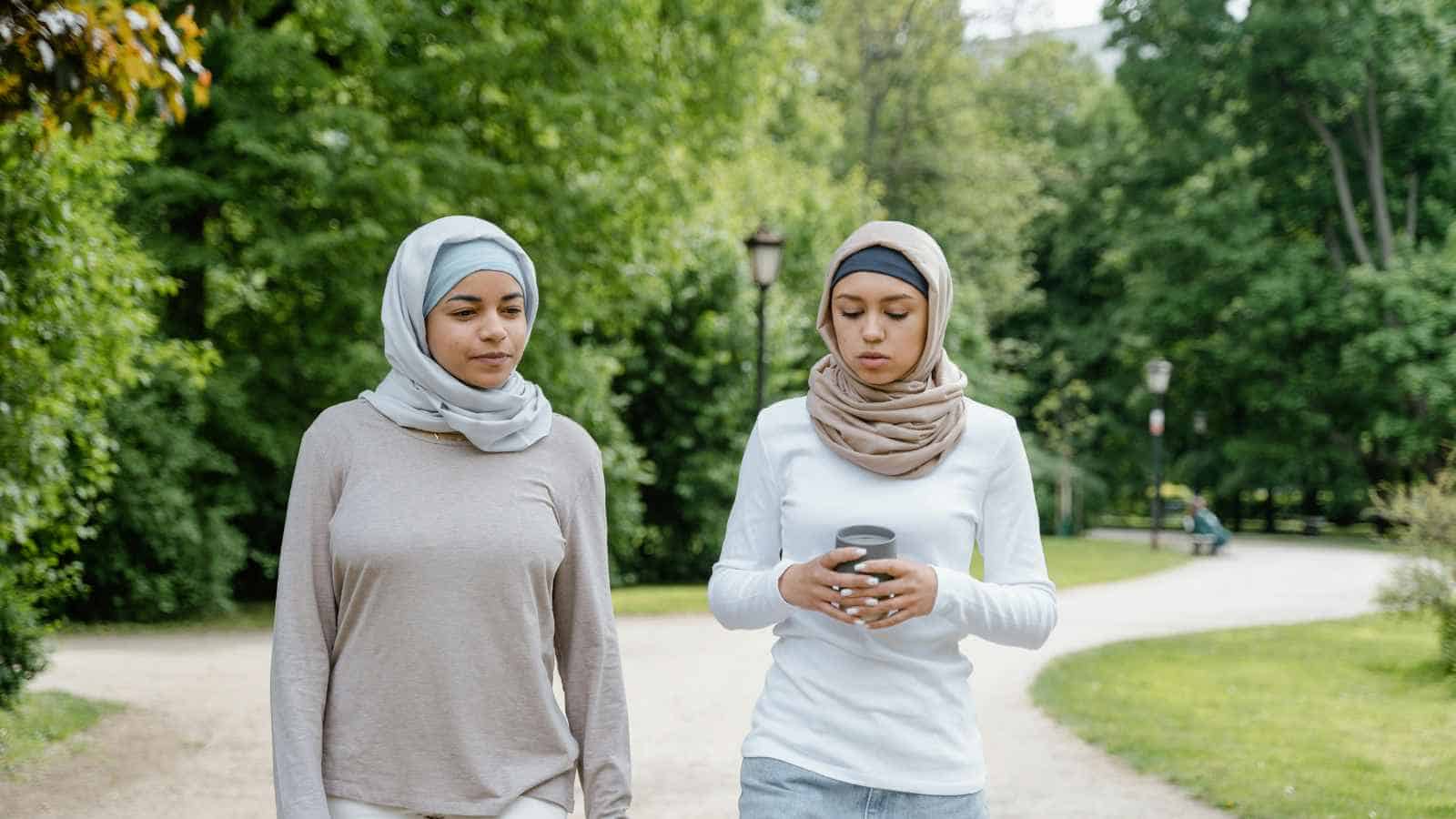
Muslim women contribute to every aspect of American society (they raise children, build careers, and pay taxes), yet the sense of belonging is often elusive. Pew Research finds that while roughly half of Muslim women feel they share “a lot” in common with Americans broadly, they report feeling less accepted than Muslim men and describe the U.S. as a more challenging place to openly practice their faith.
Nearly 87% express pride in their Muslim identity, using it as a source of joy and guidance, but this pride coexists with the reality of daily stigma. The paradox of being fully invested in American life while being constantly “othered” creates a tension that shapes how Muslim women navigate public spaces, relationships, and even self-expression.
Visibility comes at a cost
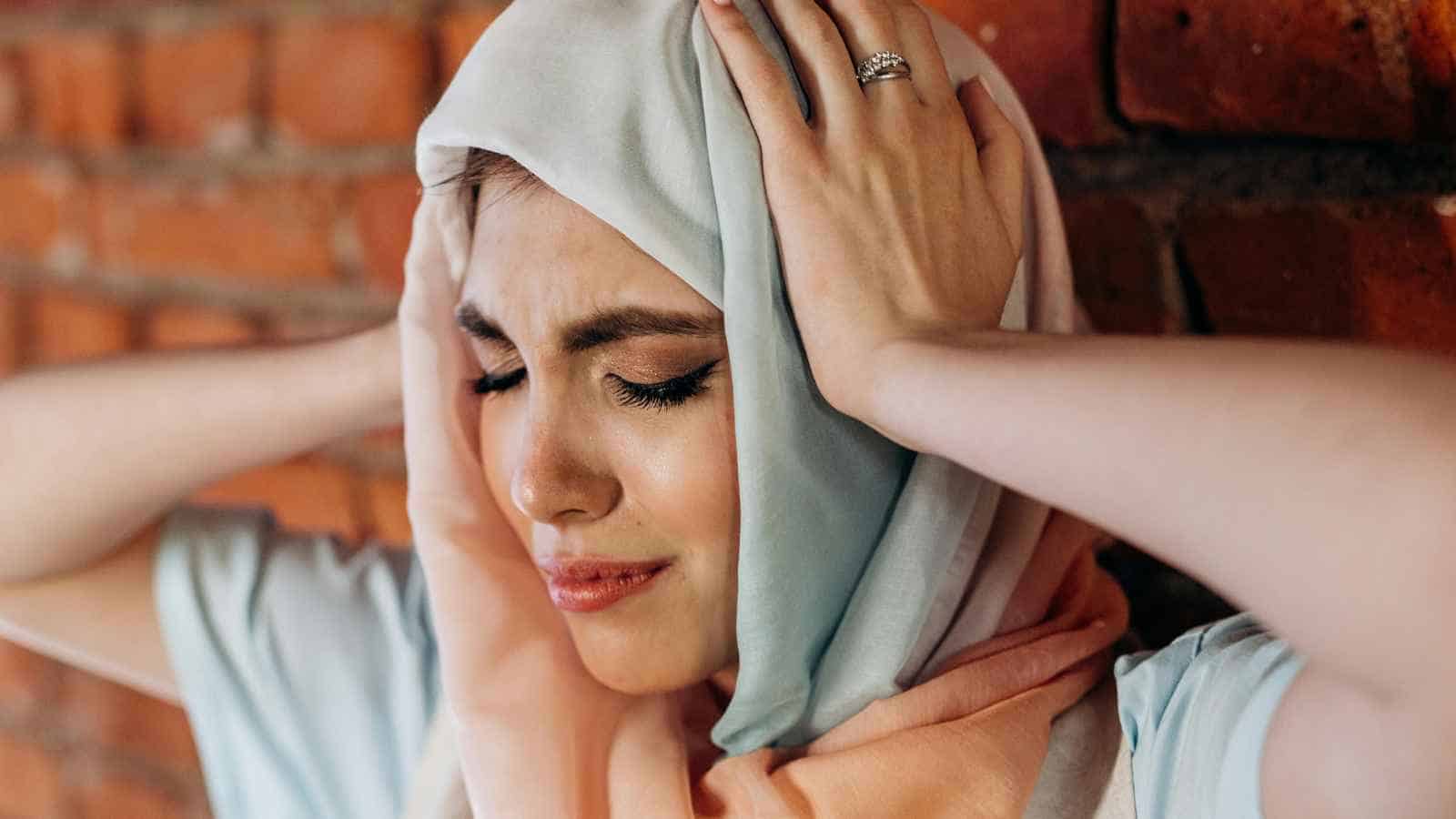
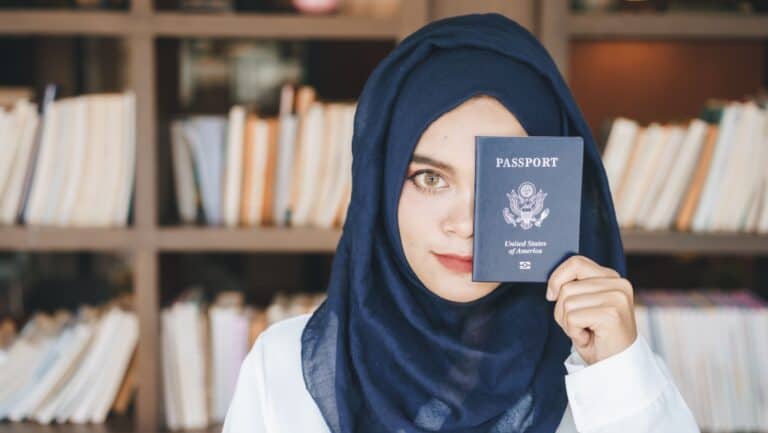
Nearly half of Muslim women in the U.S. wear visible religious symbols, like the hijab, as a conscious expression of faith, modesty, or identity affirmation. Yet that visibility brings unique challenges: Muslim women are more likely than men to feel they “stand out” in public, face discrimination, and experience microaggressions ranging from suspicion and insults to heightened scrutiny at security checkpoints.
More than half report at least one instance of anti-Muslim bias in the past year. The hijab, for many, is both a spiritual marker and a target, embodying empowerment while simultaneously exposing them to prejudice in a society where appearance can dictate how seriously someone is taken, or whether they are taken seriously at all.
Gendered Islamophobia shapes everyday life
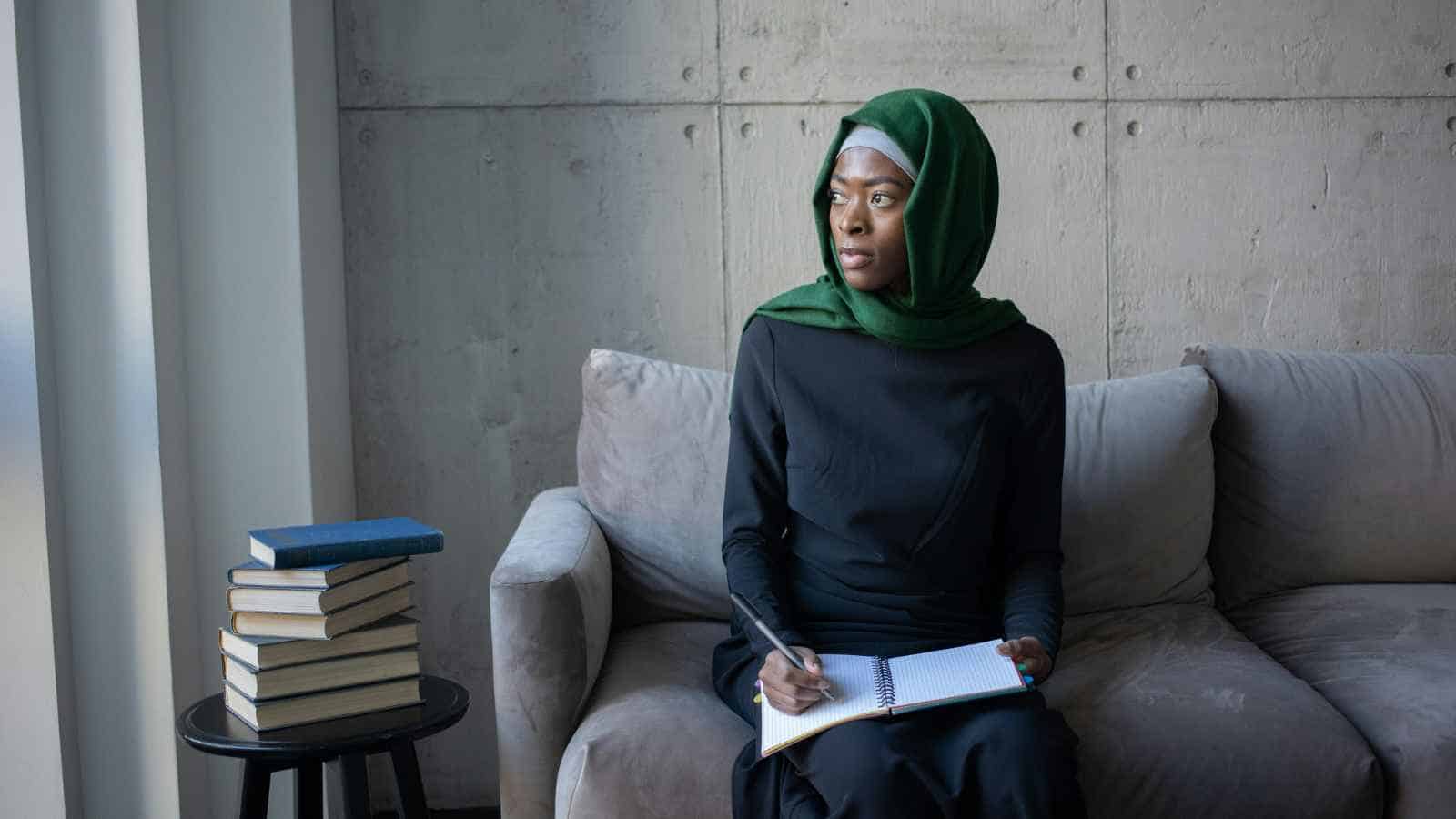
The discrimination Muslim women face is not generic; it is specifically gendered, layering sexism on top of religious and racial bias. 83% of Muslim women perceive widespread discrimination against Muslims in the U.S., compared with 68% of men, and they report higher rates of both religious and racial prejudice than the general population.
Women of color (Black, Arab, or South Asian) face particularly severe consequences, ranging from harassment to systemic exclusion. Legal scholarship emphasizes that post-9/11 policies often targeted visibly Muslim women, especially those wearing headscarves, subjecting them to unique barriers not shared by men.
These experiences underscore that bias is not just cultural but structural, impacting daily routines, professional opportunities, and personal safety.
Education as empowerment—and stereotype defiance
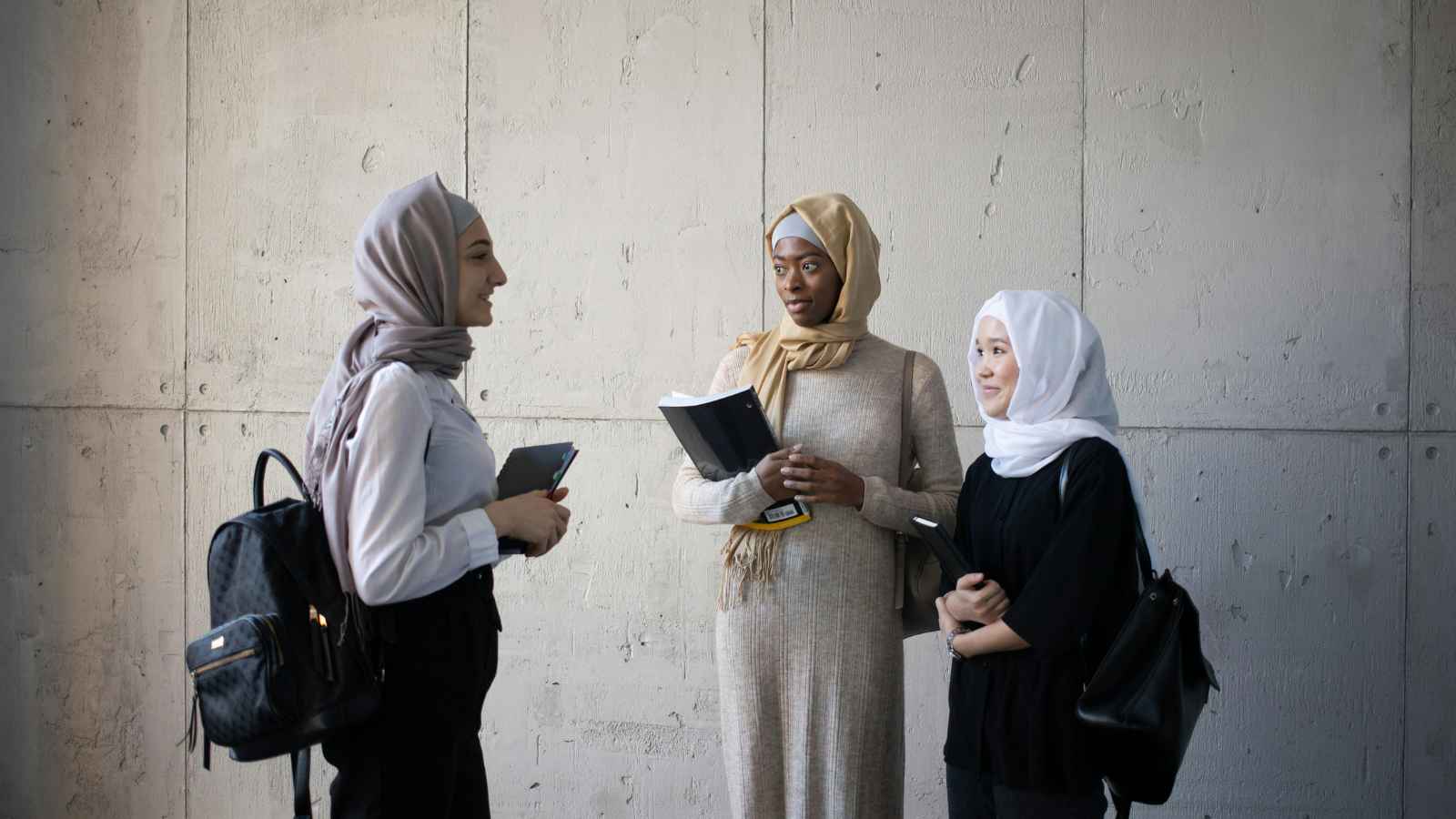
Muslim women in the U.S. are increasingly highly educated, frequently surpassing their male peers in post-secondary attainment. Pew data indicate that younger generations of Muslim women hold college and graduate degrees at higher rates than men, with U.S.-specific figures showing about 73% of Muslim American women have education beyond high school.
This achievement directly challenges stereotypes that Muslim women are uneducated or constrained to domestic spaces. Classrooms, lecture halls, and professional settings become arenas where they assert competence and expertise, negotiating authority and credibility while confronting biases that seek to flatten or dismiss their intellectual contributions.
Balancing careers, caregiving, and cultural expectations
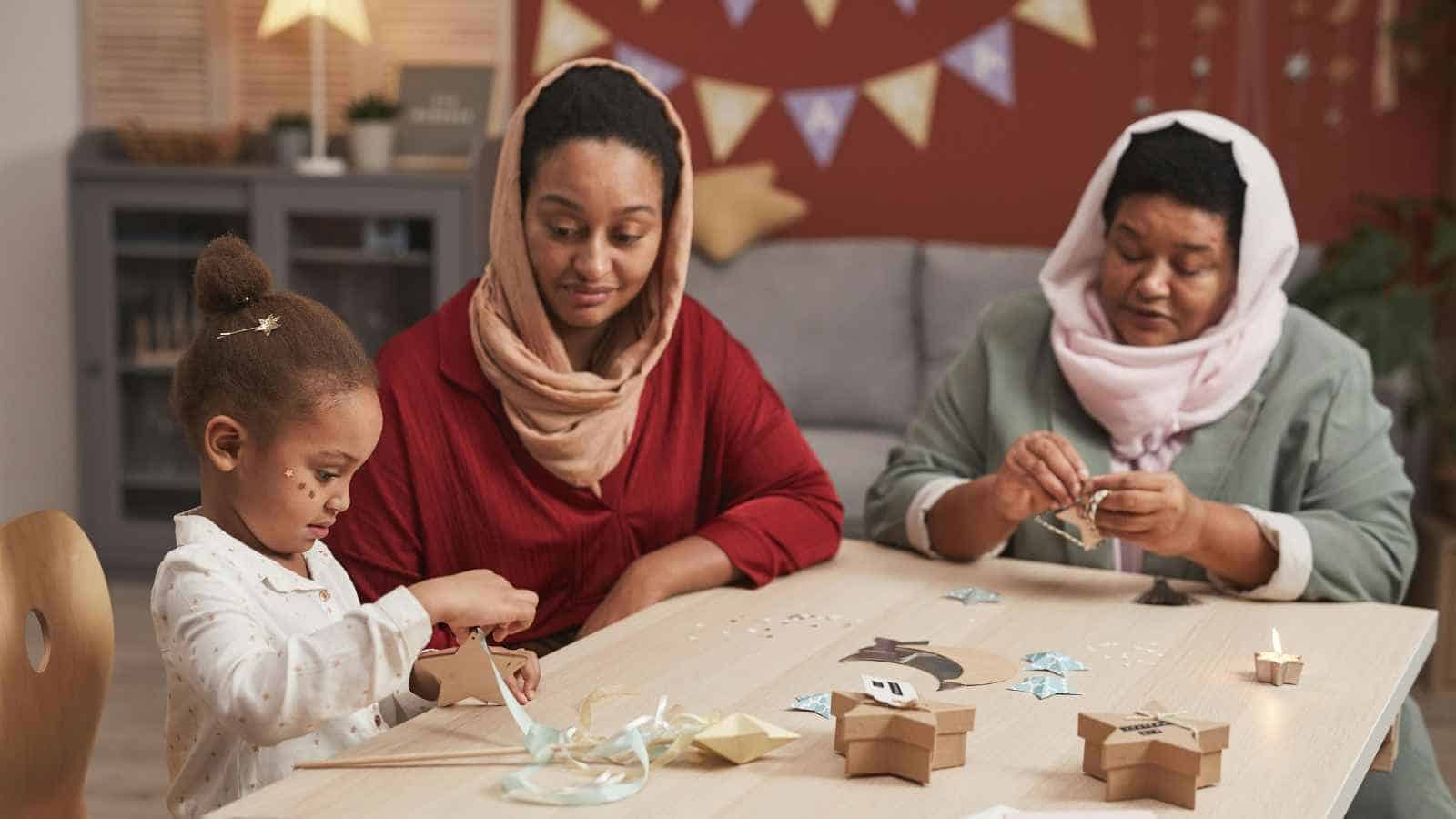
Muslim women often navigate a “second shift times three,” juggling professional responsibilities, caregiving, and the emotional labor of cultural negotiation. They work in medicine, law, education, and social services while simultaneously meeting expectations around family, modesty, and community norms.
This balancing act is particularly complex for first- and second-generation immigrants, who must reconcile cultural heritage with mainstream U.S. expectations of independence and self-determination.
Many report feeling pressure to prioritize marriage, motherhood, or specific expressions of faith in ways their male peers are not, adding an invisible layer of labor that is socially undervalued yet psychologically and physically taxing.
Advocates for justice and feminism
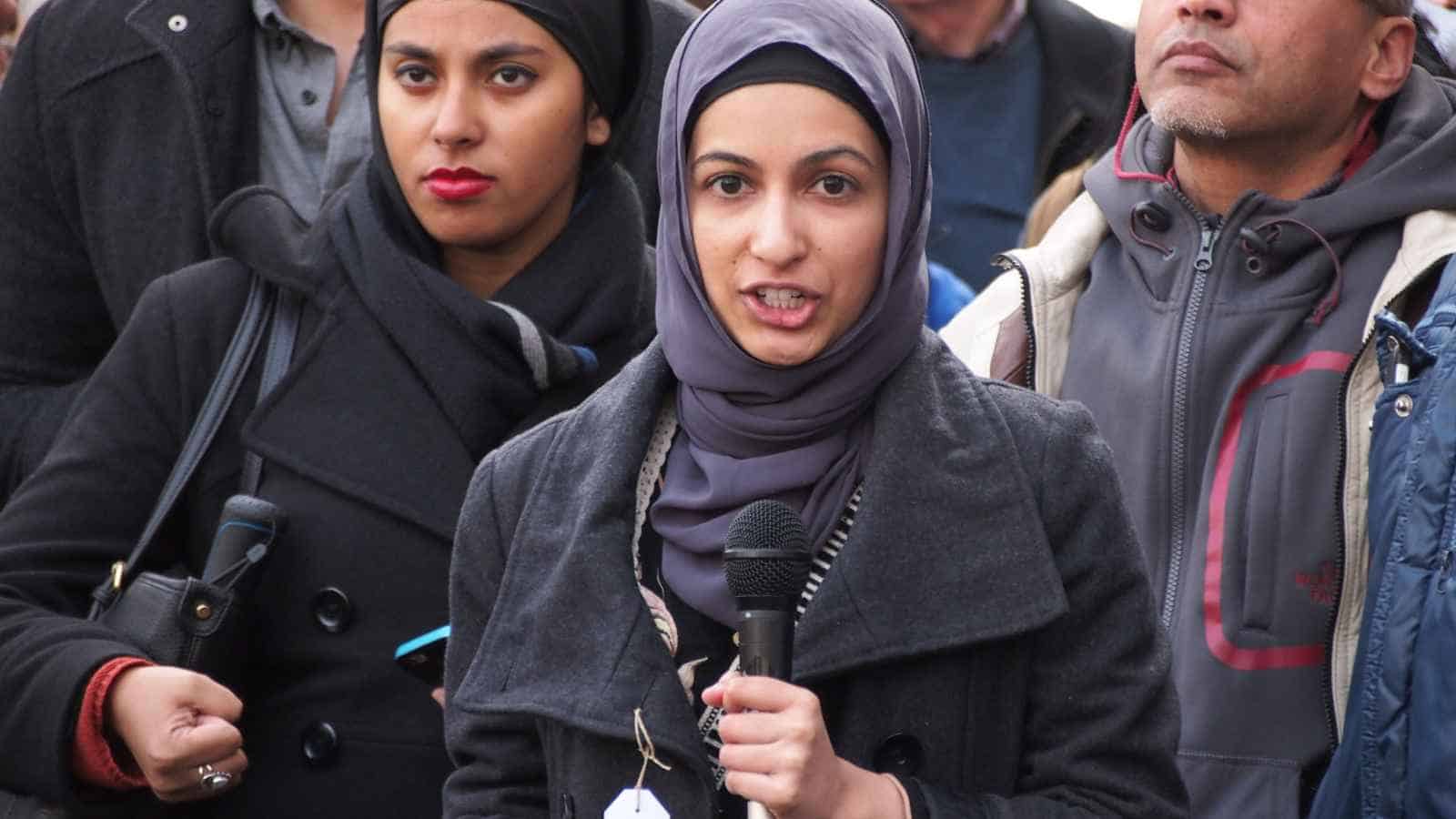
Far from passive participants, Muslim women in America are often at the forefront of progressive social movements. Nearly half express favorable views of feminism, surpassing Muslim men, and show high support for racial justice initiatives like Black Lives Matter.
Within their communities, they challenge patriarchal norms, advocate for inclusive leadership in mosques and organizations, and mentor younger generations. This activism positions them as agents of change, actively shaping both religious and civic spaces, proving that Muslim women are not merely subjects of prejudice. They are also leaders driving reform, visibility, and equity.
Shaping mosque life and religious spaces
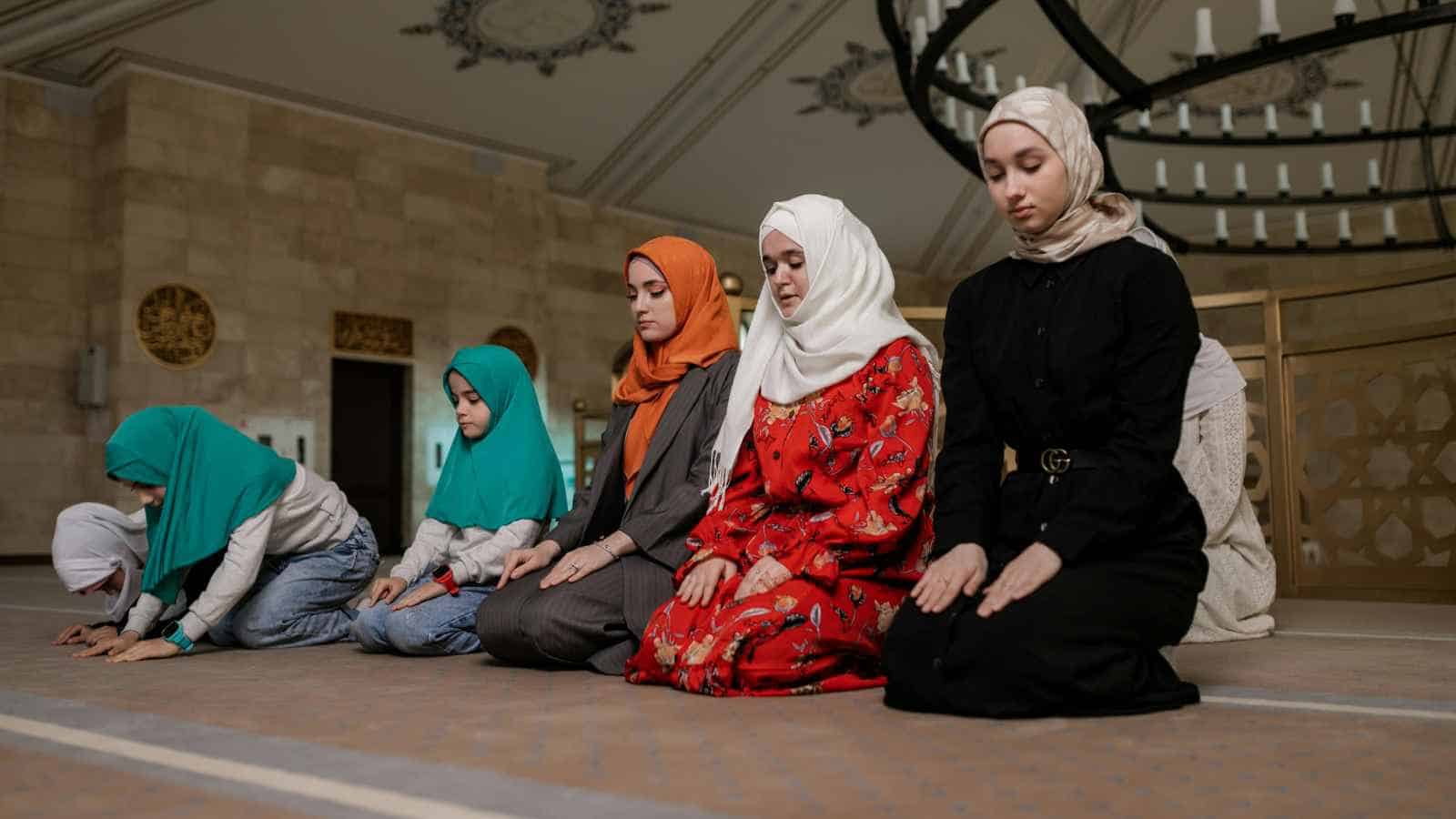
Mosque participation highlights both progress and ongoing inequality. Women attend less frequently and are underrepresented in leadership roles, yet younger generations increasingly demand inclusive spaces.
Converts and second-generation women often encounter frustration with patriarchal traditions imported from other countries, prompting the rise of women-led study circles, online forums, and independent community initiatives.
These efforts reflect a quiet revolution: Muslim women are asserting their voices in religious institutions, negotiating between tradition and reform while fostering spaces for spiritual growth, learning, and leadership.
Converts navigate dual communities
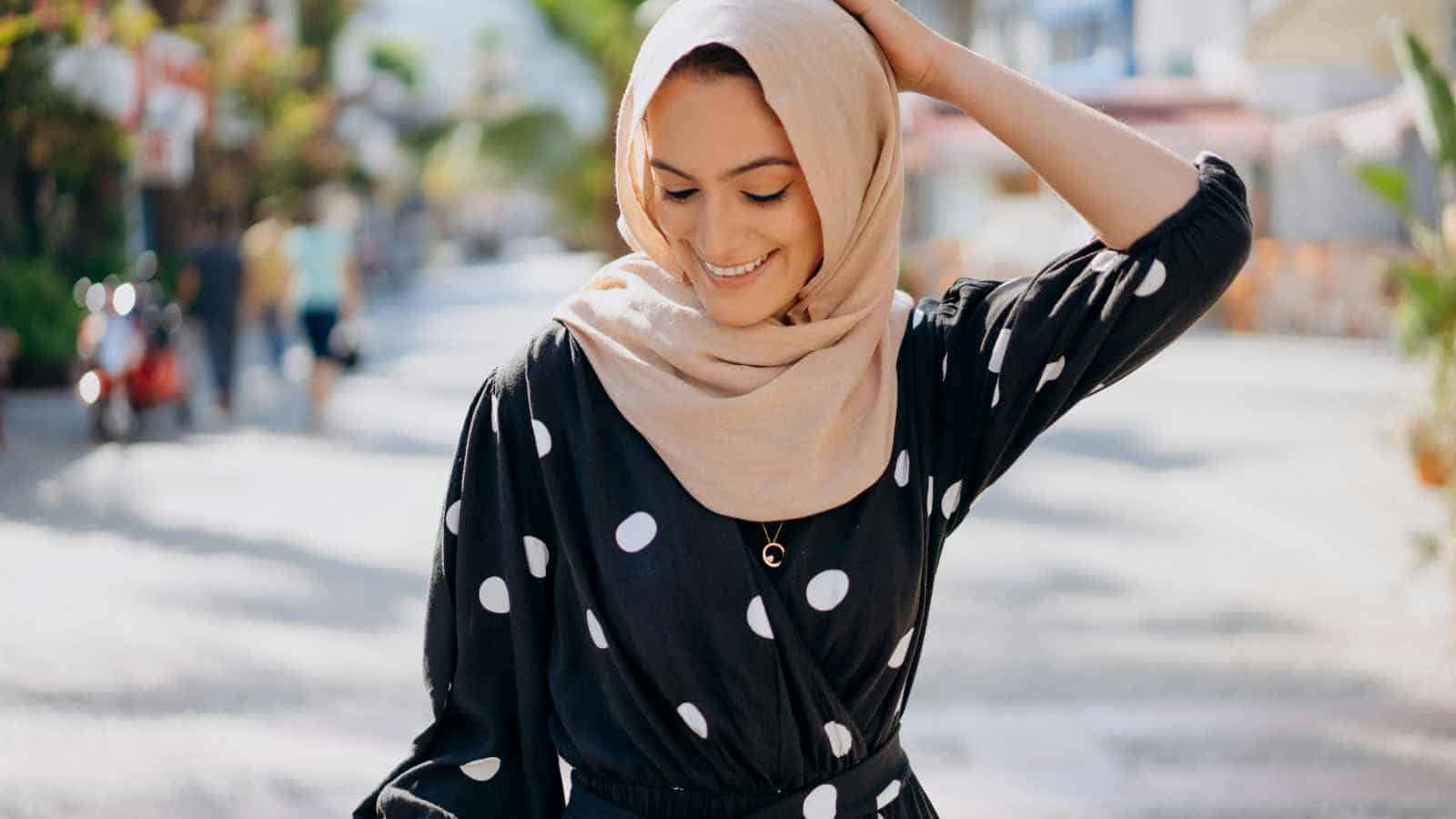
Female converts (outnumbering male converts roughly four to one) often feel like cultural intermediaries, negotiating acceptance in both Muslim and broader American communities. They face unique challenges around perceived authenticity, racial and gendered expectations, and belonging.
Surveys show that converts regularly contend with patriarchy, ethnocentrism, and exclusion, forcing them to carve out spaces where their faith identity and cultural identity coexist. This duality positions them as translators between worlds, often mediating misunderstandings and fostering community bridges despite being regarded as “outsiders” in multiple contexts.
Intersectionality: race, class, and sexuality matter
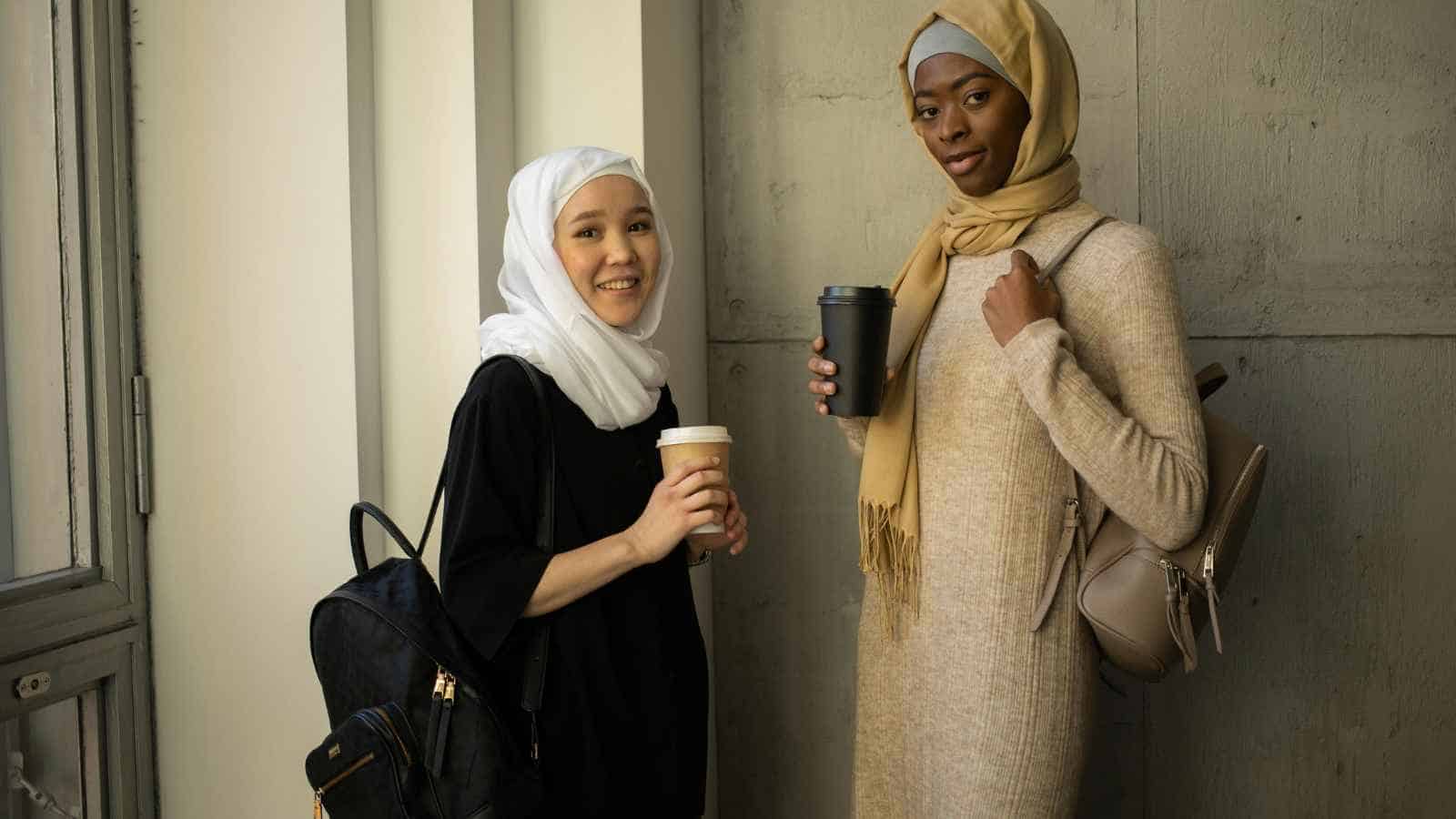
Muslim women are far from a monolithic group. Black, Arab, South Asian, white, and Latino Muslim women, alongside queer and gender-nonconforming individuals, experience life in radically different ways. Anti-Black racism, Islamophobia, sexism, and class disparities intersect, creating compounded challenges in visibility, policy influence, and community participation.
These intersecting identities shape access to education, healthcare, and employment opportunities, highlighting the necessity of an intersectional approach to understanding and advocating for Muslim women’s rights, safety, and leadership.
Mental health, resilience, and community support
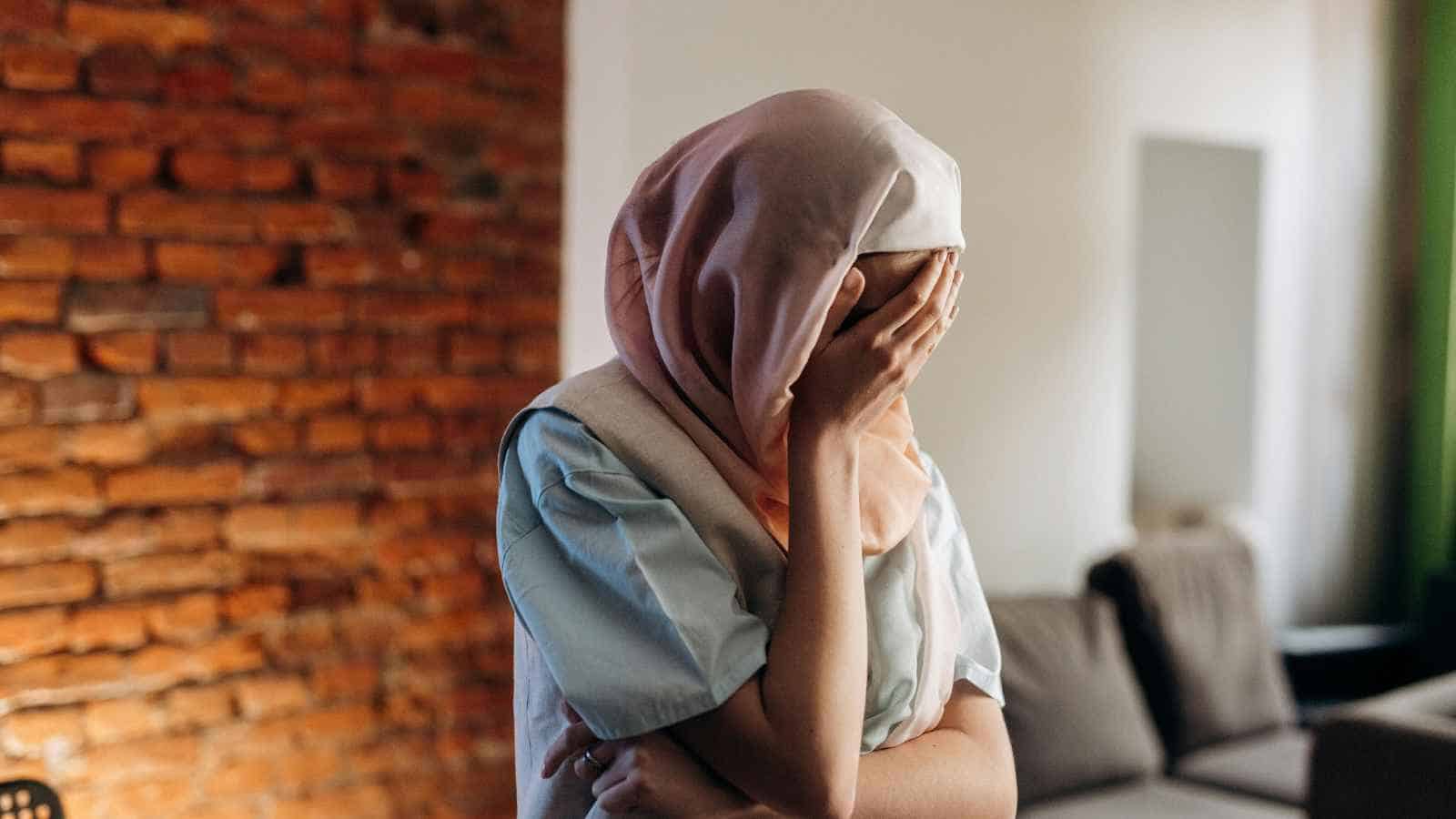
High visibility and exposure to discrimination contribute to elevated stress and anxiety for Muslim women. Yet, 87% cite their faith as a source of joy, purpose, and emotional strength.
Community-based, trauma-informed programs, led by women themselves, provide critical counseling, mentoring, and support networks that address the dual challenges of external Islamophobia and intra-community pressures.
These structures allow women to cope, heal, and build resilience, demonstrating that protective community frameworks are just as vital as individual coping strategies in navigating a world rife with prejudice.
Leadership and activism are increasingly women-led
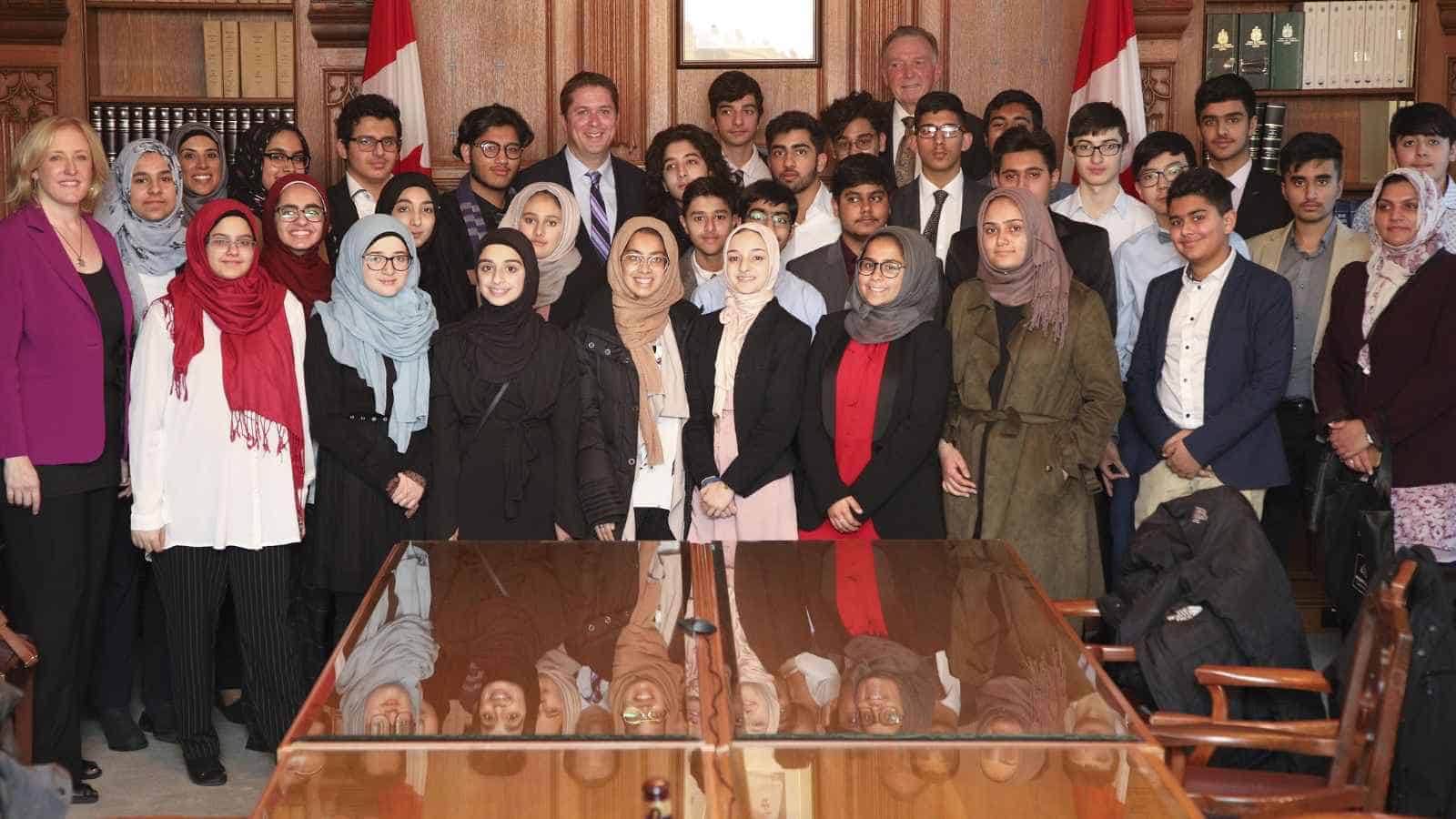
From nonprofit advocacy to civil rights campaigns, Muslim women are stepping into leadership roles despite ongoing harassment and systemic barriers. They organize voter outreach, refugee support, and mutual aid programs while confronting Islamophobia head-on.
Data show high engagement with coalition-building and social justice initiatives, illustrating that Muslim women are not waiting for permission to participate; they are shaping legal, political, and social landscapes, proving that agency, courage, and community engagement remain central to their identity and impact.
Disclaimer – This list is solely the author’s opinion based on research and publicly available information. It is not intended to be professional advice.
Like our content? Be sure to follow us