10 voting changes that are reshaping how Americans cast a ballot
For generations, voting in America followed a fairly familiar script. You registered, showed up on Election Day—or later, voted early or by mail—and cast your ballot. While every state had its own rules, the differences often seemed like procedural details rather than fundamentally different systems.
That has changed.
Since the 2020 election, states across the country have enacted hundreds of changes to their election laws. Some have expanded access to voting, while others have tightened procedures in the name of improving election security and public confidence. Depending on where you live, the experience of registering and voting today may be noticeably different than it was just a few years ago.
Supporters of these changes argue they strengthen election integrity, reduce opportunities for fraud, and restore trust in the electoral process. Critics counter that many of the new requirements create unnecessary barriers for eligible voters, particularly those who already face practical challenges to participating in elections.
Regardless of where someone falls in that debate, one thing is clear: understanding how voting works has become more complicated.
Here are ten of the most significant changes reshaping American elections.
1. Proving you’re a citizen is becoming more complicated
One of the biggest shifts involves what is required simply to register to vote.
For decades, most states relied on applicants signing a sworn statement under penalty of perjury that they were U.S. citizens. Today, some states have gone further by requiring documentary proof of citizenship, such as:
- A U.S. passport
- A birth certificate
- A naturalization certificate
Several additional states are considering similar legislation, while Congress has debated whether such requirements should apply nationwide.
Supporters argue these laws help ensure that only eligible citizens are added to voter rolls. Critics respond that documented cases of noncitizen voting are exceedingly rare and note that millions of eligible Americans do not readily have these documents available.
Those most likely to encounter difficulties include naturalized citizens, older Americans whose birth records may be incomplete, married women whose legal names differ from their birth certificates, and younger adults who have never needed a passport.
You may want to read: Need a U.S. Passport? Here’s How to Apply, What to Bring, and How Long It Takes
2. Voter ID requirements continue to evolve
Most Americans expect to show identification before voting, but what qualifies as acceptable identification increasingly depends on where they live.
Some states have narrowed the list of acceptable IDs, while others continue to accept a broader range of documents.
Examples of changes include:
- Eliminating student identification cards
- Rejecting expired driver’s licenses
- Requiring government-issued photo identification instead of non-photo documents
For many voters this change is relatively minor. For others—including college students, elderly residents who no longer drive, and lower-income Americans who do not routinely carry government-issued identification—it can require additional time, paperwork, and expense before Election Day even arrives.
READ: REAL ID: The 2025 Deadline, What It Means, and How to Get Yours
3. Voting by mail often involves more steps than it once did
Mail voting has become one of the most visible election issues in recent years.
Contrary to some public perception, most states have not eliminated absentee voting. Instead, many have added additional requirements that voters must successfully navigate.
These changes may include:
- Reapplying for absentee ballots more frequently
- Providing driver’s license or Social Security numbers
- Meeting earlier application deadlines
- Signature verification
- Witness or notary requirements in some jurisdictions
Supporters say these safeguards protect against fraud and ensure ballots are submitted by the correct voter. Critics argue that every additional requirement increases the likelihood that otherwise eligible ballots will be rejected because of technical errors rather than voter intent.
The people most affected are often seniors, military personnel, overseas citizens, and individuals with disabilities who depend on absentee voting as their primary way to participate in elections.
READ: Can a president decide mail-in voting rules? The Constitution says no. Will it be enough?
4. Ballot drop boxes have become a political flashpoint
During the COVID-19 pandemic, many jurisdictions rapidly expanded secure ballot drop boxes to reduce crowding at polling places.
In the years since, some states have reversed course by:
- Reducing the number of drop boxes
- Limiting where they may be located
- Restricting hours of availability
- Requiring continuous staff supervision
Supporters argue these changes improve ballot security and reduce opportunities for tampering. Critics say they eliminate one of the most convenient ways for many people to return absentee ballots, particularly those who work long hours or rely on public transportation.
The practical impact often falls most heavily on densely populated urban areas, where fewer drop boxes can translate into significantly longer travel times and longer lines.
5. Registering new voters has become more regulated
Community voter registration drives have long been an important way of reaching first-time voters and underserved communities.
In several states, organizations conducting those drives now face stricter rules regarding how registration forms are handled and submitted.
New requirements can include:
- Shorter submission deadlines
- Additional paperwork
- Increased reporting requirements
- Civil fines
- Criminal penalties for certain violations
Supporters argue these measures improve accountability and reduce errors. Opponents contend they discourage civic organizations from conducting registration drives at all, potentially reducing participation among populations that traditionally benefit from them.
6. States are removing voters from registration rolls more aggressively
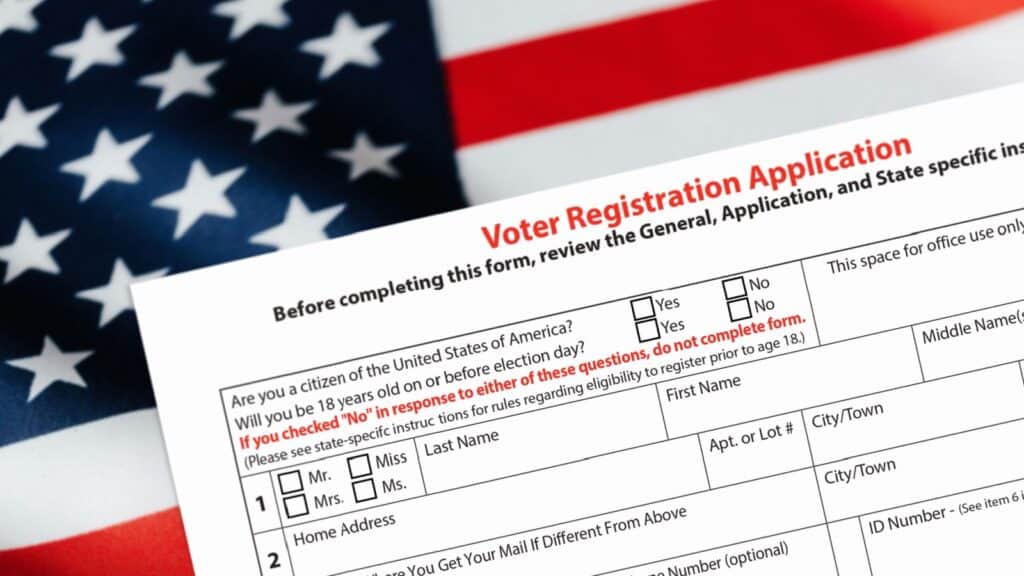
Every state periodically updates its voter registration lists to remove people who have died, moved away, or otherwise become ineligible.
Recently, some states have expanded these efforts by conducting more frequent list maintenance and allowing broader eligibility challenges.
These efforts may involve:
- Residency verification
- Citizenship database matching
- Interstate data comparisons
- Challenges initiated by private citizens
Election officials generally agree that maintaining accurate voter rolls is an important administrative responsibility.
The debate centers on how aggressively those reviews should be conducted. Supporters believe cleaner voter rolls improve election integrity, while critics worry eligible voters may be removed mistakenly and only discover the problem when they arrive to vote.
People who move frequently, military families, renters, and college students tend to face the greatest risk of registration complications.
7. Early voting opportunities now vary dramatically across the country
One of the biggest changes isn’t that early voting is disappearing—it is that states are moving in opposite directions.
Some states have expanded early voting by increasing the number of days, adding weekend hours, and opening more voting locations.
Others have shortened early voting periods, reduced available hours, or consolidated polling places.
The result is that two Americans living in different states may have vastly different opportunities to vote before Election Day, despite participating in the same federal election.
READ: 10 states where voting has changed the most since 2020
8. Rules about helping someone vote have become stricter in some states
For many voters, casting a ballot requires assistance.
Older adults, people with disabilities, those who speak limited English, and rural residents may depend on family members, caregivers, or community organizations for help returning ballots or completing paperwork.
Several states have tightened rules governing who may:
- Return another person’s absentee ballot
- Assist with ballot completion
- Help deliver election materials
Supporters argue these limits reduce opportunities for coercion or fraud.
Critics argue they can unintentionally create obstacles for people who genuinely need assistance exercising their right to vote.
READ: Voting under pressure: how election rules are quietly reshaping democracy
9. The people running elections are facing new oversight
Many of the most consequential election law changes never directly affect voters at all.
Instead, they alter how elections themselves are administered.
Across the country, lawmakers have revised the authority of election officials by:
- Expanding investigative powers
- Increasing criminal penalties for election administrators
- Creating new oversight boards
- Shifting authority among state and local officials
Supporters view these reforms as strengthening accountability and ensuring consistent enforcement of election laws.
Critics worry they may increase political pressure on career election administrators responsible for conducting elections impartially.
10. Where you live now shapes your voting experience more than ever
Perhaps the biggest national story isn’t any single law.
It’s how dramatically election systems are diverging from one another.
In one state, a voter may automatically be registered, receive a ballot by mail, enjoy weeks of early voting, and have access to numerous ballot drop boxes.
In another, that same voter might first need to provide documentary proof of citizenship, obtain a qualifying photo ID, request an absentee ballot weeks in advance, and have fewer opportunities to vote early.
The United States has always allowed states considerable authority over elections. But today, that authority is producing increasingly different voting experiences depending on where someone happens to live.
Final takeaway
Voting has never been governed by a single national set of rules, but the gap between states is becoming increasingly noticeable.
Supporters of recent changes argue they are necessary to strengthen election security, improve voter confidence, and ensure only eligible citizens participate. Critics contend that many of the same laws make voting more difficult without addressing widespread problems, citing the rarity of proven cases of ineligible voting or organized voter fraud.
Whatever side of that debate Americans fall on, one reality is becoming harder to ignore: understanding how to vote now requires paying closer attention to state law than at any point in recent decades. For millions of voters, knowing the candidates is no longer enough—they also need to understand the rules.
Reader question: Have voting rules in your state become easier, harder, or simply more confusing over the past few years? Which changes have had the biggest impact on your own voting experience?