The 15 most dangerous tourist destinations in the world
Some of the world’s most unforgettable vacation photos are taken in places where one wrong move can turn an adventure into an emergency.
Traveling across the globe offers beautiful opportunities to experience thrilling cultures and breathtaking sights. However, some popular vacation spots carry hidden risks that can turn a dream getaway into a living nightmare. From treacherous mountain peaks to shark-filled waters, thrill-seekers often put their lives on the line for the ultimate adrenaline rush.
Many adventurers brush off safety warnings because they believe lightning will not strike twice in the same place. Sadly, Mother Nature does not care about your itinerary, and sudden accidents happen to the most experienced explorers. Exploring these terrifyingly beautiful spots reveals where danger lurks around every single corner.
Mount Everest In Nepal
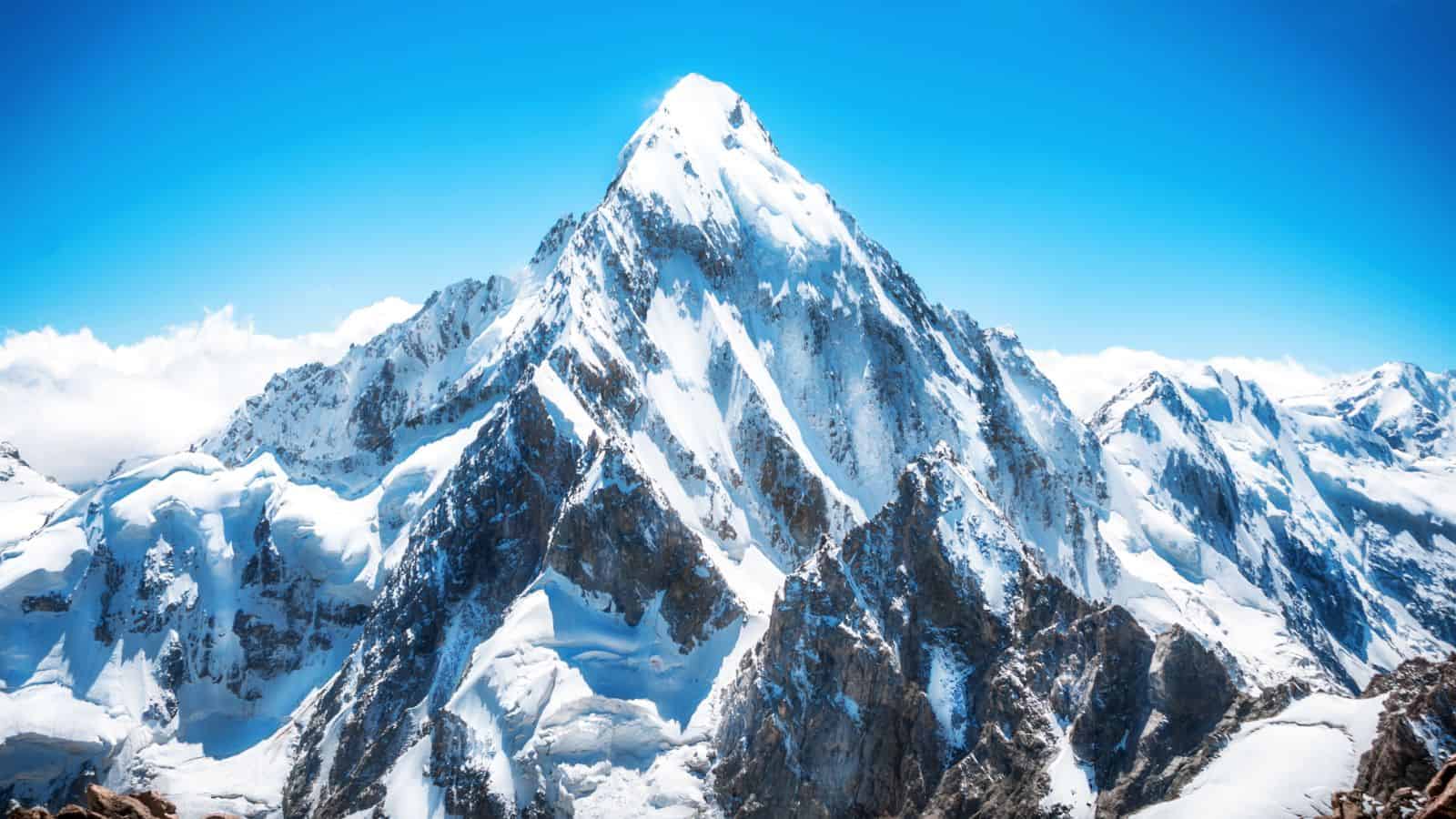
Scaling the highest peak on Earth sits at the top of many bucket lists for hardcore climbers. The sheer altitude and unpredictable avalanches make this towering giant incredibly hostile to human life. Altitude sickness can strike anyone without warning, leaving even seasoned mountaineers completely helpless.
Overcrowding near the summit has created deadly traffic jams in recent climbing seasons. As legendary climber Apa Sherpa stated, the mountain always has the final say regardless of your preparation. Brave guides continue to risk their own safety to rescue tourists who push past their physical limits.
Death Valley National Park In California
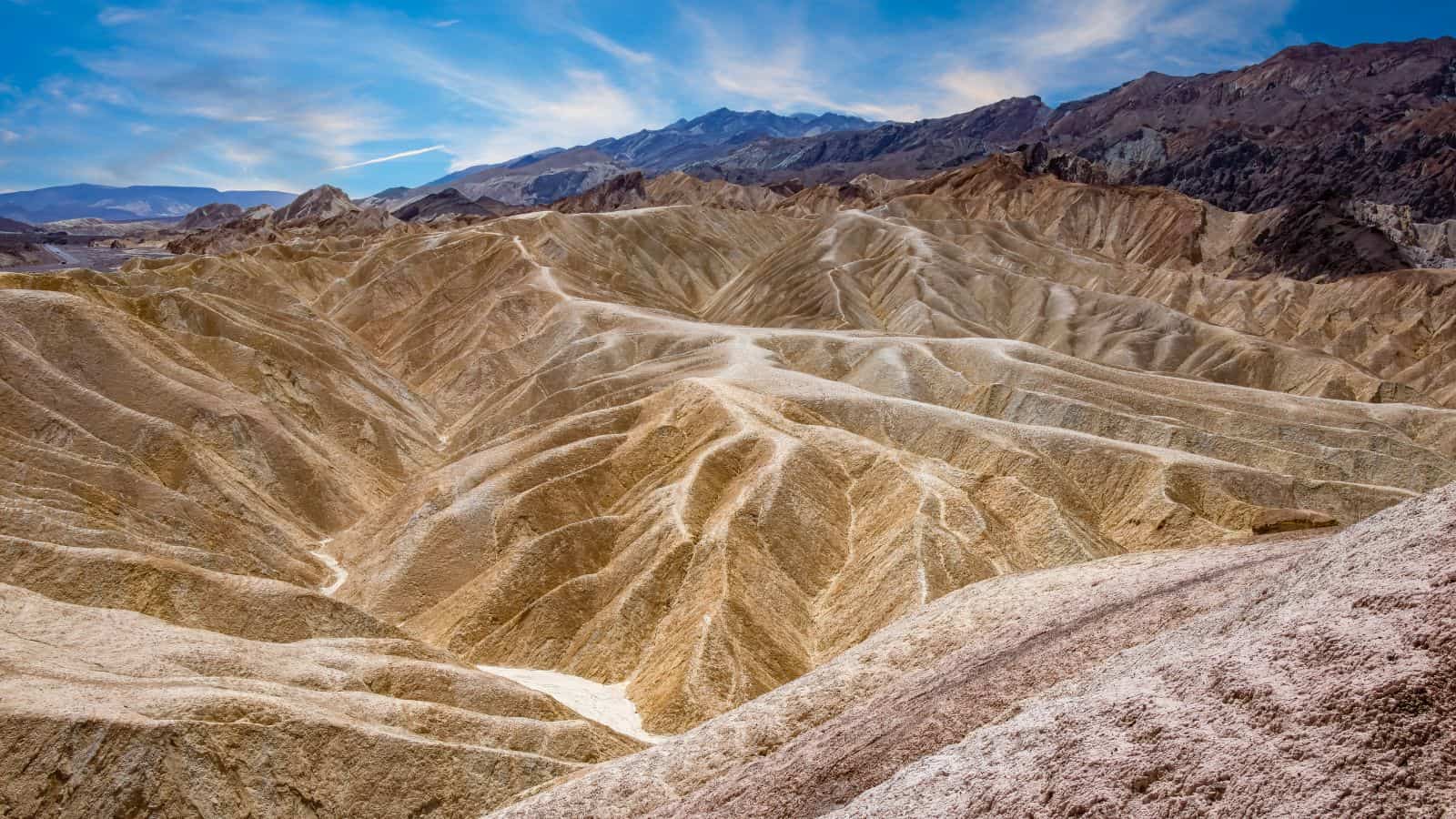
This massive desert basin holds the record for the hottest air temperature ever recorded on the planet. Scorching summer heat can melt your shoe soles and quickly lead to severe dehydration. Cell phone service is practically nonexistent, meaning a broken-down car can quickly become a life-threatening emergency.
Tourists often underestimate the blazing sun and wander off paved roads without enough water. ABC News reports that the extreme temperatures claim several lives every single year. Visitors must pack extra water and avoid hiking during the hottest parts of the day.
Half Dome In Yosemite National Park
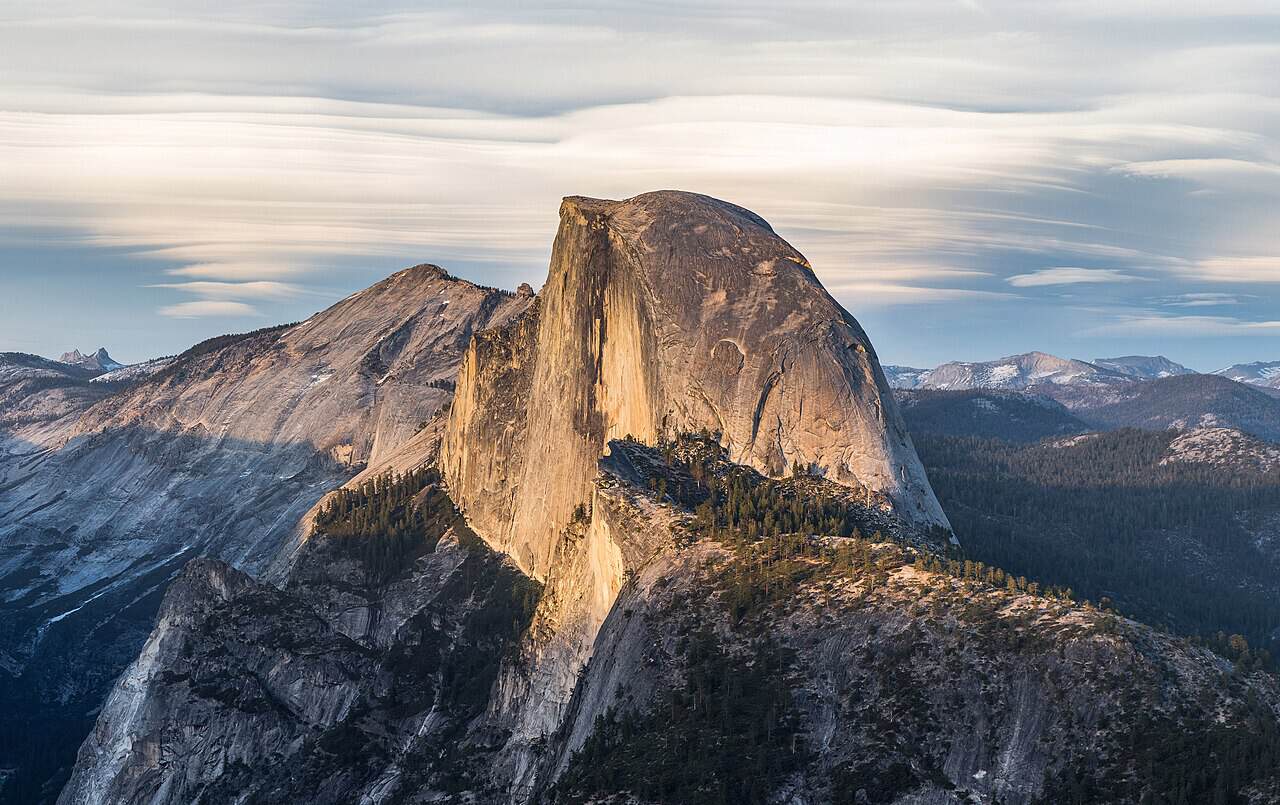
The massive granite dome towers over the valley and tempts hikers with a punishing final ascent. Climbers must pull themselves up a slippery rock using metal cables suspended over a massive drop. Sudden thunderstorms can roll in fast, turning the slick path into a terrifying slide.
Lightning strikes are a real threat, as the dome acts like a giant lightning rod during heavy storms. Accidents frequently occur at this specific rock formation, especially when weather conditions rapidly deteriorate. A simple slip of the foot can result in a devastating fall for unprepared tourists.
North Yungas Road In Bolivia
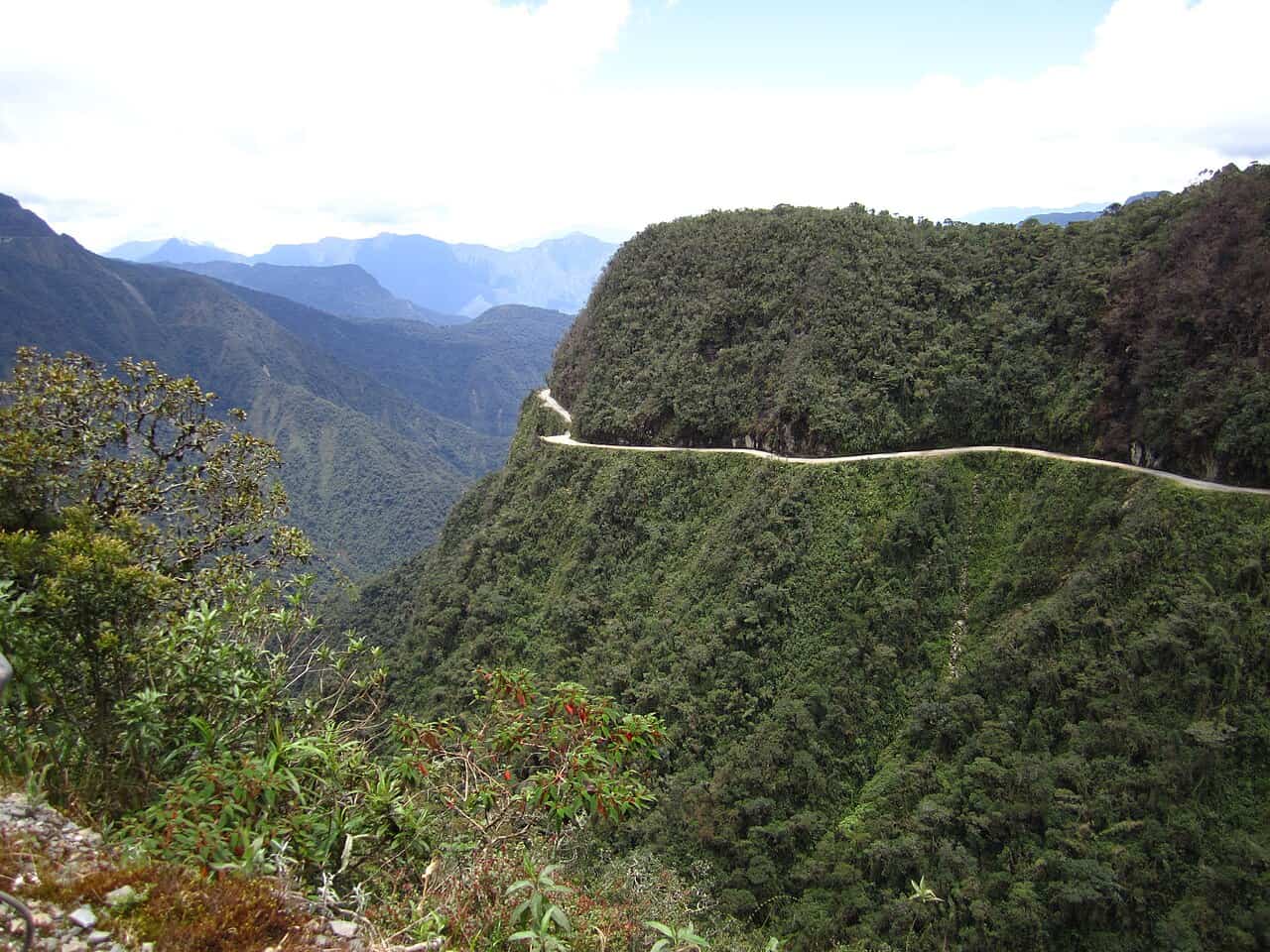
Locals call this narrow dirt path the Road of Death for very good reasons. Bicycles and cars share a remarkably tight lane that hugs a cliff with absolutely no guardrails. Frequent heavy rains and thick fog drastically reduce visibility, forcing drivers to inch along the muddy edge.
Thrill-seeking mountain bikers flock here to experience the terrifying downhill plunge through the clouds. Before a new bypass opened, this terrifying stretch claimed hundreds of lives on an annual basis. Today, the rusted wreckage of old vehicles still litters the canyon floor below the trail.
The Blue Hole In Egypt
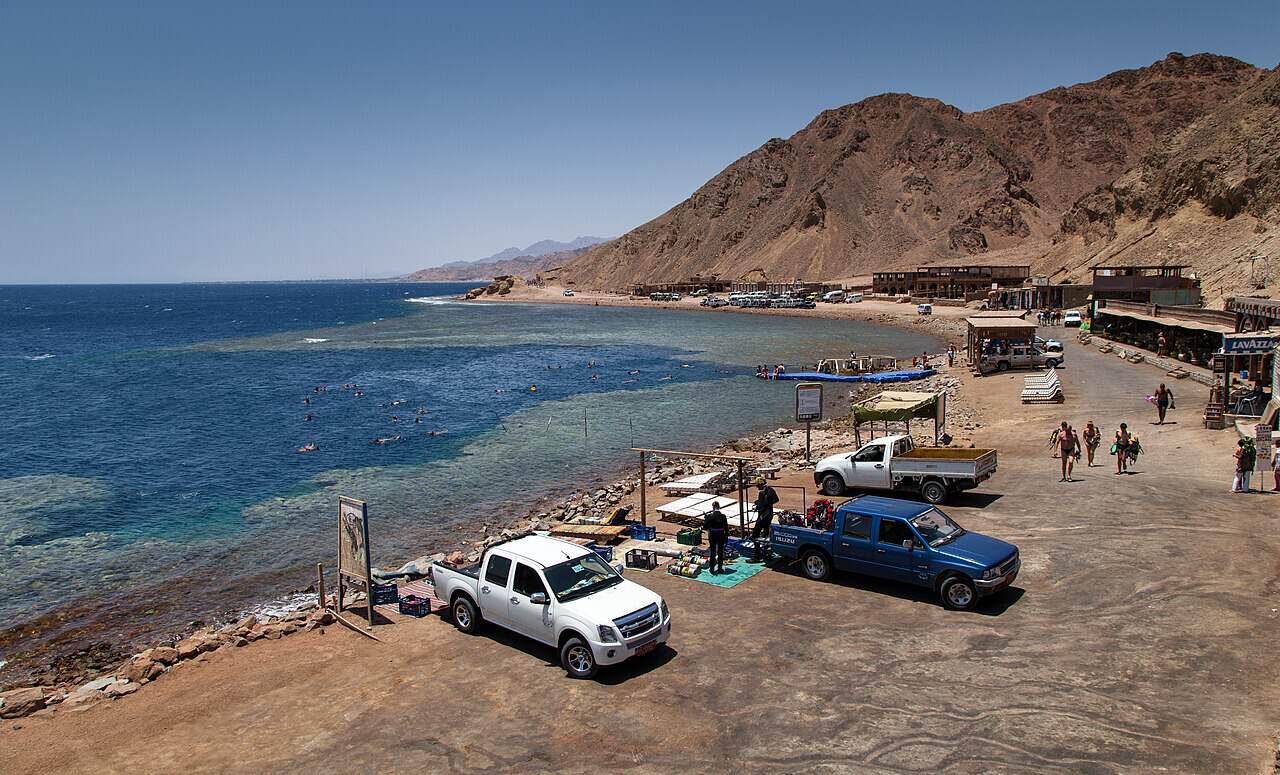
This stunning submarine sinkhole on the coast of the Red Sea attracts scuba divers from all over the globe. An infamous underwater tunnel known as the arch tricks divers with a beautiful but deadly illusion of light. Nitrogen narcosis kicks in at extreme depths, causing confusion and poor decision-making underwater.
Many overconfident tourists try to swim through the tunnel and run out of breathable air before reaching the surface. Experts estimate that the site has seen 130 to 200 diving fatalities since the early 1990s. Memorial plaques bolted to the surrounding rocks serve as a chilling reminder of the unforgiving ocean.
New Smyrna Beach, Florida
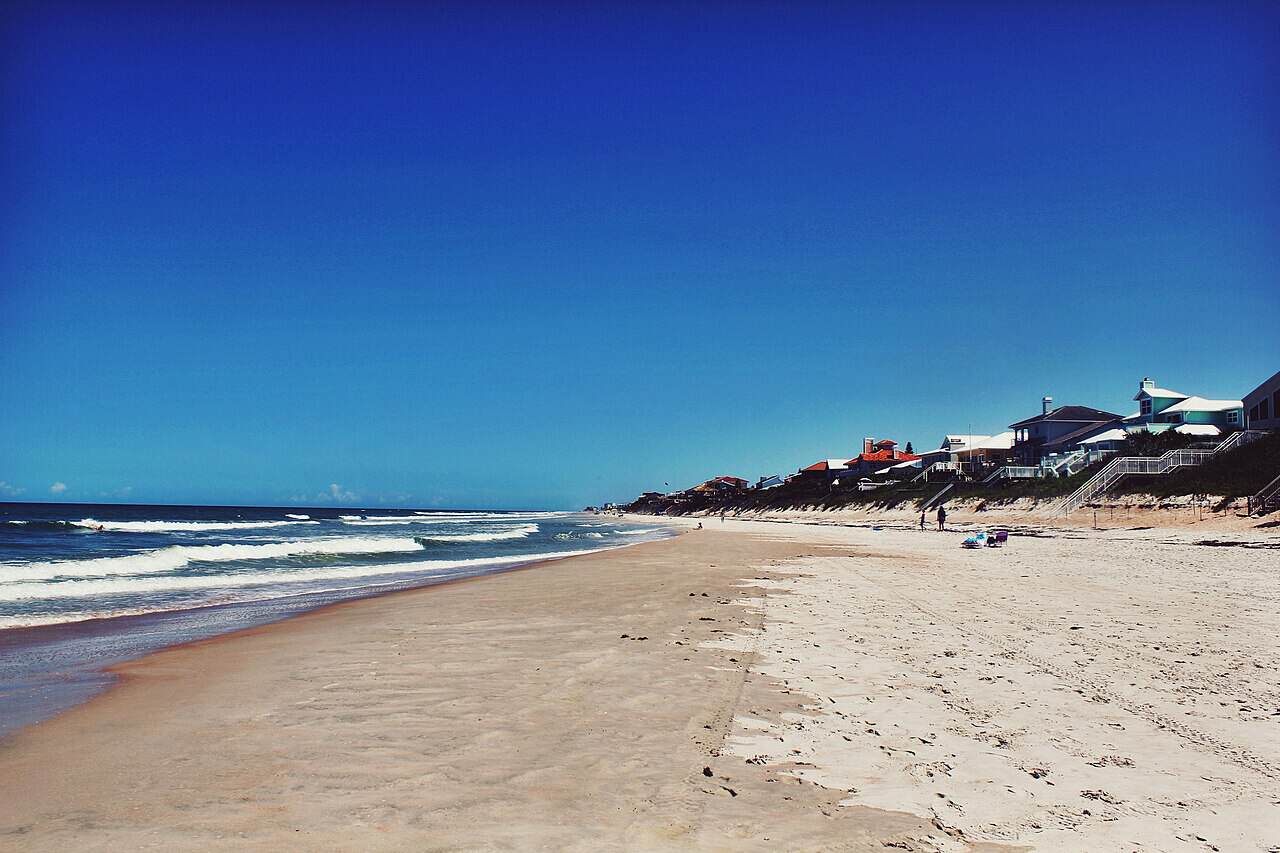
This sunny coastal hotspot boasts fantastic waves that draw eager surfers throughout the entire year. The murky waters near the jetty are teeming with bait fish, which naturally attract hungry predators. Swimmers often mistake a bump on the leg for seaweed right before the teeth sink in.
The sheer volume of people splashing in the waves creates a confusing environment for marine life. This popular beach recorded the highest number of unprovoked shark bites, earning the title of shark bite capital according to the BBC Wildlife Magazine. Fortunately, most of these encounters result in minor injuries rather than fatal tragedies.
Cliffs Of Moher In Ireland
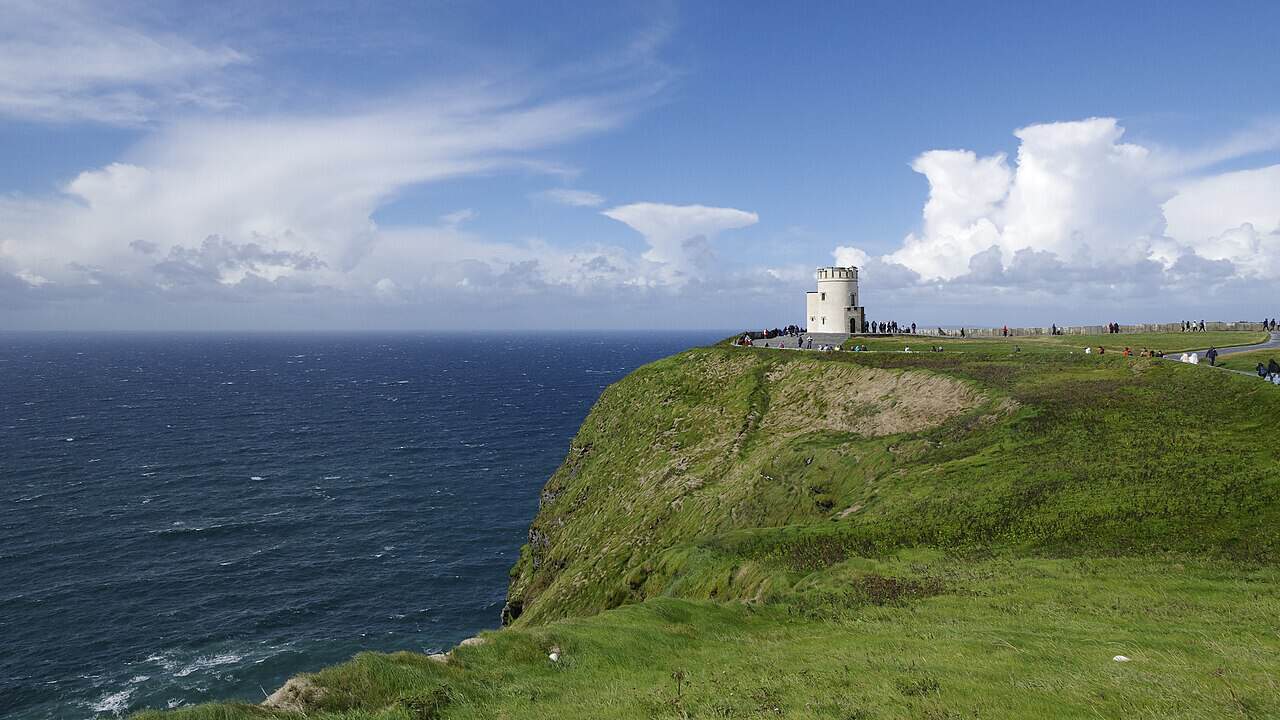
These majestic green cliffs offer sweeping views of the wild Atlantic Ocean crashing below. Powerful wind gusts frequently sweep across the ledge and can easily knock an adult off their feet. Tourists often ignore clear warning signs just to capture a dramatic selfie near the crumbling edge.
The muddy pathways grow incredibly slippery after the frequent rain showers that hit the coastline. NIH Research reveals that over 60 people died at the cliffs between 1993 and 2017 after getting too close to the precipice. Staying safely behind the designated barriers is the only way to enjoy the breathtaking scenery.
Pamplona during The Running Of The Bulls

Every summer, adrenaline junkies gather in Spain to sprint through narrow cobblestone streets alongside angry bulls. The chaotic stampede creates a frantic environment where participants regularly trip and trample each other. Getting gored by a sharp horn is a constant threat for anyone who fails to run fast enough.
Alcohol flows freely during the festival, which severely impairs the reaction times of many runners. Since recordkeeping began in 1910, sixteen people have died during this incredibly dangerous tradition. The local hospitals fill up with bruised and battered tourists every single day of the event.
Anak Krakatoa In Indonesia
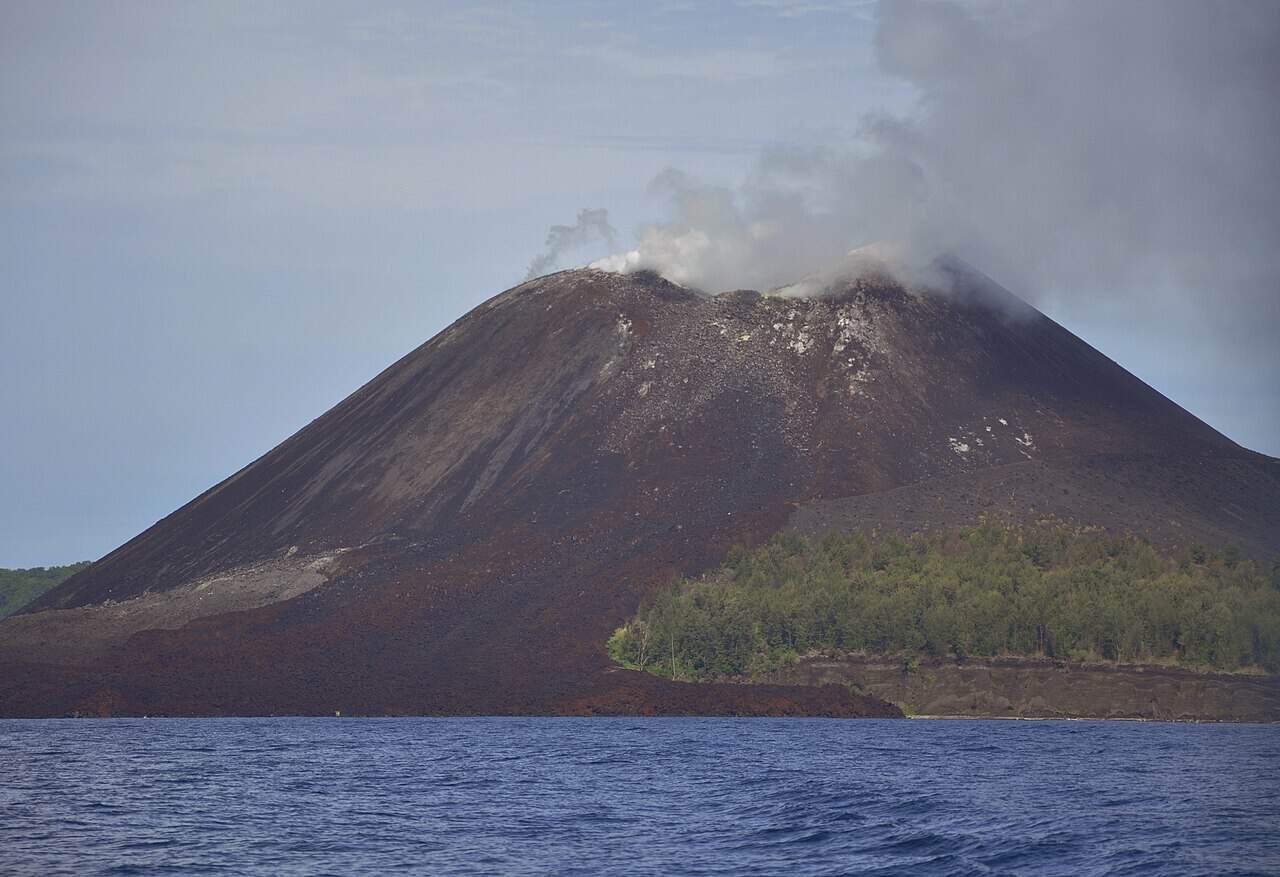
This active volcanic island emerged from the ocean decades after a legendary eruption tore the earth apart. The volatile peak frequently spews thick ash and massive rocks into the surrounding sky without any warning. Boats carrying curious sightseers risk getting caught in sudden tsunamis generated by underwater landslides.
Toxic gases constantly leak from the crater, making the air difficult to breathe for anyone standing nearby. A massive eruption and subsequent tsunami in 2018 tragically claimed over 400 lives, according to United Nations data. Geologists monitor the rumbling giant closely, but nature always holds the ultimate wild card.
The Grand Canyon In Arizona
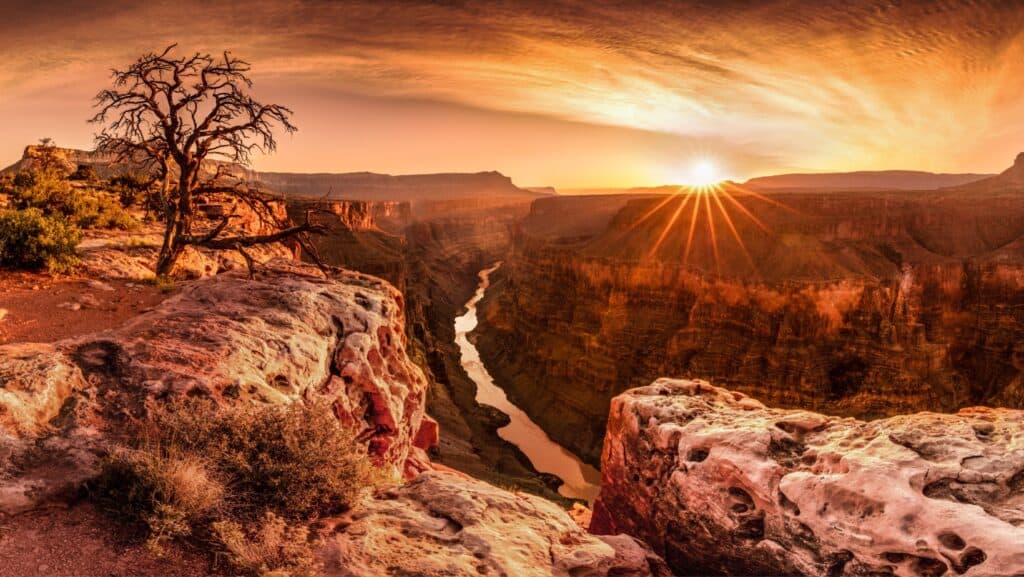
Millions of wide-eyed visitors flock to this colossal natural wonder to marvel at the painted rock layers. Many hikers pack insufficient water for the brutal climb back up the steep canyon walls. Temperatures at the bottom regularly soar past one hundred degrees, turning a scenic walk into a blistering nightmare.
Wandering too close to the unguarded rim for a photo has cost several careless tourists their lives. According to park records, between 2007 and 2025, 255 people have died at the park. Staying hydrated and respecting the sheer drop are essential rules for a safe desert adventure.
Kalalau Trail In Hawaii
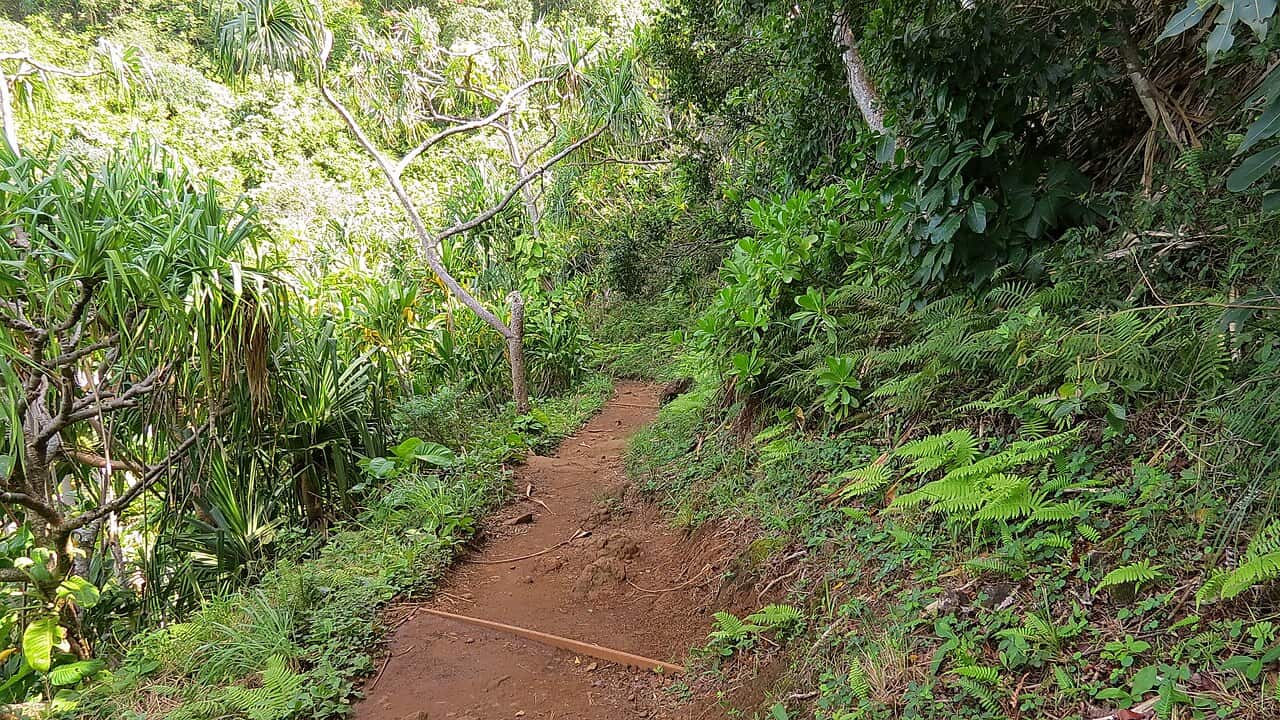
Hiking this remote coastal path rewards visitors with stunning views of secluded Hawaiian beaches. Flash floods frequently wash out the narrow dirt trails and leave hikers completely stranded in the wilderness. Falling rocks from the towering cliffs above add another layer of extreme danger to the trek.
The muddy inclines require careful footwork, as a single misstep can send you sliding down a steep ravine. Rescue helicopters fly in regularly to save exhausted tourists who underestimate the grueling physical demands. Proper gear and intense physical preparation are necessary for anyone attempting the journey.
Machu Picchu In Peru
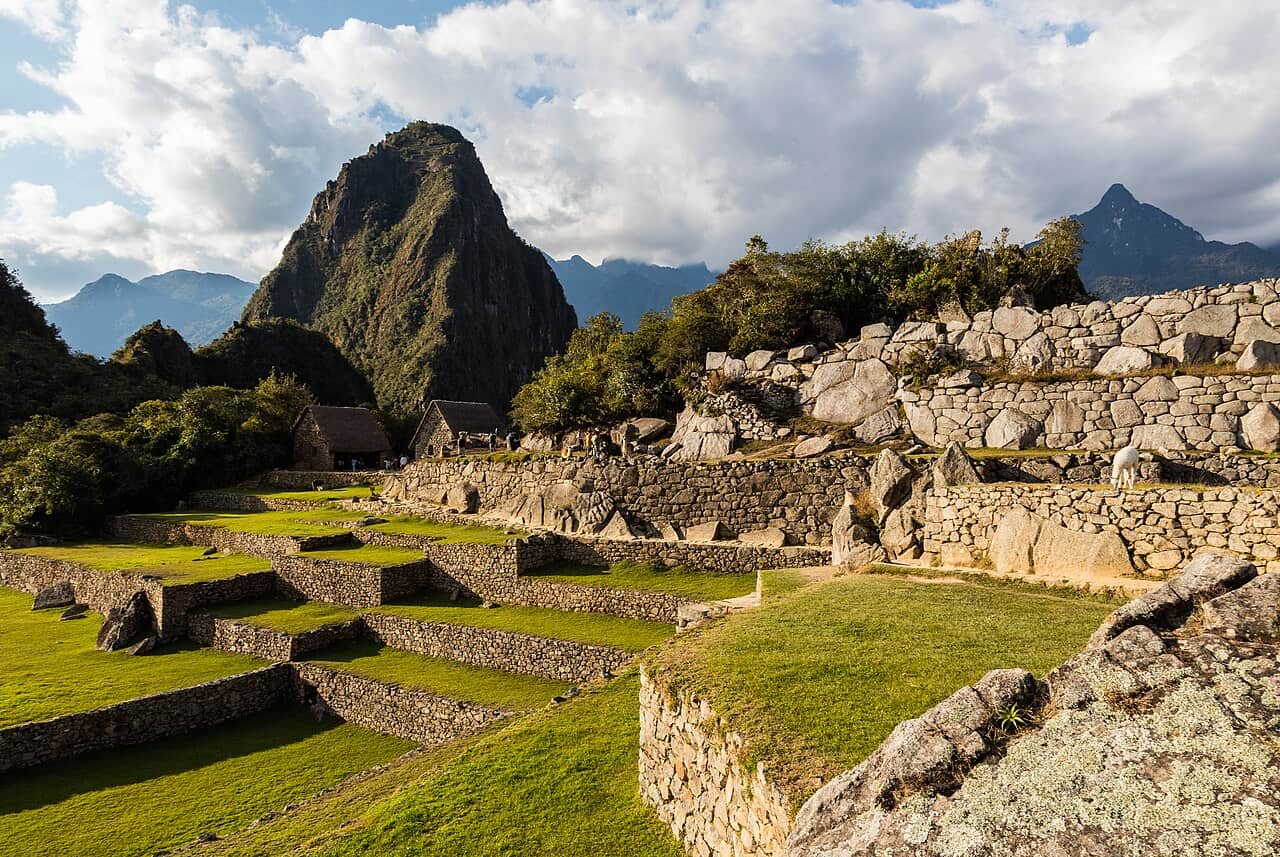
This ancient Incan citadel sits high in the Andes mountains and features steep stone terraces. The high elevation causes severe altitude sickness that leaves many visitors dizzy and gasping for thin air. Sudden rainstorms turn the ancient stone steps into a highly slippery obstacle course.
Some sections of the ruins feature steep drop-offs with absolutely zero safety ropes or railings. A simple stumble on the uneven ground can lead to broken bones or a tragic plunge. Taking your time and wearing proper hiking boots will keep you firmly planted on the historic path.
Yellowstone National Park In Wyoming
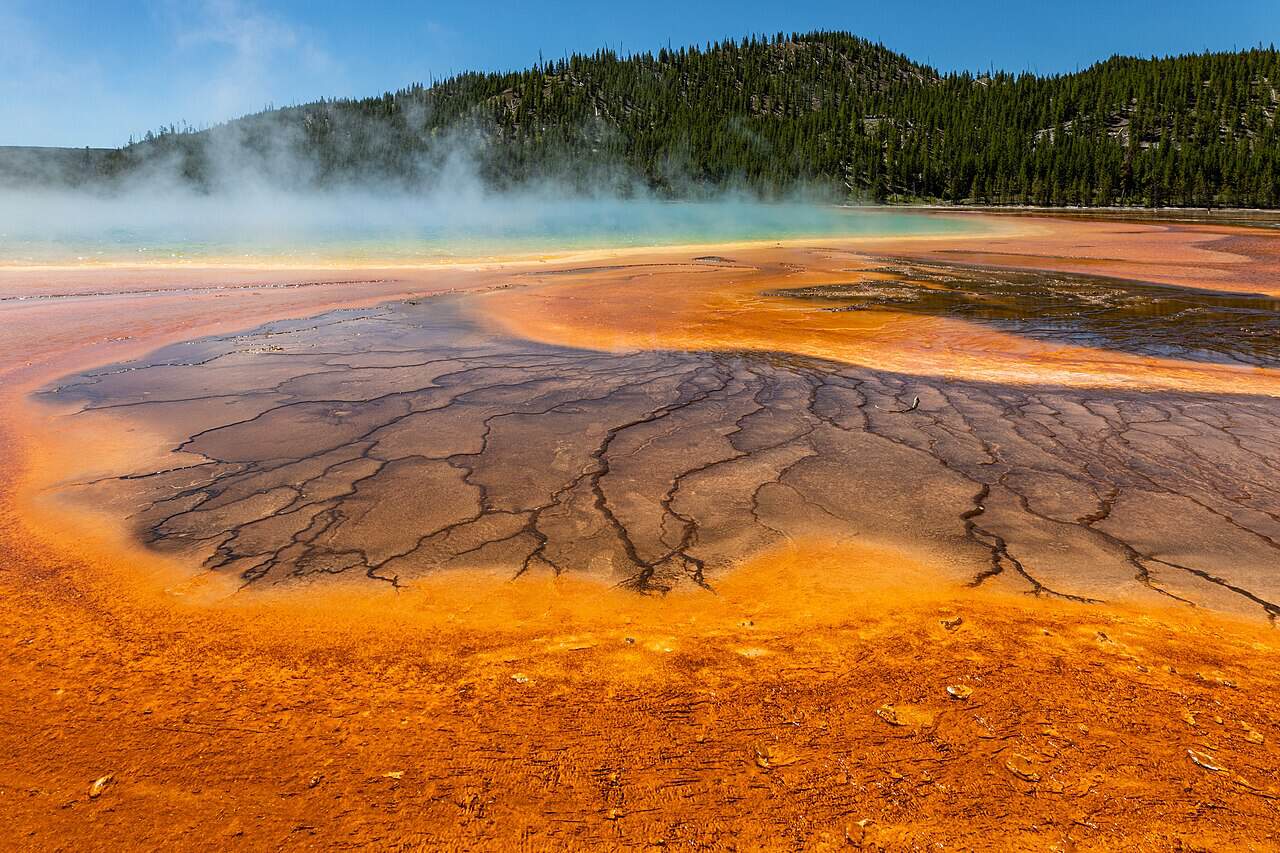
America’s oldest national park features erupting geysers, colorful hot springs, and abundant wild animals roaming freely. The boiling geothermal pools look inviting, but the acidic water can cause fatal burns in seconds. Tourists regularly ignore wooden boardwalks and break through the fragile crust of the earth.
Getting too close to a massive bison for a photograph usually results in a terrifying charge. Wildlife encounters gone wrong send dozens of oblivious vacationers to the emergency room every summer. Giving these powerful beasts plenty of space is the smartest way to enjoy the incredible scenery.
Mont Blanc In France
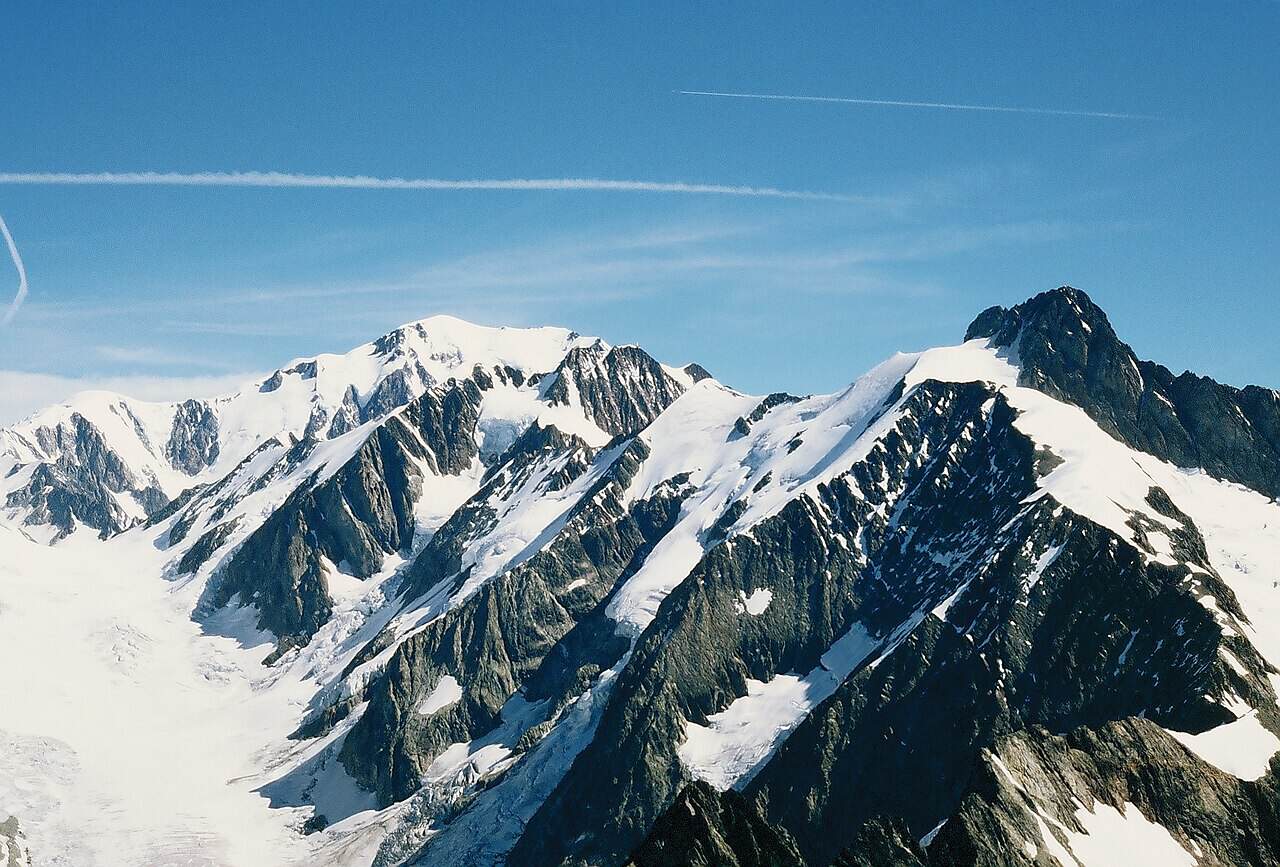
The highest peak in the Alps attracts thousands of amateur climbers looking for a snowy alpine adventure. Frequent avalanches roar down the steep slopes, burying everything and everyone in their path. Crevasses hidden under fresh snow act like deadly trapdoors waiting to swallow unsuspecting hikers.
Rapidly changing weather patterns drop temperatures below freezing and eliminate visibility in minutes. Local rescue teams risk their own lives daily to pull stranded mountaineers off the freezing glacier. Hiring an experienced local guide greatly improves your chances of making it down the mountain alive.
Villarrica Volcano In Chile
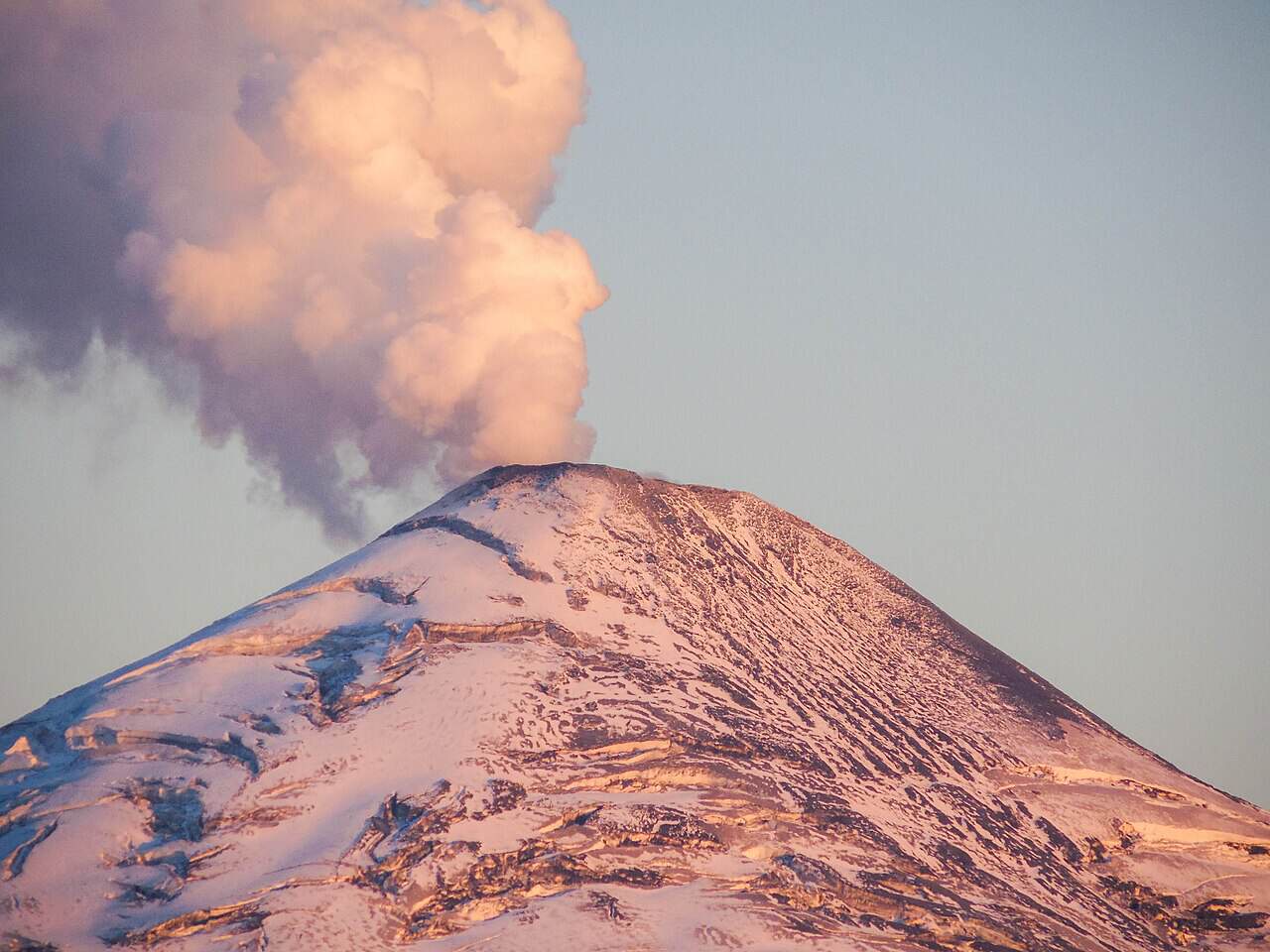
This snow-capped mountain hides a bubbling lake of molten lava right inside its gaping crater. Guided tour groups hike up the icy slopes while dodging toxic sulfur clouds blowing in the wind. The mountain constantly rumbles and occasionally spits fiery rocks out onto the surrounding snowfields.
During the winter months, tourists sled down the slippery slopes using small plastic toboggans. A sudden eruption could easily melt the ice cap and trigger a massive mudslide with catastrophic results. Thrill-seekers must always stay alert and listen to local authorities before attempting the challenging climb.
Like our content? Be sure to follow us