12 ways society could move past capitalism
People can feel the system creaking at the grocery store, the gas pump, the rent office, and the group chat. Many Americans work hard, yet the finish line keeps moving. The OECD’s Society at a Glance 2024 reports that the wealthiest 10% of U.S. households hold 79% of household wealth, leaving everyone else fighting over a much smaller slice. That number explains why fresh economic ideas now sound less dreamy and more practical.
The World Inequality Database also tracks wealth and income gaps across countries, giving researchers a clearer view of how growth often first rewards the top.
Women feel this pressure in a very real way, especially through caregiving, housing costs, healthcare bills, and unequal pay. So, let’s look at twelve ways society could move beyond capitalism’s roughest edges and build something warmer, fairer, and more human.
Cooperative ownership

Cooperative ownership gives workers and members a real seat at the table. Instead of sending most gains to distant shareholders, co-ops let the people inside the business share power and rewards. The International Cooperative Alliance says the top 300 cooperatives and mutuals reported $2.79 trillion in total turnover in the 2025 World Cooperative Monitor.
That scale matters because it proves co-ops already play in the big leagues. More worker-owned salons, clinics, grocery stores, and childcare centers could give women stronger voices at work. This model still allows trade, but it ties success to shared benefit.
Universal basic income
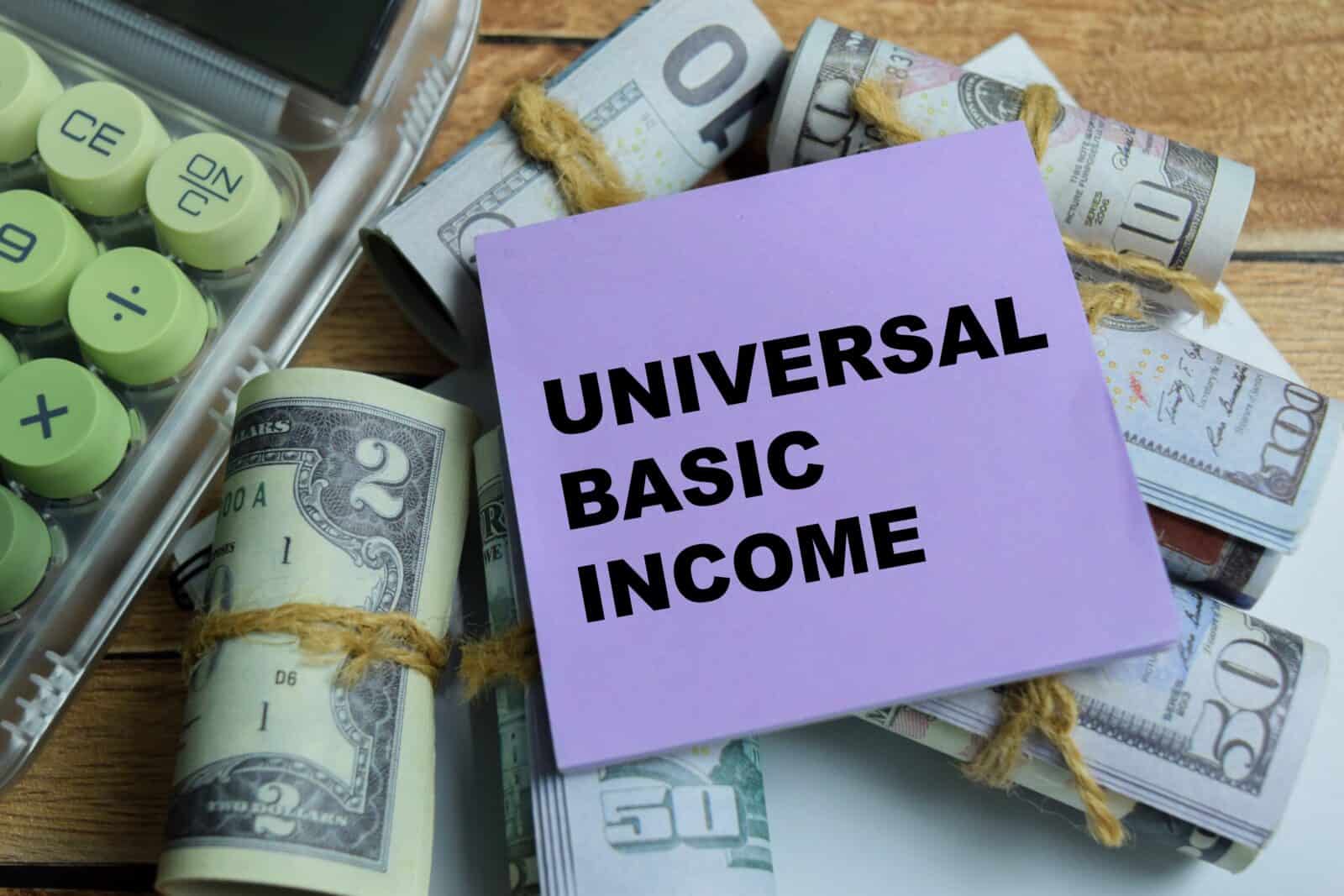
Universal basic income gives people a regular cash floor, so one bad month does not wreck a whole life. It treats survival as a starting point, not a prize. OpenResearch’s unconditional cash study gave 1,000 low-income adults $1,000 per month for 3 years, making it one of the most serious recent U.S. tests of cash support.
For women, that kind of floor could help during pregnancy, caregiving, school, job loss, or escape from unsafe homes. UBI would not solve every problem on its own. Still, it could give people breathing room before a financial emergency arises.
Degrowth values care

Degrowth asks wealthy societies to stop worshipping endless production. It does not ask people to live joyless lives. It asks leaders to cut waste, reduce harmful industries, and invest in health, care, transit, and community life. A 2025 study in The Lancet Planetary Health examined public support for degrowth among more than 6,200 people in the United States and the United Kingdom.
That matters because the idea no longer sits only in academic corners. For many women, this shift could mean a culture that respects caregiving, rest, and community bonds as real wealth.
Commons can protect basics
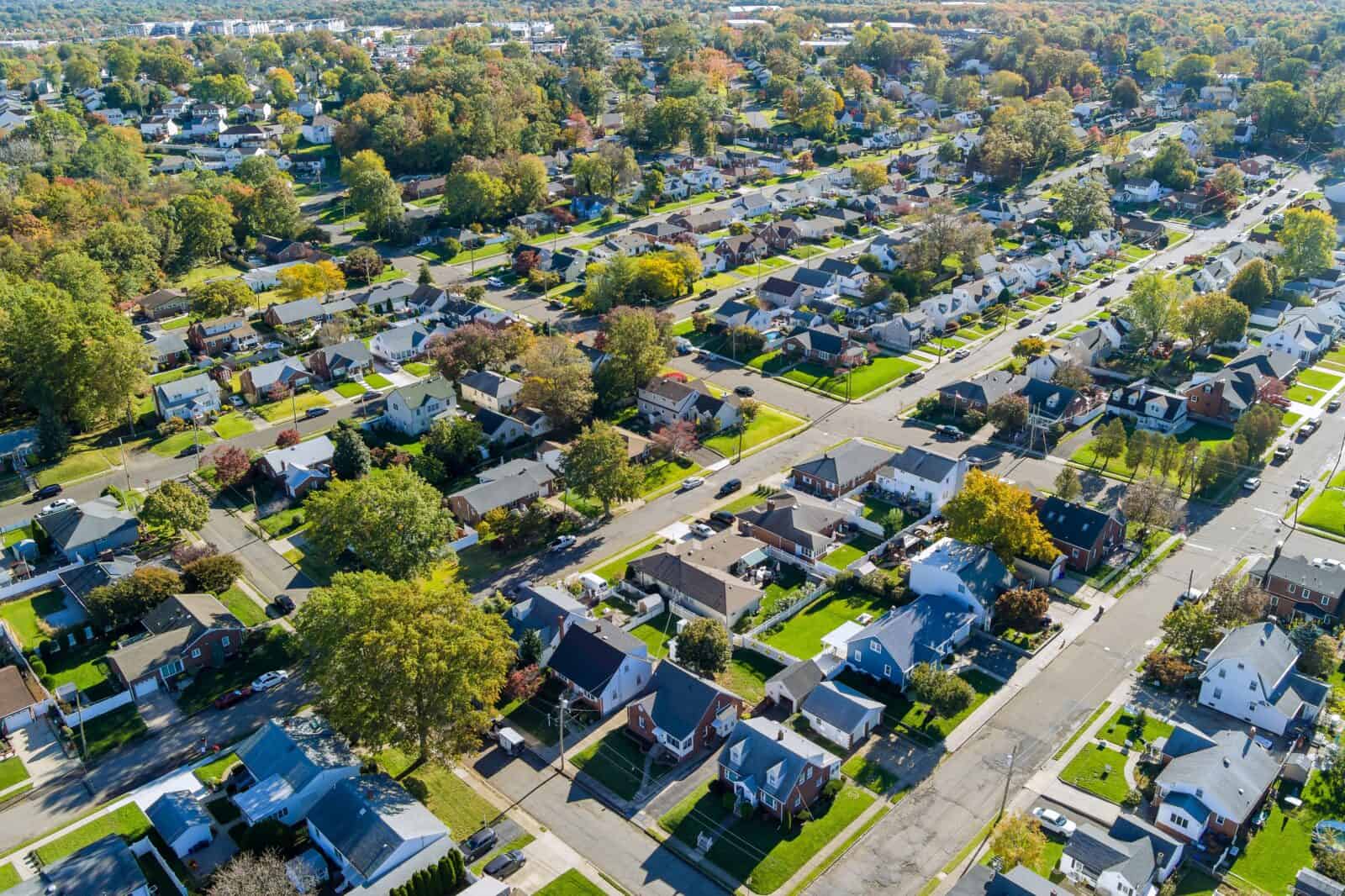
A commons-based economy treats land, water, housing, software, and knowledge as shared assets. People do not have to privatize every useful thing to make it valuable. Community land trusts demonstrate this idea in real neighborhoods by keeping land under community stewardship and preserving long-term affordability.
In 2024, the Robert Wood Johnson Foundation announced a $5 million investment to help community land trusts and shared-equity housing models grow.
That kind of support signals serious interest in community ownership. For women raising families, commons models can mean more stable homes, safer blocks, and less fear of displacement.
Participatory budgets share power

Participatory budgeting lets residents help decide where public money goes. That simple shift can make government feel less like a locked room and more like a neighborhood table.
Communities could use it for school safety, elder care, public bathrooms, food access, and mental health support. Women often notice daily needs first, so that this system could turn lived experience into funded action.
Local economies build resilience
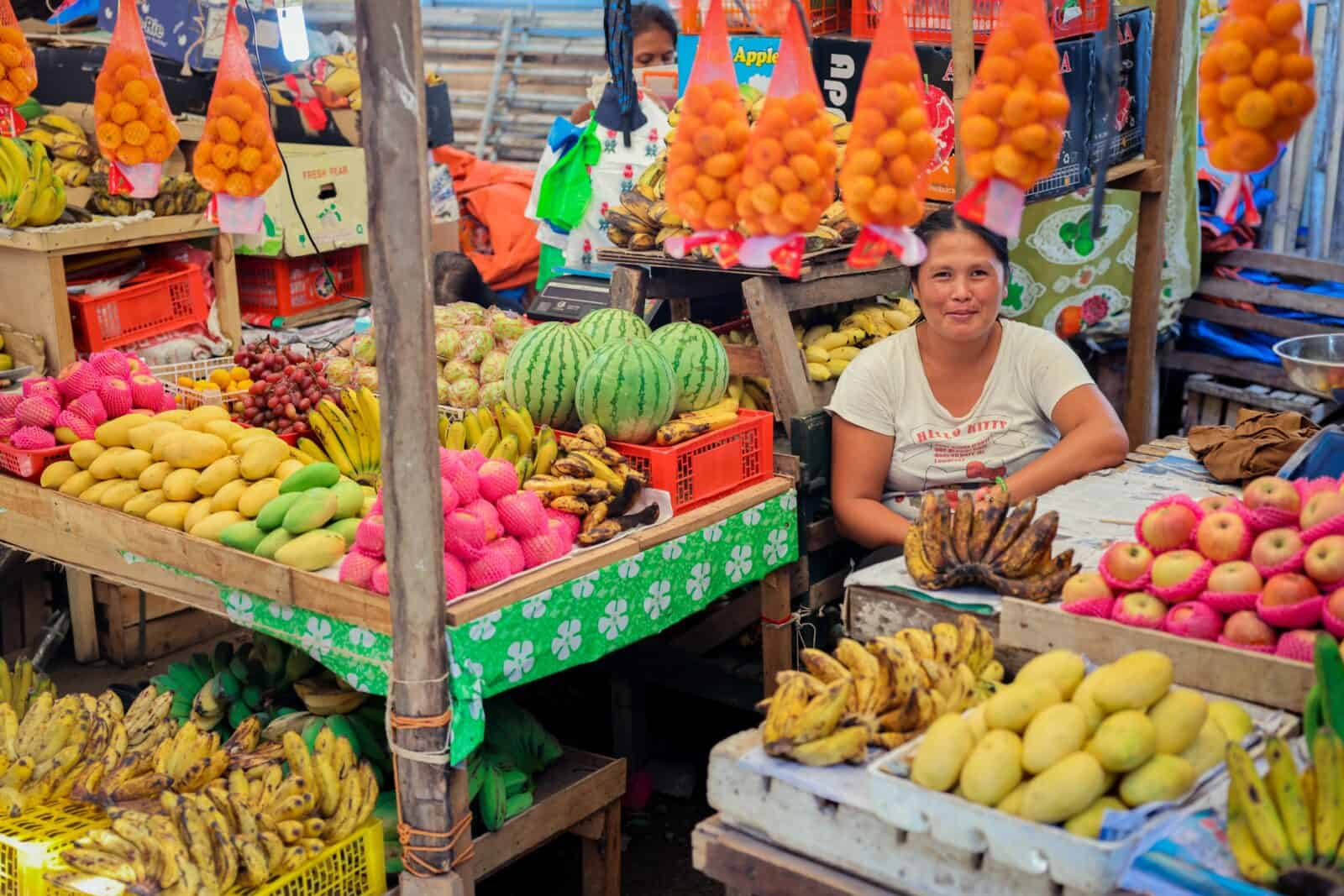
Local economies bring money, food, services, and jobs closer to home. They reduce dependence on long supply chains that can snap during crises. USDA Economic Research Service data released in 2024 shows that producers sold $17.5 billion in food through direct marketing channels in 2022. That figure shows real demand for local and regional systems.
More local buying can support small farms, family businesses, makers, and neighborhood services. For women managing household budgets, nearby networks can feel more trustworthy, more flexible, and more responsive than giant systems that treat customers like numbers.
Time banks value care

Time banking treats one hour of help as equal to one hour of help. A lawyer’s hour and a grandmother’s childcare hour carry the same value inside the system. A 2026 research review on healthcare time banking found that 58% of older adults showed willingness to participate in a healthcare time-banking program.
That matters because time banks can turn care, errands, tutoring, rides, and companionship into recognized exchange. Women already do a huge amount of unpaid support work. This model says that work counts, and it gives communities a practical way to trade help without squeezing every favor through cash.
Resource planning meets needs

Resource-based models start with a bold question. What do people need, and what resources do we actually have? Instead of letting price determine access to shelter, food, healthcare, and energy, Society could plan for essentials based on need and ecological limits.
UNEP’s 2025 Emissions Gap Report says annual emissions must fall 55% by 2035 to align with the 1.5°C pathway. That pressure makes smarter planning feel less optional. For women in stretched households, this model could reduce the constant scramble for basics. It moves the focus from buying power to human need.
Digital tools can decentralize power

Digital decentralization tries to move power away from a few giant platforms. It supports open protocols, community-run platforms, shared data rules, and peer-to-peer systems.
The challenge now involves safety, fairness, and access. Women need digital spaces that protect users from harassment, scams, bias, and exclusion. If communities govern platforms more directly, technology could serve creators, workers, and users instead of treating them as raw material for profit.
Eco-socialism links justice and climate
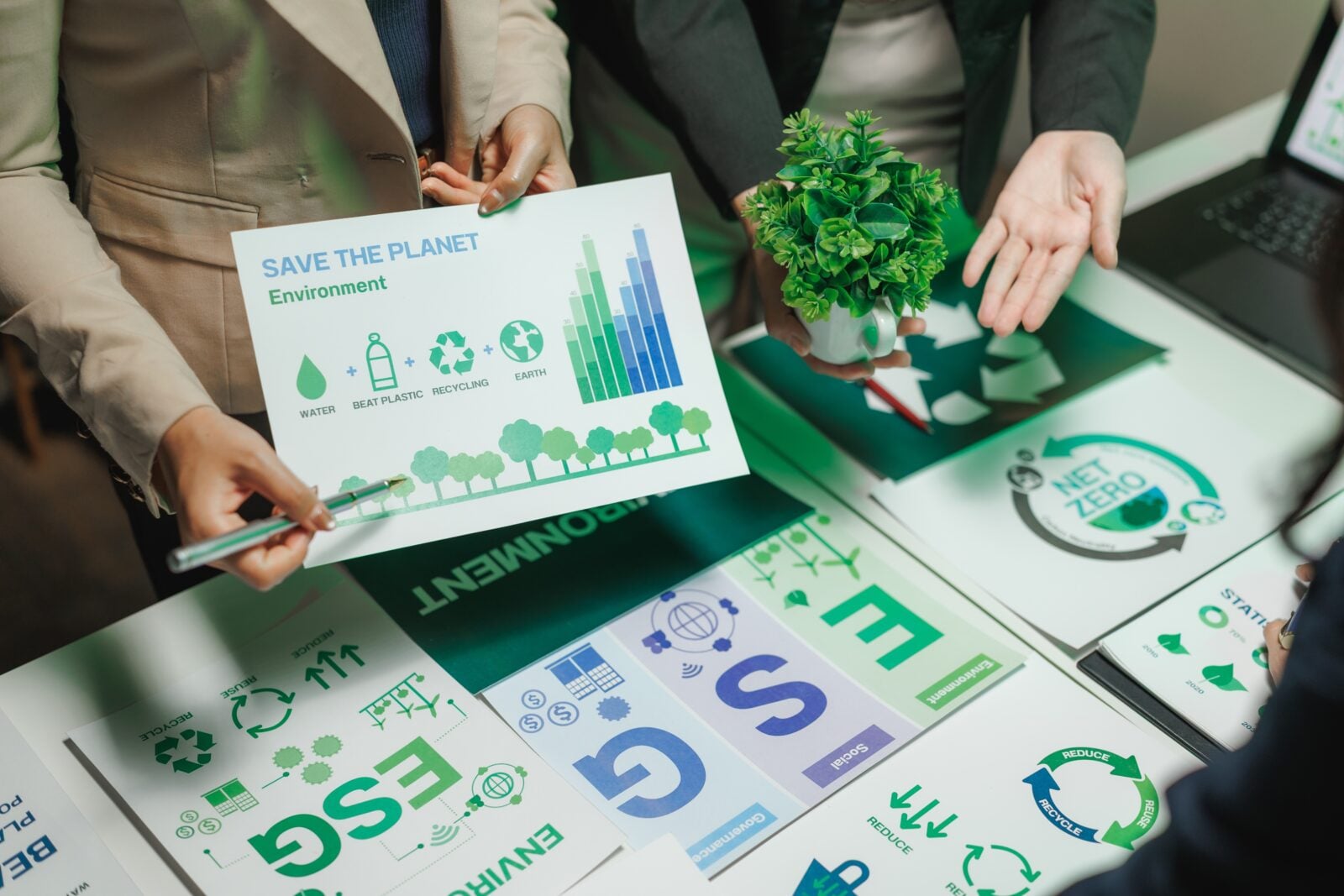
Eco-socialist ideas connect economic fairness with climate repair. The basic message feels simple. A society cannot keep extracting from workers, communities, and the planet without paying a steep price. Yale’s climate opinion research, reported in 2025, found that 65% of registered U.S. voters support transitioning the economy to 100% clean energy by 2050.
That support gives leaders room to act. Eco-socialist policies could expand public green jobs, strengthen labor rights, and fund care work. For women, this path could pair cleaner air with better wages, safer homes, and stronger public services.
Shorter workweeks protect life

Shorter workweeks challenge the old idea that exhaustion proves value. Many people can do better work with sharper focus, fewer pointless meetings, and more recovery time.
For women juggling paid work, parenting, elder care, errands, and emotional labor, extra time can change everything. A society that moves past capitalism’s harshest habits would stop treating rest like laziness. It would treat time as part of wealth.
Public services can expand freedom

Strong public services can reduce the pressure to buy private fixes for every basic need. Healthcare, childcare, transit, housing support, broadband, and education can become shared foundations. Pew Research Center notes that women made up 47% of the U.S. civilian labor force in 2023, indicating how deeply women now carry both paid work and family responsibilities.
Better services would give that labor force more stability. They would also help families stop treating every illness, school break, or commute as a private crisis. This route does not erase ambition. It gives more people a fair platform.
Key takeaway

Moving past capitalism may not mean one grand switch flips overnight. It may look more like a toolkit. Cooperative ownership can share profits. UBI can create a cash floor. Commons models can protect housing and land.
Participatory budgets can move public money closer to real needs.
Local economies, time banks, shorter workweeks, public services, and greener planning can make daily life less punishing. The future may come from the ideas communities choose to test first.
Disclaimer – This list is solely the author’s opinion based on research and publicly available information. It is not intended to be professional advice.
Like our content? Be sure to follow us.