10 reasons capitalism contributes to men’s loneliness in dating in the 21st century
Love shouldn’t come with a price tag, but let’s be real, in 2026, it definitely does.
We like to think romance is about chemistry and connection, but have you checked your bank account lately? The modern dating scene feels less like a fairy tale and more like a high-stakes job interview where you pay for the coffee. I remember my buddy Dave stressing out last week because he realized his “casual” dating life was costing him more than his car payment.
That financial anxiety is actually the new normal for single men everywhere. According to a 2025 survey by BMO, the average American spends a whopping $2,279 annually on dating. That is a lot of money just to figure out if you like someone enough to see them again.
The reality is that economic structures shape how we connect, and right now, those structures are building walls instead of bridges. From dating apps that profit off your single status to inflation making a simple night out feel like a luxury splurge, the odds are stacked against the average guy. Capitalism has turned dating into a marketplace, and unfortunately, loneliness is the byproduct. Here is why the modern economy might be the third wheel ruining your love life.
The Monetization of Digital Loneliness

Dating apps do not actually want you to find love, because if you do, they lose a paying customer. These platforms operate on a business model that thrives on your continued singleness. Global dating app revenue hit $6.18 billion in 2024, proving that keeping you swiping is far more profitable than getting you paired up. You are not just a user; you are a recurring revenue stream.
The algorithms are designed to give you just enough hope to keep you hooked without actually solving your problem. It is basically a slot machine for your heart. IMO, it feels pretty cynical when you realize that the app’s stock price goes up when you stay lonely.
Inflation Has Made “Dinner and a Movie” a Luxury

Remember when you could grab a decent dinner and catch a film without needing a budget approval meeting? Those days are gone. Inflation has hit the dating scene hard, with 19% of daters admitting they go on fewer dates specifically because of rising costs. You can’t build a connection if you can’t afford to leave the house.
This financial pressure forces men to be overly selective or to opt out of dating entirely until they feel “financially ready.” The spontaneity of romance dies when you are calculating the ROI of an appetizer menu. Love becomes a luxury good rather than a basic human experience.
The Hustle Culture Trap

We live in a world that glorifies the “grind,” but that grind leaves zero energy for building a relationship. The gig economy has normalized unstable work hours, leaving many men with no predictable free time to plan a date. A study by Park University notes that while the gig economy offers flexibility, it often comes with a lack of stability that makes planning a social life a nightmare.
You cannot nurture a relationship when you are constantly checking your phone for the next delivery order or freelance gig. The economy demands your undivided attention, and your love life pays the price. By the time you clock out, you are too exhausted to be charming.
The Income Marriage Gap

The stats are brutal on this one: money buys marriage. A 2001 study by economists Robert Nakosteen and Michael Zimmer supports the selection hypothesis, showing that men with higher earning potential are more likely to marry and stay married. If you are struggling financially, you are statistically less likely to tie the knot.
This creates a tiered system where financial stability is treated as a prerequisite for love. Men who are still finding their footing economically often feel invisible in the dating market. It is not just about confidence; the data says your paycheck actually matters to your prospects.
The “Paradox of Choice” Market

Capitalism loves to offer us endless options, and dating apps have applied this same logic to human beings. You treat potential partners like products on a shelf, always wondering if there is a better “upgrade” just one swipe away. This mindset makes it impossible to commit because you are terrified of buyer’s remorse.
This commodification of people leads to shallow connections and quick disposals. You stop seeing the person in front of you and start seeing a list of specs that might not match the “perfect” option you invented in your head.
Housing Costs Are Killing Privacy

It is hard to have a romantic evening when your roommates or parents are in the next room. High housing costs have forced many young men to live at home longer than previous generations. Pew Research highlights that 63% of men under 30 are single, and the lack of affordable independent housing plays a huge role in that.
Privacy is the oxygen of intimacy, and right now, the rent is too high to breathe. You might have great chemistry, but if neither of you has a place to go, the relationship hits a ceiling very quickly.
Third Places Are Now “Buy Something” Places

We used to have “third places” like parks, community centers, or cheap diners where people could just hang out. Now, almost every public space requires you to pay to use it. The disappearance of these free social hubs means you can’t just “meet people” naturally anymore.
You have to pay a cover charge, buy a $7 latte, or join an expensive club just to be in the proximity of other humans. This paywall around socialization isolates men who lack the disposable income to constantly be out and consuming.
Status Signaling as a Dating Prerequisite
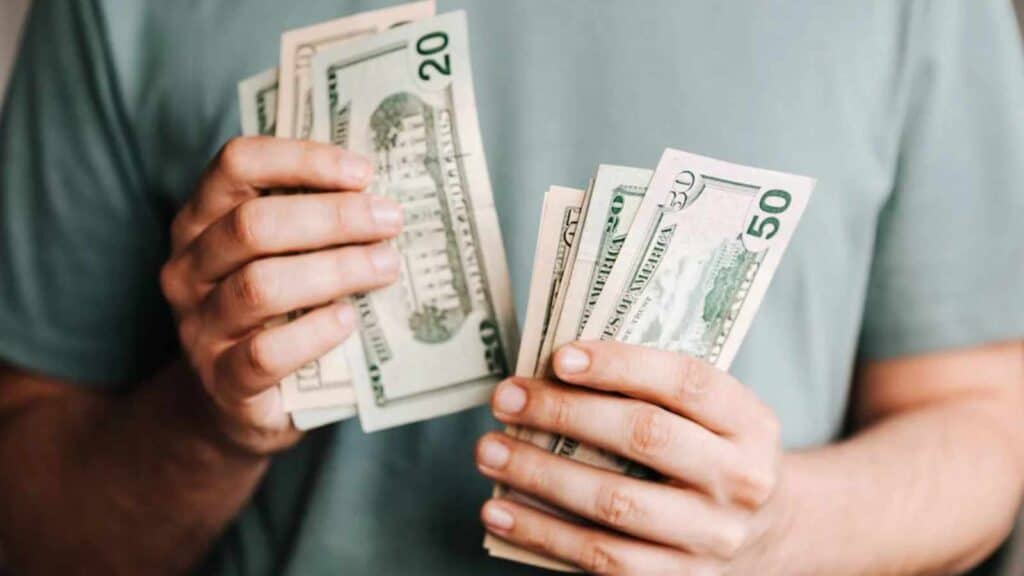
Social media and advertising have led us to believe that a successful date involves luxury travel, fine dining, and aesthetic experiences. You feel the pressure to perform a lifestyle that you probably can’t afford. This status signaling becomes a barrier to entry for guys who just want a simple connection.
If you can’t provide the “Instagrammable” moment, you feel like you are failing at dating. It turns romance into a performance art where the audience is your date’s followers, and you are just the prop manager footing the bill.
The “Self Made” Man Myth

Capitalism sells the myth that if you work hard enough, you will be rich, successful, and desirable. When men struggle in this economy, they often internalize it as a personal failure rather than a systemic issue. This shame drives them into isolation.
You convince yourself that you need to “fix” your life before you are worthy of sharing it with someone. FYI, this is a trap; you will never feel “ready” enough because the goalposts for success keep moving.
Mental Health Is an Expensive Subscription

Dealing with rejection, loneliness, and economic stress takes a toll on your mental health. However, getting help is often prohibitively expensive. Therapy, self-care resources, and even gym memberships are costly line items that many men cut when budgets get tight.
Without the tools to manage this stress, men withdraw further. We are expected to be stoic and self-sufficient, but the price of maintaining that mental resilience is higher than ever.
Key Takeaways

- Dating is expensive: The average American spends over $2,200 a year on dates, pricing many out of the market.
- Apps monetize loneliness: Dating platforms are designed to keep you single and paying, not to find you a match.
- Economic signaling matters: High income correlates directly with marriage rates, creating a barrier for lower-earning men.
- Space is luxury: High housing costs and the loss of free “third places” make physical intimacy and meeting new people difficult.
- Actionable Thought: Don’t let the market dictate your worth; look for low-cost ways to connect that bypass the “pay to play” system.
Disclosure line: This article was written with the assistance of AI and was subsequently reviewed, revised, and approved by our editorial team.
Like our content? Be sure to follow us