Why Americans are going back to using cash for everything: 12 smart reasons
In an age of tap-to-pay convenience, the simple act of handing over a dollar bill is becoming a surprisingly powerful form of control.
Digital payments and mobile wallets promised to make our lives infinitely easier, but a funny thing happened on the way to a cashless society. People across the country are quietly pulling paper money back out of their wallets. It turns out that carrying physical bills provides a sense of security that a glowing smartphone screen simply cannot match.
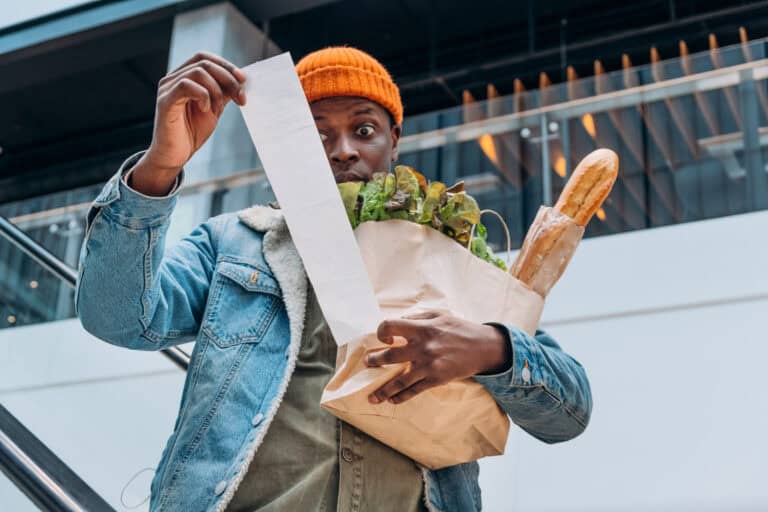
Swiping a piece of plastic is certainly convenient, but it often leads to a massive shock when the monthly statement arrives. Handing over actual bills forces you to face exactly how much you are spending in real time. We are seeing a major cultural shift as folks trade their tap-to-pay habits for the tactile crunch of fresh dollar bills.
Keeping A Tight Grip On The Family Budget
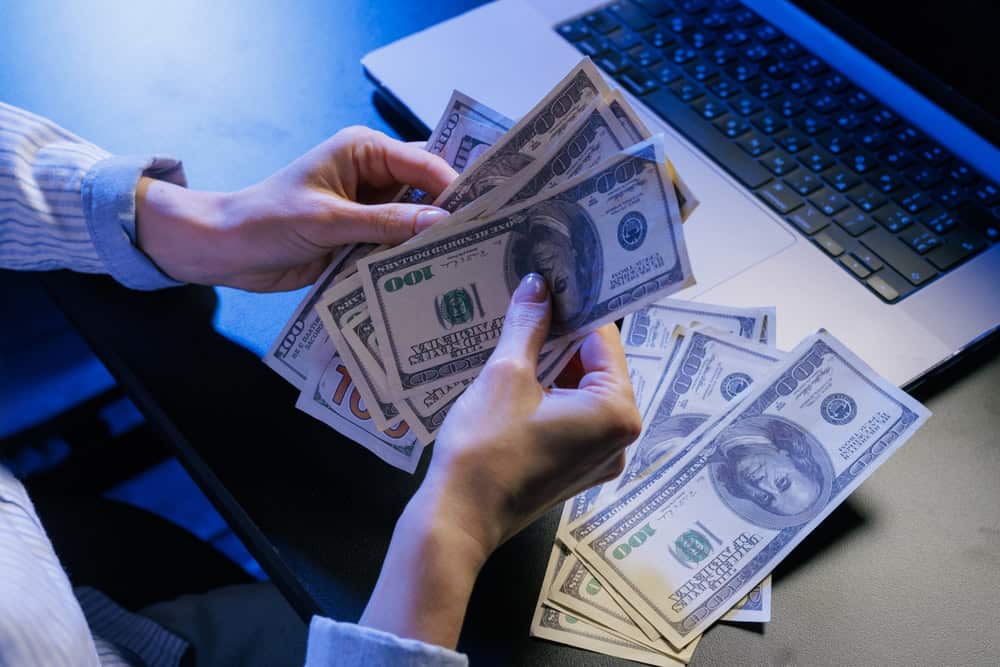
It is incredibly easy to overspend when your money feels like an invisible concept floating in the digital cloud. Handing over a crisp twenty-dollar bill registers in your brain much faster than a quick swipe of plastic. People are realizing that physically watching their wallet empty out is the best trick for keeping spending in check.
You set a specific amount for the week, withdraw it from the ATM, and stop spending when the bills run out. This physical boundary puts a hard stop on those accidental splurges that completely wreck your financial goals. It feels a bit old school, but this tried-and-true method genuinely keeps families from drowning in debt.
Dodging Those Pesky Credit Card Surcharges

Have you noticed those little signs at the register warning you about an extra three percent fee for using credit? Small businesses are passing their processing costs onto the consumer, and those tiny fees add up to a small fortune. By keeping bills in your pocket, you bypass these sneaky charges entirely.
Nobody wants to pay an extra dollar just for the privilege of buying a morning cup of coffee. Grabbing your favorite latte with exact change feels like a mini victory against the big banking institutions. You get to support your favorite local barista while keeping a little extra change clinking in your own pocket.
Finding Comfort In Hard Currency During Uncertain Times

Economic jitters have a funny way of making us crave things we can actually touch and hold in our hands. An Empower survey revealed that 49 percent of Americans feel safer holding cash versus other investments. When the stock market does a terrifying nosedive, having physical bills stashed away provides a massive psychological safety net.
You never have to worry about a server crashing or a bank glitch freezing your access to physical dollars. Holding real money gives folks a profound sense of control when everything else feels completely chaotic. It acts as a reliable anchor that keeps financial anxiety at bay.
Protecting Personal Privacy At The Checkout Counter
Every time you use an app or card, massive corporations track your purchasing habits to sell you more stuff. According to the 2024 Federal Reserve Diary of Consumer Payment Choice, U.S. consumers made an average of 48 payments per month, with cash holding steady at 7 payments per month since 2020. Paying with paper money is the ultimate way to stay off the grid and keep your business private.
You might not want your health insurance provider to know exactly how many jelly donuts you buy on Sunday mornings. Using physical currency severs the digital paper trail and protects your most personal consumer habits. It is a perfectly legal and smart way to maintain your anonymity.
Negotiating Better Deals With Local Merchants
Mom and pop shops love paper money because it saves them from paying hefty interchange fees to credit card companies. If you flash a stack of bills for a large purchase, you can often haggle your way to a sweet discount. Merchants are usually thrilled to pass some of their savings right back to a paying customer.
This strategy works beautifully for everything from buying a used car to hiring a neighborhood plumber or electrician. Money talks, and having physical bills ready to go gives you incredible leverage at the negotiating table. You will be shocked at how quickly a price drops when greenbacks appear.
Managing Small Everyday Purchases With Ease
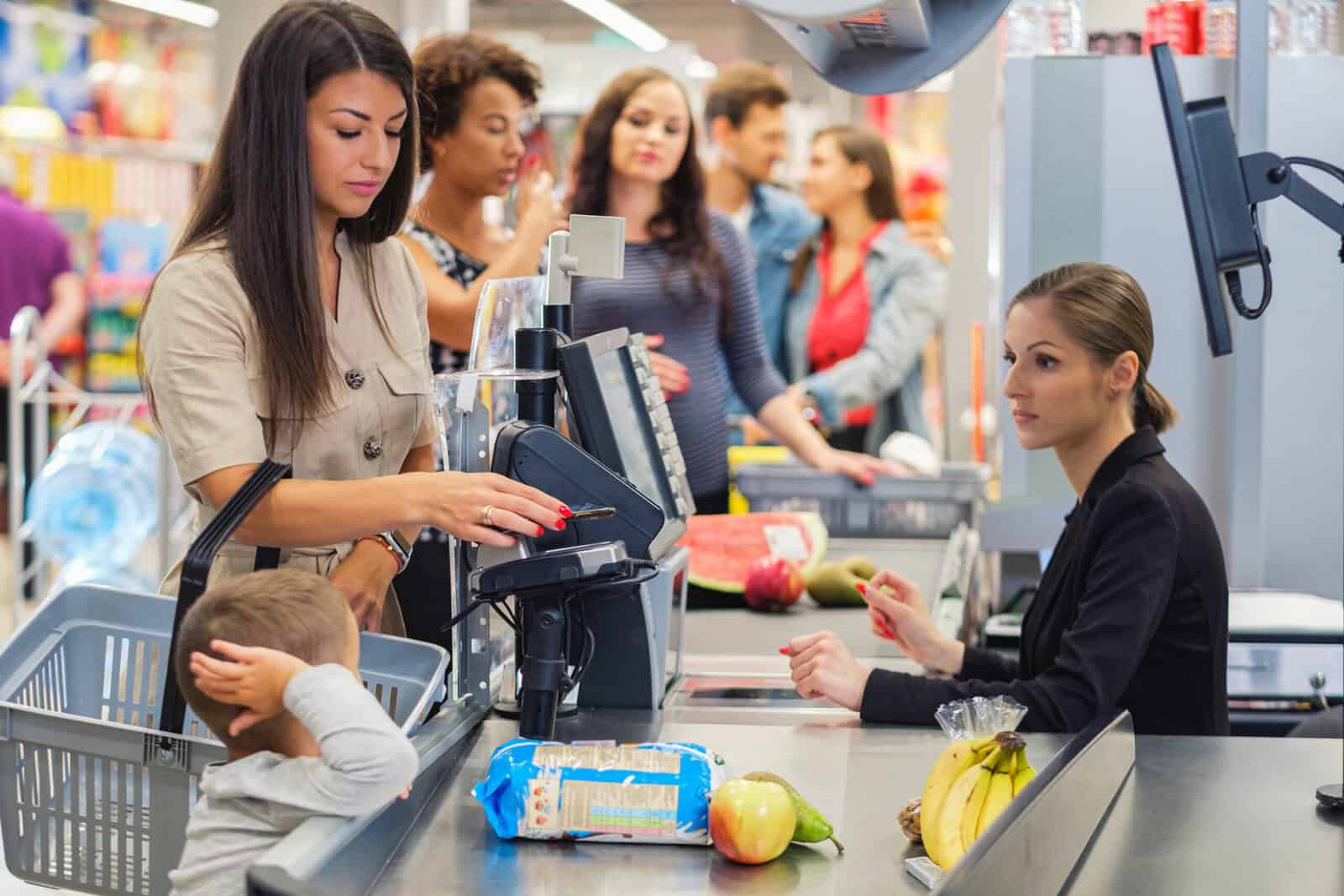
Swiping a piece of plastic for a pack of gum feels entirely unnecessary and, frankly, a little bit silly. Clearly Payments says the Federal Reserve reports that nearly half of all transactions under ten dollars (49%) are still made with physical money. Paper bills are simply faster and more practical for those quick stops at the convenience store.
You can toss a dollar into a tip jar or buy a candy bar without waiting for a machine to process. These micro transactions flow much more smoothly when you just hand over a few crumpled singles and walk away. It keeps lines moving quickly and saves everyone a huge headache.
Teaching Kids The Real Value Of A Dollar

Children have a terrible time grasping the concept of money when it only exists as numbers on an iPad screen. Handing a child a physical allowance teaches them exactly how currency works in the real economy. They can visibly see their piggy bank growing or shrinking based on their own choices.
If they blow all their quarters on arcade games, they instantly realize their funds are totally gone. This tactile learning experience builds strong financial literacy skills that will benefit them for their entire lives. You simply cannot replicate that profound lesson with a digital transfer.
Preparing For Unexpected Power Outages And Emergencies
Natural disasters and severe storms can knock out the power grid and render digital payment terminals completely useless. Federal Reserve data shows 14% of all consumers’ payments were made in cash in 2024. Folks are keeping larger emergency stashes at home because they know card readers need electricity to function.
If a hurricane hits your town, you will still need to buy bottled water and basic supplies from local vendors. Having a solid stack of bills tucked away guarantees you can feed your family during a major crisis. It is the ultimate insurance policy against modern technological failures.
Avoiding The Temptation Of Impulse Buying

Online shopping makes it dangerously simple to purchase things you do not need with a single click of a button. A recent Empower survey revealed that 52 percent of Americans say cash is king, marking a massive jump from 17 percent the previous year. This resurgence proves people want to break free from frictionless spending habits.
If you have to physically drive to a store and hand over bills, you will second-guess that random purchase. Adding a little friction to the buying process stops those late-night shopping sprees dead in their tracks. You end up keeping more of your hard-earned paycheck where it belongs.
Providing Essential Support For Unbanked Communities

Not everyone has the luxury of holding a traditional checking account or a shiny rewards credit card. According to the FDIC National Survey, 66.2 percent of unbanked U.S. households rely entirely on cash to conduct their transactions. Keeping paper money circulating guarantees that marginalized groups can still participate fully in the local economy.
A completely cashless society would immediately shut millions of hardworking citizens out of basic grocery stores and pharmacies. By continuing to spend physical bills, you help preserve a financial system that works for absolutely everyone. It is a simple act of solidarity that keeps our communities strong and inclusive.
Escaping The Trap Of High Interest Rates
Credit cards are fantastic tools until you miss a payment and get hit with an exorbitant annual percentage rate. Relying on physical money guarantees you will never pay another dime in ridiculous interest charges to a bank. You are only spending what you actually possess at that exact moment.
The stress of watching a revolving balance grow month after month can literally keep you awake at night. Adopting a cash-only lifestyle instantly eliminates the heavy burden of consumer debt and financial anxiety. It is an incredibly liberating feeling to know you owe absolutely nothing to anyone.
Enjoying The Simple Satisfaction Of Tangible Money
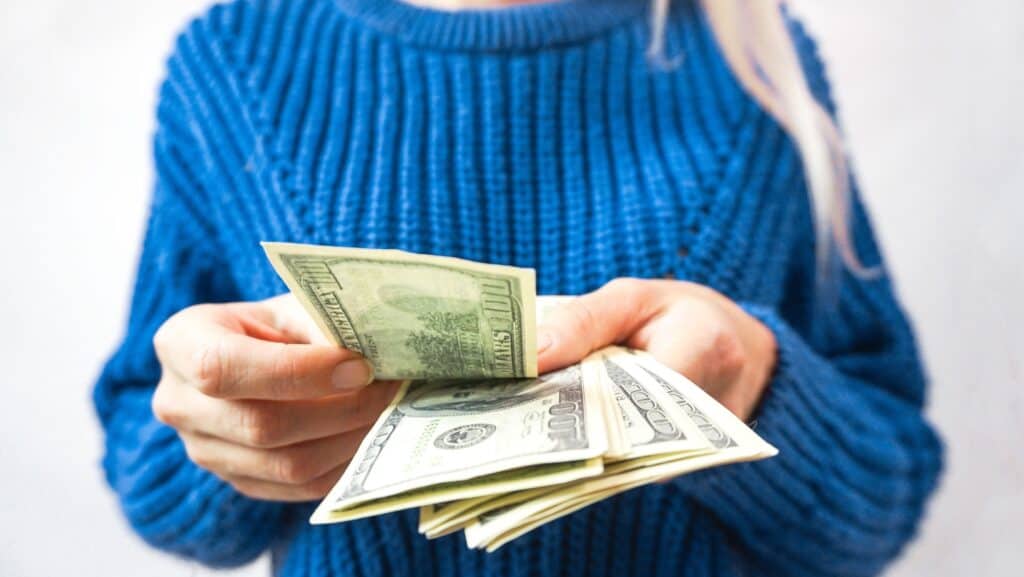
There is an undeniable psychological thrill that comes from holding a crisp stack of newly printed bills. The distinctive smell and texture of physical currency connect us to our work in a deeply visceral way. It feels like a genuine reward for all the long hours you put in at the office.
Digital numbers on a banking app simply lack the character and historical weight of a real dollar bill. We are returning to physical money because it grounds us in reality and brings a touch of nostalgia. Sometimes the old ways genuinely turn out to be the best ways after all.
Like our content? Be sure to follow us