10 reasons why things are feeling more expensive than ever
As prices stay elevated, it’s worth asking: Are we adjusting to a new normal, or is this temporary discomfort?
According to the consumer price index, prices in the U.S. are about 26% higher than before the pandemic, and even though inflation is slowing, it’s not returning to pre-2019 levels. Grocery bills, gas, and rent are all starting from a higher baseline, making everything feel more expensive.
So, why does it feel like prices are still soaring? It’s a mix of wages not keeping up, energy costs spiking, and the psychological impact of constant price hikes. Here are the top reasons why things aren’t getting any cheaper anytime soon.
Prices Are Up 20–30% vs. 2019

Even though inflation is “cooling” (which just means the rate of price increases has slowed, not that prices are dropping), we’re still facing higher costs across the board. Consumer prices are about 26% higher than they were before the pandemic, meaning every trip to the supermarket or gas station now starts from a much higher baseline than in 2019.
The reality: It’s not just your imagination; prices are staying higher than what you’re used to.
The Pandemic Shock Never Fully Unwound

Remember the global supply chain chaos during the pandemic? Well, it’s still lingering. Covid created product shortages and shifted consumer demand toward goods like home office equipment and delivery services. These changes pushed prices up, and many of those hikes stuck around.
The kicker: Labor shortages and higher wages pushed businesses to raise prices, and those increases didn’t come back down after shelves refilled.
Housing and Rent Are Eating Bigger Chunks of Income

After 2020, rents and home prices soared in many areas, leaving people spending a much larger share of their income just to keep a roof over their heads. The issue is that rent increases have outpaced wage growth, leaving people feeling the squeeze, even as inflation numbers are starting to cool.
The bottom line: If housing costs are going up faster than your paycheck, it doesn’t matter if the rest of the economy is improving.
Also on MSN: 10 ways today’s economy was built to fail Gen Z
Energy and Food Inflation Hit the Most Visible Essentials
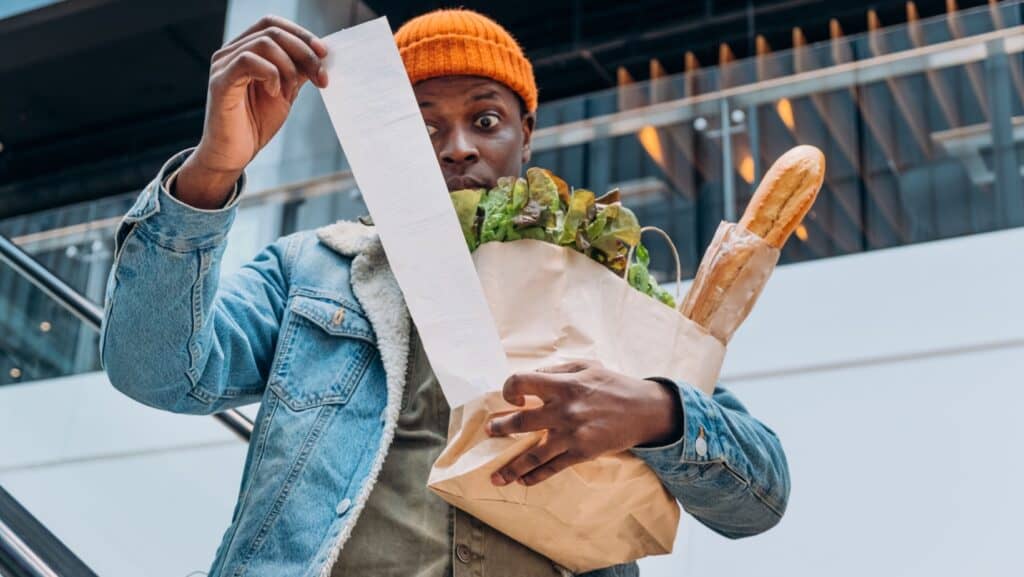
Have you noticed that energy bills and grocery store prices are now consistently higher? Energy costs spiked in many countries, and because gas and utility bills are things we see regularly, those hikes hit us harder than the less-visible areas of inflation.
And then there’s food: Food and beverage prices jumped more than 20% in just four years after 2020, making weekly grocery trips a lot more expensive.
Wages Didn’t Keep Up With the Price Surge

This one’s a biggie: even though many people got pay raises, those raises didn’t come close to keeping pace with the rate of inflation. This means that real purchasing power has decreased, even if your paycheck is a little higher than it was a year ago.
Who’s feeling it the most? Low-income, rural, and older households that spend a larger share of their budgets on essentials like food, transport, and energy (all of which saw steep price increases).
High Interest Rates Make Everything Financed Feel Pricier
Central banks hiked interest rates to curb inflation, which means it’s now more expensive to borrow money. Whether you’re financing a car, a home, or just carrying a balance on your credit card, higher interest rates lead to higher monthly payments.
The result: People feel like they’re spending more, even if their income hasn’t changed, because more cash is going toward interest instead of things like goods or experiences.
“Inflation Overhang” Keeps Consumer Anxiety Elevated

Even though inflation has cooled from its 2022 peak, consumer anxiety remains high. This phenomenon, called “inflation overhang,” occurs when people take months (or even years) to emotionally adjust to higher price levels.
The impact: Many people still worry about rising prices, as it feels like a permanent part of life, even though official numbers suggest the worst is over.
Our Brains Are Wired to Fixate on Painful Price Hikes

Let’s talk psychology. According to behavioral experts, we mentally anchor on the first/old prices we remember, so when prices go up, they stick in our memory. Add in negativity bias (we’re more likely to remember negative events), and you get the emotional weight we place on price hikes, especially on frequent purchases like gas and groceries.
Why does it feel worse? We’re constantly reminded of the higher prices, but we don’t notice the areas where prices have stabilized or even dropped.
The Squeeze Isn’t Evenly Distributed

It’s not just the average person feeling the squeeze; low-income and rural households are getting hit the hardest. These groups tend to spend a larger share of their budget on essentials, and since food, energy, and transportation costs saw the sharpest increases, their purchasing power has been more severely impacted.
The result: Some households have experienced greater real income losses, amplifying the sense that everything is unaffordable.
Economic Uncertainty and Policy Shifts Amplify the Stress
As if the price hikes weren’t enough, economic uncertainty and shifting policies add to the stress. Trade tensions, tariff threats, and new policies have created a climate where businesses are more likely to pass higher costs onto consumers, while recession risks continue to loom.
Key Takeaway
So, why is everything so expensive right now? It’s a mix of inflation, labor costs, supply chain issues, and a whole bunch of other factors that are out of our control. But knowing what’s behind the price hikes can help you stay informed and maybe even plan a little better for the future.
Hang in there, hopefully, things will calm down soon. Or at least we can hope! Fingers crossed.
Disclosure: This article was developed with the assistance of AI and was subsequently reviewed, revised, and approved by our editorial team.
Like our content? Be sure to follow us