Why America’s grocery panic is just getting started
The grocery store used to be one of those ordinary places where life held itself together. A cart, a list, a few familiar brands, something for dinner, something for the kids, something small that felt like comfort. Now, for many families, that same cart feels like a quiet test of endurance.
America’s grocery panic is not coming from one single shock. It is building from prices that rise in small, stubborn ways, packages that shrink without warning, weather that disrupts crops, tariffs that add hidden costs, and safety nets that feel thinner just as more households need them. For women who often carry the meal planning, caregiving, budgeting, and emotional labor of keeping a household fed, the pressure lands with a particular weight.
This is not just about expensive coffee or beef. It is about the mother putting something back while pretending it was not needed. It is about the grandmother stretching dinner one more night. It is about the single parent doing mental math in aisle seven while the headlines say inflation is cooling. These are the grocery red flags making Americans feel like the next panic is already waiting at the checkout line.
Food Inflation Looks Calmer on Paper Than It Feels in Real Life
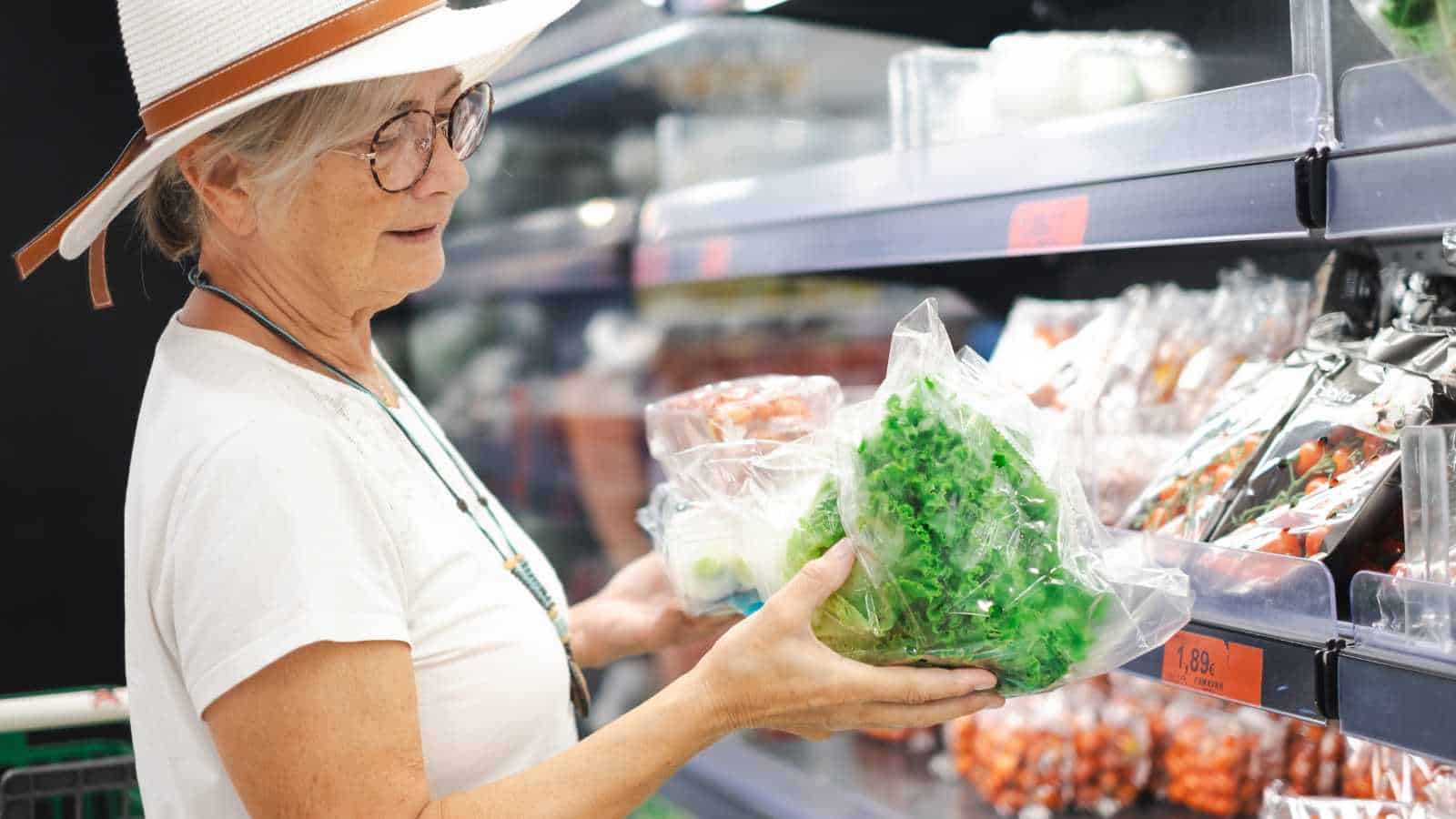
Official inflation reports may show that food price increases have cooled from the worst spikes of 2022 and 2023, but shoppers are not paying from an old price base. They are paying from the new one. USDA data showed food prices in April 2026 were still 3.2% higher than a year earlier, with grocery store prices also up. That sounds small until it lands on milk, bread, fruit, cereal, meat, snacks, and the food a family buys every single week.
That is why so many shoppers feel confused when they hear that inflation is “better.” Better does not mean affordable. Better does not mean the cart looks full again. For the woman trying to pack lunches, cook dinner, care for elders, and stay within a budget that no longer stretches, a small percentage can feel like another door closing. The official number may soften, but the receipt still tells the truth.
Sticker Shock Has Become a Weekly Ritual

Grocery anxiety gets worse when people can name the exact items hurting them. It is not vague anymore. It is orange juice, ground beef, coffee, tomatoes, cereal, chicken, bread, bacon, and the small staples families used to grab without thinking twice. Recent grocery price tracking has shown sharp year-over-year increases for several everyday items, turning routine shopping into a weekly reminder that the old normal is gone.
That visible shock changes behavior. People pause longer in front of shelves. They compare ounces. They reach for store brands. They skip fresh food for cheaper fillers. They text a partner from the aisle to ask if something is “worth it.” This is where grocery panic becomes emotional, because food is not an optional luxury. It is care, culture, comfort, memory, and survival packed into a cart.
Food Insecurity Is Turning Anxiety Into Fear

The grocery story becomes even heavier when we look beyond middle-class frustration. In 2024, 13.7% of U.S. households were food insecure, meaning millions of people did not always have reliable access to enough food. FRAC’s summary of USDA data reported that 47.9 million people lived in food-insecure households, including 14.1 million children. For families already standing near the edge, every new price increase feels less like an inconvenience and more like a danger.
The burden is not evenly shared. Food insecurity remains especially high among households headed by single mothers, along with Black and Latino families and communities with fewer local resources.
Shrinkflation Is Making Shoppers Feel Played

Even when shelf prices stop jumping, many shoppers notice that the box feels lighter, the bag looks smaller, or the package runs out faster. That is shrinkflation, and it has become one of the most frustrating grocery tricks because it makes people question their own eyes. Capital One Shopping’s 2025 analysis said shrinkflation has affected roughly a third of grocery items, with some major brands cutting product sizes without cutting prices.
This is more than a pricing strategy. It erodes trust. A mother buying snacks for school lunches knows when the box does not last as long. A caregiver buying detergent knows when the bottle empties faster. A shopper who once trusted a brand now has to inspect every label like a detective. That quiet feeling of being fooled is powerful, and it feeds the panic that companies are changing the rules while families are just trying to eat.
Panic Buying Has Trained People to Fear Empty Shelves
Americans have lived through enough empty-shelf moments to develop a reflex. The pandemic did it. Baby formula shortages did it. Winter storms did it. Supply chain disruptions did it. Once people have seen bare aisles where toilet paper, milk, bread, formula, eggs, or bottled water should be, the memory stays in the body. The next warning, even a small one, can send shoppers rushing back to stock up.
That reflex makes grocery panic contagious. One person buys extra, then another sees the gap and grabs more, then someone posts a photo online, and suddenly the fear feels confirmed. For women managing households, that fear can feel deeply practical. It is not hoarding for drama. It is the memory of being responsible for children, elders, partners, pets, and meals when the store suddenly has nothing left to offer.
Grocers Are Under Pressure Too
Supermarkets are not operating in a calm world either. Industry data shows the U.S. supermarket and grocery store market remains massive, but grocers are dealing with price-sensitive shoppers, higher operating costs, competition, and pressure to protect margins. When transportation, labor, refrigeration, rent, energy, packaging, and spoilage costs rise, stores often have less room to absorb shocks quietly.
Consumers feel that pressure in subtle ways. Promotions become less generous. Favorite items disappear. Store brands take over more shelf space. Fresh displays look thinner. The shopping trip becomes less abundant and more strategic. For families, that can feel like another kind of loss. The store is still full of products, but the choice feels narrower, trust feels weaker, and the weekly cart feels like it takes more thought than ever.
Tariffs Are Adding Hidden Costs to the Cart
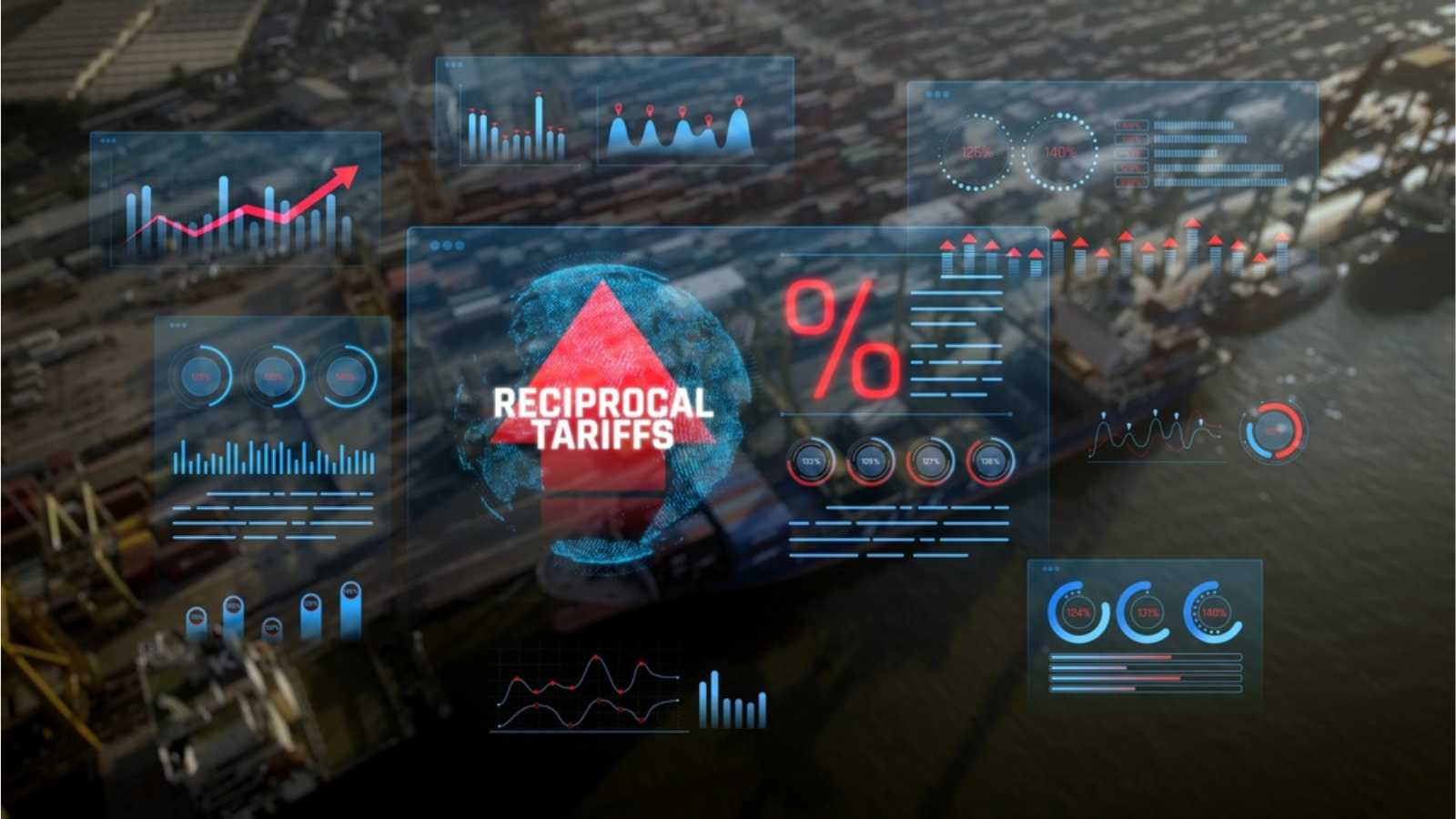
Tariffs can sound distant, like something discussed by economists and policymakers far away from the produce aisle. But when tariffs raise costs for imported ingredients, packaging, equipment, or finished goods, those costs can travel quietly through the supply chain. Brookings research on 2025 trade policy found that average U.S. tariff duties rose sharply, with most of the added burden passed through to U.S. importers.
That matters because grocery prices are built from many hidden pieces. A family may never think about packaging, equipment, imported coffee, canned goods, spices, chocolate, seafood, or ingredients used in processed foods. Yet those costs can show up on the shelf. The shopper only sees the final insult: one more item that used to be affordable now asking for a bigger share of the household budget.
Climate Shocks Are Making Food Prices Feel Less Predictable

Weather has always affected food, but climate pressure is making price swings feel more frequent and harder to ignore. Droughts, floods, freezes, heat waves, wildfires, and storms can damage crops, stress livestock, disrupt transportation, and raise production costs. USDA data has already shown sharp movement in farm-level categories such as vegetables and milk in 2026, which reminds shoppers how quickly supply pressure can travel into prices.
This is where grocery panic starts to feel bigger than budgeting. A freeze in one region can affect citrus. Drought can affect grain. Heat can stress cattle. Storms can delay trucks. Months later, a woman in a grocery aisle may pay more for orange juice, bread, milk, or meat without ever seeing the disaster that helped create the price. Climate change can feel abstract until it arrives as a smaller cart and a higher total.
The Safety Net Feels Less Certain
Food panic grows when families feel that help may not arrive in time. USDA’s Household Food Security Report has long been one of the country’s key tools for tracking hunger, but the decision to end future reports raised concern among food advocates. When national hunger data becomes less visible, it becomes harder to understand who is struggling, where support is needed, and how programs like SNAP and WIC are holding up against grocery costs.
That uncertainty lands hard on families already stretched thin. Food assistance is not an abstract policy debate to the woman choosing between groceries and rent. It is breakfast before school. It is formula. It is dignity at the checkout line. When the systems meant to measure hunger become weaker or less transparent, people lose more than data. They lose a piece of the public witness that says their struggle counts.
Shoppers Are Losing Trust in Brands
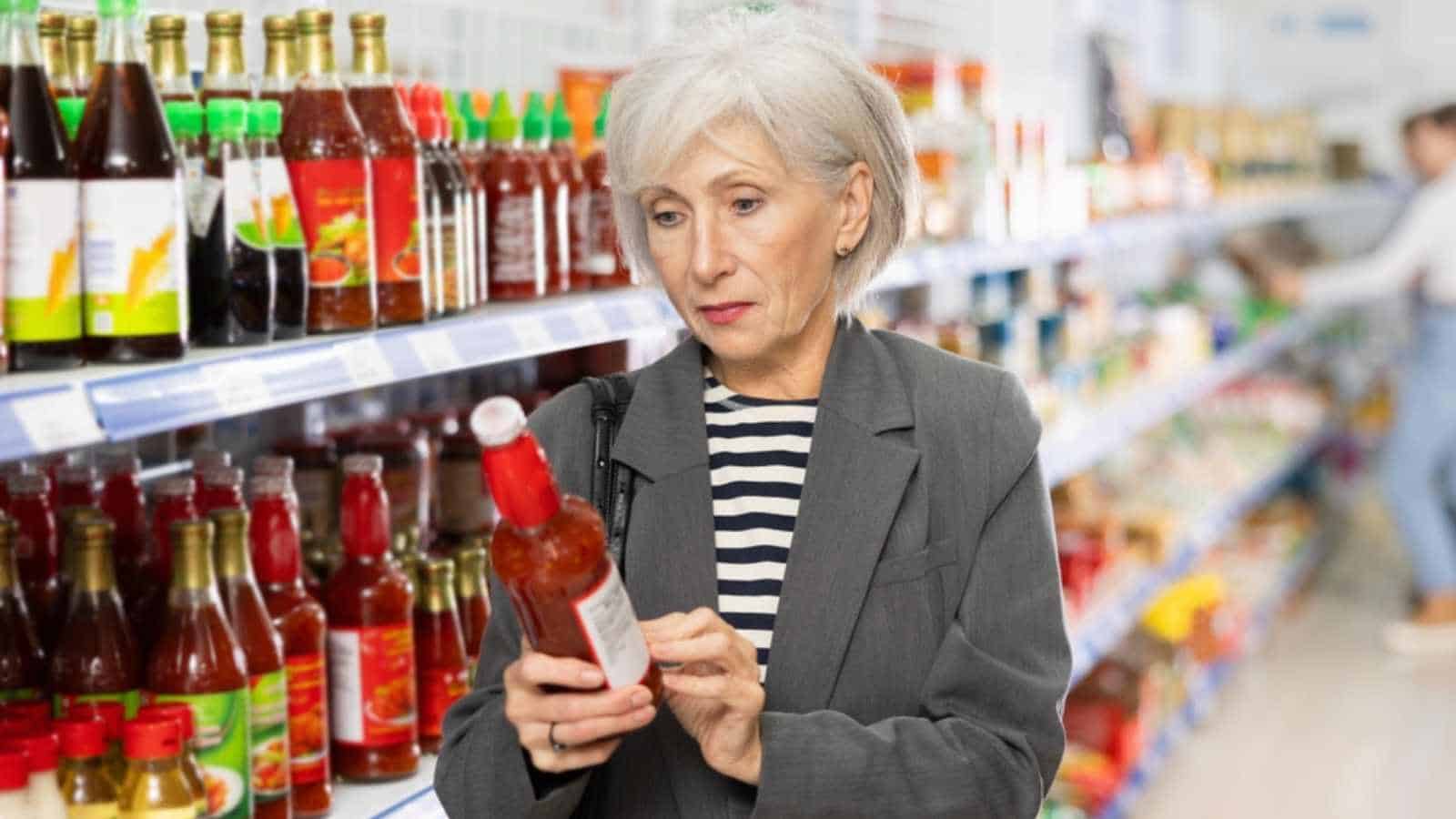
Trust is fragile in the grocery aisle. Once shoppers believe brands are shrinking packages, raising prices, reducing quality, or hiding changes in plain sight, they become defensive. Capital One Shopping reported that a large majority of Americans have noticed shrinkflation, especially in grocery categories. That means people are no longer just shopping. They are watching, comparing, calculating, and wondering who is trying to get more from them for less.
This emotional shift matters. A shopper who trusts the store buys with some ease. A shopper who feels tricked buys with suspicion. She checks unit prices. She avoids old favorites. She stocks up when she sees a sale because she no longer trusts the price will stay. That defensive behavior can look like bargain hunting, but underneath it is something more tender: the fear of being squeezed again.
Families Are Spending More and Bringing Home Less
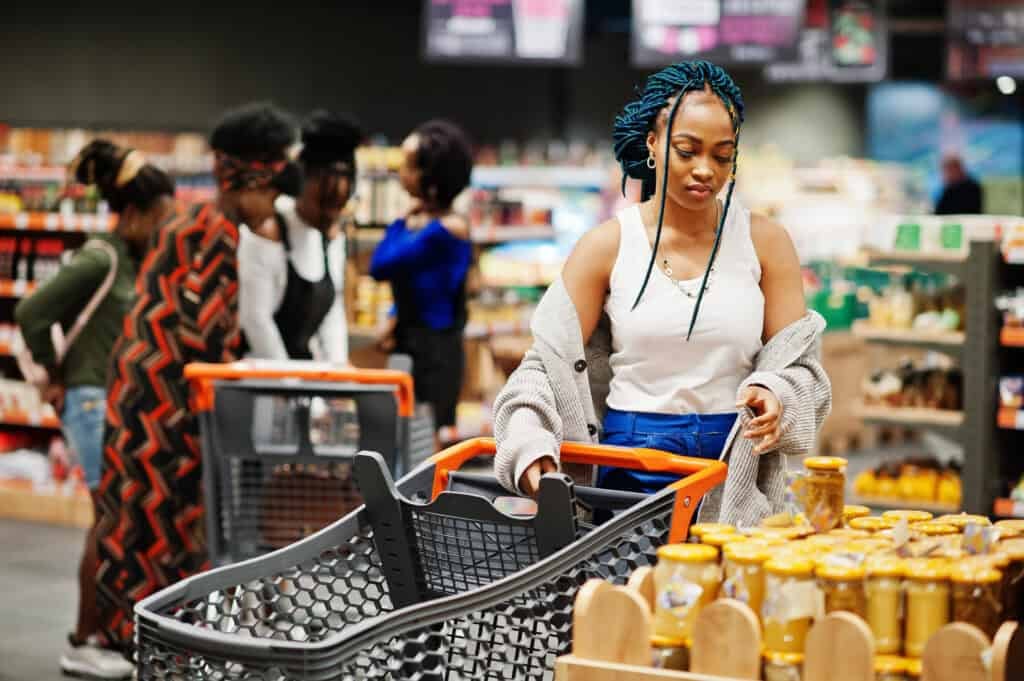
One of the cruelest grocery red flags is the feeling of paying more and carrying less. Many households have already cut back, switched brands, reduced fresh food purchases, or skipped items they once considered basic. A cart that used to cover the week may now look like it belongs to a smaller household. The receipt climbs anyway, creating the kind of resentment that does not fade after the bags are unpacked.
This is the part of grocery inflation that numbers do not always capture. It changes meals. It changes what children find in lunchboxes. It changes how women plan, substitute, stretch, and apologize for what is missing. It turns cooking into calculation. It turns comfort food into a budget decision. It turns a full pantry into something that feels more fragile than it should in one of the richest countries in the world.
Experts Warn the Panic Era Is Not Over
Food economists and industry watchers increasingly describe grocery pressure as more than a temporary spike. The forces behind it are layered: inflation, tariffs, climate shocks, supply chains, brand pricing strategies, consumer distrust, and weaker household budgets. Even when one pressure cools, another can flare. That creates an unstable mood around food shopping, where people feel one disruption away from another wave of panic.
The danger is not only higher prices. It is the emotional training that comes with them. Families learn to expect less. Shoppers learn to distrust labels. Parents learn to buy extra when they can. Women learn to carry out more invisible planning because someone has to keep the household fed through uncertainty. That is how a grocery crisis becomes part of daily life, not as one big disaster, but as a thousand small calculations.
Final Thoughts
The grocery panic building across America is not imaginary. It is the sound of families adjusting to a food system that feels more expensive, less transparent, and more vulnerable than it used to be. The red flags are everywhere: higher prices, smaller packages, weakened trust, fragile supply chains, climate shocks, tariffs, food insecurity, and safety nets that feel less certain.
For women, especially those holding households together, this pressure is not just financial. It is emotional labor. It is planning, stretching, noticing, sacrificing, and trying to make scarcity feel less scary for everyone else. The grocery cart has become a quiet record of what families are carrying. The question now is how long they can keep carrying it alone.
Disclaimer – This list is solely the author’s opinion based on research and publicly available information. It is not intended to be professional advice.
Like our content? Be sure to follow us