Gas is climbing again as Hormuz shuts: The 15 states where drivers feel it first
Think about it: walking up to your car, keys in hand, dreaming of a weekend getaway, only to be rudely greeted by the gas pump. It grabs your wallet by the collar, looks you dead in the eye, and demands a premium just to get you to the grocery store.
You aren’t imagining things. According to AAA Fuel Prices, the national average price for a gallon of regular gasoline was $3.992 on July 18, 2026. In the middle of peak road-trip season, camp drop-offs, and daily commutes, our fuel budgets are taking a massive hit. Iran recently closed the Strait of Hormuz amid intensifying conflicts with the U.S., choking off a vital global oil bottleneck and sending shockwaves straight to your local filling station.
While everyone is feeling the pinch, drivers in a handful of states are getting hit much harder. Let’s look at the states where high pump prices, wild market swings, and vulnerable supply lines are giving global oil shocks an extra-sharp bite.
California breaks the ceiling

California breaks the ceiling. On July 18, AAA pinned the state’s regular gasoline average at $5.459 a gallon, the highest price in the continental nation. Drivers here start with a punishing financial baseline before global tensions add another layer of pressure. Because the state operates an isolated fuel market and mandates a rare, cleaner-burning blend, it faces grueling waits for overseas replacement cargoes.
These bottlenecks eliminate quick substitutes whenever a refinery stumbles or a shipping lane chokes. A parent driving to work, school, and grocery stores watches a normal week swallow cash without adding a single mile. As global oil surges, California races toward a breaking point that could reshape how everyone survives the daily commute.
Alaska pays for distance
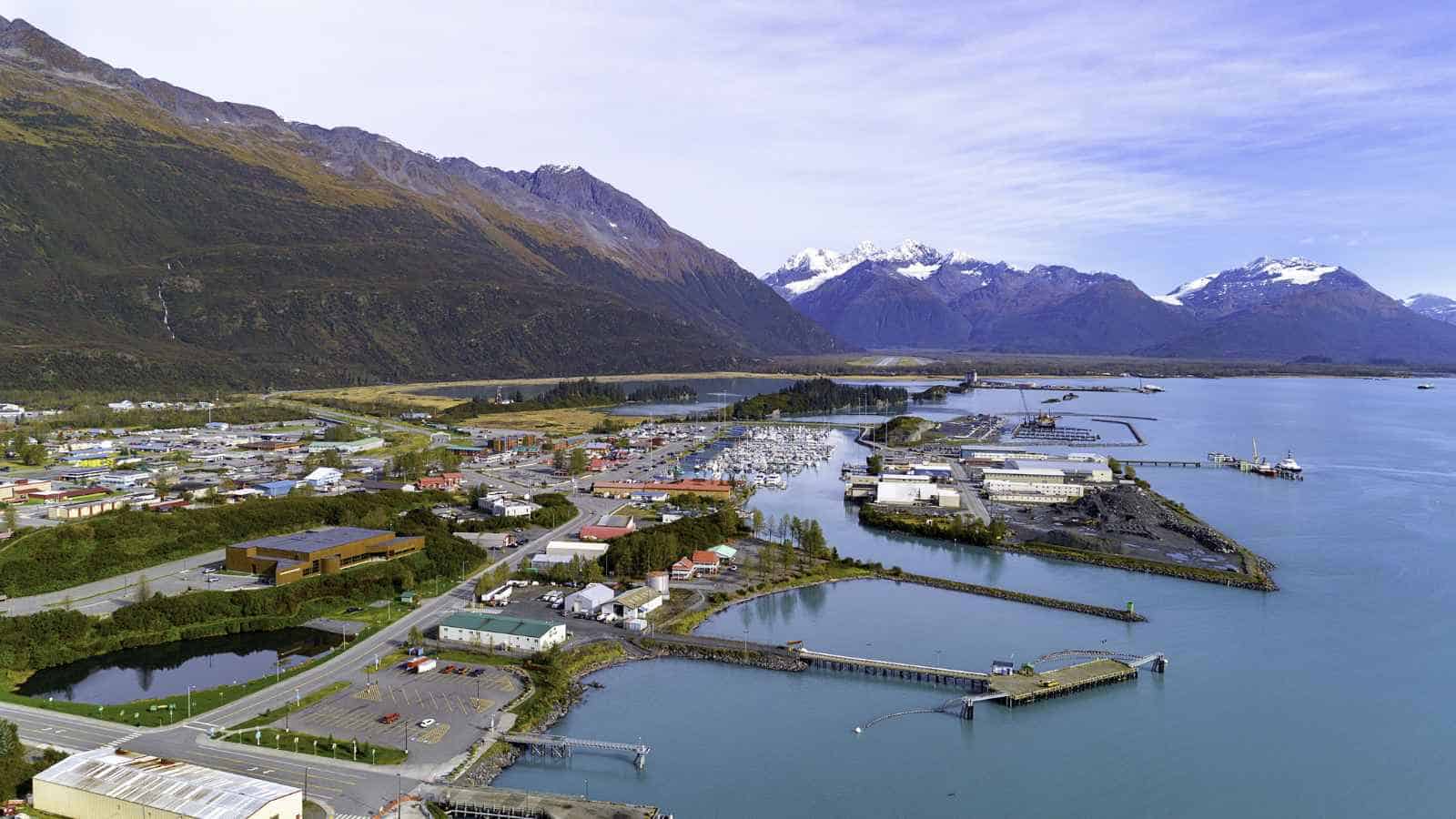
AAA recorded Alaska’s regular average at $4.666 a gallon on July 18, well above the national figure. The state produces oil, yet crude production alone does not guarantee cheap gasoline at local stations. The U.S. Energy Information Administration notes that a large facility in Kenai, Marathon Petroleum’s Nikiski refinery, supplies the vast majority of motor gasoline and jet fuel to Alaska’s road system.
Trucks, barges, aircraft, storage, weather, and long distances all add expense after refineries turn crude into usable fuel. A global oil shock can raise the starting cost, and Alaska’s logistics then add more charges on top. Households in remote areas often have fewer nearby stations and fewer travel alternatives, so even a modest jump can hit food trips, medical visits, and work travel hard.
Washington catches the West Coast wave

Washington drivers face a painful new reality at the pump. AAA pegged the state’s regular gas average at $5.003 a gallon, locking Washington into an expensive club as the third state to cross the $5 threshold. The root of the problem lies in the West Coast’s isolated fuel system, which operates almost entirely cut off from the nation’s major refining hubs.
When regional refineries cut production or overseas crude prices spike, suppliers cannot easily rescue local markets. The resulting shock hitches a ride on daily commutes and summer road trips. Washington sits thousands of miles from the Middle East, yet a volatile global oil market triggers instant local checkout-line anxiety.
Nevada feels the road-trip squeeze
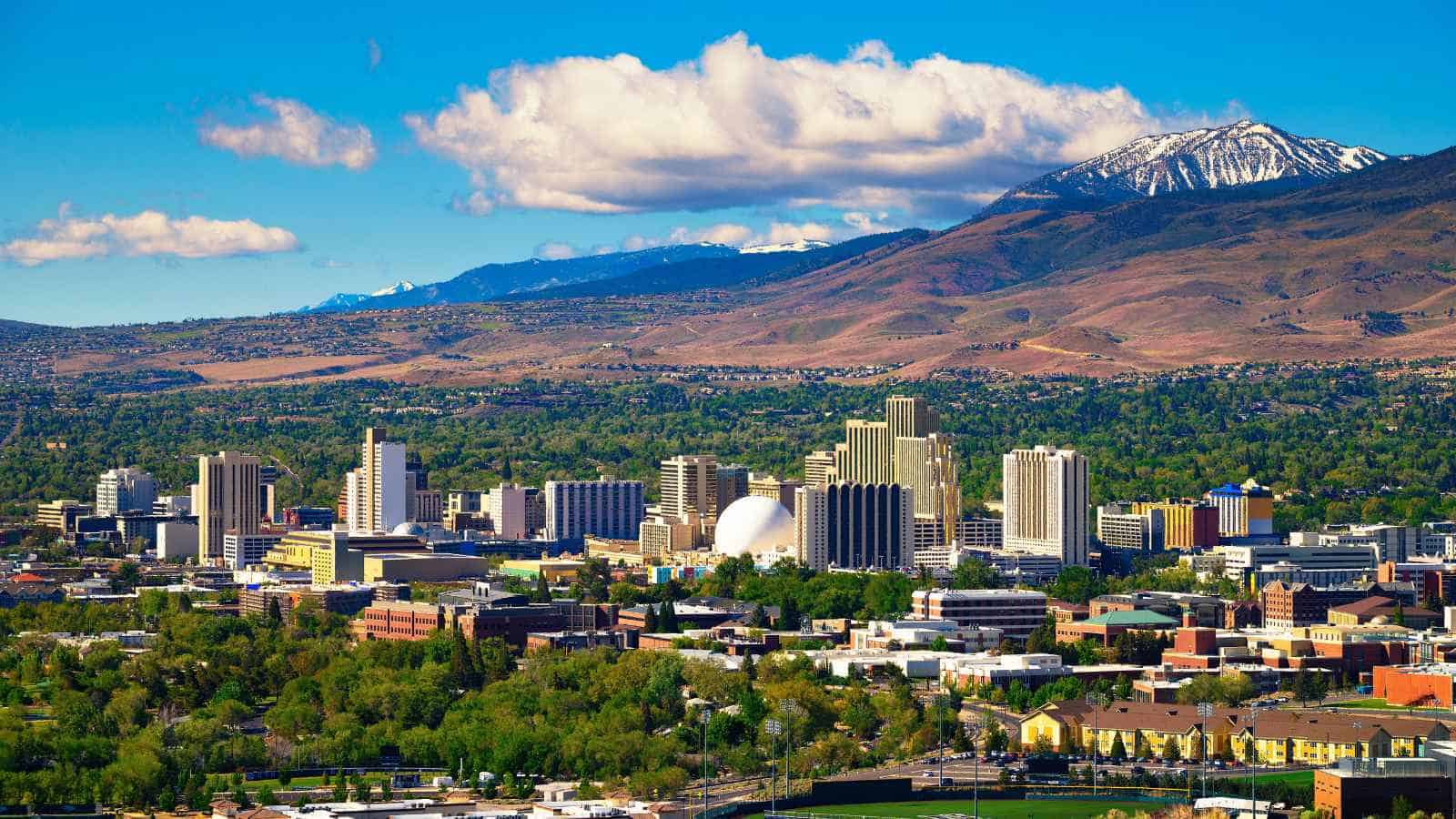
AAA placed Nevada’s regular average at $4.591 a gallon on July 18, far above the U.S. average. Nevada receives part of its transportation fuel through the same western network that serves California and nearby states. Nevada Appeal reports that California supplies roughly 88% of Nevada’s transportation fuel, including gasoline, diesel, and jet fuel, with the remainder primarily arriving from Utah.
Families heading across long desert routes cannot count on frequent stops, so they often buy fuel where the road demands it rather than where the price looks best. Hormuz adds pressure at the crude level, while Nevada’s regional dependence can carry that pressure straight into road-trip budgets.
Hawaii pays the ocean premium

Hawaii pays a steep ocean premium. AAA listed Hawaii’s regular average at $5.431 a gallon on July 18, placing the islands just behind California. Hawaii cannot draw emergency fuel from a neighboring interstate pipeline, and geography means every shipment takes a long ocean journey.
Higher tanker insurance, slower Gulf traffic, and global cargo competition therefore reach island consumers with little cushioning. Families already pay more for many shipped goods, so another fuel increase spreads fast through grocery delivery, tourism services, construction, and household travel. In Hawaii, Hormuz pressure arrives through the pump and then ripples across the entire cost of daily life. Remote island reality offers zero margin for global oil shocks.
Oregon inherits regional tightness

AAA listed Oregon’s regular average at $4.546 a gallon on July 18, keeping the state firmly inside the nation’s high-price group. Oregon draws fuel through a West Coast market with limited links to Gulf Coast refining centers. The U.S. Energy Information Administration shows the West Coast fuel market has undergone a significant structural shift as regional refining capacity has plummeted.
Hormuz disruption can therefore raise crude costs and, at the same time, make replacement cargoes more expensive. Oregon drivers often cover long distances between cities, suburbs, coastal towns, and rural communities, so many households cannot simply erase miles from the week. The state may avoid California’s unique blend rules, but it still inherits the region’s tight supply options and expensive freight lanes.
New York adds urban pressure

New York gas prices averaged $4.131 a gallon on July 18, outpacing the national mark and squeezing drivers across the state. The East Coast commands America’s largest gasoline demand, yet local refineries produce very little fuel.
This deep mismatch forces the region to rely heavily on distant pipelines, coastal shipments, and foreign imports. Because New York mixes brutal gridlock with long suburban commutes, rising costs strike wildly diverse households simultaneously. Higher crude prices inflate expenses for delivery fleets, ride-hailing drivers, and families long before retail stores adjust their shelves.
Indiana swings fast

AAA put Indiana’s regular average at $3.368 a gallon on July 18, one of the lowest prices in this group. The lower starting point can hide the state’s real risk: Indiana often posts abrupt retail swings after wholesale costs change. A GasBuddy market analysis states Indiana recorded the highest single-state weekly increase nationwide, as state averages surged by 84 cents per gallon to reach $4.40. That pattern matters because families plan around the price they saw yesterday, not the price analysts expect next week.
A sudden reset can add a noticeable amount to a minivan, pickup, or SUV fill-up before drivers have time to adjust. Indiana shows why the “first hit” does not always belong to the state with the highest sign; sometimes it belongs to the state with the fastest jump.
Illinois flashes a Midwest warning

Illinois drivers are taking a massive hit at the pump. On July 18, AAA tracked the state’s regular fuel average at a staggering $4.157 a gallon, marking one of the nation’s steepest costs outside the coasts. Because Illinois anchors the entire Midwest’s trucking, rail, and manufacturing networks, this price spike quickly ripples far beyond the family sedan.
Localized refinery bottlenecks and sudden distribution squeezes regularly trigger chaotic pricing shifts across Chicago neighborhoods. For most families, the real crisis hits in the agonizing gap between a station resetting its sign and the next paycheck arriving. The current surge signals a brutal reality: global crude supply shocks are colliding with local market shortages.
Ohio changes overnight

AAA listed Ohio’s regular average at $ 3.90 per gallon on July 18, just below the national figure. Data from GasBuddy highlights that Ohio is frequently ranked as one of the states hardest hit by severe gas price spikes. The state’s price-cycling pattern can produce sudden changes across many stations in the same market. That speed puts pressure on workers with long commutes and parents who juggle several daily stops.
A household may absorb a sharp increase before it can move errands, change a route, or trim another expense. Ohio proves that the rate of change can matter as much as the final number, especially when a global oil headline reaches local signs in a matter of days.
Michigan feels freight costs

Michigan feels the freight costs. AAA recorded Michigan’s regular average at $4.158 a gallon on July 18, almost level with Illinois. Higher fuel prices hike the cost of moving vehicles, parts, food, and manufactured goods across the state. Stations hold prices steady before jumping together in response to wholesale shifts, forcing drivers to endure sudden retail resets.
Geopolitical tensions in the Strait of Hormuz raise the global crude baseline, while regional refinery bottlenecks amplify local spikes. Families feel this squeeze during commutes, school travel, and lake trips. These pressures turn Michigan into a warning light for inland fuel inflation.
Texas proves refining cannot shield drivers.

AAA put Texas’s regular average at $3.567 a gallon on July 18, still below the national average. According to data from the U.S. Energy Information Administration, the U.S. Gulf Coast PADD 3 accounts for 55% of the total U.S. petroleum refining capacity.
Global crude prices account for a major share of the refinery input bill, and U.S. refiners also sell products into international markets. That means Texas drivers can feel a world supply crunch even while they live beside enormous refineries. Pickup-heavy households and long suburban commutes make fast increases especially visible, so Texas feels the crisis through speed rather than the nation’s highest absolute price.
West Virginia takes a harder hit

West Virginia drivers face a brutal reality at the pump. On July 18, AAA tracked the state’s regular gas average at $3.823 a gallon, turning a moderate national price bump into a sharp household crisis. Rugged, rural geography makes this sudden spike nearly impossible to dodge.
Most residents travel long distances for basic necessities such as work, school, grocery shopping, and critical medical care. Because reliable public transit options simply do not exist across the vast majority of the state, families cannot switch to buses or trains. They already combine their errands into single, calculated routes. With no remaining miles left to trim, every extra cent forces painful choices.
Florida feels the shipping squeeze

AAA fuel prices put Florida’s regular average at $3.952 a gallon on July 18, only a few cents below the national mark. According to Newsweek, Florida experienced some of the highest state-level spikes in gasoline prices during the first wave of the Strait of Hormuz disruption. The state depends heavily on road travel for tourism, service work, family life, and freight movement across a long peninsula.
Drivers keep covering miles even after station signs climb, which lets higher wholesale costs pass through with plenty of demand still present. Marine fuel flows and Gulf Coast market conditions also connect Florida to wider shipping risks. A fresh Hormuz shock can therefore show up during airport runs, beach trips, hurricane preparation, and the ordinary drive to work.
Utah shows inland exposure

With Utah’s regular gas averaging $4.009 a gallon on July 18, drivers feel every single spike. Fast-growing suburbs and extensive recreational routes force families to rely on personal vehicles. Crucially, the state relies on a locked Western fuel market with few direct ties to massive Gulf Coast supply lines. Because of this isolated infrastructure, Utah remains acutely vulnerable to global energy disruptions.
Disruptions in the Strait of Hormuz immediately spike worldwide crude costs, and regional supply crunches magnify the pain. Inland geography offers zero shelter once the shock wave hits local refineries, pipelines, and wholesale contracts. The true bottleneck is just beginning to tighten, threatening even higher prices at the pump next week.
Disruptions in the Strait of Hormuz immediately spike worldwide crude costs, and regional supply crunches magnify the pain. Inland geography offers zero shelter once the shock wave hits local refineries, pipelines, and wholesale contracts. The true bottleneck is just beginning to tighten, threatening even higher prices at the pump.
Key takeaway

California, Hawaii, and Washington absorb the heaviest price shocks first, while Indiana, Ohio, and Texas prove how quickly cheaper markets spike. Tight western supply limits squeeze Oregon and Nevada, while dense commuting demands across New York and Michigan amplify the pain.
A supply disruption in the Strait of Hormuz sits thousands of miles away, yet it instantly dictates the cost of your entire grocery budget. Station signs already reflect this panic, but a prolonged bottleneck in global tanker traffic threatens to trigger a critically severe crisis. As fuel reserves dwindle, the imminent damage is only beginning.
Disclaimer – This list is solely the author’s opinion based on research and publicly available information. It is not intended to be professional advice.
Like our content? Be sure to follow us.