Get Z is sober: Alcohol Industry loses $830 billion in 4 years
The biggest threat facing alcohol companies isn’t a bad quarter; it’s a cultural shift where an entire generation is questioning the role alcohol plays in everyday life.
The familiar clinking of frosty beer mugs and wild after-work happy hour celebrations are rapidly fading into background noise at taverns and lounges across America.
Younger adults are aggressively trading intoxicating tequila shots for crisp sparkling water, leaving traditional beverage conglomerates scrambling to stop a devastating financial free fall.
What started as a quiet wellness fad among health enthusiasts has officially transformed into a massive economic earthquake that is reshaping socializing from coast to coast.
The Staggering Financial Blow To Global Beverage Giants
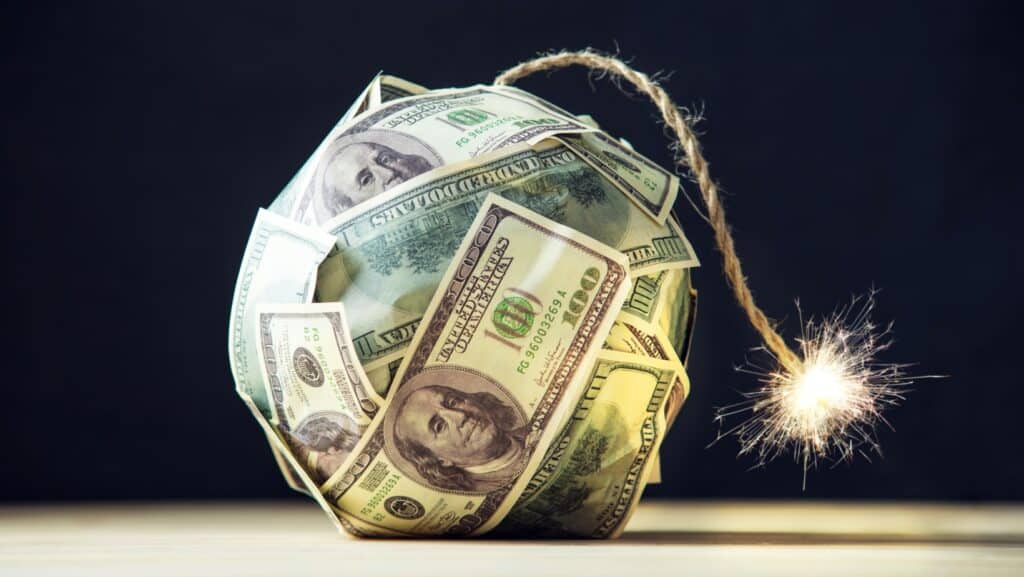
Traditional beer and spirits manufacturers are watching their hard-earned fortunes evaporate at a frightening pace as younger consumers permanently close their bar tabs.
According to a Bloomberg tracking index of roughly fifty global alcohol producers, the industry lost a staggering $830 billion in market value over the past four years as stock prices plunged forty-six percent from their June 2021 peak.
Corporate boardrooms from Milwaukee to London are hitting the panic button because financial analysts report this brutal hangover is four times worse than the drop seen during the 2008 economic crash.
For decades, alcohol executives could safely bet their bottom dollar that turning twenty-one meant an instant rite of passage into weekly neighborhood bar crawls and heavy weekend drinking.
That reliable pipeline of lifelong drinkers has completely dried up today, leaving warehouses overflowing with millions of gallons of unsold inventory and forcing historic Kentucky distilleries to pause operations.
Industry experts and wealth advisors openly warn that this massive revenue drop represents a permanent restructuring of American consumer habits rather than a temporary spending dip.
Sobriety Is The New Cool Among Young Americans
Young adults are completely rewriting the rules of social engagement by stripping alcoholic beverages out of their weekend party plans and modern dating rituals.
A 2026 Gallup survey revealed that American alcohol consumption dropped to a record-low fifty percent among adults under age thirty-five, which is a massive fall from seventy-two percent two decades ago.
Ordering a simple tap water or an iced tea at a dimly lit neighborhood lounge is no longer seen as a social blunder, but rather as a badge of self-awareness and maturity.
The strong desire to stay clearheaded and avoid sloppy public behavior has turned everyday sobriety into a genuine status symbol on college campuses and city streets alike.
BCIT News reports that a recent Leger survey proved just how deep this cultural shift runs by uncovering that twenty-two percent of young adults aged eighteen to twenty-seven say they have never consumed alcohol in their lives, nearly double the rate reported by Millennials at that same age.
Generation Z simply views heavy drinking as an outdated, expensive habit that drains their checking accounts and ruins their daily productivity.
Health Warnings And Wellness Trends Are Driving The Shift

Today’s informed consumers grew up with endless medical data at their fingertips, making it nearly impossible to ignore the severe physical toll of casual drinking.
This widespread wellness awakening accelerated after the United States Surgeon General issued a landmark January 2025 advisory highlighting hard scientific evidence that links alcohol consumption directly to at least seven different types of cancer, as reported by AARP.
Armed with undeniable medical facts and fitness trackers, young people are enthusiastically prioritizing high-quality sleep and mental clarity over Saturday night binges and Sunday morning headaches.
The conscious shift away from ethanol begins long before young adults even reach the legal purchase age at neighborhood liquor stores and bars.
Data from the University of Michigan’s 2025 Monitoring the Future survey showed that sixty-six percent of high school seniors completely abstained from alcohol, nicotine, or cannabis over a thirty-day period, marking the highest level of abstinence in the fifty-year history of the study.
Instead of numbing their everyday stress with toxic spirits, this pragmatic generation is choosing gym memberships, outdoor runs, and mindfulness practices to manage their mental well-being.
The Booming Market For Zero-Proof And Nonalcoholic Alternatives
The widespread rejection of traditional beer and spirits does not mean young Americans are staying home alone on Friday nights to read books. People still crave the vibrant, high-energy atmosphere of a bustling pub or a rooftop party, but they demand sophisticated beverages that will not impair their judgment or cause a debilitating hangover.
Recognizing this massive shift in consumer taste, beverage retailers report that nonalcoholic drink sales surged by an astonishing 6.2% as buyers eagerly snapped up zero-proof botanicals and dealcoholized wines.
Major liquor conglomerates are desperately trying to grab a piece of this alcohol-free pie by launching zero-proof versions of their most famous flagship lagers and spirits.
Bartenders in trendy metropolitan spots like Austin and Los Angeles now craft elaborate mocktails using artisanal herbs, spicy syrups, and functional adaptogens that cost just as much as traditional premium cocktails.
This booming mocktail revolution proves that young consumers are more than happy to spend hard-earned cash on premium social drinks as long as the recipe leaves out the intoxicating side effects.
How Changing Social Habits And Inflation Reinforce The Sober Lifestyle

The steep decline in neighborhood bar tabs is also deeply tied to relentless economic pressure and the harsh reality of surviving on an entry-level salary during times of high inflation.
Spending fifteen or twenty dollars on a single cocktail feels like outright financial sabotage to young adults who are already struggling to pay rising rent and student loans.
When forced to choose between buying overpriced mixed drinks at a noisy club or saving up for weekly groceries and weekend road trips, this budget-conscious generation consistently leaves the alcohol on the shelf.
Digital connectivity has also fundamentally altered how people interact, reducing the traditional need to gather in dive bars just to catch up with peers after a long work week.
Whether they are bonding over multiplayer online video games, joining local running clubs, or creating content for digital media platforms, young adults have built entire community networks that do not revolve around drinking establishments.
By successfully decoupling their social lives from alcohol consumption, Generation Z has built a vibrant culture of mindful connection that is leaving legacy booze brands out in the cold.
Like our content? Be sure to follow us