15 myths about the Middle Ages you may still believe — but are totally false
The gap between what we think we know about medieval life and what actually happened is wider than many centuries.
Hollywood loves to paint the medieval era as a dark time filled with mud and misery. Movies constantly show unwashed peasants eating rotten food while dodging torturous contraptions. You have probably accepted these dramatic stereotypes as historical facts without even realizing it. The truth is that life back then was surprisingly colorful and far more civilized than pop culture suggests.
Modern society loves to look back and feel vastly superior to the people of the past. However, medieval society featured organized trade systems and a deep appreciation for the arts. Prepare to have your mind blown as we debunk the most common medieval misconceptions you still believe.
People Drank Beer Because Water Was Unsafe

Most folks believe medieval people guzzled beer all day because the water was toxic. The reality is that clean water was readily available and completely free for everyone. Towns actually spent heavily on public fountains and plumbing systems to keep drinking water pure.
Beer was definitely popular because it provided safe calories for hard physical labor. People enjoyed ale with meals, but they never hesitated to drink from a clear spring. You would never catch a medieval peasant forcing an infant to drink a pint of ale.
People Rarely Bathed or Washed Themselves

Pop culture insists that people back then were covered in a permanent layer of filth. The truth is that personal hygiene was highly valued across all social classes. Most towns featured public bathhouses where citizens regularly gathered to wash and socialize.
Even the poorest laborers washed their hands and faces before eating a meal. Soap made from animal fat and ash was cheap and widely used for laundry. People actually smelled much better than the movies want you to believe.
Life Expectancy Was Only Thirty Years

Many assume that dropping dead at age thirty was the absolute norm for a medieval person. A 2023 demographic study by the United Nations Population Fund revealed the global average life expectancy reached 72.8 years, which makes medieval averages look terrible until you factor out infant mortality. If a person survived childhood diseases, they had a strong chance of living into their sixties.
The skewed average comes entirely from the tragic number of babies who died early. Adults did not age at twice the normal rate or suddenly expire at thirty. A sixty-year-old grandfather was a completely normal sight in any medieval village.
The Iron Maiden Was a Common Torture Device
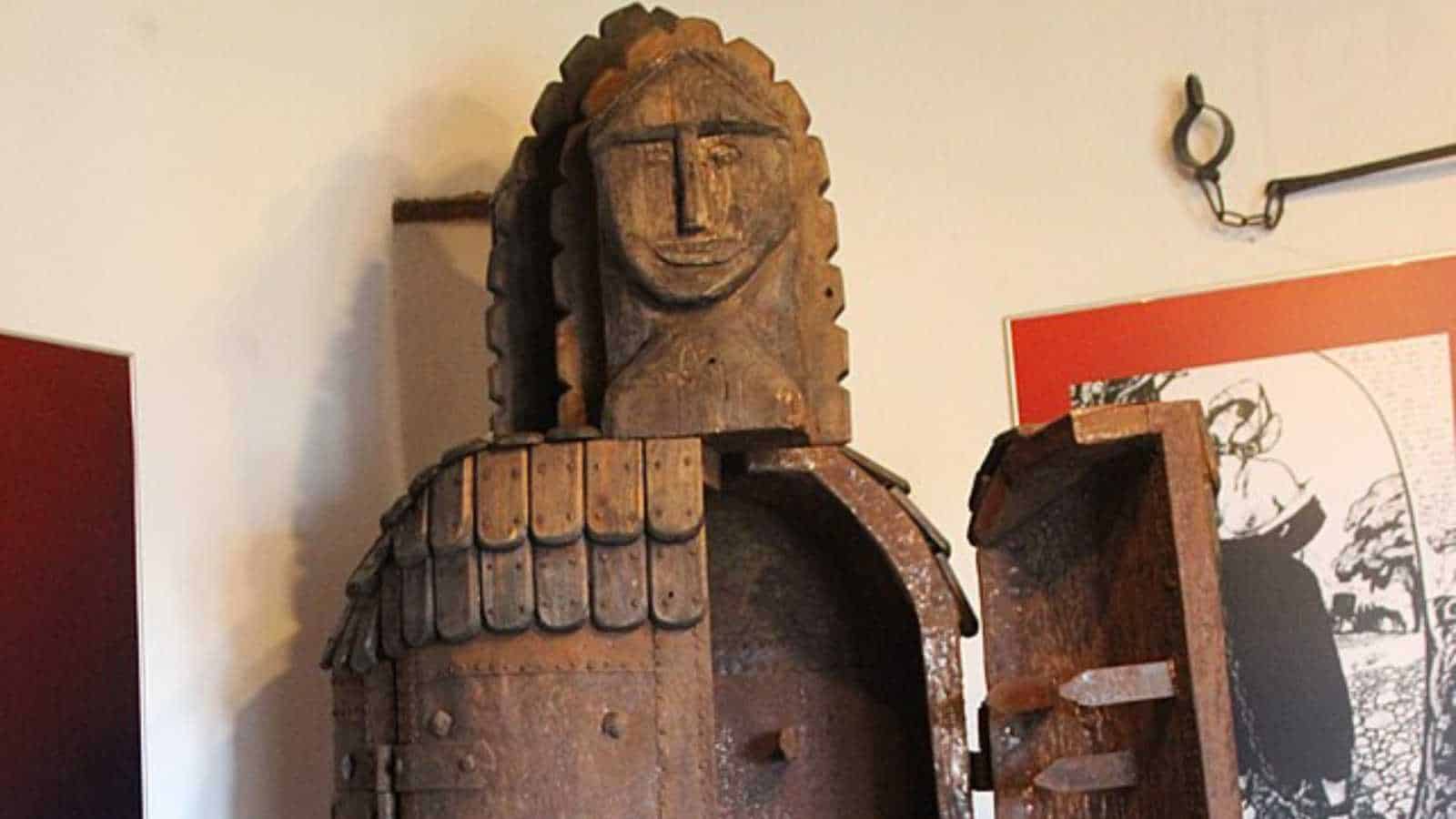
Museums love to display scary metal boxes lined with spikes to terrify paying tourists. This famous contraption is actually a complete fake invented during the nineteenth century. No medieval person ever saw or used an iron maiden during their lifetime.
Historical records contain absolute silence regarding this supposedly popular method of punishment. Victorian hoaxers literally patched together old museum artifacts to create a spooky attraction. You can completely erase this ridiculous spike cabinet from your historical imagination.
Knights Were Always Chivalrous and Noble
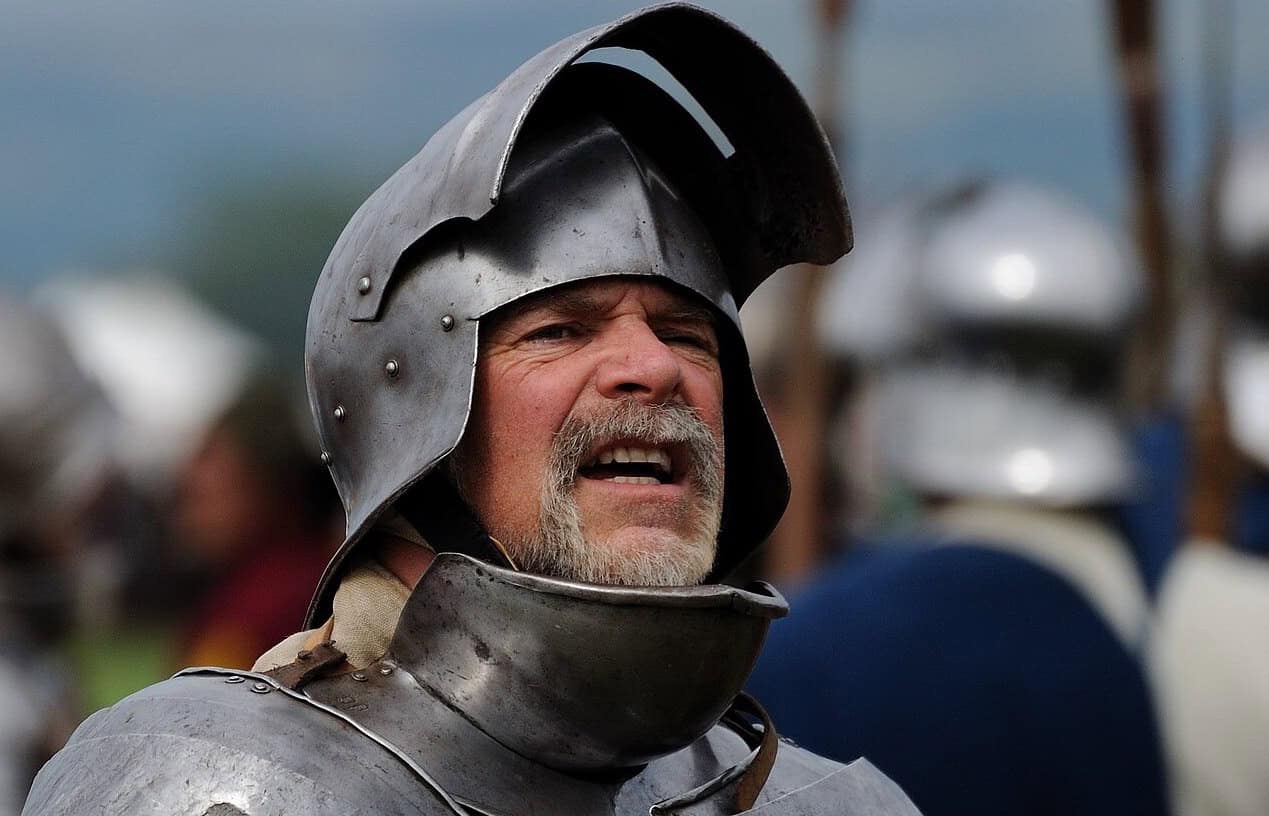
Fairy tales feature shining knights who constantly save the day and respect everyone they meet. The actual knights were essentially heavily armed thugs who fought for whoever paid them. They often pillaged villages and terrorized the very peasants they were supposed to protect.
The famous code of chivalry was basically a set of rules for treating other wealthy nobles. It completely ignored how a knight was supposed to treat the lower classes. Kings eventually had to create strict tournaments to keep these violent warriors out of trouble.
Spices Were Used to Mask Rotten Meat

People love to claim that heavy spices were a desperate attempt to cover up rotting beef. The USDA Economic Research Service stated in 2026 that Americans will consume an average of 227 pounds of meat per year, but medieval folks would never waste money spicing bad food. Spices like pepper and cinnamon were incredibly expensive luxury items imported from afar.
Anyone rich enough to afford saffron was certainly rich enough to buy fresh meat. Butchers actually faced strict penalties if they attempted to sell spoiled products in the market. Medieval folks had functioning taste buds and would immediately spit out rotten pork.
Everyone Thought the Earth Was Flat

The idea that medieval scholars believed the world was flat is a complete fabrication. Every educated person in the medieval period knew the Earth was a sphere. The ancient Greeks had already proved the spherical shape centuries earlier, and that knowledge was never lost.
Kings literally held a spherical orb in their hands during coronations to represent the globe. Columbus did not sail across the ocean to prove the Earth was round. He simply miscalculated the actual size of the globe and bumped into a new continent.
Women Had Absolutely No Rights or Power

Movies portray medieval women as helpless maidens locked in tall towers without any agency. According to the US Census Bureau in 2023, women own roughly 14.2 million employer businesses in America, echoing the medieval widows who successfully took over massive trade operations. Many women ran their own profitable businesses and dominated the brewing industry.
Peasant women worked right alongside men in the fields and managed household finances. Noble women frequently defended castles and managed huge estates while their husbands were away. They were tough survivors who actively shaped their local economies and communities.
Chastity Belts Were Widely Used by Wives
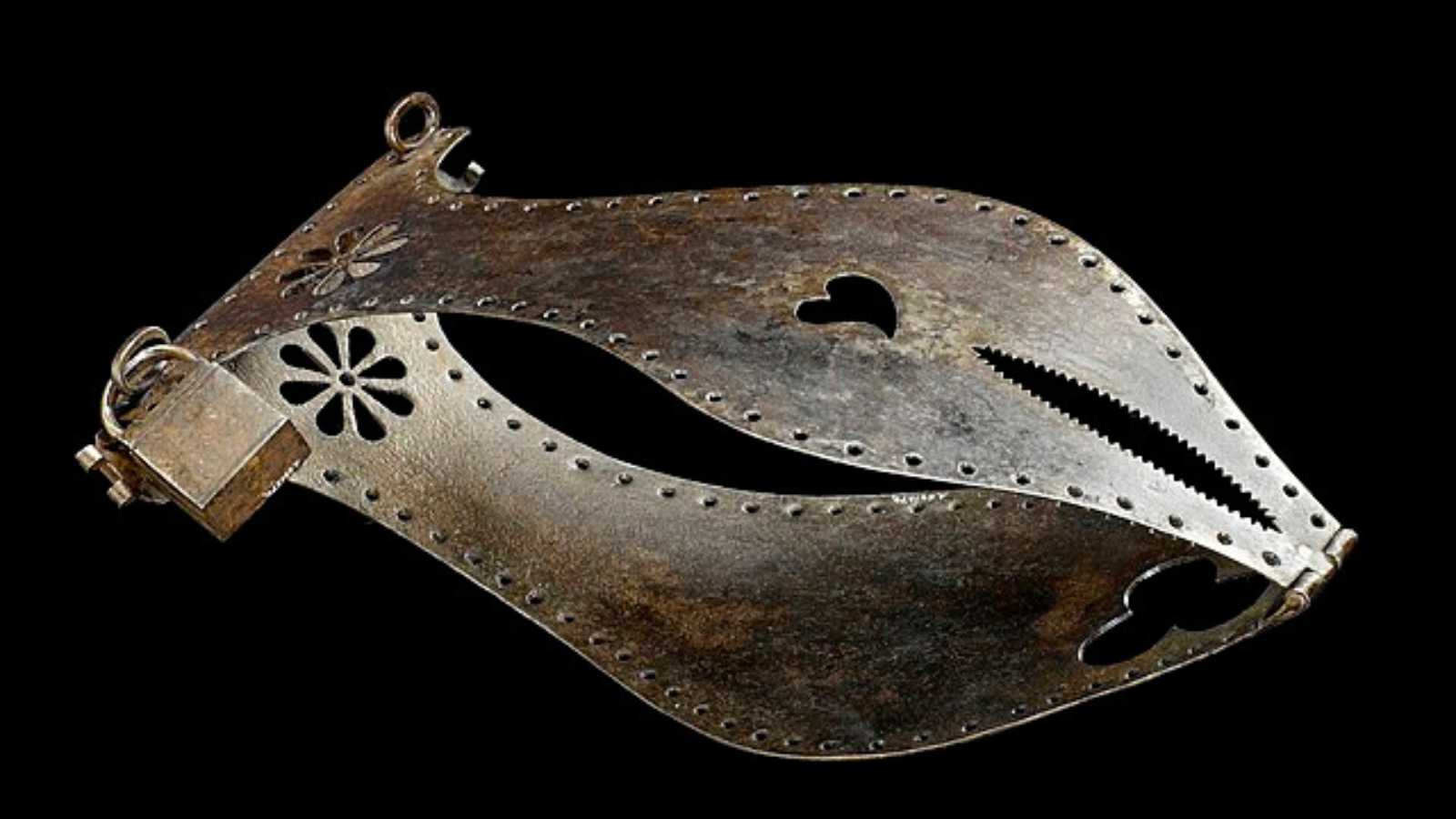
The concept of locking up a wife in metal underwear is entirely a modern myth. No medieval husband ever forced his wife to wear a metal chastity belt. These items would have caused fatal infections within days of putting them on.
The belts you see in museums are joke items created centuries after the medieval period ended. They were mostly meant as satirical humor about jealous husbands. You can safely dismiss the chastity belt as a ridiculous Victorian fantasy.
Peasants Ate Nothing but Tasteless Gruel

It is easy to imagine poor farmers eating grey sludge out of a wooden bowl every day. According to a 2026 report by the Centers for Disease Control and Prevention, fewer than 1 in 10 percent of Americans eat enough daily vegetables, which makes the plant-heavy peasant diet look surprisingly good. The average peasant actually enjoyed a highly seasonal menu full of fresh produce.
They baked fresh bread daily and enjoyed fruit pies during the harvest season. While they rarely ate beef, their diet was arguably healthier than what many modern people consume. Fast food did not exist, so everything was organic and prepared completely from scratch.
Witch Hunts Were a Medieval Obsession
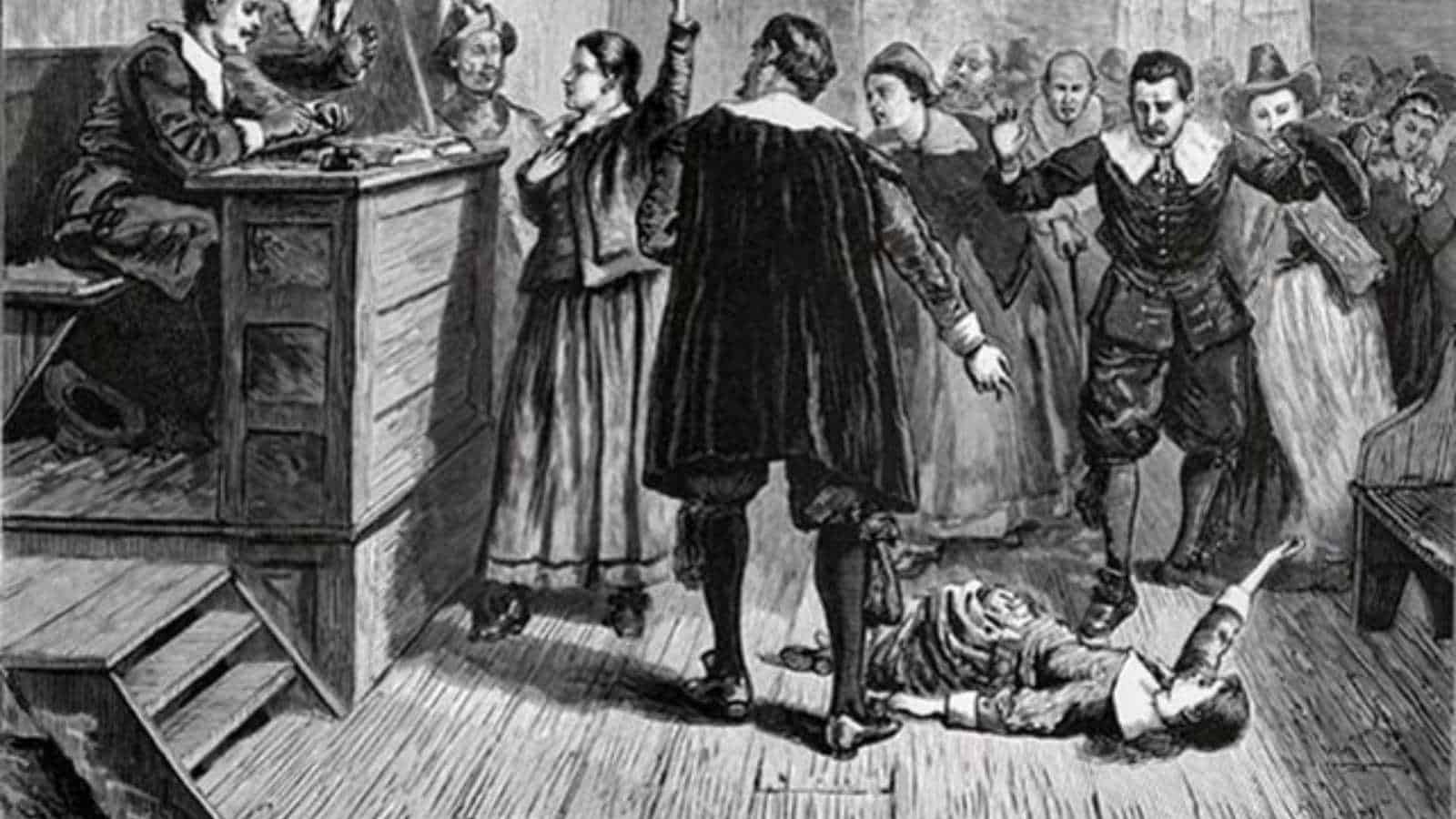
People constantly associate the mass burning of witches with the Dark Ages. The Pew Research Center reported in 2025 that 79 percent of American adults believe in the supernatural, which ironically echoes the early modern panics rather than medieval logic. The medieval church actually taught that believing in witches was a foolish pagan superstition.
The famous witch trials actually happened centuries later during the Renaissance and early modern periods. Medieval judges mostly ignored accusations of magic because they considered it legally irrelevant. You will have to blame the supposedly enlightened era for the horrific witch crazes.
Medical Practices Were Purely Superstition

We often picture medieval doctors chanting spells and completely ignoring basic human anatomy. A 2024 report by the Global Wellness Institute valued the traditional medicine market at 553 billion dollars, proving that the herbal remedies pioneered by medieval monks are still highly respected. Medieval physicians actually studied ancient medical texts and required years of university training.
They clearly understood how to set broken bones and clean wounds with wine to prevent infection. Some surgeons even successfully performed complex procedures like removing cataracts and treating hernias. They did their absolute best with the technology they possessed at the time.
Plate Armor Was Too Heavy to Move In
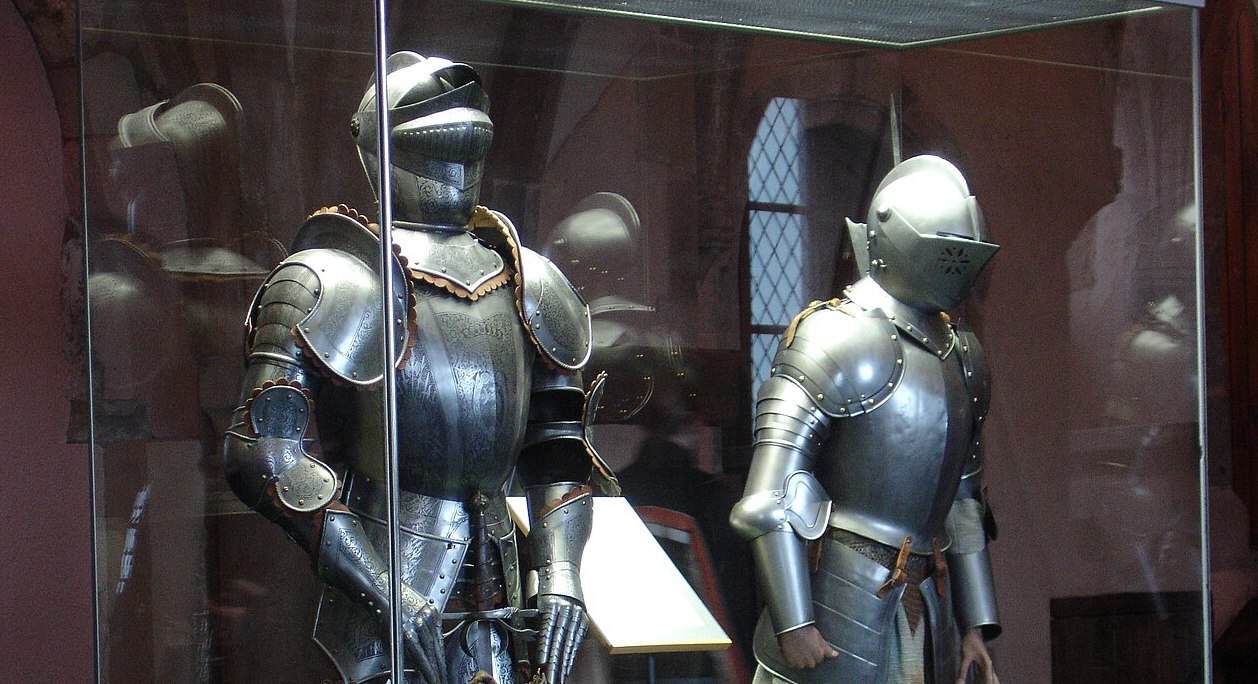
A persistent rumor claims that knights needed a crane just to get on their horses. A full suit of custom plate armor weighed about forty to fifty pounds and was perfectly balanced. Modern soldiers actually carry significantly heavier backpacks into combat zones today.
Knights could easily run, jump, and climb ladders while wearing their full protective gear. The armor was carefully articulated to allow for a complete range of motion during a sword fight. A knight tripping and being trapped like a turtle on his back is pure comedy fiction.
People Threw Human Waste Out of Windows

The image of people casually tossing chamber pots onto people walking below is incredibly popular. Towns actually had incredibly strict laws regarding waste disposal to keep the streets clean. People faced massive fines if they dumped anything foul into the public roadways.
Most homes utilized deep cesspits in the backyard that were emptied by professional workers. While cities definitely smelled like farm animals, they were not open sewers. Medieval folks hated stepping in gross puddles just as much as you do.
Vikings Wore Horned Helmets in Battle
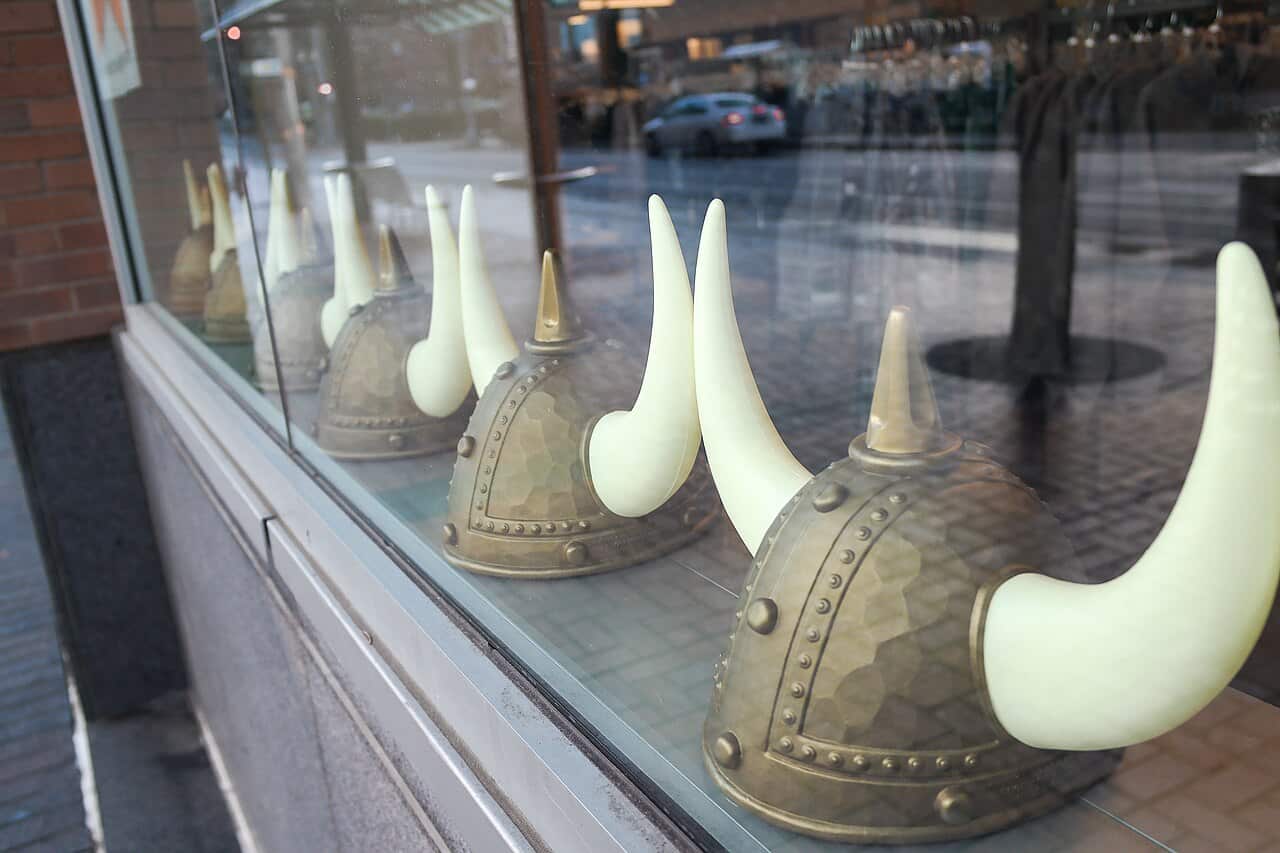
Pop culture firmly believes that Scandinavian warriors charged into battle wearing giant horns on their heads. The reality is that historians have never uncovered a single authentic combat helmet featuring these ridiculous decorations. Wearing giant handles on your head during a bloody sword fight is a terrible tactical decision.
An enemy could easily grab a horn and snap your neck in a chaotic battle. The horned helmet was actually invented by opera costume designers in the nineteenth century. Real Vikings wore sensible iron caps that easily deflected blows away from their skulls.
Like our content? Be sure to follow us