12 ways smartphone overuse is impacting relationships, health, and society
Have you ever picked up your phone to check one quick thing and somehow found yourself still scrolling half an hour later?
You probably know the feeling. You unlock your screen, check one notification, watch one video, read one comment, and suddenly your “quick check” turns into a full digital adventure. Your phone has a funny way of saying, “Just five more minutes,” even though those five minutes somehow multiply like magic.
According to DataReportal, the average internet user now spends more than six hours online every day, with smartphones driving most of the way we communicate, consume information, and entertain ourselves.
But here is the catch: the same device that keeps you connected can also quietly change how you sleep, communicate, focus, and experience everyday life. So, are you using your smartphone as a helpful tool, or has your smartphone started controlling your attention?
Here are 12 ways smartphone overuse can affect your relationships, health, and society.
Your Phone Can Steal Your Focus
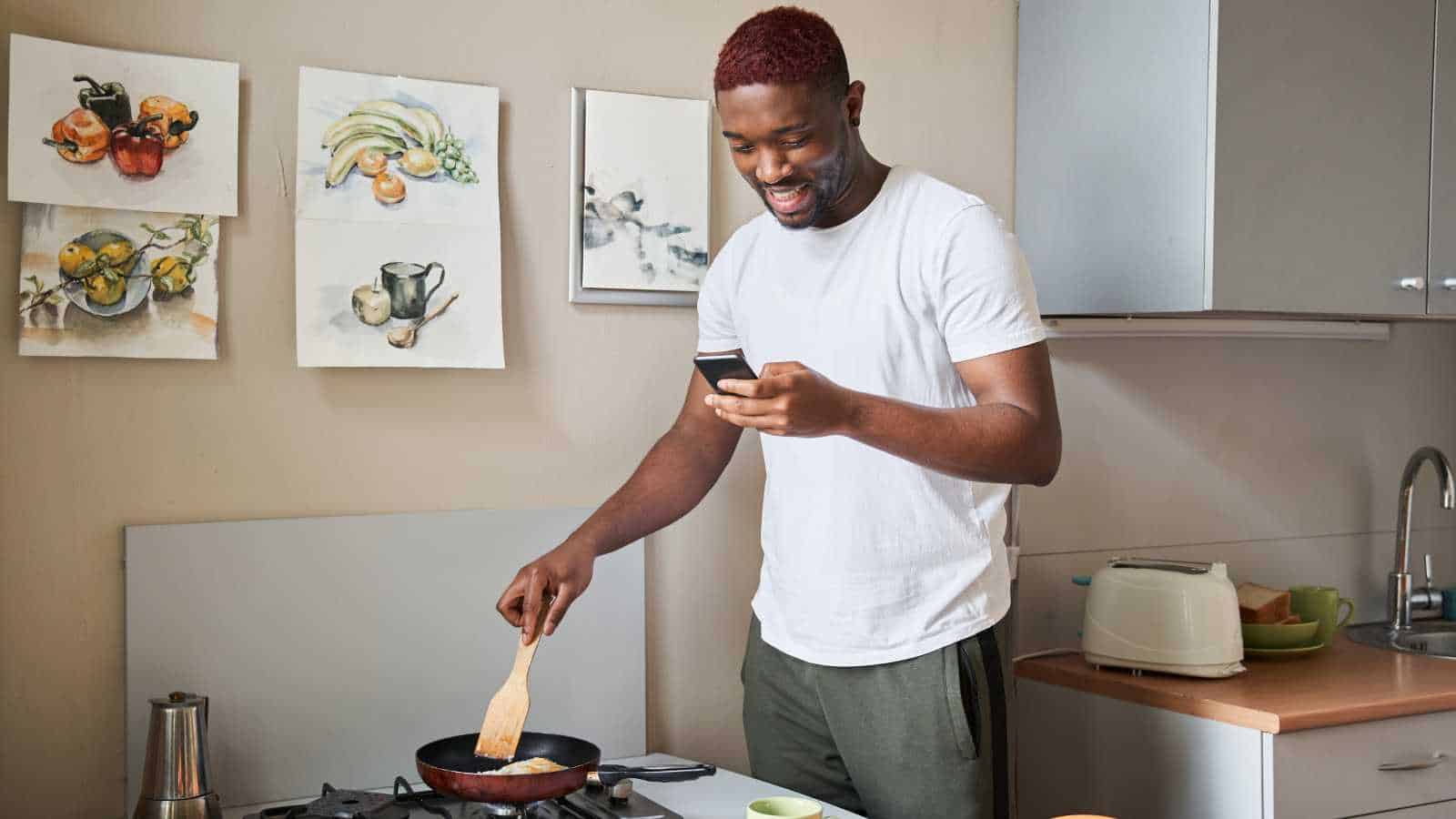
Your focus has become a prize, and your phone is constantly competing for it.
Every app wants you to stay a little longer. Every platform hopes you will watch one more video, read one more post, or check one more update. That tiny buzz or red notification badge may look harmless, but it gives you another reason to look away from whatever you were doing.
You have probably had this happen: you grab your phone to reply to a message, and a few minutes later, you find yourself watching completely unrelated content. Did not plan to spend that time scrolling, but somehow your attention ended up somewhere else.
The good news? You can take back control. Decide when you want to check your phone, rather than letting every alert decide for you.
Your attention is one of the most valuable things you own. Do not hand it over without noticing.
Your Smartphone Can Change How You Connect With People

You probably remember a time when conversations happened without screens competing for attention.
You sat with a friend, looked at their face, listened to their story, and responded naturally. Today, your phone often joins the conversation without anyone inviting it.
Researchers study this behavior under the term “phubbing,” which refers to ignoring someone because you focus on your phone instead. Frequent phubbing is associated with lower relationship satisfaction because you may make someone feel like your screen matters more than they do.
If someone looked at their phone every time you shared something important, wouldn’t you feel a little ignored?
Your smartphone connects you to countless conversations, but your attention creates the strongest connections.
Your Phone Can Become the Third Person in Your Relationship

Some relationship problems arrive with arguments. Others arrive with a glowing screen between two people.
Nobody argues. Nobody gets angry. Yet something feels slightly disconnected.
Phone distraction, often called ‘phubbing’ or ‘technoference,’ is linked with lower relationship satisfaction and more frequent conflict between couples.”The problem usually does not come from owning a smartphone. The problem starts when your phone repeatedly interrupts moments that should be yours and your partner’s.
A simple solution can help. Put your phone away during meals, important conversations, or moments when you want to feel closer to someone.
Your phone can wait. The person in front of you might not.
Growing Up With a Smartphone as a Childhood Companion

If you have kids or teenagers in your life, you have probably noticed something that feels completely different from your own childhood: a smartphone does not seem like a special gadget to them. It is a normal part of growing up.
They use their phones to learn new things, talk with friends, create videos, explore ideas, and discover the world around them. IT can open incredible doors, but it can also quietly replace experiences that help young people grow.
A phone can be a powerful learning tool, but children still need time to play, talk, move, create, and experience life beyond the screen.
Too much of anything creates problems. Even your favorite dessert becomes less enjoyable when you eat it all day. The same idea applies to technology.
Your Smartphone Can Increase Stress Without You Realizing It

Your phone gives you instant access to everything, but that constant access can also create constant pressure.
You receive work messages after hours. See upsetting news alerts. You compare your life with carefully edited posts online. Your brain keeps processing information even when you want to relax.
A constant stream of notifications and updates can create a sense of urgency and a fear of missing out (FOMO), leaving you feeling more anxious and mentally exhausted. Maria Mouratidis, PsyD, a licensed clinical psychologist at The Retreat at Sheppard Pratt, a psychiatric hospital in the Baltimore, Maryland, suburb of Towson, says, “Having devices literally in our hands all of the time keeps us in a state of alertness that can be draining over time.
You might notice this when you feel uncomfortable leaving your phone untouched. Checking your screen simply because silence feels strange. Your brain loves novelty. Every notification offers the possibility of something new, exciting, or important.
But you do not need to answer every digital invitation.
Sometimes, the best thing you can do for your mind is give it a quiet moment.
Your Phone Can Replace Movement Without You Noticing

Your smartphone gives you entertainment wherever you go.
You can watch shows, chat with friends, play games, and browse endlessly without standing up. That convenience feels great until you realize you have been sitting in the same position for hours.
Ironically, a phone reminds you to complete your fitness goals while also tempting you to stay on the couch. Technology really knows how to create mixed messages.
Try replacing a few scrolling sessions with movement. A short walk or a simple stretch can help you improve your balance.
Your Bedtime Scrolling Habit Can Steal Your Sleep

You know that little promise you make when you crawl into bed: “I’ll just check my phone for a minute.”
You mean it. You really do. But somehow, one quick look turns into another video, another post, and another “just one more” moment. Before you know it, your alarm feels like it arrives way too soon.
According to the American Academy of Sleep Medicine, 87% of Americans sleep with their phone in the bedroom, keeping one of the biggest distractions within arm’s reach every night. That easy access can make it harder for you to switch off. Bright screens, stimulating content, and late-night notifications can keep your brain alert when it should be preparing for rest.
You may notice the consequences the next morning when your eyes feel heavy, your focus disappears faster than usual, or you need an extra cup of coffee just to feel human again.
Your phone needs to recharge every night. Your brain deserves the same courtesy.
The Tiny Notification That Can Hijack Your Attention

That little red notification badge looks innocent, but it knows exactly how to pull you back in.
A quick sound. A small vibration. A glowing number sitting on your screen. Within seconds, your brain starts wondering what you might be missing.
You may not even realize how automatic the habit has become. You pick up your phone without thinking, unlock the screen on autopilot, and open an app before you even decide what you want to do.
Have you ever unlocked your phone and then immediately wondered, “Why did I pick this up?”
That tiny moment reveals how powerful smartphone habits can become. Your brain learns to respond to those small signals, even when you do not actually need anything from your device.
You can break the cycle by turning off unnecessary notifications and creating moments where you choose when to check your phone.
Not every alert deserves your attention. Some things can wait, and your focus deserves the chance to stay where you put it.
Your Phone Can Make You Feel Connected and Lonely at the Same Time

A smartphone creates one of the strangest contradictions of modern life: you can feel surrounded by people and still feel completely alone.
You message friends, join group chats, react to updates, and stay connected with people across the world in seconds. Yet, after spending hours scrolling through other people’s lives, you may still feel like something is missing.
So why does constant connection sometimes leave you feeling disconnected?
The answer comes down to the difference between digital contact and real connection. A quick comment, a like, or a short message can brighten your day, but it cannot fully replace sitting across from someone, sharing a laugh, or having a conversation where you feel truly heard. Passive scrolling can fuel upward comparison and, for some users, increase feelings of loneliness.
Real life is imperfect, unpredictable, and sometimes wonderfully ordinary. That is exactly what makes genuine connection so valuable.
When Checking Your Phone Stops Feeling Like a Choice

The tricky thing about smartphone overuse is that it rarely arrives with a big warning sign.
It usually sneaks in through tiny moments you barely notice. You check your phone before your feet hit the floor in the morning. Glance at it during conversations. You feel a little uneasy when you leave home and realize your device is not in your pocket.
At first, these habits seem harmless. After all, everyone checks their phone. But those small actions can slowly turn into automatic routines that are harder to break.
That does not mean you need to throw your phone. It still plays an important role in your life. The first step is simply noticing your habits.
When you decide when it deserves your attention instead of reaching for it automatically, you start building a healthier relationship with technology.
The Pocket-Sized Device That Rewired the Way You Live

A device that once existed mainly for making calls now helps you run your entire day.
Research from Pew Research Center shows that about 41% of Americans say they use the internet almost constantly, with roughly 4 in 10 adults staying online nearly all the time.
That level of access gives you incredible freedom. You can learn something new within seconds, reach someone on the other side of the world, check important information, or solve a problem while you are standing in line waiting for your coffee.
But constant connection also changes your expectations. You start to want faster answers, quicker entertainment, and instant updates whenever curiosity arises.
Finding Balance Without Breaking Up With Your Smartphone

Your phone is not the enemy. It is not sitting in your pocket with a secret plan to ruin your day.
It is a powerful tool that helps you stay close to people you care about, solve everyday problems, learn new skills, and organize your busy life.
The real challenge is not removing technology from your world. It is about making sure technology fits into your life rather than taking over the moments that matter most.
You do not need to make dramatic changes overnight. Start with simple choices. Put your phone away when someone is talking to you. Step away from endless scrolling when you notice it taking over your time. Give yourself moments where you experience life without needing to capture or share every second.
Your phone should support your life, not replace it. Use it to capture memories, but do not let it distract you from making them.
Key Takeaways

Your smartphone can make life easier, but too much screen time can quietly affect your relationships, sleep, focus, physical health, and emotional wellbeing.
You do not need to give up your phone or pretend technology does not exist. You simply need to become more intentional about when you use it and when you put it down.
Let your phone help you stay connected, but do not let it steal the conversations happening right in front of you. Let your screen entertain you, but do not let endless scrolling take away the hours you could spend doing things you truly enjoy.
The best technology habits do not come from using your phone less at all costs. They come from making sure your phone adds value to your life instead of quietly taking control of it.
Because years from now, you probably will not remember the endless videos you watched at midnight or the notifications you checked every few minutes.
You will remember the jokes that made you laugh, the conversations that mattered, and the moments when you finally looked up and enjoyed the world beyond your screen.
Disclaimer – This list is solely the author’s opinion based on research and publicly available information. It is not intended to be professional advice.
Like our content? Be sure to follow us.