13 features that make buyers walk away from a house within minutes
Buying a home is one of the biggest financial decisions most people ever make, and first impressions matter far more than many sellers realize. According to the National Association of Realtors (NAR) 2024 Profile of Home Buyers and Sellers, buyers typically search for around 10 weeks and view a median of seven homes before purchasing.
Meanwhile, 95% of buyers use the internet during their home search, meaning they often arrive with high expectations based on listing photos. Once they step inside, major red flags can quickly outweigh attractive features, prompting them to leave without making an offer.
Real estate professionals consistently report that buyers often make up their minds within the first few minutes of a showing. While cosmetic issues can usually be fixed, signs of neglect, unpleasant odors, or expensive repairs often signal larger problems that make buyers hesitant. Here are 13 features that commonly send prospective buyers straight back to their cars.
The Lingering Stench Of Hidden Pet Accidents

Nothing makes a house hunter turn on their heels faster than a wave of foul odor hitting them at the front door. Masking deep pet smells with heavy artificial air fresheners usually makes buyers suspect the absolute worst about the flooring.
It signals that underlying carpets and floorboards are completely ruined and require an expensive replacement. Sellers often grow completely blind to the smells inside their own properties after living there for years.
However, new shoppers will notice the odor immediately and worry about the deep-cleaning bills that will strain their budget and disrupt their moving plans. If the air feels toxic or heavy, visitors will run out to their cars without checking the rest of the property.
Cracked Foundations And Bowing Basement Walls
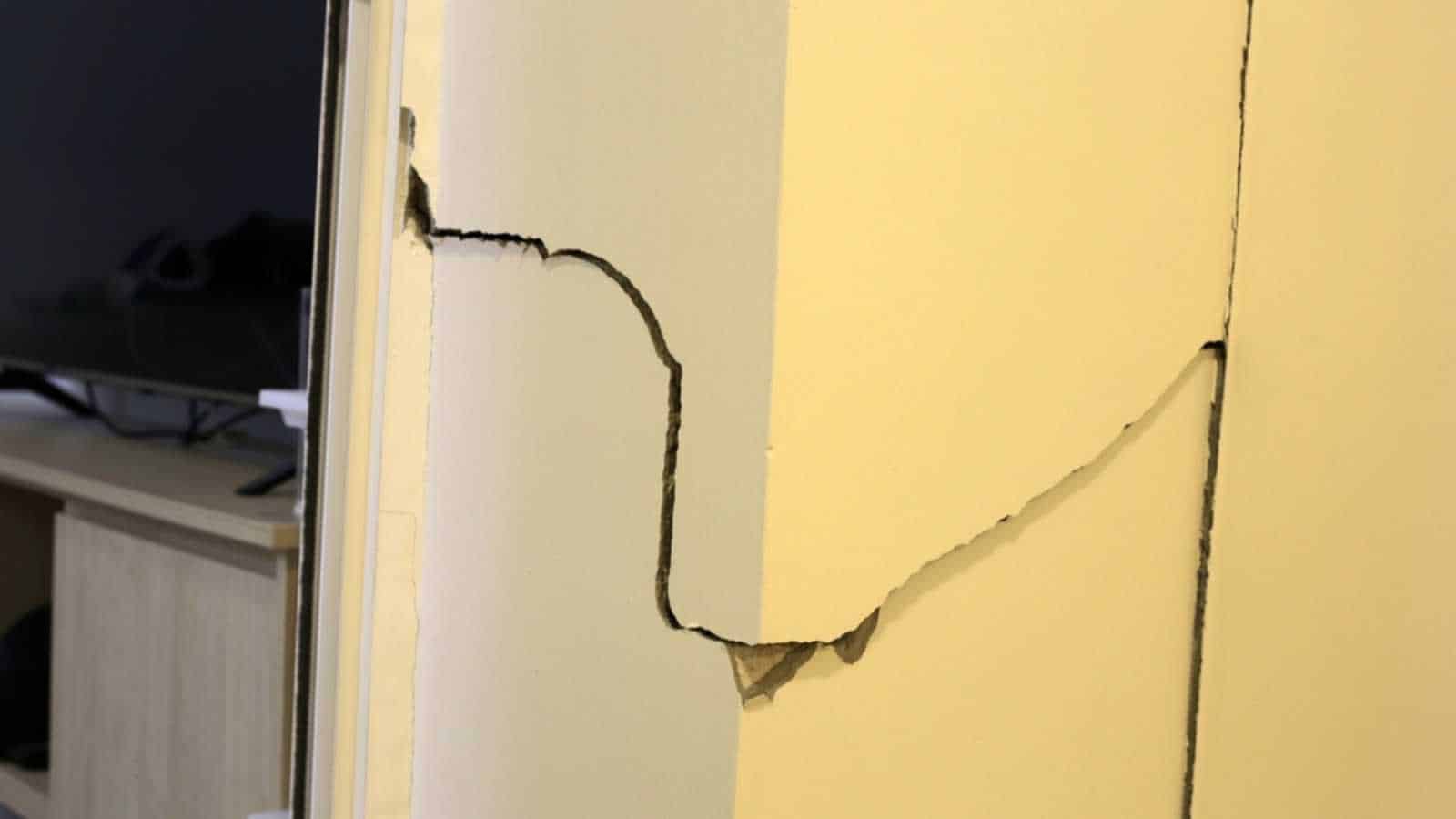
Spotted cracks in the concrete foundation are a massive red flag that can stop any real estate deal dead in its tracks. When a buyer looks down and sees a jagged gap cutting through the basement walls, they instantly envision structural collapse. It transforms a charming property into a scary money pit that feels completely unsafe to inhabit.
Home inspection checklists from professional organizations place the foundation and framing at the very top of their structural review because problems there can be extremely costly and difficult to repair.
Fixing structural shifts requires heavy equipment, engineering permits, and thousands of dollars in unexpected repairs. Most shoppers simply do not have the stomach or the cash to handle a sinking house, so they keep their financial health intact by walking away.
The Claustrophobic Nightmare Of Extremely Low Ceilings
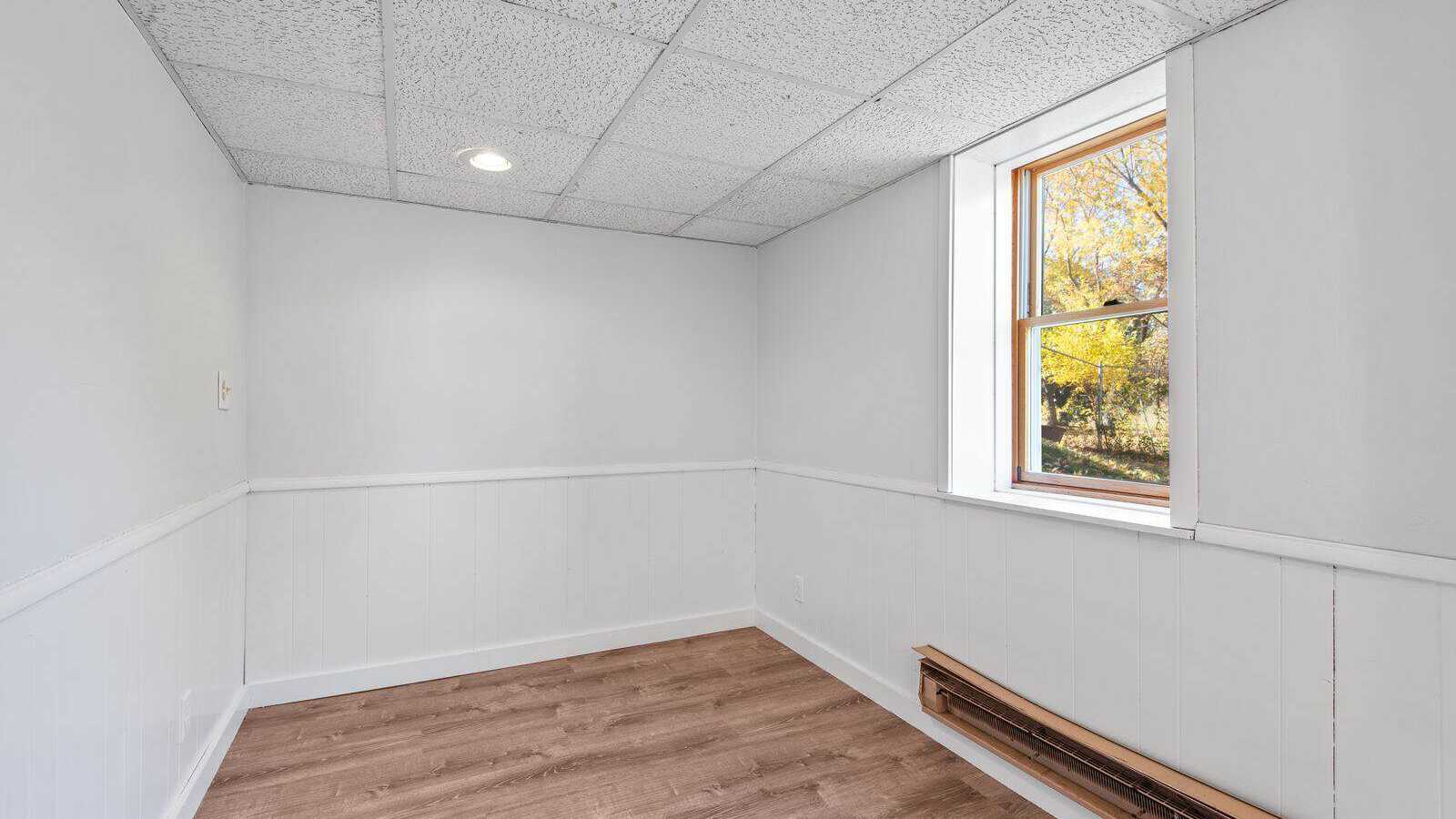
Stepping into a living room that feels like a subterranean cave is a surefire way to drive away eager shoppers. Low ceilings make even the largest rooms feel incredibly cramped, dark, and uncomfortable to stand in for long periods. No amount of bright white paint or clever lighting can fix a roof that feels uncomfortably close to your head.
This architectural flaw ruins the natural flow of the interior space and makes furniture placement a giant headache. People want their homes to feel open, airy, and welcoming after a long day of work.
If a property feels like a cardboard box, visitors will scratch it off their shopping lists immediately and look for spaces that support everyday wellbeing instead of claustrophobia.
Dilapidated Roofs With Missing Shingles
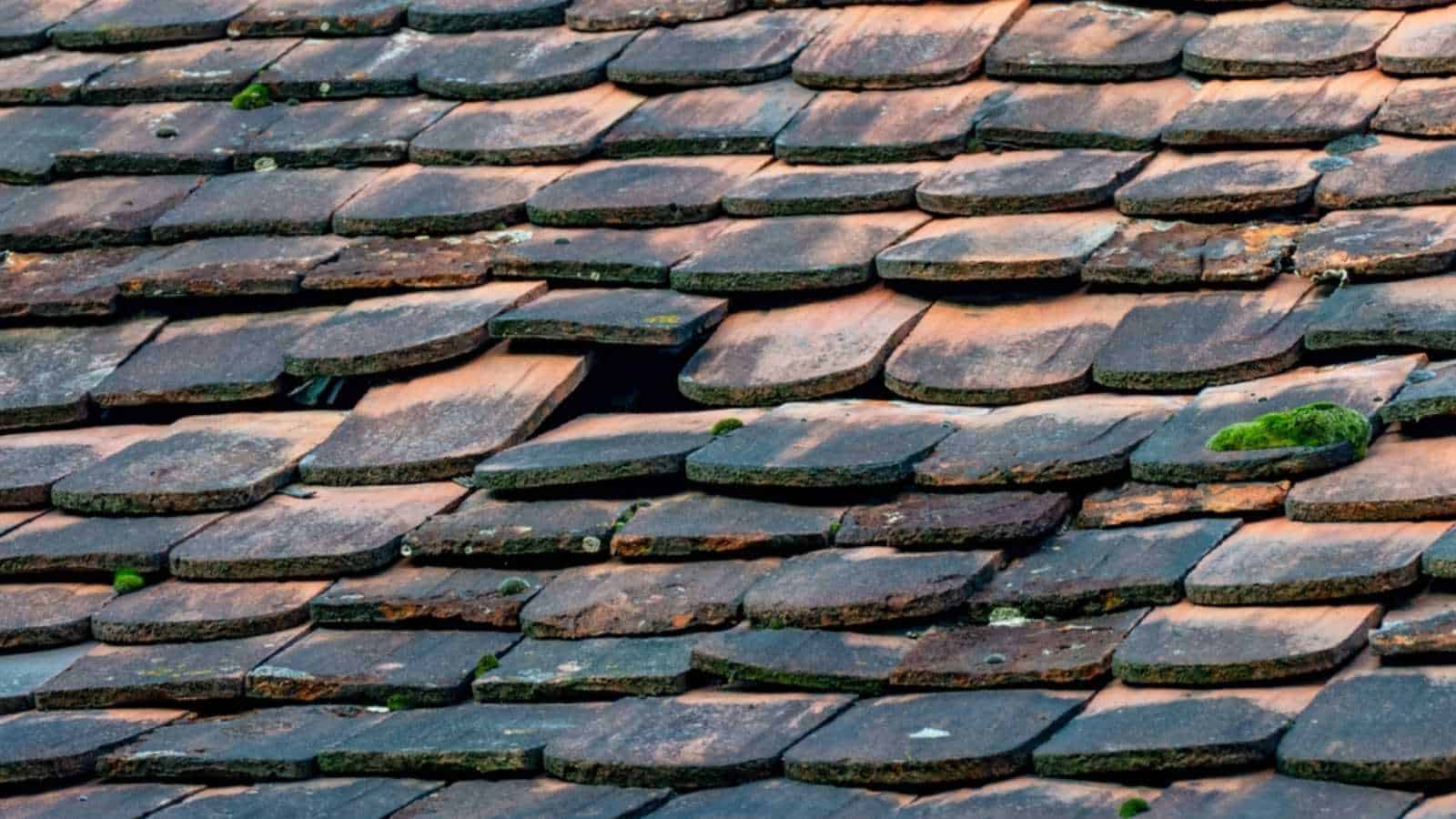
An old, curling roof is a glaring warning sign that screams structural neglect from the moment a car pulls into the driveway. Buyers can look up and instantly calculate the massive cost of hiring a professional roofing crew to tear everything down. It indicates that water has likely been leaking into the attic for many months.
Home inspection guides list roofing as one of the primary systems inspectors evaluate, noting that damaged coverings, poor drainage, or leaks can lead directly to expensive repairs and reduced property value.
Knowing that a complete roof replacement often falls among the heaviest renovation costs, shoppers would rather walk away than inherit a home that needs major work right away.
Bizarre And Confusing Floor Plans

Some houses feature architectural layouts that make absolutely no sense to a normal human being trying to navigate the space. Walking through a bedroom to reach the only bathroom, or finding a kitchen miles away from the dining room, leaves visitors baffled.
Fixing a terrible floor plan usually requires knocking down major structural walls and rerouting expensive plumbing lines, which renovation guides warn can quickly escalate costs.
Most families want a house that makes their daily routines smoother, not harder to manage. When a layout feels like a confusing maze, shoppers will happily spend their money elsewhere and protect both their time and their budget from costly redesigns.
The Acoustic Chaos Of Nearby Highway Noise

A gorgeous backyard loses all its charm if the roar of an interstate highway drowns out your daily conversations. Buyers stepping out onto a patio want a peaceful sanctuary, not the constant hum of semi trucks zooming past the fence line. Outdoor noise pollution is a permanent flaw that homeowners can never truly fix with landscaping.
Health research on environmental noise links chronic exposure to traffic noise to increased stress and sleep disturbance, which can ripple into overall health and wellbeing. Even if the indoor spaces are mostly quiet, the outdoor chaos will make people highly hesitant to make an offer.
Ancient And Dangerous Knob And Tube Electrical Wiring

Peeking into an electrical panel and finding antique wiring can send a chill down any home inspector’s spine. This outdated electrical system cannot handle modern appliances and poses a major fire hazard to the entire structure. Many insurance companies will completely refuse to provide coverage for a home with this type of wiring.
Residential wiring guidelines emphasize that older systems without proper grounding or modern safety devices increase the risk of shock and fire and may not meet today’s safety standards. Rewiring an entire two-story house requires cutting holes into the drywall and spending thousands on licensed contractors. Shoppers looking for a turnkey property will see the old wiring and foresee endless headaches.
Traces Of Toxic Black Mold In The Bathroom

Spotting fuzzy dark spots along the baseboards or ceiling corners can cause instant panic during a quick home tour. Mold growth indicates that the property has serious ventilation issues or hidden pipe leaks behind the walls. It also represents a major threat to the physical health of young children and elderly family members.
Public health resources warn that exposure to indoor mold can trigger coughing, wheezing, and more serious respiratory issues for sensitive individuals, especially in damp areas like bathrooms and basements.
Remediating a major mold infestation requires specialized crews, containment tents, and expensive air scrubbing machines. The discovery of mold prompts shoppers to question the structure’s overall cleanliness and maintenance history.
The Overwhelming Visual Clutter Of Extreme Hoarding

It can be incredibly difficult to appreciate the bones of a house when every room is packed to the ceiling with old newspapers and boxes. Extreme clutter makes spaces look much smaller than their actual square footage and hides potential structural damage. Visitors feel like they are intruding on a personal crisis rather than viewing a piece of real estate.
This visual chaos makes it impossible for shoppers to imagine their own belongings inside the rooms. The sheer effort required to clear out the junk can delay closing dates for several months and add moving costs no one wants. Eager buyers prefer a clean canvas where they can easily visualize their future lives unfolding.
Neighborhood Properties With Visible Trash Accumulation

You can fix up the interior of your own house, but you can never fix a neighbor who keeps broken cars on their front lawn. Looking out a bedroom window and seeing an eyesore next door instantly ruins the long-term appreciation value of your investment.
It tells buyers that the local community lacks pride of ownership and mutual respect. Living next to an unkempt property can lead to constant neighborhood disputes and attract unwanted pests to your own backyard.
Shoppers pay close attention to the entire street before making a final decision on a specific house, and homebuyer tips often list “surrounding property condition” as a major factor to check before committing. If the surrounding block looks chaotic, people will drive away without looking inside.
Outdated Peeling Popcorn Ceilings
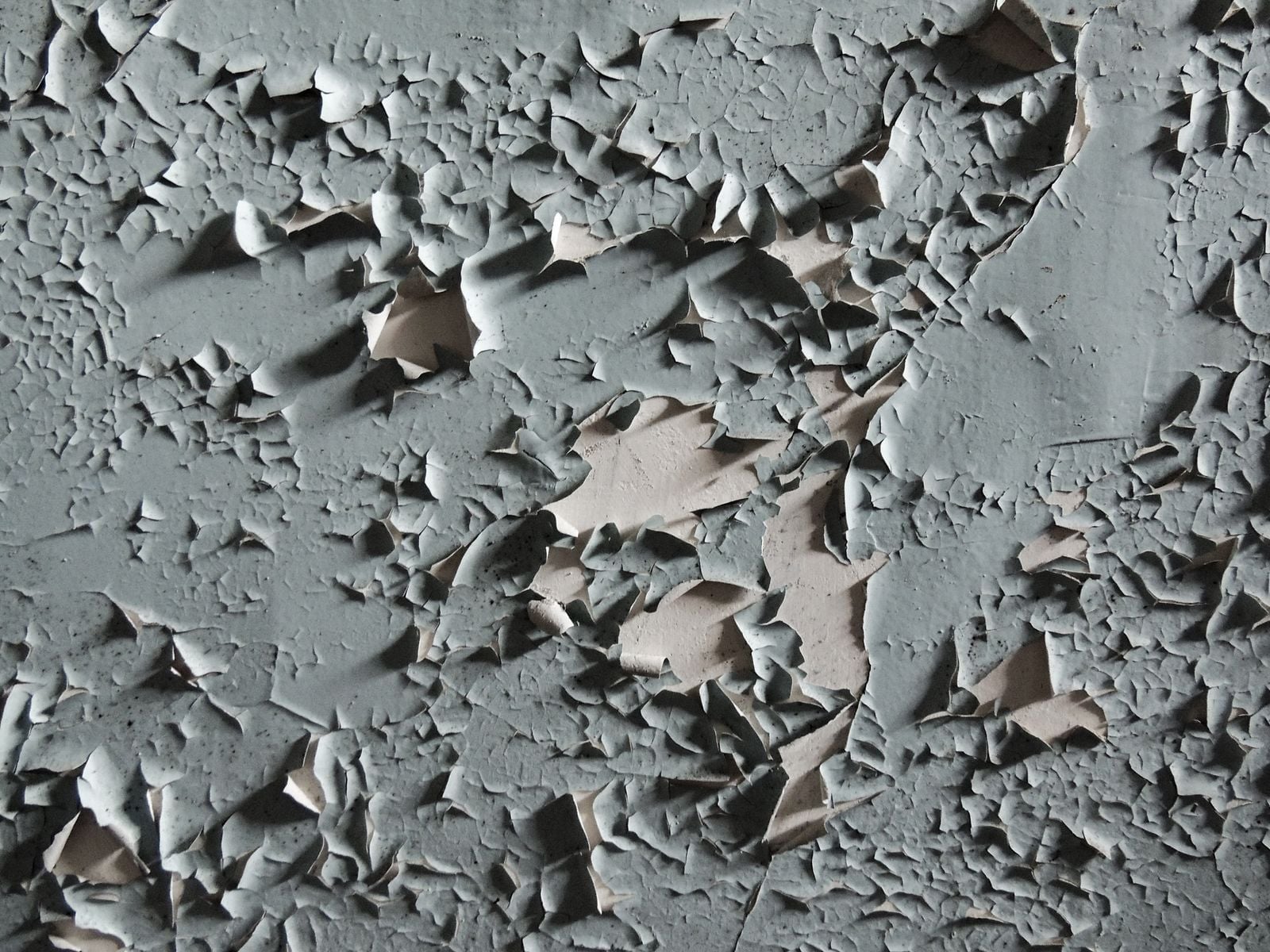
Popcorn ceilings are a painful blast from the past that instantly dates an interior space and lowers its overall appeal. These textured surfaces are famous for collecting thick layers of dust and being incredibly difficult to paint over smoothly. Even worse, older textured ceilings built before the late nineteen seventies often contain dangerous asbestos fibers.
Testing and scraping away this old material is a messy, expensive process that requires specialized safety gear and licensed abatement, and renovation checklists highlight asbestos as a serious hazard that must be handled properly.
Modern buyers want clean lines and contemporary finishes that reflect current design trends. Seeing a textured ceiling tells shoppers that the home has not been updated in decades.
The Discomfort Of Poorly Functioning Climate Control Systems

Stepping into an open house that feels like a humid sauna or a freezing ice box is a major turnoff for visitors. An ancient furnace or a dying air conditioning unit is an immediate expense that will hit the buyer right after moving in. It shows that the current owners neglected basic mechanical maintenance for a very long time.
Inspection guides consistently include heating and air conditioning systems among core mechanical checks, noting that aging or failing equipment can lead to costly repairs and higher utility bills.
Replacing an entire central system can cost a family a massive chunk of their savings. If a house cannot maintain a comfortable temperature during a brief showing, it fails the basic test of shelter.
A Total Lack Of Natural Light
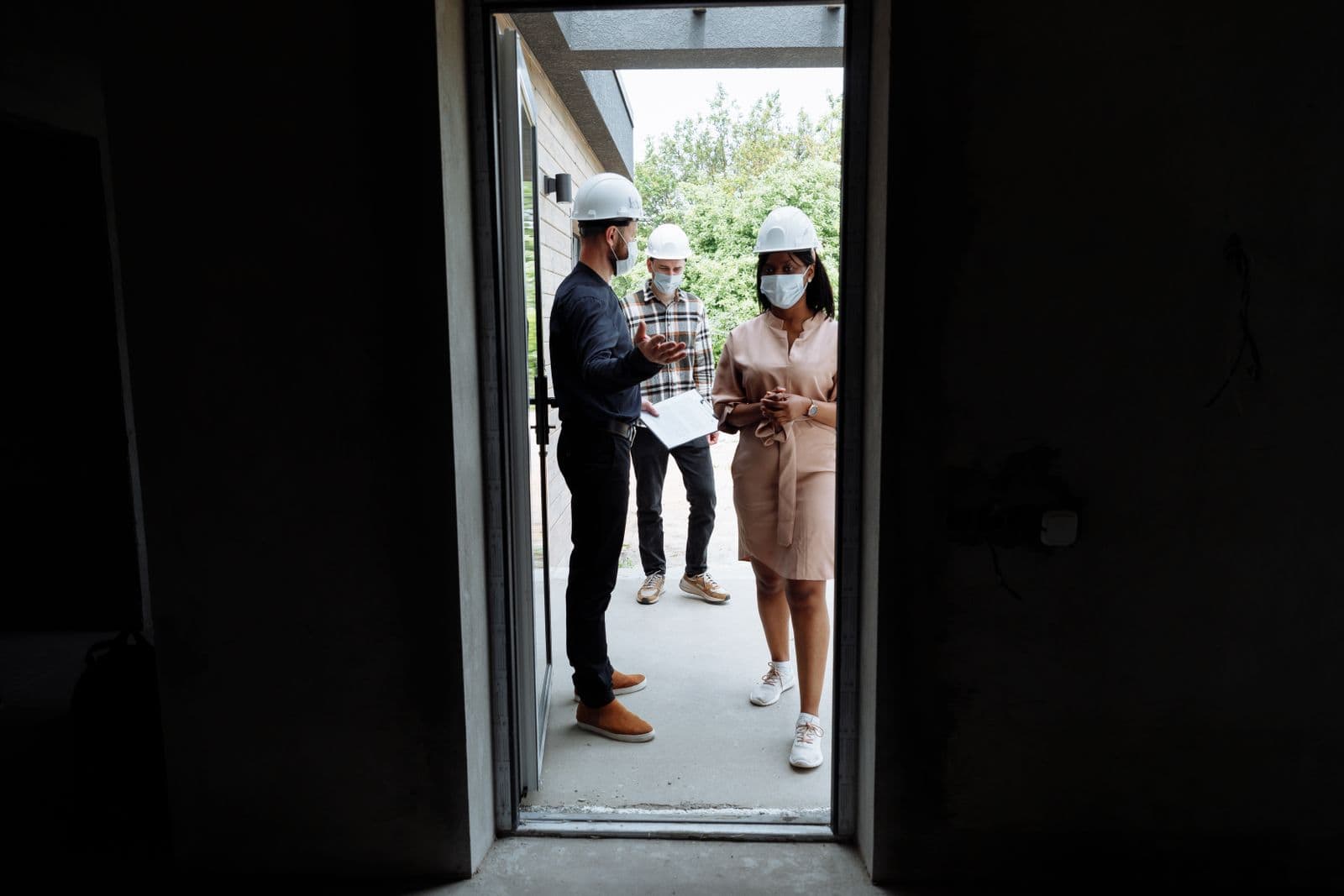
A house that requires overhead electric lights in the middle of a sunny afternoon can feel incredibly depressing to walk through. Dark rooms with tiny, poorly placed windows make spaces feel small, gloomy, and completely uninviting to guests. Natural sunshine is a vital feature that adds warmth and energy to any residential living space.
You cannot easily add new windows to a house without compromising the structural integrity of the exterior walls or incurring major renovation costs.
Buyers want bright, cheerful environments where they can relax, enjoy their morning coffee, and feel energized. If a property feels like a dark bunker, shoppers will quickly head back toward the exit, trusting their instincts about how a space makes them feel day after day.
Key Takeaway

When shopping for a new home, structural safety, fresh air, and functional layouts will always triumph over superficial staging or trendy paint colors. Recognizing these major red flags early in the viewing process can save your family from a lifetime of financial regret and expensive renovations. Keeping a sharp eye out for hidden flaws ensures that your largest investment remains a source of joy rather than a permanent headache.
Disclaimer – This list is solely the author’s opinion based on research and publicly available information. It is not intended to be professional advice.
Like our content? Be sure to follow us