Millennials are more likely than boomers to regret buying a home: 13 things they likely do
A rush of millennials chasing the dream of homeownership is now discovering the fine print can cost far more than the house itself.
Millions of younger buyers rushed into the housing market over the past few years to grab their slice of the pie. They wanted big yards for their dogs and nice kitchens for entertaining friends on weekends. Unfortunately, the reality of homeownership is hitting this generation much harder than their parents.
Boomers often purchased houses at a fraction of current prices and enjoyed a much smoother ride to equity. Millennials are finding themselves trapped in expensive money pits that drain their bank accounts daily. Now, many of these proud owners are losing sleep over broken pipes and rising property taxes.
Skipping The Crucial Home Inspection

In a desperate rush to secure a property, countless buyers waived their right to a professional home inspection. They handed over their life savings without checking what was lurking behind the freshly painted drywall. A Fox 13 report found that 86 percent of millennials have regrets about their home purchase.
Missing this critical step means you are blindly inheriting someone else’s expensive DIY disasters. A seemingly perfect roof might actually need a complete replacement before the next winter storm hits. You never want to discover a cracked foundation after you have already signed the mortgage documents.
Underestimating Hidden Maintenance Costs

The monthly mortgage payment is just the starting point for the true cost of keeping a house standing. First-time buyers rarely budget enough money for regular upkeep and sudden emergency repairs. A recent 2025 Zillow report revealed that the hidden costs of homeownership average a staggering $16,000 annually.
You suddenly become responsible for every leaking pipe and broken water heater inside the building. Landlords used to handle those annoying midnight plumbing emergencies, but now that expensive burden falls entirely on your shoulders. Ignoring these financial realities is a guaranteed path to draining your emergency savings account fast.
Settling For A Terrible Location
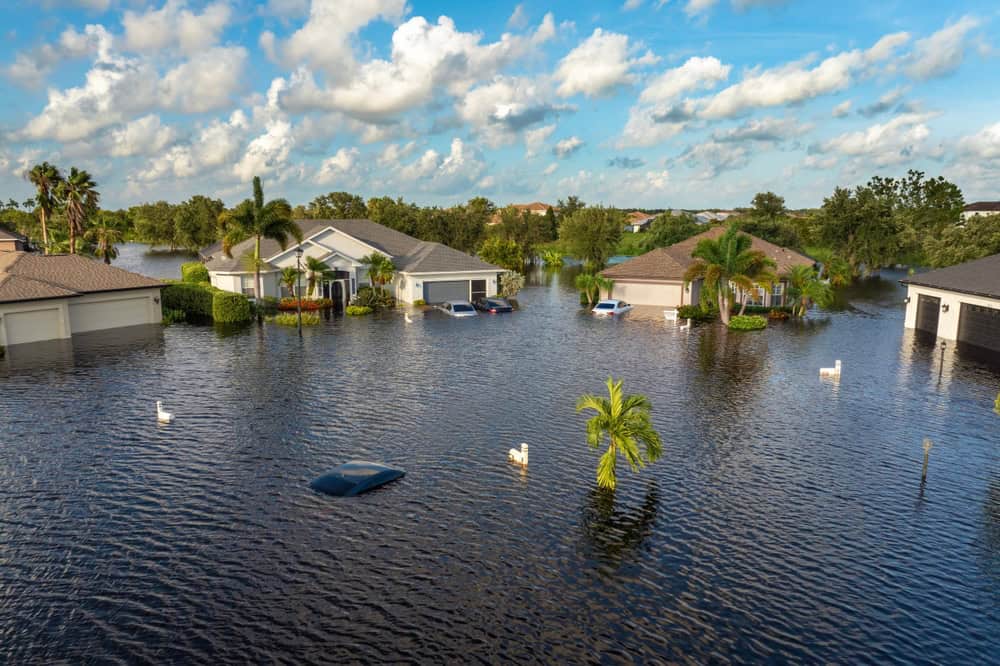
Many young buyers compromised on the neighborhood just to get their foot in the door of homeownership. They bought houses situated right next to busy highways or far away from essential community amenities. Spending two hours stuck in heavy traffic every single day quickly destroys any joy of owning property.
A beautiful kitchen means absolutely nothing if you hate the surrounding area and feel unsafe at night. You cannot pack up your house and move it to a better school district down the road. Real estate value heavily depends on location, making a bad neighborhood choice a permanent financial anchor.
Ignoring Strict Homeowner Association Rules

Neighborhoods with a Homeowner Association often look perfectly manicured and feature amazing community pools. However, buyers routinely sign the paperwork without reading the massive rulebook dictating what they can do. They find out later that they cannot paint their front door red or park a truck in the driveway.
These organizations also charge monthly fees that seemingly increase every single year without warning. According to Yahoo Finance, 20 percent of recent buyers express profound regret over the price of the home and associated monthly costs. Getting slapped with a hefty fine for having weeds in your flowerbed will sour the homeownership experience instantly.
Maxing Out The Monthly Budget

Banks sometimes approve loans for amounts much higher than a person can realistically afford to pay comfortably. Young buyers took these maximum approvals as a green light to buy massive houses with huge monthly bills. They left themselves with absolutely zero wiggle room for groceries, vacations, or general fun.
Being house poor means your entire paycheck vanishes the moment it hits your checking account. This stressful financial situation forces you to stay home every weekend, staring at your expensive walls. Stretching your budget to the absolute limit leaves you entirely vulnerable to a sudden job loss.
Overlooking Outdated Electrical And Plumbing

Charming historic homes often hide dangerous secrets within their beautiful old bones and plaster walls. Buyers fell in love with original hardwood floors while completely ignoring the ancient knob and tube wiring. Data from the Angi report indicates that average home maintenance and repair spending hit roughly $2,041 in 2024.
Upgrading an entire electrical panel or replacing cast-iron plumbing requires taking out a massive second loan. These invisible systems are the literal lifeblood of a property and cost a fortune to modernize. Ignoring old pipes is a major red flag that guarantees catastrophic water damage in the future.
Failing To Research Property Taxes

Local governments love to reassess property values right after a house sells for a record high price. Millennials calculated their monthly payments based on the previous owner’s tax bill instead of the updated valuation. They received a shocking letter from the county assessor demanding thousands of extra dollars.
These taxes fund local schools and roads, so they generally climb higher year after year. A sudden spike in your property tax bill can easily break a tight monthly household budget. You must investigate historical tax trends in the county before falling in love with a specific listing.
Buying a Fixer-Upper Without Skills

Reality television shows make home renovations look incredibly fast, cheap, and surprisingly fun to do yourself. Inspired by these programs, completely inexperienced buyers purchased run-down properties expecting to transform them effortlessly. They quickly realized that hanging drywall and laying tile requires actual talent and immense patience.
Half-finished projects completely ruin the living experience and create constant stress for the entire family. Hiring professional contractors to fix your amateur mistakes costs double what you originally planned to spend. Taking on a massive renovation project without construction knowledge is a surefire recipe for a nervous breakdown.
Underestimating The Commute Time

The pandemic sparked a remote work revolution that convinced urban renters to flee to distant rural suburbs. People bought sprawling properties located hours away from their physical office buildings and normal social circles. A Yahoo Finance report highlighted that 75 percent of homebuyers often harbor regrets, with some citing the challenges of unexpected location drawbacks.
Companies soon mandated a return to the office, forcing these new homeowners into brutal daily commutes. Spending your morning battling bumper-to-bumper traffic saps your energy before the workday even begins. That huge backyard feels much less appealing when you only see it in the dark after a miserable drive.
Compromising On Layout And Size

Desperation caused many young buyers to settle for awkward floor plans and extremely cramped living quarters. They convinced themselves that a tiny house would be perfectly fine despite planning to start a family. Two years later, they are practically tripping over baby toys and fighting for closet space.
Adding an extension to a small house is incredibly expensive and sometimes prohibited by local zoning laws. You end up stuck in a box that no longer serves your growing household’s needs. Buying a house that clearly does not fit your long-term lifestyle is a massive mistake.
Ignoring Signs Of Water Damage

Water is a destructive force that can quietly ruin the structural integrity of a wooden building. Eager buyers noticed strange brown stains on the ceiling but believed the seller’s promise that it was fixed. The Fannie Mae 2024 National Housing Survey showed that 77% of consumers thought it was a terrible time to buy, partly due to the high risks involved.
Mold remediation costs thousands of dollars and creates a highly toxic environment for your lungs. A faint musty smell in the basement is always a glaring red flag screaming for your immediate attention. Overlooking water intrusion issues will eventually lead to rotting wood and collapsing roof structures.
Getting Swept Up In Bidding Wars

The housing market turned into a vicious battlefield where rational thinking completely vanished from the equation. Buyers let their competitive egos take control and offered wildly inflated prices just to beat the competition. They waived appraisals and offered cash guarantees that put their financial futures in serious jeopardy.
Paying fifty thousand dollars over the asking price immediately puts you in a negative equity situation. The momentary thrill of winning a bidding war fades the second you realize you overpaid for the asset. Real estate should be an investment, not a trophy won at the expense of your retirement savings.
Rushing the Decision-Making Process

Buying a home is arguably the largest financial transaction a normal person will ever complete. Fear of missing out drove thousands of millennials to sign thirty-year contracts after a fifteen-minute walkthrough. They rushed through the paperwork without consulting financial advisors or thoroughly reviewing the neighborhood data.
Patience is an absolute necessity when evaluating properties and analyzing long-term market trends. Waiting for the right house is always smarter than buying the wrong house just to say you own something. A rushed purchase almost guarantees you will be calling a moving company again within five years.
Like our content? Be sure to follow us