10 ways the $3‑a-day measure misses the real face of poverty
Extreme poverty is often reduced to a single, tidy number: $3 a day. It sounds clear, measurable, and solvable, but the truth is far messier. In June 2025, the World Bank raised the extreme poverty line from $2.15 to $3.00 (in 2021 PPP), instantly adding about 125 million people to the global count, even though no one became poorer overnight. Roughly 836 million people (one in ten humans) still live below this threshold, yet this figure masks how poverty is experienced differently across the globe.
USAID notes they “fail to capture depth, relative poverty, or lived economic reality,” while Dr. Michail Moatsos of King’s College London calls it a “misleading shortcut,” since small PPP adjustments can move nearly 200 million people in or out of poverty on paper.
Someone just above the line may have little in common with someone far wealthier, yet both are treated equally non-poor. This list peels back the numbers to reveal the lived realities behind them.
The $3 line is a moving, abstract target

The World Bank defines extreme poverty at $3 per person per day (2021 PPP), up from $2.15 after a 2025 revision. This reflects frugal consumption in the poorest countries, not a dignified standard of living. In practice, it’s a calculated comparison of local prices to U.S. prices, so the number sounds less punishing than life on the ground.
Despite the update, 836 million people (roughly 10.5% of the global population in 2022) still live under this line. Sub-Saharan Africa’s poverty rate jumped to 45.5% using newer data, showing how abstract thresholds miss daily hardship.
People just above the line face crisis too
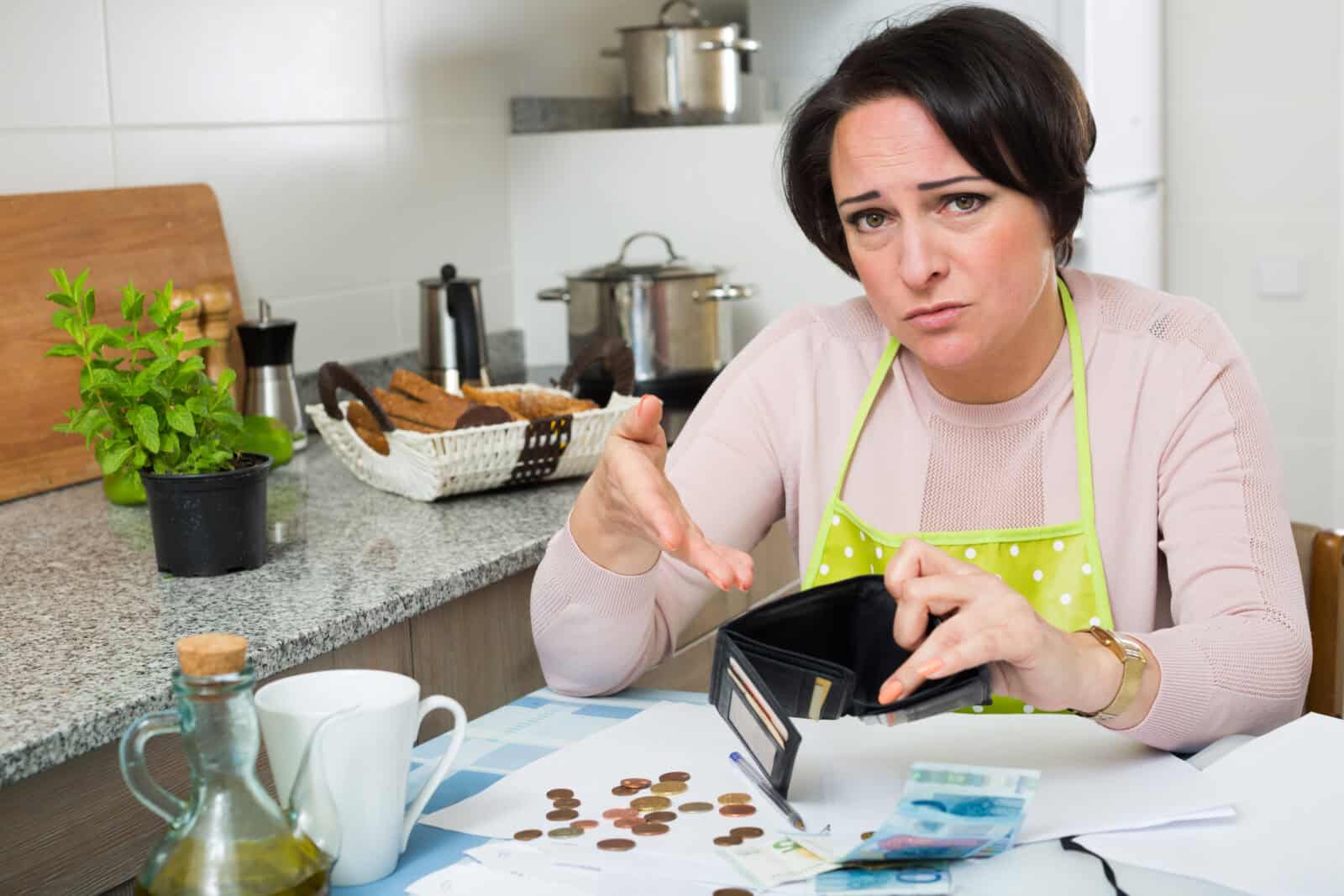
Standard poverty measures ignore those living slightly above $3 a day who are highly vulnerable to shocks. Studies in Indonesia show that about 50% of households above the extreme poverty line face a 50-50 chance of falling into hardship during illness, job loss, or natural disasters.
The “Vulnerability to Poverty Line” captures this fragility, highlighting that millions hover precariously, unable to absorb unexpected costs. These households often endure similar stress, malnutrition, and insecurity as the officially poor, making the $3 benchmark an incomplete lens for real-world suffering.
Multidimensional poverty paints a broader picture
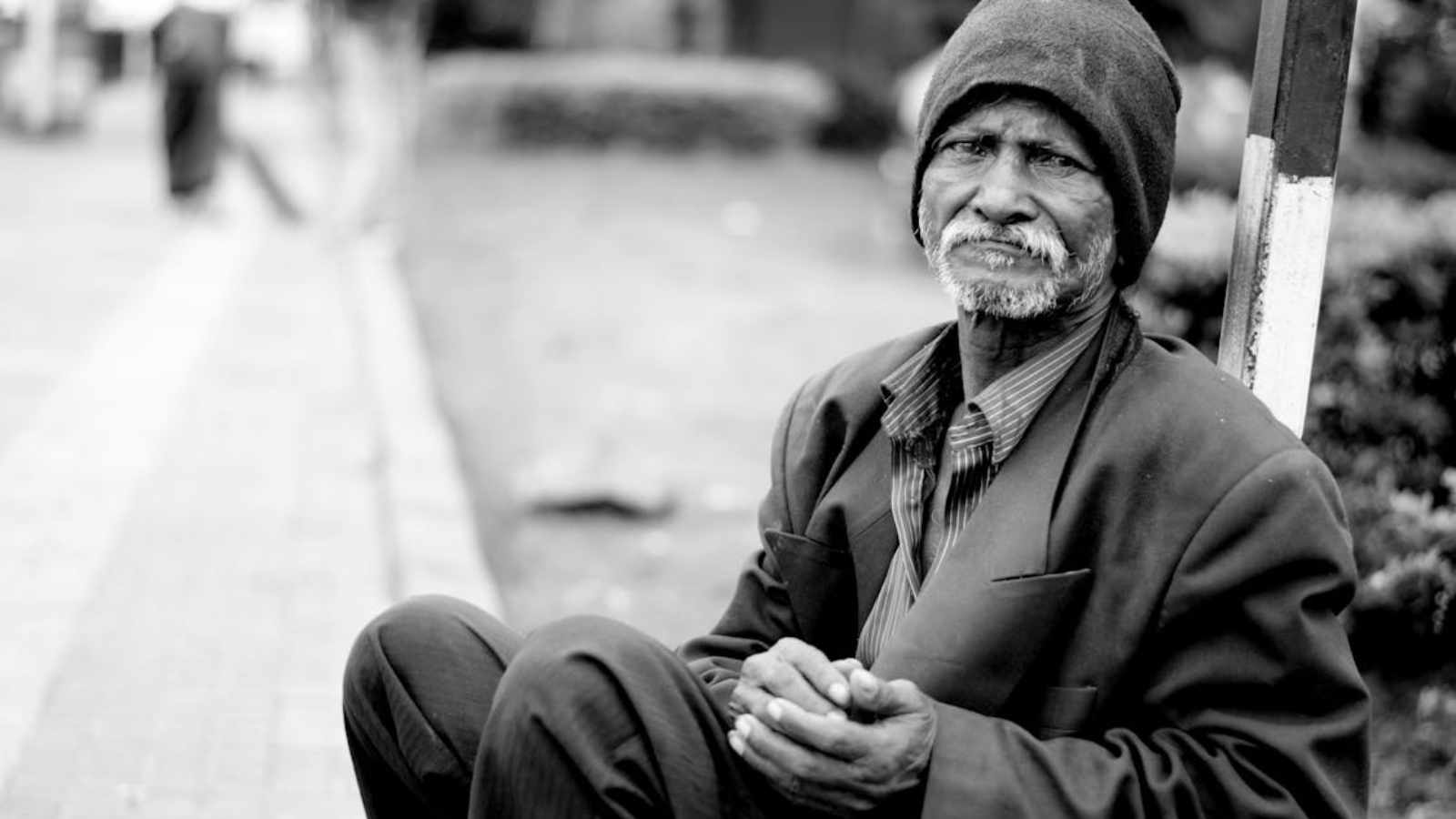
Beyond dollars, the World Bank tracks deprivation in schooling, sanitation, water, and electricity. Its Multidimensional Poverty Measure finds roughly 18% of the global population suffers multiple deprivations, far above those counted as extremely poor by income alone.
This approach reveals that many people above $3 a day still lack basic services, undermining health, education, and opportunity. The income line alone misses these realities, leaving millions invisible. Multidimensional poverty shows that money matters, but capabilities, infrastructure, and social support define whether people live dignified lives.
Education drives poverty and is shaped by it

Low schooling levels trap households in cycles of low income and limited opportunity. Research shows that income-based measures alone ignore educational deprivation, which predicts earnings, health outcomes, and resilience to shocks. Children in households with minimal access to school face fewer opportunities to escape poverty.
This means even families above the extreme poverty line may be effectively constrained by educational gaps. Addressing poverty requires considering both immediate income and long-term human capital, showing that what children learn, or don’t learn, shapes household stability for generations.
Health and living conditions hide the true cost

People earning above $3 a day can still endure unsafe housing, overcrowding, poor sanitation, and limited electricity. Social determinants like these drive illness and premature death, disproportionately affecting children and older adults. The WHO highlights that access to safe housing, clean water, and healthcare is as crucial as cash income.
Families can survive on income above the line yet live in environments that amplify disease, stress, and mortality. Counting dollars alone misses the “poverty of environment” that shapes health and life expectancy in profound, measurable ways.
Relative poverty exposes inequality even in rich countries
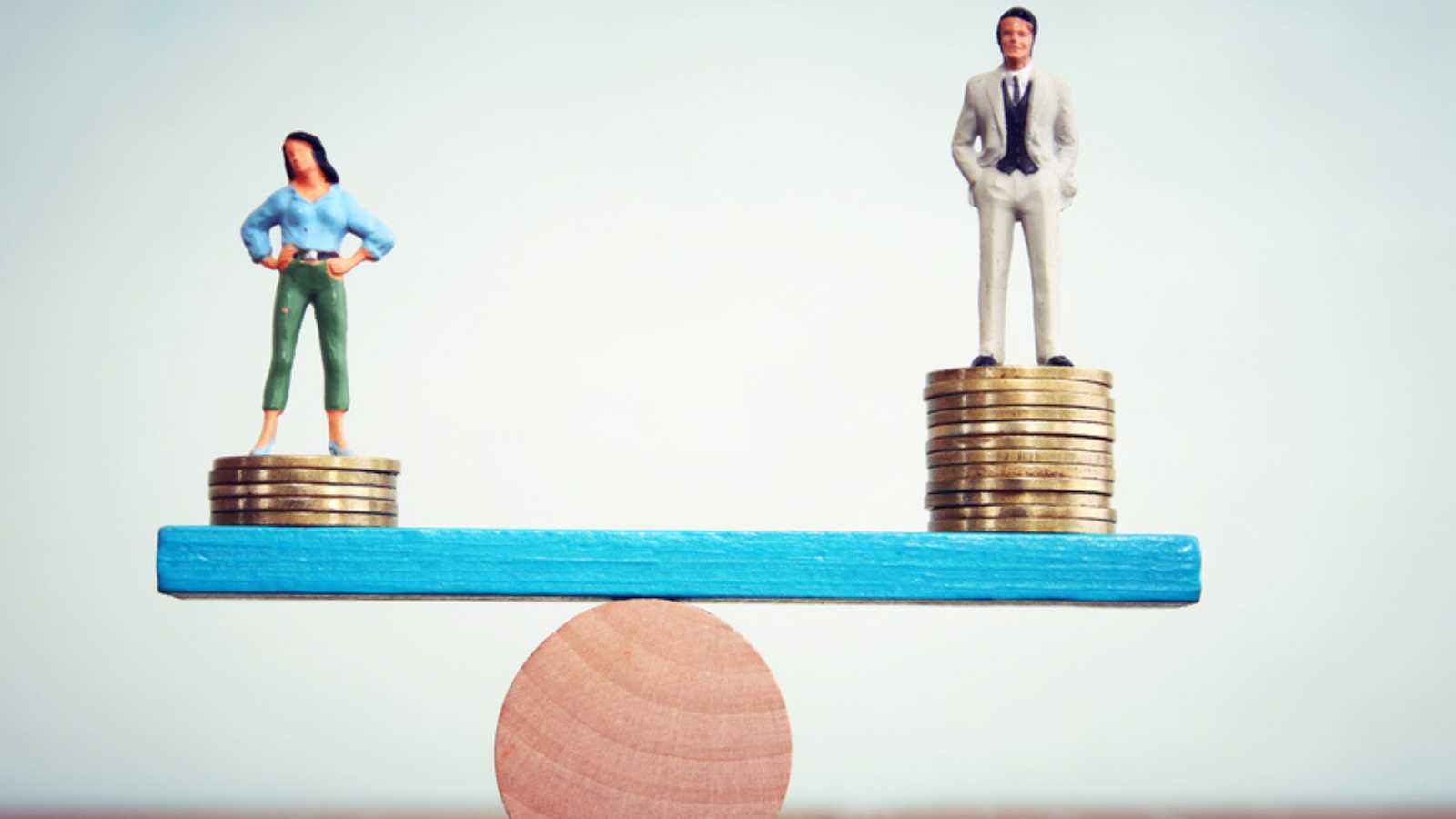
In high-income nations, poverty is measured against the societal median. OECD data show 11.4% of people in 2021 fell below half the national median income, with U.S. rates hitting 18%. Children and older adults often experience even higher relative poverty.
Unlike extreme global thresholds, relative poverty captures the deprivation of opportunities, social inclusion, and access to housing and services. Families may earn more than $3 a day but still struggle to meet local norms, showing that economic hardship is context-dependent and socially constructed, not captured by global PPP comparisons.
Housing costs push incomes below survival levels

Rent and mortgage payments can turn technically “above-poverty” incomes into unsustainable budgets. UK data show that the poorest quarter of households spend 21% of their income on housing, versus 6% for the wealthiest. Accounting for housing costs increases relative poverty from 17% to 22%, adding 3.4 million people to the poverty count.
Even in countries where basic income exceeds $3 a day, housing and utility burdens can erode financial security, forcing families to trade health, nutrition, and education for shelter. This invisible squeeze highlights why income lines alone understate deprivation in urban or high-cost areas.
Women and children feel the pinch most
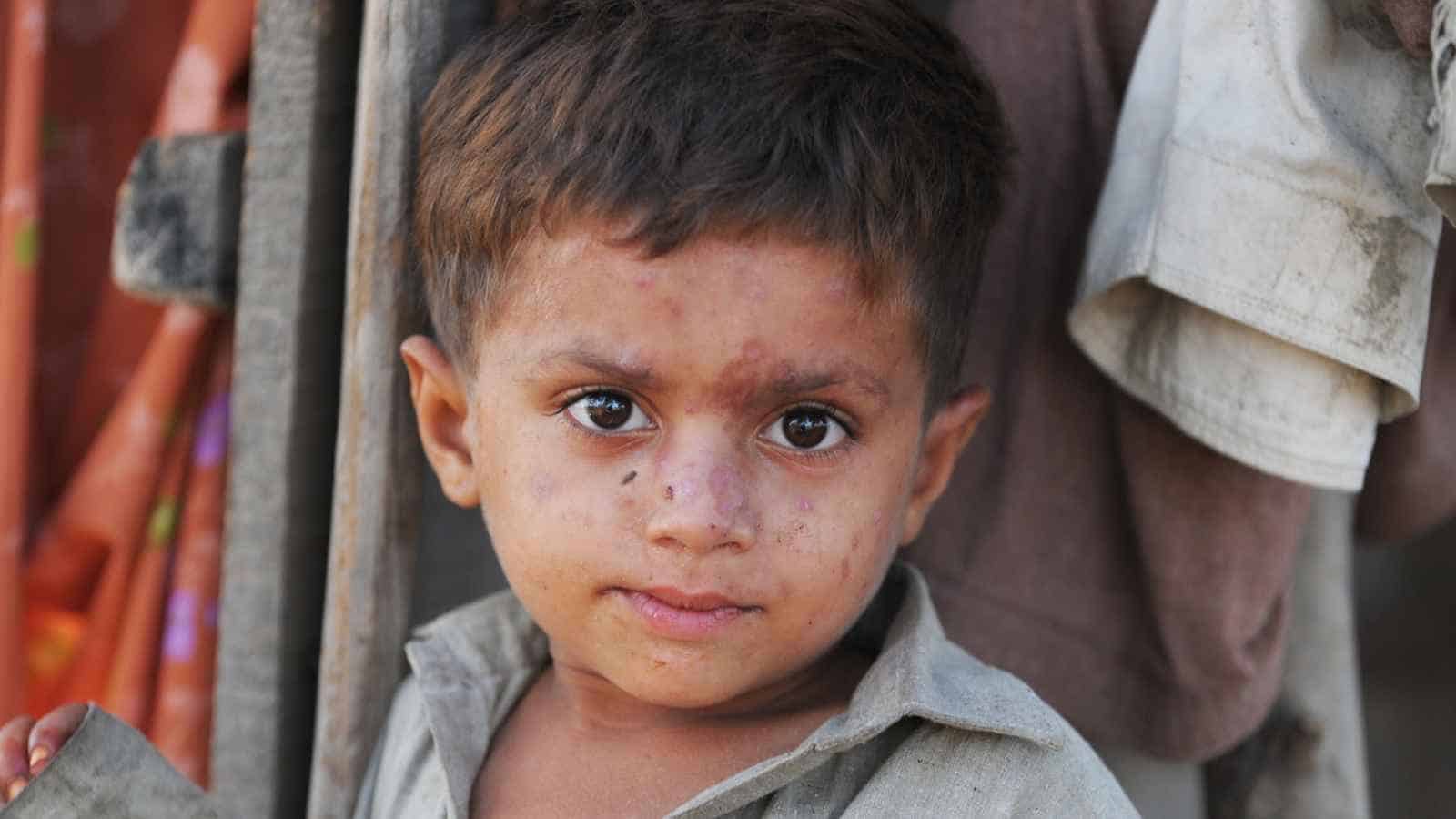
Poverty hits unevenly across gender and age. OECD data show women experience higher income poverty (12.1%) than men (10.7%), reflecting pay gaps, caregiving responsibilities, and interrupted work. Child poverty is persistent, affecting more than one in five in multiple OECD countries.
Older adults face high relative poverty in retirement, with some rates reaching 40%. These patterns reveal that a single global $3 line erases the lived realities of specific populations, masking the structural inequalities that keep women, children, and the elderly in cycles of deprivation despite nominally “adequate” income.
National poverty lines tell different stories

Income thresholds vary widely by country. In the U.S., a family of four is considered below the poverty line if earning under $30,000, far above $3 a day. Local data reveal ZIP codes with 7% to nearly 50% of residents below the official line, showing pockets of deep deprivation.
Aggregated global figures fail to capture these variations, making vulnerable communities invisible in international comparisons. Who counts as poor depends not just on dollars, but on cost of living, local infrastructure, and social services—facts that income lines alone cannot reflect.
Ending poverty requires more than a number

The UN’s SDG 1 calls for ending poverty “in all its forms everywhere,” signaling that money alone is insufficient. Experts emphasize multidimensional approaches because poverty includes vulnerability, lack of education, housing, health services, and social rights. The WHO stresses health equity and access to opportunity as critical.
Together, these perspectives show the real question isn’t “Who earns less than $3?” but “Who lacks the capabilities, security, and dignity to live a meaningful life?” This framework exposes the limitations of a single income line as a measure of global poverty.
Key Takeaways

Income-based poverty measures, like $3 a day, are too narrow to capture the complexity of real deprivation. Millions above the line live with fragile earnings, housing stress, educational gaps, and poor access to services. Multidimensional measures reveal a broader picture of vulnerability, inequality, and structural disadvantage.
Women, children, and older adults are disproportionately affected, while national and local data highlight stark differences across regions. Ending poverty means addressing capability, access, and opportunity; not just counting dollars.