11 reasons your 401(k) balance might shrink next month
A sudden drop in your 401(k) balance next month may have less to do with a market crash and more to do with quiet, predictable forces already in motion.
Seeing your retirement savings dip can feel like a punch to the gut, especially after you have worked so hard to build that nest egg over the years. It is easy to panic when numbers decline, but understanding the specific triggers behind the drop is the first step to staying calm and making smart moves.
Many factors contribute to these fluctuations, ranging from broad economic shifts to specific choices you may have made with your account recently, without realizing the impact. Before you call your plan administrator in a frenzy, take a moment to review these potential causes so you can decide if you need to act or just sit tight.
You Stopped Auto Escalation

Many modern plans have a cool feature that automatically bumps up your savings rate by 1% every year. If you recently turned this feature off, you may notice your balance is not growing as quickly as it did in previous years.
Sticking to a flat contribution rate means inflation slowly erodes the real value of your savings. Turning that automatic increase back on is one of the easiest ways to ensure your balance continues to move in the right direction.
Market Volatility Is Shaking Things Up

Stock prices move up and down every single day based on news, earnings reports, and global events that are often totally out of your control. According to The Motley Fool, the 10 largest stocks in the S&P 500 recently accounted for 38% of the index, making the market highly concentrated and prone to sudden swings.
When these few massive companies have a bad week, your entire portfolio can feel the impact almost immediately, even if the rest of the economy is fine. You might see a temporary dip in your balance next month simply because a few tech giants had a rough patch.
You Might Be Cashing Out Early

Changing careers often tempts people to take the money and run rather than rolling it over into a new qualified retirement plan. Fidelity reported in late 2024 that 41% of workers typically cash out their 401(k) savings when they change jobs, triggering taxes and penalties.
This decision immediately reduces your balance and reduces your long-term compound interest potential more than you might expect. If you recently left a job and received a distribution, the check you received explains why your retirement account appears much smaller.
Hardship Withdrawals Are On The Rise

Life happens fast, and sometimes people feel compelled to tap their retirement funds to cover immediate, pressing financial needs such as medical bills or repairs. Nasdaq data indicate that hardship withdrawals increased recently, with 4.8% of participants initiating one in 2024 to stay afloat.
Taking this money out solves a problem today, but leaves a permanent dent in your savings that is very difficult to repair later. You will likely see a significant drop in your account value next month if you processed one of these withdrawals to pay off a debt.
Investment Fees Are Being Deducted

Most people forget that mutual funds and plan administrators charge money to manage investments, and these costs are often taken directly from the fund assets. While fees have declined, Fidelity notes that the average expense ratio for equity mutual funds remained 0.40% in 2024.
These costs might seem small as a percentage, but they add up to real dollars that vanish from your account balance at regular intervals. You might notice a slight shrinkage in your total balance when these quarterly or annual administrative fees are quietly assessed.
You Paused Your Contributions
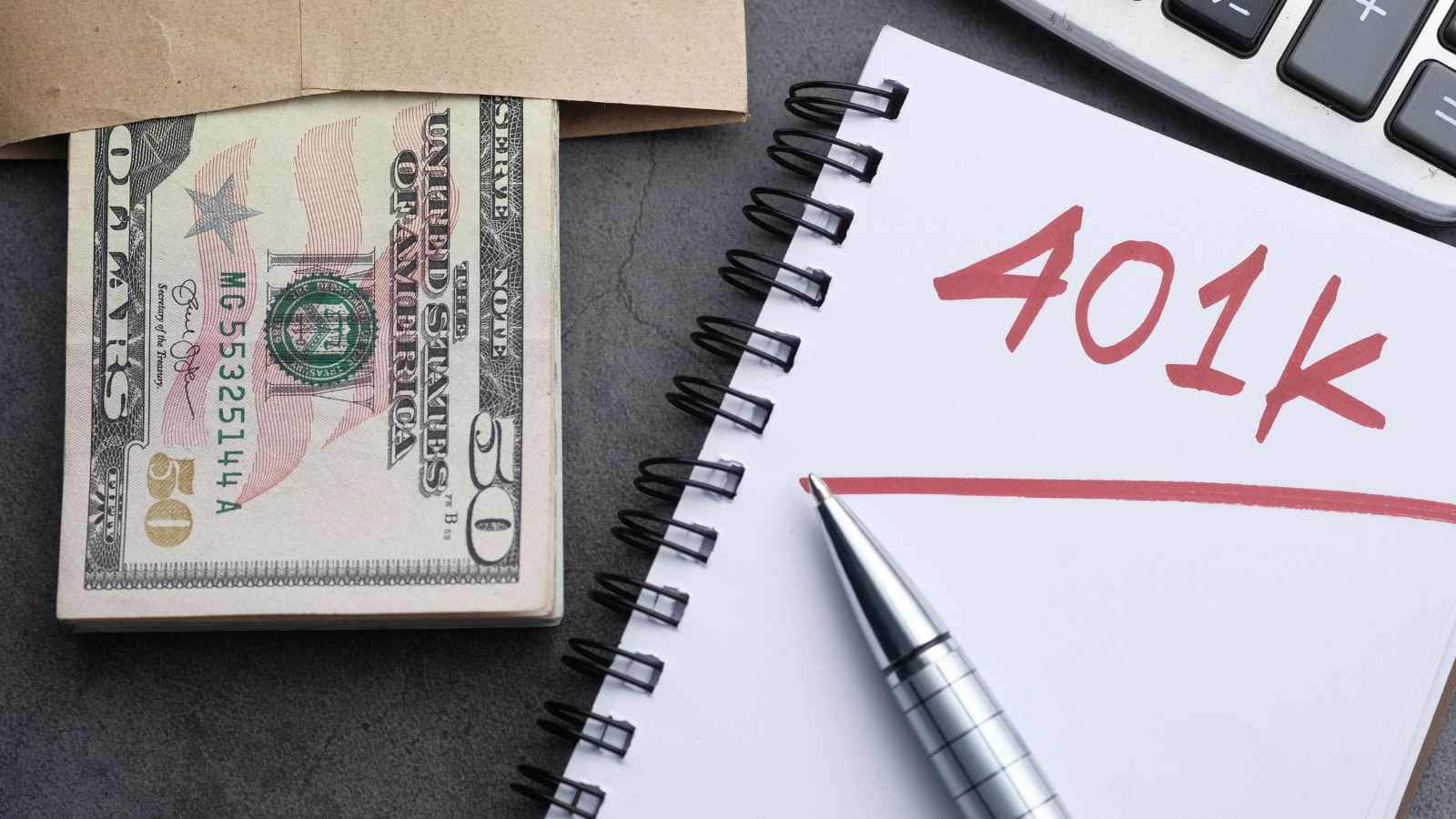
When the cost of living rises, many hardworking Americans pause their retirement savings to free up cash for bills. The Federal Reserve found that 37% of adults would be unable to cover a $400 emergency expense with cash, forcing many to prioritize today over tomorrow.
Stopping your regular deposits means your balance will stagnate or decline if the market dips even slightly during that period. Your 401(k) cannot grow if you stop feeding it, so a pause in contributions is often the culprit behind a lackluster monthly statement.
Your Employer Match Has Not Vested

Seeing money in your account does not always mean it is yours yet, as companies often require you to stay for a few years before you can keep their contributions. If you leave your job before this period ends, you forfeit that extra cash, which helps explain why the average employer match of 4% to 6% might disappear.
Check your vesting schedule to confirm you own all funds currently displayed in your online dashboard. You could be in for a rude surprise if you leave early and lose the portion of the balance that your company contributed.
Target Date Funds Are Rebalancing

Many retirement plans use funds that automatically adjust your risk level as you approach your retirement. These funds sell stocks and buy bonds periodically to make your portfolio safer, which can sometimes cause short-term fluctuations in value.
This process is automated and supports your long-term security, but the actual trade dates may appear unusual on your statement. You might see a shift in your balance next month as the fund managers sell high and buy low to keep your asset allocation on track.
You Are Repaying A 401(k) Loan

Borrowing from your retirement savings might seem like a low-interest way to get cash, but it comes with a catch that reduces your invested balance. The money you withdrew is no longer in the market, earning returns, so you miss out on any growth that occurs while you are paying yourself back.
Your balance will appear lower until you have fully repaid the principal amount borrowed from the account. Each month you spend repaying the loan is a month when that money sits on the sidelines instead of working for you in the market.
Dividend Payouts Are Delayed

Some funds pay dividends to shareholders at set times of the year, and there can be a lag between declaration and distribution. If you are used to seeing a bump in your balance from these payments, a slight delay can make it appear as if you are losing ground.
This is usually just a timing issue with accounting, not a sign that you have actually lost any real money. Patience is key, as dividend payments typically appear in your account within a few days to a few weeks.
Bond Yields Are Fluctuating

People often think bonds are completely safe, but their prices actually drop when interest rates rise or market expectations shift. If your portfolio is heavy on bonds, recent changes in the yield curve could be dragging down your total performance.
This relationship is normal, and bonds still provide an important buffer against the stock market’s wild swings. Don’t panic if the safe portion of your portfolio dips slightly; it is still diversifying your risk.
15 Things Women Only Do With the Men They Love

The 15 Things Women Only Do With the Men They Love
Love is a complex, beautiful emotion that inspires profound behaviors. We express our love in various ways, some universal and others unique to each individual. Among these expressions, there are specific actions women often reserve for the men they deeply love.
11 reasons your 401(k) balance might shrink next monthThis piece explores 15 unique gestures women make when they’re in love. From tiny, almost invisible actions to grand declarations, each tells a story of deep affection and unwavering commitment.