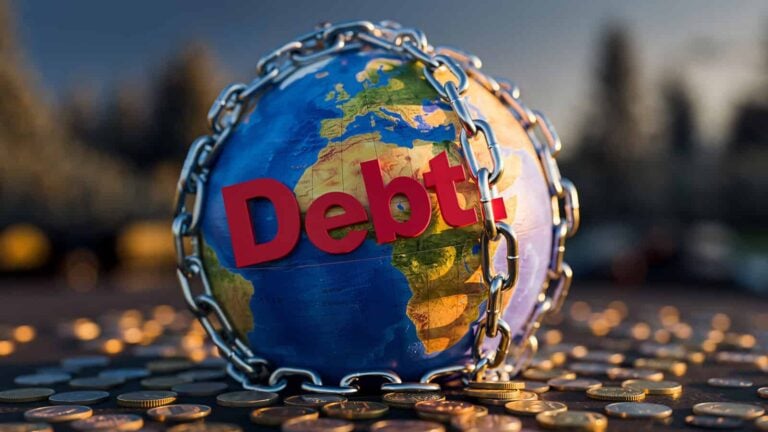
13 money tips that will be useless in 2026
Financial rules that once built middle-class security are turning into liabilities as technology, inflation, and housing rewrite the math heading into 2026.
Financial advice has a shelf life that seems to be getting shorter every single year. The strategies that helped your parents buy a house or retire comfortably are quickly becoming outdated in a faster economy. You need to look ahead to keep your wallet safe, as 2026 is approaching. If you are still holding onto money rules from a decade ago, you might find yourself falling behind faster than you can count.
The economy is shifting beneath our feet, driven by changes in technology, housing markets, and inflation. Sticking to the old playbook is not just stubborn; it is actively dangerous for your long-term wealth-building plans. We are looking at thirteen specific pieces of financial wisdom that you should probably toss in the trash bin right now.
Cutting Landlines To Save Money

This was once a classic tip, but now it is practically useless because almost no one has a landline to cut. The new version of this advice is auditing your streaming subscriptions, which have quietly become as expensive as cable. You are likely paying for services you have not used in months.
Subscription creep is the silent killer of modern budgets, draining your account in small increments. The average American now spends hundreds of dollars a month on various subscription services without even realizing the total cost. Focus on cutting the digital fat rather than worrying about a phone cord that does not exist.
Writing Paper Checks For Bills
You might feel dignified signing a check at the grocery store or mailing one for utilities, but you are slowing everyone down. The days of floating a check for a few days before payday are long gone because digital processing is instant. Electronic transfers are safer and faster, leaving a verifiable digital trail that paper cannot match.
Banks are moving away from processing paper because it is too costly and time-consuming to handle physical slips. According to the Federal Reserve, the number of commercial checks collected has declined from billions in the past to significantly lower levels recently. If you are still ordering checkbooks in 2026, you will be paying fees for a service nobody wants.
Banking At Just One Location

Loyalty to a single brick-and-mortar bank used to get you better loan rates and a toaster, but those days are over. Staying with one big bank usually means you are missing out on high-yield savings accounts offered by online competitors. You are effectively paying for their marble floors and fancy lobbies with your lost interest earnings.
Online banks have changed the game by offering lower fees and better tools to manage your spending habits. The average savings account rate at a traditional bank hovers near zero, while online banks offer rates more than 10 times higher. Breaking up with your old bank is the smartest move you can make for your idle cash.
Saving Only Ten Percent Of Income

The old rule of thumb was to tuck away ten percent of your paycheck for a rainy day or retirement. That number is woefully inadequate given current inflation and longer life expectancy. You need to aim significantly higher if you want to maintain your current standard of living when you finally stop working.
Cost-of-living increases have outpaced wage growth for years, eating into the purchasing power of that ten percent. Northwestern Mutual’s 2024 Planning & Progress Study found that Americans believe they now need $1.46 million to retire comfortably. Saving a small slice of your income is no longer enough to hit that moving target.
Expecting A Cheap Starter Home

Waiting for housing prices to crash so you can pick up a cheap starter home is a strategy that ignores reality. The inventory for small, affordable homes has all but vanished as builders focus on larger, more profitable units. The concept of a starter home is disappearing, forcing first-time buyers to rent longer or buy bigger.
You cannot time the market perfectly, and sitting on the sidelines often means watching prices climb even higher. Data from the National Association of Realtors consistently shows that the median existing-home price continues to rise year over year. Waiting for a bargain in 2026 will likely leave you without a set of keys.
Ignoring Artificial Intelligence Tools

Some people pride themselves on doing all their budgeting and investment calculations by hand. Ignoring AI financial tools is like trying to build a house without power tools; you can do it, but it is inefficient. These programs can analyze your spending patterns and suggest cuts you would never notice on your own.
The new wave of financial apps can automatically rebalance your portfolio and identify tax-loss harvesting opportunities. By 2026, using AI to manage your cash flow will be as standard as using GPS to drive to a new city. Resisting this technology puts you at a disadvantage against everyone else who is optimizing their wealth.
Sticking Strictly To 60/40 stocks and bonds

The classic portfolio split of 60% stocks and 40% bonds was the gold standard for decades. Market correlations have changed, meaning bonds do not always protect you when stocks fall, as we saw in recent years. You need a more diversified approach that includes alternative assets to protect your nest egg truly.
Investors are now looking at real estate, commodities, and even digital assets to smooth out the ride. Relying solely on this binary split leaves your portfolio vulnerable to periods of high inflation, during which both asset classes lose value. It is time to broaden your horizons beyond just the two main food groups of investing.
Waiting For Social Security Full Benefits
Counting on Social Security to fund your entire golden age is a risky gamble that few financial planners recommend. The program’s future is uncertain, and benefits will likely not cover your expenses. You have to treat these government benefits as a nice bonus rather than the main course of your retirement meal.
Younger generations are rightfully skeptical about what the system will look like when they finally clock out. The Social Security Board of Trustees projects that, without legislative changes, the trust funds could be depleted by 2033. Building your own safety net is the only way to sleep soundly at night.
Thinking Cash Is Always King

While having some cash on hand is smart for emergencies, using it for everything is becoming increasingly complex. Many venues, from stadiums to airlines, have gone completely cashless and will not accept your dollar bills. Being stubborn about cash may lead to being turned away by businesses that prioritize speed.
Digital payments offer security and expense tracking that physical money cannot provide. Pew Research Center recently reported that 41% of Americans say none of their purchases in a typical week are paid for with cash. The world is moving toward tap-to-pay, and you do not want to be left fumbling for change.
Avoiding The Gig Economy Entirely

Thinking that a single nine-to-five job is the only dignified way to earn a living is an outdated mindset. Side hustles provide a critical safety buffer and allow you to pay down debt much faster than a standard salary. Ignoring the gig economy means leaving potential income on the table that could help you achieve your financial goals faster.
You do not have to drive for a rideshare app; you can freelance or sell digital products online. According to a Bankrate survey, twenty-seven percent of U.S. adults have a side hustle to help make ends meet. Diversifying your income streams is the best insurance against sudden layoffs.
Relying On Employer Loyalty

Staying at one company for thirty years in hopes of a gold watch and a pension is a fairy tale. The biggest pay raises almost always come from switching jobs, not from waiting for an annual review. Loyalty to a corporation is rarely reciprocated as employees hope.
Job hopping has become the standard way to climb the ladder and increase your lifetime earnings. Data suggest that employees who stay in the same job for long earn less over their careers. You have to be the CEO of your career and fire employers who do not pay.
Ignoring Climate Change Insurance Costs
You might think climate change is just a political debate, but your insurance company has already done the math. Homeowners in many states are seeing their premiums skyrocket or are being dropped entirely due to weather risks. Ignoring this factor when buying a home could leave you with a property you cannot afford to insure.
This is a financial reality that will significantly impact property values and your monthly budget. According to Policygenius, home insurance premiums surged by an average of twenty-one percent from May 2022 to May 2023. You must factor in rising climate-related costs before you sign a mortgage.
Investing Only In Domestic Markets

Putting all your money into U.S. companies is a strategy that ignores the growth potential of the rest of the world. Emerging markets often offer faster growth rates as their middle-class populations expand and consume more goods. A truly diversified portfolio needs to have a passport and be able to travel across borders.
Home bias is a common psychological trap that makes investors feel safer while actually increasing their risk. The U.S. share of global GDP is shrinking relative to rising economies, meaning you are betting on a smaller slice of the pie. Spread your bets globally to capture returns wherever they happen to appear.
15 Things Women Only Do With the Men They Love

The 15 Things Women Only Do With the Men They Love
Love is a complex, beautiful emotion that inspires profound behaviors. We express our love in various ways, some universal and others unique to each individual. Among these expressions, there are specific actions women often reserve for the men they deeply love.
This piece explores 15 unique gestures women make when they’re in love. From tiny, almost invisible actions to grand declarations, each tells a story of deep affection and unwavering commitment.