6 best and 6 worst states for property owners in 2026
Property ownership costs vary dramatically across the United States. According to the Tax Foundation, effective property tax rates range from less than 0.30% in some states to more than 2% in others, creating thousands of dollars in annual cost differences for homeowners.
At the same time, homeowners insurance premiums continue to rise in many parts of the country, particularly in regions vulnerable to hurricanes, wildfires, and severe storms. As a result, where you own property can have a major impact on your long-term housing costs and investment returns. Here are the six best and six worst states for property owners in 2026 based on property taxes, insurance costs, tax climate, and overall affordability.
Hawaii

Paradise comes with a massive surprise when the local tax assessor drops the annual bill into your mailbox. The stunning island state pairs jaw-dropping scenery with a gentler ongoing tax burden than many buyers expect.
While purchasing a home still requires substantial financing, the annual levy often feels lighter than in other premium coastal markets. That softer hit lets families enjoy more of what they moved for, rather than stressing over every envelope from the county office.
You can spend more time on beaches, fresh food, and quiet mornings at home without wondering if the next bill will blow up your budget. For people seeking both beauty and stability, Hawaii can quietly support long-term well-being when the numbers align.
Alabama

Sweet Home Alabama offers a real breather for anyone trying to keep annual housing bills under control. Homeowners here face some of the lightest property tax demands in the country, which makes it easier to stretch modest paychecks. That is a big deal for families who need space in their budget for groceries, gas, and basic fun.
Lower overhead helps residents build a more balanced life that includes savings, repairs, and regular family outings. Instead of sending so much income to the tax office, they can focus more on upgrading cars, caring for pets, and preserving their long-term retirement plans. A national review lists Alabama with an effective real estate tax rate near 0.38 percent and median yearly property taxes under $890 on a typical home.
Colorado

Colorado’s Rocky Mountain views come with a tax picture that feels more grounded than many people expect. Buyers often see it as a place where dramatic scenery and decent public services do not always come with punishing yearly bills. That mix can make it easier to picture a future that balances lifestyle with long-term savings goals.
Because the recurring costs are more predictable, homeowners can plan home projects and everyday expenses with less fear. Families can put more cash into outdoor hobbies, small renovations, and weekend trips instead of funneling every spare dollar toward property taxes. For people who love nature but still need to watch their budget, Colorado can be a comfortable middle ground.
Nevada

Nevada proves you do not have to gamble with your financial stability when choosing a new home base. Many people move here to stretch their working income or retirement money while still enjoying plenty of nightlife and entertainment.
A friendlier tax setup keeps ownership from feeling like a constant uphill battle. With less pressure from recurring bills, residents can build more flexible plans around savings and everyday enjoyment.
It becomes easier to fund health goals, travel, and simple treats without every decision revolving around the next assessment notice. World Population Review’s tables show Nevada with an effective property tax rate of about 0.47 percent and a median annual payment of about $2,027, keeping it among the lower-tax states.
South Carolina
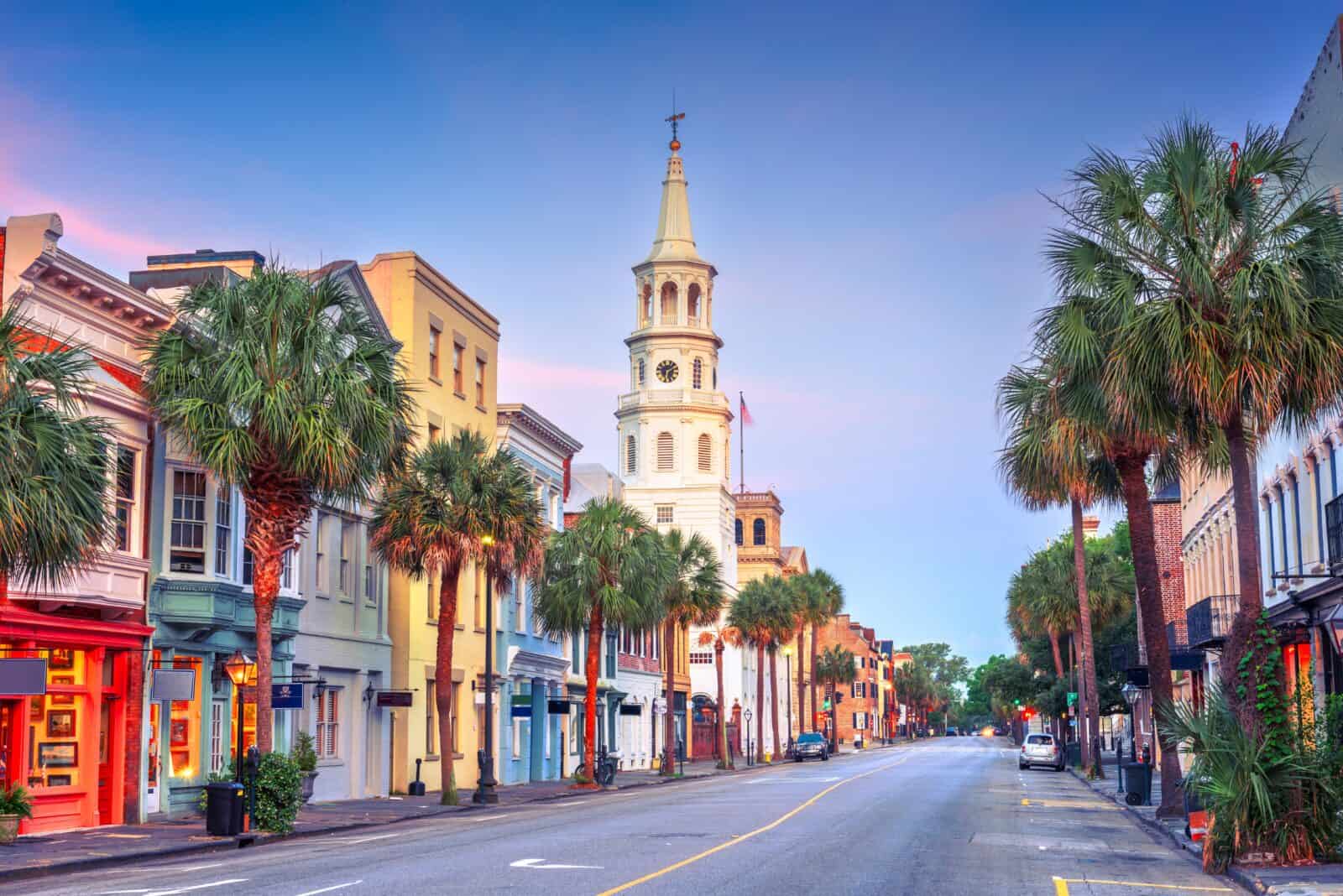
Southern hospitality extends to the tax ledger in South Carolina, where many new arrivals find a softer landing than expected. You can settle near historic towns or coastal views without feeling like annual bills will instantly crush your plans. That lighter touch gives both young professionals and retirees more breathing room as they settle into local life.
Because the recurring load is easier to handle, everyday decisions do not feel quite as tense. Money that would have gone straight to tax authorities can instead support local restaurants, family trips, and a healthier savings cushion. For people looking to balance charm, community, and a manageable budget, this state can quietly support long-term well-being.
West Virginia

West Virginia treats independent homeowners with a level of care that stands out in today’s market. Lower home prices, combined with modest tax expectations, give new buyers space to build a life rather than pay bills.
It is especially appealing to people chasing simpler routines and quieter surroundings. That affordability allows residents to focus more on relationships, hobbies, and building a secure nest egg.
Simple pleasures like cooking at home, small trips, and caring for pets feel more realistic when property taxes are not constantly looming. Redfin’s 2026 comparison lists West Virginia with an estimated effective rate near 0.51 percent and places it among the states with the lowest typical property tax payments.
Texas

In Texas, everything feels larger, including the reality check that comes with owning a home. Skipping state income tax sounds great until you see how hard local property taxes work to fill the gap. That trade-off can surprise newcomers who did not fully account for long-term costs.
High recurring bills force many homeowners to treat housing like a central line item in their financial plan. Families may cut back on dining out, travel, or upgrades to keep pace with yearly assessments. For some, that means constantly adjusting their budget so homeownership does not swallow every chance to enjoy life.
Nebraska

Nebraska’s wide open skies hide a harsher truth in the tax column for property owners. People who move here for quiet and space sometimes discover their yearly bills are heavier than expected.
Owning land in the plains can take more discipline than the calm landscape suggests. Those bigger obligations mean every project and purchase has to be timed carefully.
Home improvements, vacations, and even modest lifestyle upgrades all compete with the need to keep up with escrow and assessments. A property tax summary based on WalletHub data ranks Nebraska among the 10 highest‑burden states, with an effective rate around 1.50 percent and median annual payments near $3,350.
New York

The Empire State mixes very high home prices with a tax environment that pushes many family budgets to the edge. From busy city streets to quieter suburbs, the ongoing cost of simply holding onto a property can feel relentless. Owning here often demands careful planning instead of just chasing the dream of a favorite neighborhood.
When so much of your income disappears into housing, everything else in your budget gets squeezed. Data compiled by Property Tax by State shows New York’s effective property tax rate at 1.55 percent, with the typical homeowner paying about $6,582 per year in real estate taxes, ranking the state sixth highest in the country.
Connecticut

Connecticut’s postcard towns and leafy streets can come with serious sticker shock once taxes enter the conversation. For many homeowners, it is not just the mortgage that bites but the repeated demands that never let up. That steady drain shapes almost every other financial decision they make throughout the year.
When housing takes such a large share of income, even simple plans need more thought. People find themselves weighing vacations, home projects, and everyday purchases against a calendar of fixed bills. Over time, the constant calculation can strain both financial confidence and overall mental health, even for families who appear comfortable on paper.
Illinois

Illinois brings real heat to the tax table, and many buyers underestimate the impact. Even modest homes can produce bills that feel like a second car payment, turning what seemed affordable into a stretch. That quiet erosion can slow wealth building long before people realize what is happening.
The heavier burden means every lifestyle choice has to be filtered through a tighter lens. Residents often cut back on fun, travel, and small luxuries to keep their heads above water. Country Tax Calc’s ranking places Illinois near the very top, with an effective property tax rate around 2.08 percent, second only to New Jersey in that comparison.
New Jersey

New Jersey stands as the toughest environment in this lineup for anyone craving tax breathing room. Annual property bills can be so steep that homeownership feels like managing a second business.
Even high earners can feel locked into a constant cycle of paying and recalculating. Under that kind of pressure, everyday spending takes on a different mood.
Families often trim extras and rethink long-term plans to meet the county’s expectations each year. The result is a version of homeownership where financial discipline is constant, and the sense of freedom depends entirely on how well your budget keeps pace.
Disclaimer: This list is solely the author’s opinion based on research and publicly available information. It is not intended to be professional advice.
Like our content? Be sure to follow us