11 ways consumer culture pushes people into lifelong debt
Debt rarely begins as a grand financial disaster. More often, it starts as a small permission slip. Just this once. I deserve it. I’ll pay it off next month. Everyone has a balance anyway. Then the bill arrives, interest joins the conversation, another emergency appears, and the purchase that felt temporary becomes part of a much longer story.
Across the U.S., total household debt climbed to roughly 18.8 trillion dollars in early 2026, according to The New York Fed, rising steadily even after the pandemic-era reset.
Consumer culture is very good at making debt feel normal. It tells people that a better version of life is always one purchase away: a cleaner home, a better body, a more stylish wardrobe, a more impressive vacation, a more successful child, a more lovable self.
The problem is not that people are weak. The problem is that the system is designed to make spending feel emotional, urgent, effortless, and socially rewarded, while repayment feels private, delayed, and shameful. Here are 11 ways consumer culture turns ordinary wants into long-term debt.
Debt gets sold as normal adulthood
At some point, debt stopped feeling like an emergency and started feeling like a rite of passage. Student loans, car notes, credit cards, furniture financing, phone installments, medical bills, buy now, pay later plans, and mortgages all get folded into the idea of being a regular adult. The message is quiet but powerful: if you want a life, you borrow first and breathe later.
Oregon State research on American consumers found that many people understood debt was risky, yet still saw credit cards and loans as ordinary tools of modern living. That is the cultural trap. When everyone around you is carrying balances, the danger starts to look normal. Debt becomes less like a warning light and more like background music. You may not love it, but you stop being shocked by it.
Easy credit trains people early
Credit not only offers money. It offers identity. Approval can feel like a little stamp of worth, as if a bank, store, or lender has decided you are grown enough, responsible enough, or desirable enough to access the thing you want now. That feeling can be especially powerful for young people who have not yet built savings or financial confidence.
Psychologists have warned for years that easy credit can condition people into borrowing before they fully understand the long-term cost. Once someone starts treating available credit as available cash, the habit can follow them for decades. The danger is not only one bad purchase. It is the mental shift that turns a limit into a cushion, then turns that cushion into a lifestyle.
Stress makes impulse spending easier

Financial stress should make people more careful, but human psychology is not that neat. When people are exhausted, anxious, overworked, lonely, or stretched thin, self-control gets harder. A purchase can become a tiny act of relief: a takeout order after a terrible day, a dress that makes you feel seen, a toy for a child because saying no again feels unbearable.
APA reporting on spending psychology has pointed to the way stress affects decision-making and self-control. That matters because debt often grows during emotionally crowded seasons. People do not always spend because they are careless. Sometimes they spend because the day has been too much, the future feels heavy, and the checkout button offers a little spark of control that the rest of life is not giving them.
Social comparison turns wants into needs

Consumer culture runs on comparison. Someone else’s kitchen looks calmer. Someone else’s vacation looks happier. Someone else’s skin looks brighter. Someone else’s child has the better birthday party, the better shoes, the better bedroom, the better school supplies. Suddenly, what used to be enough starts looking like proof that you are falling behind.
This is where lifestyle inflation sneaks in. A raise arrives, but instead of creating breathing room, it becomes the down payment on a more expensive version of normal. Better apartment. Better car. Better phone. Better wardrobe. Better weekends. Better everything. The problem is that the finish line keeps moving.
If identity depends on keeping up, debt becomes the engine that helps people perform a life they cannot comfortably afford.
Advertising is designed to bypass willpower
Modern advertising does not simply tell people a product exists. It studies longing. It studies insecurity. It studies timing, attention, desire, and fear. Then it meets people in the exact moment they are most likely to buy: late at night, after a bad day, during a scroll, before payday, after a breakup, before an event, or when they are already comparing themselves to someone else.
The smartphone made this even more powerful. Wanting and buying now happen almost in the same breath. You can feel insecure, see a product, read a glowing review, apply a discount code, split the payment, and receive a confirmation email before your better judgment has had time to put on shoes.
Advertising used to interrupt life. Now it lives inside the devices people use to relax, work, parent, flirt, and escape.
Social media turns scrolling into shopping

Social media has turned desire into a feed. Influencers open boxes. Friends post trips. Celebrities share products. Strangers demonstrate gadgets you did not know existed five minutes ago. The algorithm watches what makes you pause, then returns with more of it.
Research on social media and impulse buying has found that social platforms can inspire spur-of-the-moment purchases by mixing entertainment, social proof, and targeted advertising. That is why a quick scroll can turn into a cart full of things that felt necessary only after the feed suggested them.
One small purchase may not matter. But repeated impulse buys, placed on credit cards or installment plans, can quietly become a debt pattern dressed as self-expression.
Experiences make debt feel emotionally justified

A vacation, concert, wedding trip, festival, birthday dinner, or girls’ weekend is not the same as buying random clutter. Experiences can be meaningful. They create memories, connections, and joy. That is exactly why people find it easier to justify borrowing for them.
FOMO gives debt a softer voice. You only live once. Everyone is going. The tickets will sell out. Your child will remember this. Your friends will post without you. The memory becomes the moral cover for the balance.
The problem is not enjoying life. The problem is a culture that makes belonging so expensive that people feel forced to finance joy and then pay interest on it long after the photos stop getting likes.
Credit card debt has become a trillion-dollar habit
The personal story of debt is intimate, but the national numbers are enormous. The New York Fed reported that U.S. household debt reached $18.8 trillion in the first quarter of 2026. Credit card balances alone stood at about $1.25 trillion, even after a seasonal decline from the previous quarter.
That number tells a bigger story than “people shop too much.” It reflects high housing costs, emergencies, stagnant budgets, medical bills, childcare, inflation, student loans, auto debt, and the steady normalization of living with balances.
A credit card can start as a convenience. Then it becomes a bridge. Then it becomes the thing carrying groceries, gas, school supplies, prescriptions, and the little purchases that make life feel less bleak for a moment.
Buy now, pay later makes debt feel harmless

Buy now, pay later sounds gentle. Four payments. No interest. No big deal. It breaks a purchase into pieces small enough to feel manageable, which is exactly why it works so well. The price does not disappear. It just gets softened.
Morgan Stanley reported that more than a quarter of U.S. consumers had used buy now, pay later, with adoption especially strong among younger shoppers. The Richmond Fed estimated that BNPL transactions reached about $70 billion in 2025, while still representing a small share of overall consumer credit.
That small-share detail matters, but so does the risk: when people stack multiple little payments across clothing, groceries, electronics, travel, and gifts, the total can become harder to see until payday is already spoken for.
Subscriptions create quiet, permanent drains
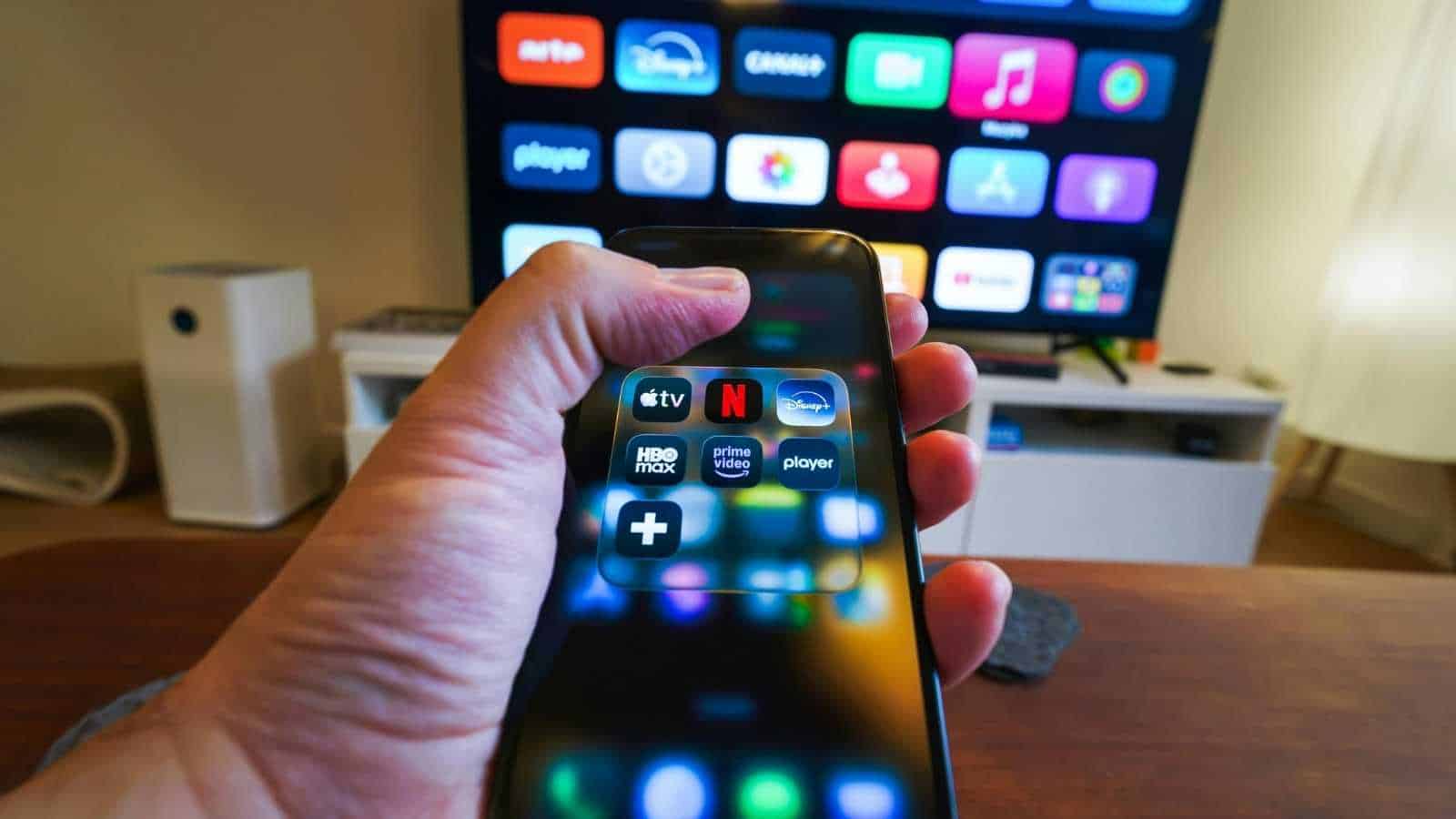
Subscriptions are the perfect modern debt-adjacent habit because they are small, forgettable, and recurring. A streaming service here. A fitness app there. Cloud storage, beauty boxes, delivery memberships, software tools, kids’ apps, meditation platforms, meal kits, premium accounts, and free trials that stop being free while no one is looking.
One industry analysis estimated that the average consumer spends about $133 a month on subscriptions, with 42% paying for forgotten services. The emotional danger is that subscriptions rarely feel dramatic enough to cancel one by one. But together, they turn wants into permanent line items.
When those charges sit on credit cards carrying balances, the subscription model becomes even more expensive because yesterday’s unused app may still be collecting interest next month.
Identity shopping keeps people chasing the next version of themselves

Consumer culture does not only sell products. It sells transformation. Buy this and become organized. Buy this and become elegant. Buy this and become youthful. Buy this and become soft, successful, desired, healed, powerful, calm, rich-looking, clean, glowing, disciplined, and loved. The product becomes a shortcut to a self that people are trying hard to reach.
That promise can be especially seductive for women because the market keeps turning female insecurity into revenue. Beauty, aging, motherhood, dating, wellness, home life, productivity, and confidence all become shopping categories. There is nothing wrong with pleasure, beauty, fashion, or wanting nice things. The danger begins when people are taught to keep purchasing new identities before they have paid off the old ones.
The takeaway
Consumer culture does not trap people in debt by accident. It builds the trap carefully. It normalizes borrowing, glamorizes spending, hides payment pain, rewards comparison, sells identity, and turns emotional needs into purchasable moments. Then, when the bill comes due, it tells people the shame belongs only to them.
The answer is not guilt. Women already carry enough of that. The answer is clarity. Debt is not always a personal weakness. Sometimes it is the predictable result of a culture that makes everything feel urgent, visible, expensive, and emotionally loaded. Wanting beauty, rest, joy, ease, connection, or a better life is not the problem. The problem is a marketplace that keeps teaching people to finance those needs at interest.
Disclaimer – This list is solely the author’s opinion based on research and publicly available information. It is not intended to be professional advice.
Like our content? Be sure to follow us