12 signs you are suffering from lifestyle creep
The most dangerous financial trap isn’t spending too much; it’s slowly redefining what you think you deserve.
You finally got that promotion you worked so hard for, and the paycheck that comes with it is substantially larger. But instead of feeling financially secure, you notice your bank account looks the same at the end of the month. It is a confusing phenomenon where your spending rises alongside your income, which leaves you with zero additional savings.
This silent budget killer often happens so gradually that you do not even realize it until you are in over your head. You might think you are just enjoying the fruits of your labor, but you are actually falling into a common financial trap. If you are wondering why you still feel broke despite making more money, read on for the red flags.
Your Savings Rate Has Stagnated
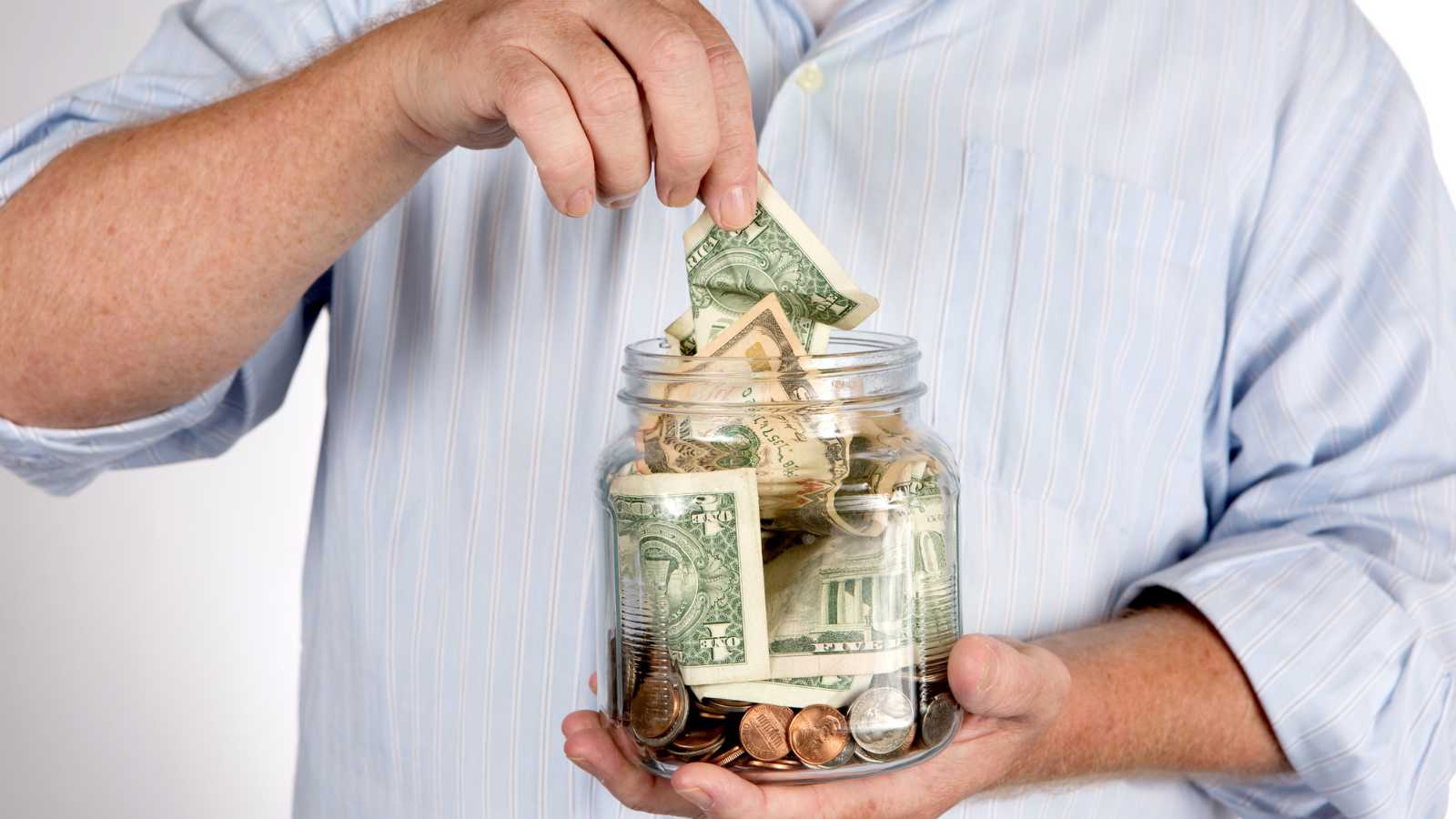
It is easy to assume that a higher salary automatically leads to a bigger savings account, but that is rarely the case without a plan. When your income goes up, you likely find new ways to spend that extra cash before it ever hits your savings. Many people fall into the trap of upgrading their lifestyle immediately rather than paying their future selves first.
The numbers paint a worrying picture for the average earner who believes they are doing well. According to USAFacts, Americans saved an average of just 4.6% in 2024 and 4.4% in 2025 of their disposable income, which is a significant drop from previous decades. If your savings percentage has not increased with your pay, you are likely dealing with lifestyle creep.
Small Treats Become Daily Habits

We all deserve a reward now and then, but occasional indulgences can quickly transform into expensive daily routines. That morning latte or fancy lunch might seem insignificant in the moment, but those costs compound over weeks and months. What used to be a special Friday treat has quietly morphed into a standard Tuesday necessity.
These small leaks in your budget are often where the most damage is done to your financial health. You justify these purchases by telling yourself you work hard and can afford it, yet they eat away at your wealth. Recognizing this pattern is the first step to reclaiming your cash flow.
You Pay For Unused Subscriptions

Signing up for a new streaming service or gym membership feels like a small commitment when you have a little extra money coming in. Over time, these monthly charges pile up, and you likely lose track of what you are actually using. It is common to hold onto services “just in case” you might need them one day.
The cost of this digital clutter is higher than most people realize, and it is a classic sign of financial drift. A 2024 study by Self Financial found that the monthly average value of unused paid subscriptions is $10.57 per person. That is money leaving your pocket every single month for absolutely no benefit in return.
Brand Names Replace Generic Goods

There was a time when you were perfectly happy with store-brand pasta and generic paper towels at the grocery store. Now that you earn more, you find yourself instinctively reaching for the premium versions without checking the price tag. This shift in grocery habits is a subtle way that lifestyle inflation infiltrates your weekly routine.
You might convince yourself that the quality difference is worth the extra cost for every single item in your cart. While some upgrades are valid, buying premium versions of everything just because you can is a dangerous habit. It is a fast way to inflate your grocery bill by hundreds of dollars.
Credit Card Balances Are Rising

Using credit cards for points is smart, but carrying a balance because your paycheck cannot cover your lifestyle is a major warning sign. If your credit card debt is growing despite your higher income, you are living beyond your means. The extra money you make is being used to service debt rather than build wealth.
This reliance on plastic is becoming a widespread issue for many households across the country. Experian reported that total consumer credit card debt increased by 8.6% to reach a staggering $1.16 trillion in 2024. Being part of that statistic is a clear indicator that your spending has outpaced your earnings.
Emergency Savings Are Nonexistent
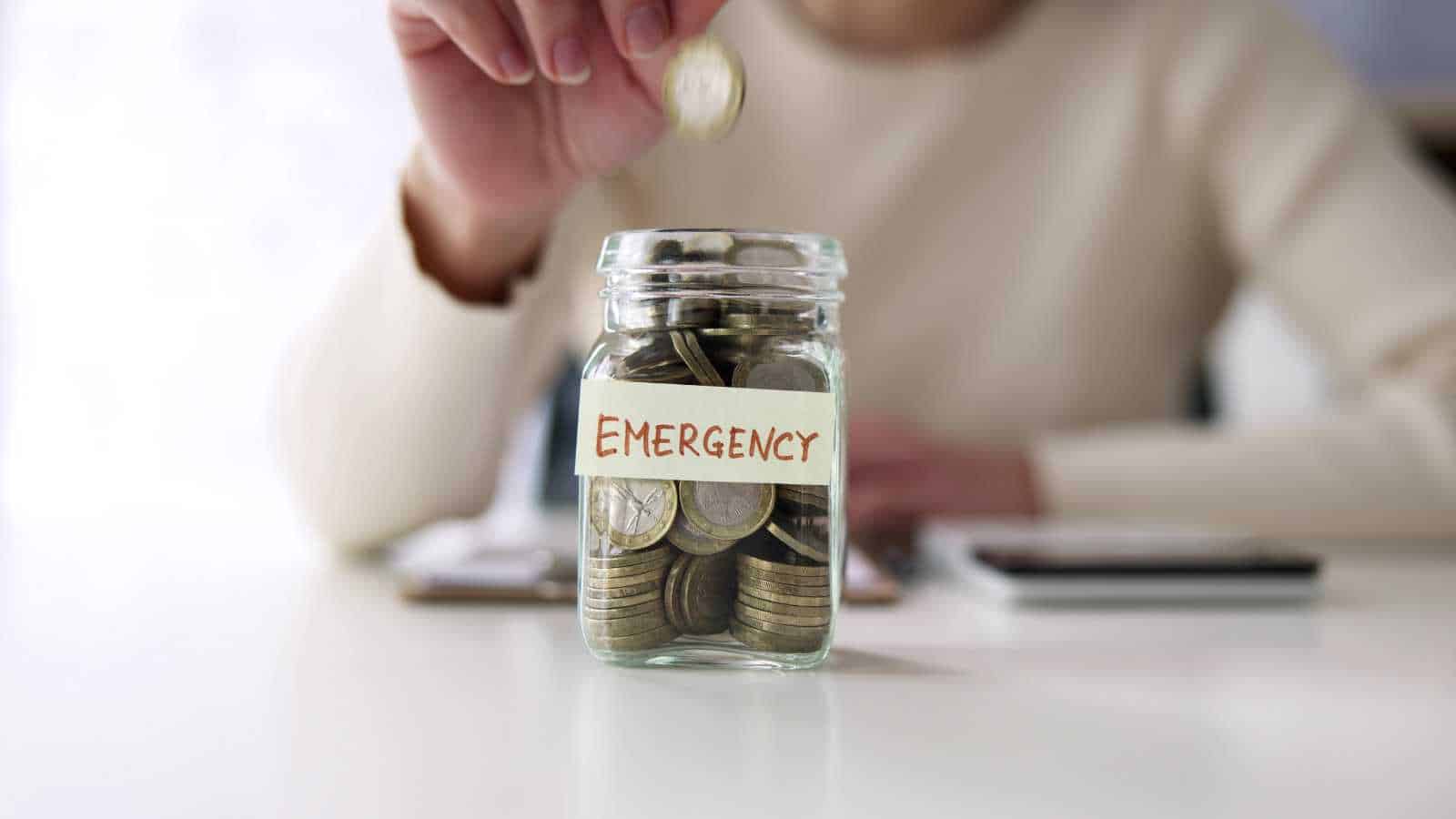
Earning a high income often gives people a false sense of security regarding their ability to handle unexpected costs. You might assume you can simply cash flow a car repair or medical bill, so you stop prioritizing your emergency fund. This mindset leaves you vulnerable to financial ruin if a job loss or major expense occurs.
Without a dedicated safety net, you are walking a financial tightrope with no protection below. The Federal Reserve’s 2024 SHED report revealed that 30 percent of adults could not cover three months of expenses by any means. If you are in this group despite a good salary, you are definitely experiencing lifestyle creep.
Socializing Costs Have Skyrocketed

As you climb the career ladder, your social circle often shifts to include people with expensive tastes. You might feel pressure to keep up with friends who dine at five-star restaurants or take lavish weekend trips. Saying no becomes harder when you technically have the money in your bank account.
This pressure to fit in can drain your resources faster than almost any other category of spending. You end up spending money you should be saving just to maintain an image of success among your peers. True wealth is often quiet while high spending is loud and destructive.
You Live Paycheck To Paycheck

It is a common misconception that only low earners struggle to make ends meet each month. Many high-income earners have committed every dollar of their salary to fixed costs and lifestyle choices before they even receive it. This leaves zero room for error and creates a cycle of financial stress.
The reality is that income level does not guarantee financial stability if spending is not controlled. LendEDU found that more than half of Americans, or 53%, say they are living paycheck to paycheck in 2025. If you are scraping by despite a healthy salary, your lifestyle has officially crept too far.
Convenience Is Your Top Priority

When you are busy making money, it is tempting to throw cash at problems to save time. Ordering delivery instead of cooking or hiring out every household chore becomes your default mode of operation. While valuing your time is important, paying for convenience can easily spiral out of control.
You stop looking for value and start looking for the easiest option, regardless of the price. This shift from cost consciousness to convenience seeking is a hallmark of lifestyle inflation. It bleeds money from your budget in a thousand small cuts.
Housing Expenses Eat Your Income

Moving into a nicer apartment or buying a bigger house is often the first thing people do when they get a raise. While improving your living situation is a valid goal, it frequently leads to being “house poor,” where your rent or mortgage dominates your budget. You upgrade your shelter but downgrade your financial flexibility.
The costs associated with a bigger home go far beyond just the monthly payment. Higher utility bills, more expensive furniture, and increased maintenance costs all tag along with that new address. It is the largest single contributor to lifestyle creep for most families.
Impulse Spending Feels Justified

With a higher balance in your checking account, the barrier to making impulse purchases practically disappears. You no longer pause to consider if you really need that new gadget or piece of clothing. The “I want it, so I will buy it” mentality takes over your decision-making process.
This lack of friction between desire and purchase creates a massive hole in your financial plan. According to Empower research from 2025, the average American now racks up around $2,000 a year in impulse purchases. That is a significant amount of capital that could have been invested for your future.
Wants Blur Into Needs

The most dangerous aspect of lifestyle creep is the psychological shift in how you view necessities. Things that used to be considered luxuries, like distinct vacations or high-end electronics, suddenly feel like basic human rights. You lose the ability to distinguish between what you need to survive and what is nice to have.
This mental reclassification makes it incredibly difficult to cut back spending if your income ever drops. You build a life that requires a high income just to maintain the status quo. Breaking this mindset is essential to reversing the effects of lifestyle inflation.
Like our content? Be sure to follow us