10 U.S. towns that once thrived and now struggle
Ever looked at an old postcard and wondered where all the people went? It is a haunting reality that the American Dream sometimes packs up and leaves town. We often hear about booming metropolises, but what about the places left behind?
I vividly remember driving through the Rust Belt for the first time; the silence of the shuttered factories was louder than any city noise. It is tragic yet fascinating.
According to a 2019 Carnegie Mellon report, these “desolated, post-manufacturing cities” struggle to rebuild after their main industries collapse. Let’s take a road trip through ten towns that have seen better days.
Detroit, Michigan
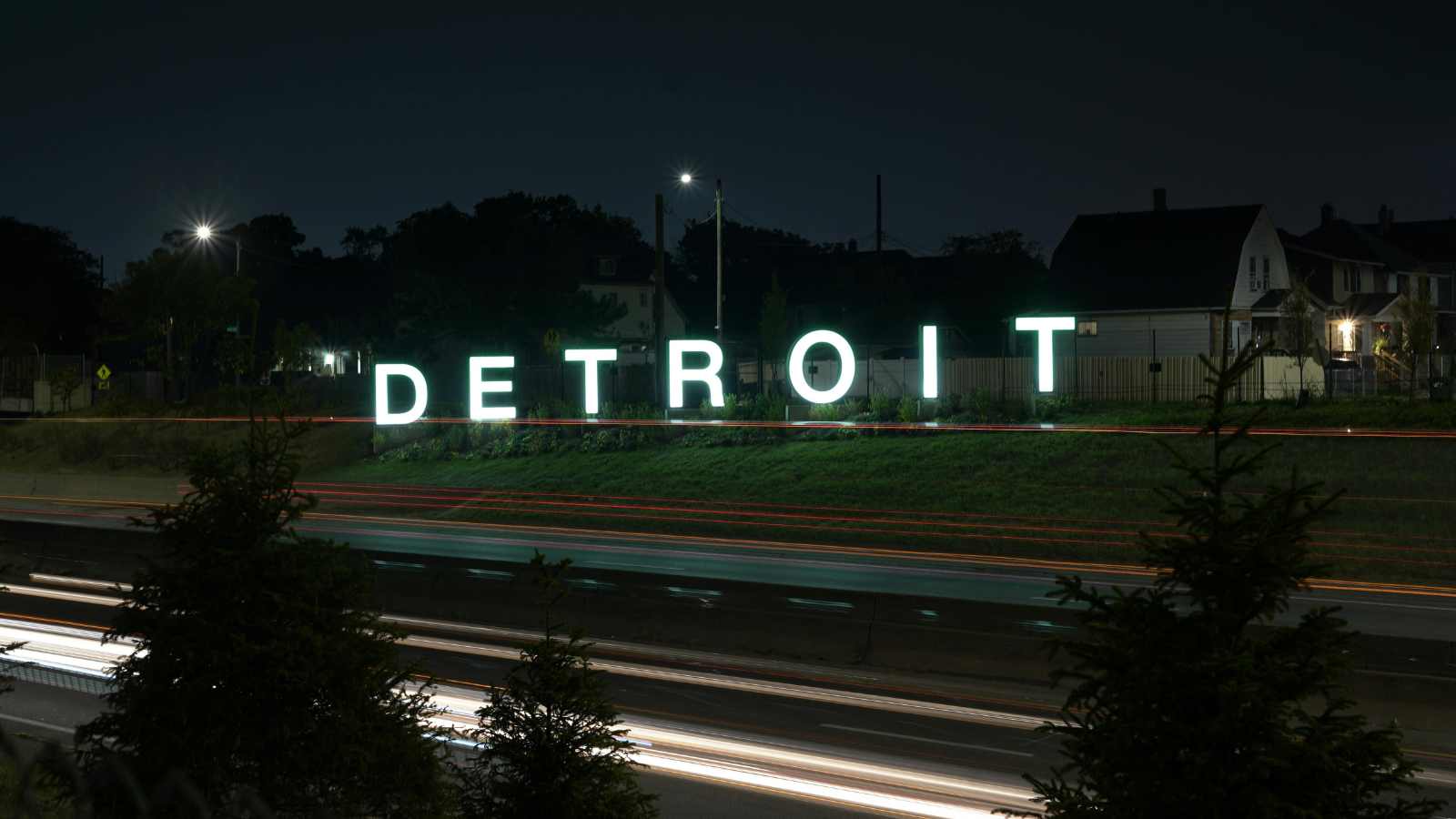
Once the crown jewel of American manufacturing, Detroit became synonymous with cars, wealth, and industrial might. By the 1950s, the city’s skyline reflected prosperity, its streets teeming with workers and the hum of assembly lines. But as factories moved overseas and automation replaced jobs, the backbone of Detroit’s economy fractured.
White flight drained tax revenue, schools fell into disrepair, and entire neighborhoods emptied. By the 21st century, abandoned homes, crumbling infrastructure, and municipal bankruptcy defined the city more than cars ever did. Yet Detroit’s story is not simply one of decline but also of resilience.
Community organizations, small businesses, and cultural revival efforts continue to redefine their identity, even as the scars of the past remain. Detroit is a city that collapsed under structural pressures it did not engineer, yet one that still pulses with the echo of its industrial glory.
Upper East Side, New York
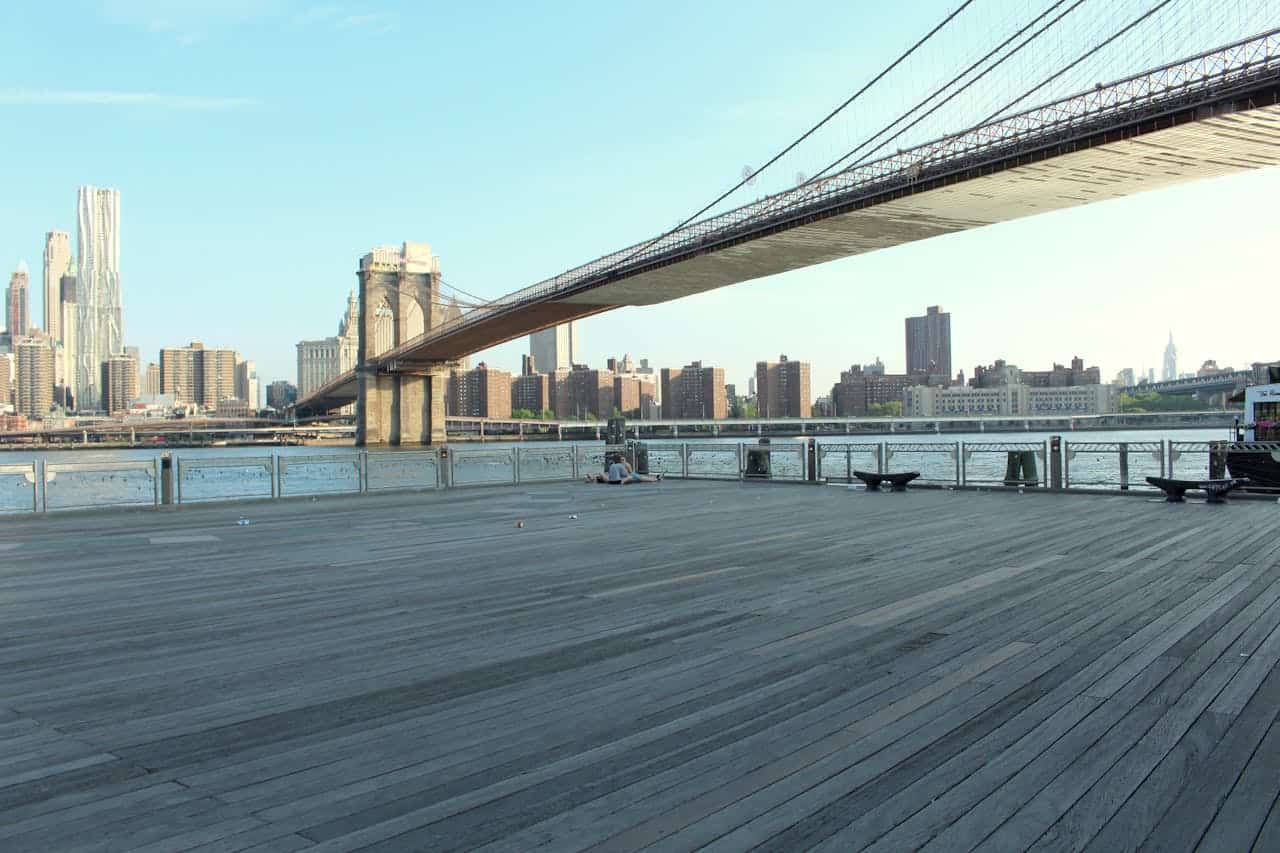
Even New York’s most affluent neighborhoods face urban churn. Once lined with mom-and-pop shops and bookstores, the Upper East Side has seen walk-up buildings replaced by high-rise luxury apartments. Local businesses struggle to survive amid soaring rents and retail space consolidation.
Chains and high-end boutiques dominate where community staples once thrived, creating a sense of hollow luxury. Yet the neighborhood retains wealth, tourism, and cultural significance. The Upper East Side illustrates how even success brings vulnerability: prosperity can reshape communities faster than residents or local economies can adapt.
Youngstown, Ohio
Once a steel powerhouse, Youngstown’s population peaked at 170,000 in the 1950s, with tens of thousands employed in local mills. The 1977 “Black Monday” steel closures wiped out 80,000 jobs, triggering rapid population decline and economic collapse.
Today, the city has lost nearly 60% of its population, with unemployment at around 12–15%, and abandoned neighborhoods dotting the landscape. Despite decades of hardship, small startups, urban farms, and community initiatives signal a slow revival, showing resilience amid the ruins.
Jefferson Street, Nashville, Tennessee

North Nashville’s Jefferson Street was once a vibrant Black cultural hub, home to jazz legends and civil rights leaders. Its nightlife thrived, businesses flourished, and a strong sense of community permeated the area.
But the construction of Highway 40 in the 1950s and ’60s decimated this neighborhood. Thousands were displaced, and hundreds of businesses disappeared under the banner of urban renewal, a euphemism for racially targeted redevelopment.
Today, the area still struggles with high incarceration rates, poverty, and the slow return on investment. Yet its history lingers in music, activism, and the oldest Black-owned bank in the country, reminding visitors of what once was. Jefferson Street is a microcosm of structural racism’s long shadow on American cities.
Atlantic City, New Jersey
At its peak in the 1980s, casino revenues topped $5 billion annually, and tourism fueled thousands of local jobs. But competition from nearby states, economic recessions, and changing travel habits caused a sharp decline; by 2019, casino revenue had dropped to around $3 billion, and unemployment in the city hovered near 10%, well above the national average.
Boardwalk hotels and storefronts now sit vacant, and neighborhoods outside the tourist corridor struggle with poverty and blight. Crime rates are higher than the national average, further discouraging visitors and investors.
Seattle, Washington
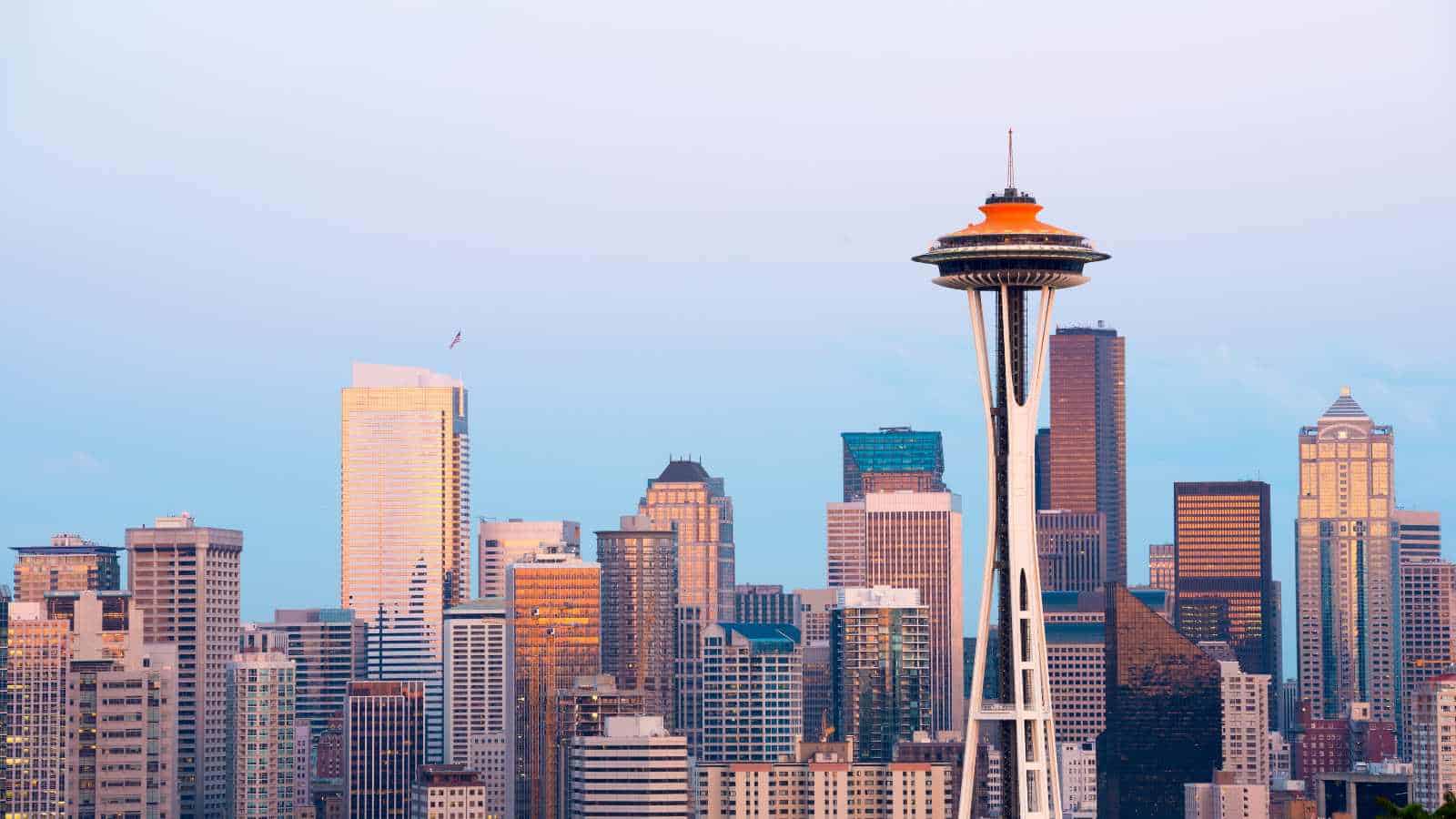
Seattle’s story stretches back to the Klondike Gold Rush, 1896, when it thrived as a gateway city for prospectors. Its underground network of businesses combined ingenuity with vice, and political corruption was tolerated alongside rapid growth. Today, Seattle remains expensive, politically charged, and shaped by tech wealth.
High taxes, rising rents, and social challenges create tension for residents and small businesses. Yet the city also demonstrates remarkable adaptability: it reinvents industries, cultivates global corporations, and maintains cultural prominence.
Philadelphia, Pennsylvania
Once America’s capital and one of the largest cities in the world, Philadelphia’s prominence waned as economic power shifted to New York and Washington, D.C. Manufacturing jobs moved elsewhere, and suburbanization pulled wealth out of the urban core.
Population declined, and political fragmentation hampered coordinated responses to infrastructure and social needs. Yet Philadelphia retains assets often overlooked: major universities, medical centers, and dense neighborhoods that could support renewal.
Branson, Missouri
Its economy depended almost entirely on tourism, from hotels to restaurants and attractions. But changing travel habits, competition from larger destinations, and the rise of online entertainment caused visitor numbers to plateau and some businesses to close.
Vacancies along main streets and fluctuating hotel occupancy reflect the vulnerability of a town built on a single niche. Median household income sits around $45,000, below the national average, and seasonal employment creates economic instability.
Detroit Suburbs
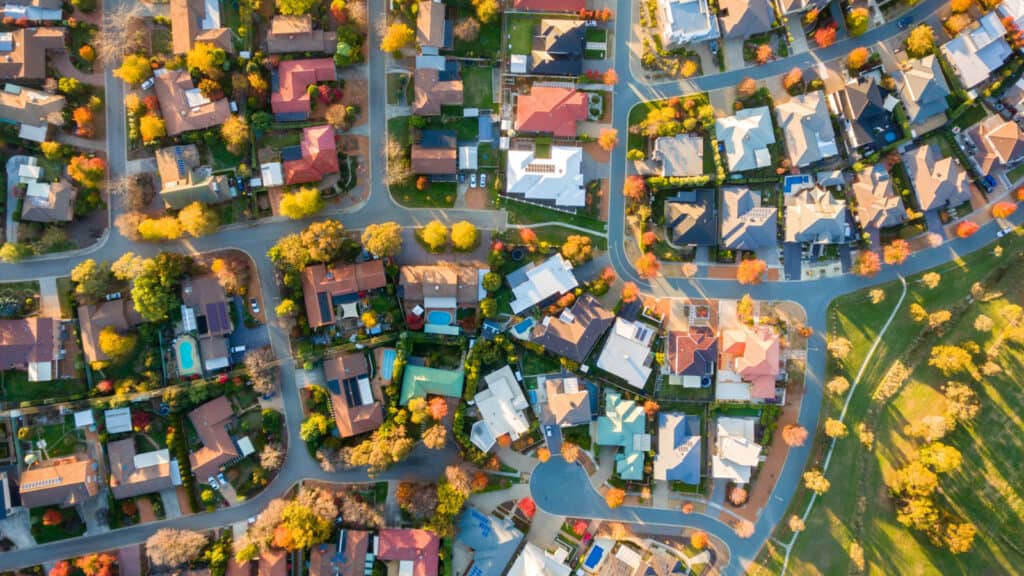
Detroit’s decline rippled outward into neighboring towns like Highland Park and Hamtramck. Once bustling auto-adjacent communities, these towns now face abandoned homes, shrinking populations, and overburdened infrastructure. Local governments often lack resources to maintain services as residents leave, creating a cycle of disinvestment.
Yet small pockets of entrepreneurial energy persist, from urban farms to art collectives. These towns highlight the broader consequences of industrial dependency and municipal fragmentation: when the central city falters, surrounding communities can struggle for decades.
Gary Works Area, Northwest Indiana
At its peak, Gary Works employed roughly 32,000 workers, making it one of the largest single-site steel operations in the world. Today, that number has dwindled to around 3,000 employees, operating at less than 10% of its former capacity. Automation and global competition have sharply cut production, leaving surrounding neighborhoods economically hollow.
The ripple effects are visible in shuttered businesses, abandoned homes, and declining property values across the region. Retail disappeared, public services contracted, and social systems strained under reduced tax revenue. Yet the region’s location near Chicago, port access, and legacy infrastructure provides a foundation for potential reinvention, though progress has been slow and uneven.
Key Takeaways
- Economic shifts devastate mono-industrial towns: Gary lost 62% of its population after steel declined; Detroit’s auto layoffs led to bankruptcy and widespread abandonment.
- Infrastructure and policy choices matter: Highway construction and urban renewal disrupted thriving neighborhoods, as seen on Nashville’s Jefferson Street.
- Population loss compounds decline: Philadelphia and Detroit highlight how suburban migration erodes tax bases and municipal services.
- Resilience is uneven but possible: Cities like San Francisco and parts of Detroit show that cultural, technological, or institutional assets can spark revival.
- Historical context shapes modern outcomes: Understanding past industries, governance, and social structures explains why some towns thrive while others struggle.
Disclosure line: This article was written with the assistance of AI and was subsequently reviewed, revised, and approved by our editorial team.
Like our content? Be sure to follow us