12 things that used to be free but companies now charge for
A quiet tap on your phone unlocks music, movies, maps, and messages. Yet many of those small taps now carry a price. Studies from Zuora’s Subscription Economy Index, along with industry data and reports from McKinsey and Deloitte, show that companies are increasingly adopting subscription and hybrid monetization models, converting free usage into recurring revenue streams.
You start to notice the pattern in small moments. A free trial ends sooner than expected. A feature you used last year now requires a subscription. The change rarely arrives all at once. It creeps in quietly, fee by fee, update by update.
Businesses say the shift reflects rising costs and the success of “freemium” models that convert casual users into paying ones. For many people, the real surprise is not the price itself. It is realizing how many ordinary parts of daily life once cost nothing at all.
Social media apps that now cost extra

The soft glow of your phone lights the room while you scroll through familiar apps. Messages appear, videos autoplay, and your feed moves fast. Then a small badge pops up offering extra tools if you subscribe.
Many platforms once promised free access with few limits. Over time, they began locking certain features behind monthly plans. According to research from Radius Insights, the share of Americans paying for social media app subscriptions rose 15 percentage points from 2024 to 2025.
Overall usage grew only about 5 percent during that period. The gap shows how platforms convert loyal users into paying customers. Free access remains, but premium tools slowly reshape how people experience social media.
Free mobile apps with paid add-ons

You tap the download button, and the app opens instantly. At first, everything works. The colors are bright, the menus smooth. Then a small pop-up appears, offering coins, extra storage, or advanced tools for a price.
The free app model dominates mobile stores, but the real money comes later. Data from ASOMobile show that in-app purchases accounted for 85 percent of Apple App Store revenue and 78 percent of Google Play revenue in 2025.
Global spending on mobile apps is projected to pass $200 billion the same year. Nearly every app starts free to attract users, yet the long-term plan often relies on upgrades, add-ons, or small purchases that add up over time.
Streaming services are raising prices
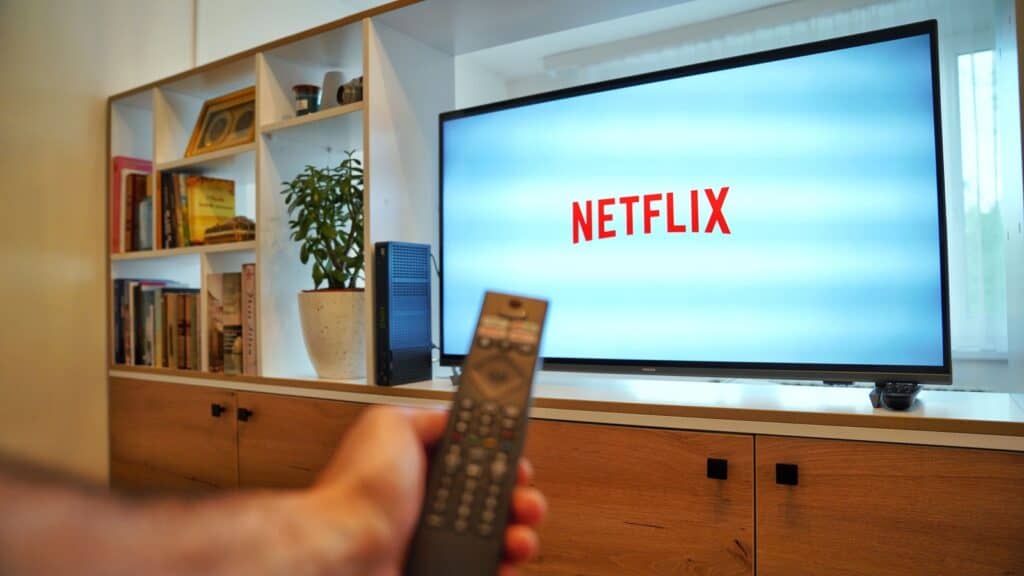
The living room grows quiet as the opening theme of your favorite show begins. For years, streaming felt like the cheaper escape from cable television. A few subscriptions gave you endless shows without ads.
That balance has shifted. Entertainment companies face higher production costs and rising competition. Nerdist reports that the Netflix Standard plan without ads climbed to $17.99 per month in 2025 after a $2.50 increase.
At the same time, the Disney+, Hulu, and HBO Max bundle jumped from $16.99 to $19.99. Free trials once brought viewers through the door. Now, price increases and premium tiers shape how people watch at home.
Checked baggage that no longer comes free

You hear the rumble of rolling suitcases across the airport floor. Travelers line up at the airline counter while attendants weigh bags one by one. What used to be routine now often carries an extra charge.
Airlines began separating baggage fees from ticket prices years ago. The strategy worked. According to The Independent, U.S. airlines collected $7.27 billion in checked baggage fees in 2024. That figure rose from $7.07 billion the year before. Low base fares attract passengers first.
Then luggage charges quietly boost revenue after the ticket is already booked. For travelers, the change often appears only after the purchase is complete. A ticket that seemed affordable slowly grows more expensive once bags are added to the trip. Over time, what once felt like a standard part of flying has turned into one of the industry’s most dependable sources of income.
Bank accounts with new maintenance fees

The quiet buzz of a banking app appears while you check your balance. Everything looks normal until you notice a line marked “account maintenance fee.” Many customers remember when basic accounts cost nothing.
Banks across many regions have begun adding routine service charges. Data reported by Service Public shows that bank account management fees rose by an average of 8.95 percent in 2025. The increase helps cover operating costs while more services move online.
What once felt like a simple storage space for money now often includes small recurring fees. For customers, the shift can feel subtle at first. A small charge appears one month, then becomes part of the routine statement. Over time, those minor deductions remind people that even the most basic financial services rarely remain free for long.
Hotel resort amenities with hidden charges

The hum of air conditioning fills a hotel room after a long day of travel. The pool looks inviting, and the WiFi works instantly. Then you review the final bill and see a charge labeled “resort fee.”
Many hotels separate these charges from the advertised room rate. In Las Vegas, the trend has grown especially visible. According to X107.5 Las Vegas, resort fees on the Strip reached as high as $55 per night before tax in early 2025. Amenities like gym access, WiFi, and pool entry used to come with the room. Now they appear as separate costs that quietly raise the final price.
For travelers, the difference often appears only at checkout. A room that seemed reasonably priced at booking slowly becomes more expensive once the extra nightly charges are added. Over time, resort fees have shifted from a rare surprise into a routine part of the modern hotel bill.
Cloud storage that now requires payment

The soft whir of your laptop fades as files sync in the background. Photos, documents, and videos slide into cloud folders with ease. Then one day, a notification warns that storage is almost full. Many platforms offer free space at first.
The goal is simple. Let users build habits before limits appear. Radius Insights found the share of Americans paying for cloud storage subscriptions rose 9 percentage points between 2024 and 2025. Usage itself stayed steady at about 67 percent.
Analysts say the free tier builds reliance first. Paid upgrades arrive once people run out of space. For many users, the moment feels almost inevitable. Years of photos and work files sit safely online, making the idea of deleting them difficult. Paying a small monthly fee becomes the easier choice, turning what started as a free convenience into another quiet subscription.
The food delivery order that adds unexpected charges

The smell of fresh pizza fills the room as the delivery driver arrives. Ordering through an app once felt like a luxury that came without extra costs. Early promotions promised free delivery to attract new users. Those offers rarely last now.
Data from Radius Insights shows 28 percent of consumers paid for food delivery apps in 2025. Non-members often face delivery fees between $2.99 and $5.99 plus service charges of 5 to 15 percent. Many platforms now offer memberships for around $9.99 a month to remove those costs.
Convenience remains strong, but the pricing structure continues to evolve. For frequent users, the monthly plan begins to feel like the only practical option. What started as a simple way to order dinner has turned into another small subscription that quietly becomes part of everyday spending habits.
ATM withdrawals that are no longer free

The quiet beep of an ATM greets you while the machine counts bills. Cash slides out in seconds. For years, withdrawing from another bank’s machine often came with a few free attempts each month.
Policies are changing as banks look for new ways to manage network costs. In the United States, many banks have reduced or eliminated reimbursement for out-of-network ATM fees, while independent ATM operators continue to charge convenience fees—often a few dollars per transaction. At the same time, banks may add their own out-of-network fee on top of that, increasing the total cost of each withdrawal.
With millions of ATM transactions taking place every day, these charges help offset maintenance and network expenses. For many customers, the difference feels small at first, just another line on the receipt. Yet repeated withdrawals slowly add up, turning what once felt like a basic convenience into another service that now carries a cost.
Gym memberships with added costs

The steady rhythm of treadmills fills the gym as people work out. Many gyms once focused on simple access to equipment and a locker room. Today, the base membership often sits beside a list of upgrades.
According to Alibaba Product Insights, mid-tier gym memberships in 2025 average between $40 and $90 per month. Initiation fees can add up to $150 at some locations. Classes, personal training, and special programs further increase the total.
What started as basic access now functions like a menu of paid fitness options. For members, the real cost often becomes clear after signing up. The monthly fee covers the basics, yet many of the most popular experiences inside the gym now sit behind separate charges.
The airline seat you now pay to choose

The cabin lights dim as passengers settle into their rows. In the past, seat assignments were part of the ticket. Travelers picked their spots during check-in without extra cost.
Airlines discovered that seat selection could become another revenue stream. Many carriers now charge for preferred rows, extra legroom, or early selection. Even standard seats sometimes carry fees during booking. The strategy mirrors baggage pricing.
The base fare stays low enough to attract buyers, while add-ons quietly raise the final ticket price. For travelers, the additional costs often appear only at checkout. What once felt like a simple part of flying now joins a growing list of fees that steadily increase the overall cost of air travel, reshaping how passengers budget for trips.
The software features that quietly move behind paywalls

The faint click of a keyboard echoes while you open familiar software. The layout looks the same, but a small lock icon appears next to the tools you once used freely. Many tech companies have shifted software into subscription models.
Free versions remain available, yet advanced features often require monthly plans. This approach keeps entry easy while steady payments support updates and development. Over time, tools that once came in a single purchase transform into services that charge repeatedly.
The pattern reflects a wider shift in business strategy. Companies attract users with free access first. Then they slowly turn everyday habits into small but reliable sources of revenue. For many people, the biggest surprise is realizing how many parts of daily life once cost nothing at all.
Like our content? Be sure to follow us