Are You Being Charged More Because You’re a Woman? The Data Says Yes
When stepping into a drugstore, it’s easy to notice that razors, shampoos, and even deodorants marketed to women often carry a higher price than similar products aimed at men. This price disparity—dubbed the “pink tax”—is not an actual tax, but a systemic practice where women pay more for basic goods and services solely due to gender-based marketing and product design.
The pink tax isn’t limited to personal care items—it also sneaks into clothing, dry cleaning, toys, and even health care products. According to a widely cited study by the New York City Department of Consumer Affairs, women’s products cost, on average, 7% more than comparable men’s products. Examples include girls’ helmets (13% more expensive), women’s jeans (10% more expensive), and personal care products for women costing 13% more on average.
My own investigation, grounded in years of reporting on consumer trends and women’s issues, reveals this pricing inequality is deeply normalized—rarely questioned by brands and retailers, it’s just how things are. Yet as consumers—and as women—it’s something we all have the power, and obligation, to challenge.
How The Pink Tax Impacts Women Financially

The financial effects of pink tax are more than just a few extra cents at the checkout counter—they compound over a woman’s lifetime. Studies estimate that women might spend up to $1,351 more each year just to purchase gendered versions of everyday products and services. Women also face higher prices for haircuts, dry cleaning, and vehicle repairs, further widening the economic gap.
For girls and young women, this cost discrepancy can set a troubling precedent, signaling that being female means paying more. For low-income women, these subtle yet persistent extra costs directly impact their ability to pay for essentials, save, or invest for the future.
This issue intersects with the gender pay gap, as women continue to earn less on average than men—making every dollar count even more. These compounded costs undermine women’s economic security and contribute to the overall inequality in society.
The Hidden Ways Pink Tax Appears
Pink tax isn’t always obvious. Sometimes, the products are identical except for their color or packaging—but priced differently. For example, one brand might sell “for men” razors in blue for $5.99 and “for women” razors in pink for $7.99, with no significant difference in design or effectiveness.
Services are no exception. Dry cleaning providers may charge more to clean a woman’s blouse than a man’s shirt, citing differences in fabric and cuts—even when the items are comparable. Even children’s toys show gender-based pricing differences, with pink versions of items often more costly than generic or blue-colored versions.
Sometimes, these disparities are hidden behind marketing language, further reinforcing outdated stereotypes about value and gender expectations. It’s not just frustrating; it can feel disempowering. But there are effective ways we can push back.
Why Does The Pink Tax Persist?
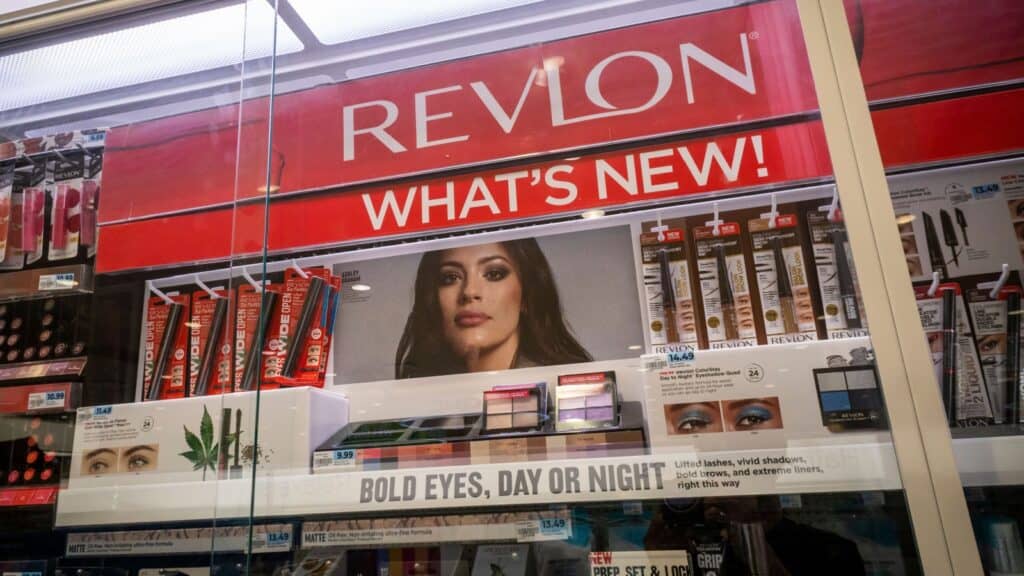
The roots of pink tax are tangled in decades-old marketing practices. Brands have long segmented products by gender, believing that women are willing to pay more for items perceived as “premium” or “specially designed” for them. In reality, many products vary only in packaging, color, or scent, not in actual ingredients or quality.
Industry experts point out that this strategy targets women as lucrative consumers, with many brands investing in persuasive advertising to portray higher-priced, “feminine” products as a necessity or even status symbol.
The lack of transparency in pricing also allows these disparities to go largely unnoticed. Manufacturers aren’t legally required to justify gender-based price differences, and most consumers don’t realize the markup until they compare products side-by-side in the store or online.
Legal Efforts and Corporate Accountability
A small but growing number of lawmakers and advocacy groups are fighting against pink tax by seeking legislation that outlaws gender-based price discrimination. California passed the Gender Tax Repeal Act, prohibiting businesses from charging different prices for services based solely on gender, but similar federal efforts remain stalled.
Consumer advocacy organizations, such as Gender Justice and the Consumer Federation of America, are also pushing for increased transparency and regulatory oversight. Their work has brought public attention to the issue and encouraged some brands to reformulate their pricing strategies.
Major corporations have begun responding to pressure from consumers and activists, striving to eliminate or justify any price disparities. For instance, some global retailers now offer “unisex” product lines to avoid gender-based markups.
How Women Can Fight Back: Practical Strategies

As a journalist committed to empowering women with actionable information, I have drawn on expert guidance and real-world examples to compile steps women can take to resist the pink tax—and demand fair pricing.
Compare and Question
- Shop consciously: Always compare the cost and ingredients of “male” versus “female” versions of everyday products. If the male version is cheaper and just as effective, buy it.
- Ask for transparency: Inquire about pricing rationale at salons, dry cleaners, or other service providers. Question why a woman’s product or service costs more.
- Call out unfair pricing: Use social media or review platforms to highlight specific examples of pink tax, prompting companies to respond and make changes.
Support Policy Change
- Engage with lawmakers: Contact local representatives to support or introduce legislation banning gender-based pricing. Share personal stories and research to demonstrate the impact.
- Sign petitions and follow advocacy groups: Support campaigns aimed at ending pink tax through legislation and regulatory reform.
Leverage Collective Buying Power
- Spread awareness: Educate friends, family, and colleagues about the pink tax. The more people know, the harder it is for brands and retailers to justify unfair practices.
- Favor inclusive brands: Shop from companies and retailers that demonstrate transparent, non-discriminatory pricing. Support businesses that publicize their commitment to equity.
Use Technology Wisely
- Price-comparison apps: Utilize digital tools and apps to compare prices of similar products across different brands and retailers. These can make it easier to spot and avoid pink tax pricing.
- Social media mobilization: Mobilize online campaigns and tap into like-minded communities focused on consumer rights and gender equity.
Real-World Examples of Change
Some brands—the ones listening to consumers—are actively fighting pink tax. Superdrug, a UK-based retailer, scrapped gender-based pricing for personal care ranges after facing public backlash, pledging equal prices for male and female products.
In the U.S., Target eliminated gender-based signs in children’s departments, helping reduce both gendered marketing and price disparities. These measures demonstrate that consumer advocacy matters—and that collective action can drive change across industries.
Even more promising, e-commerce platforms have begun highlighting gender-neutral options, making it easier for shoppers to avoid pink tax altogether.
The Long-Term View: What Needs To Be Done
The systemic nature of pink tax means individual action, while powerful, must be paired with broader systemic change. Legal reform—at both the state and federal level—is key, as is continued pressure on companies to justify and address disparities.
Women’s organizations, journalists, and policymakers must continue to document and monitor pricing practices. Data transparency will ground future advocacy and legislative efforts, ensuring that women are not unfairly burdened by hidden costs.
Ultimately, the pink tax is about more than pricing—it’s about equity. By breaking down insidious forms of consumer discrimination, we take another step toward societal fairness.
Final Thoughts: Turning Awareness into Action
As both a consumer and a journalist, I believe the fight against pink tax is a core feminist and economic issue. Through conscious consumer choices, policy advocacy, and ongoing public discourse, women can push back against hidden fees and demand the equality they deserve.
Each time we compare products, challenge unfair pricing, and support transparent companies, we chip away at the pink tax. By transforming awareness into collective action, we can build a marketplace where gender equity isn’t a luxury—it’s the standard.
Sources
- New York City Department of Consumer Affairs: “From Cradle to Cane: The Cost of Being a Female Consumer” (full PDF)
- Forbes: “Will California’s New Pink Tax Law Save Women $47 Billion Annually?”
- NBC News: “Feminist consumers in China push back against the ‘pink tax’”
- Joint Economic Committee of the U.S. Congress: “The Pink Tax: How Gender-Based Pricing Hurts Women’s Buying Power” (full report PDF)